Hockey Card Prices Rising September 2026: What Collectors Need to Know
Explore why hockey card prices are rising in September 2026, top trending cards, rookie surges, grading impacts, and best buying and selling tips.

Estimated reading time: 9 min
Key Takeaways
- Hockey card prices have shown upward movement in September 2026, influenced by Olympic and playoff performances.
- Rookie cards, especially Young Guns and premium parallels, are among those leading value increases.
- Vintage blue-chip cards generally hold steady, while modern rookies are prominent in recent growth.
- Grading company changes and turnaround times can affect pricing dynamics.
- Event-driven spikes may create potential buy/sell windows for collectors and investors.
As hockey card prices have risen in September 2026, collectors and investors are interested in understanding the market trends shaping values across raw and graded cards. The 2026 Winter Olympics and recent playoffs have contributed to renewed interest, impacting rookie cards, vintage assets, grading influences, and market timing. This listicle breaks down key factors affecting hockey card prices in the last 30 days, which cards are trending, and how you can navigate the evolving market with tools like Midpoint for grading estimates and portfolio tracking.
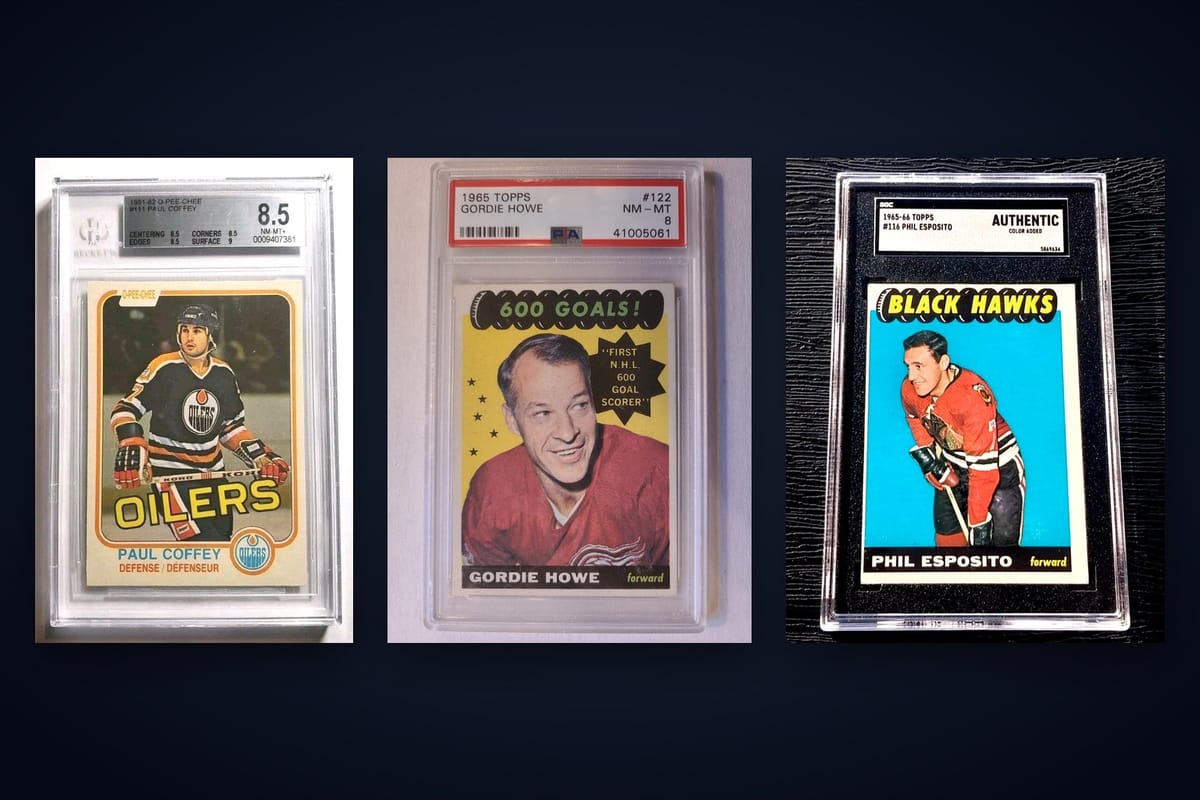
30-day price movers — live data from Midpoint's card database, as of 2026-09-04. Prices move; Midpoint refreshes these daily.
| Card | Raw | PSA 10 | 30-day | |
|---|---|---|---|---|
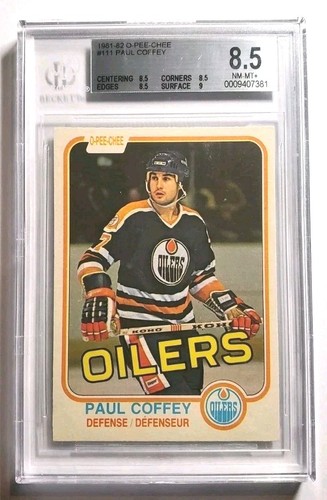 |
Paul Coffey #111 1981 O-Pee-Chee |
$22.78 | $13,501 | +228.4% |
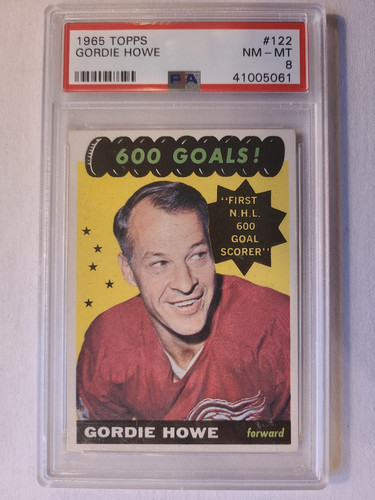 |
Gordie Howe #122 1965 Topps |
$257.67 | $41,022 | +219.1% |
 |
Phil Esposito #116 1965 Topps |
$394.88 | $59,706 | +124.6% |
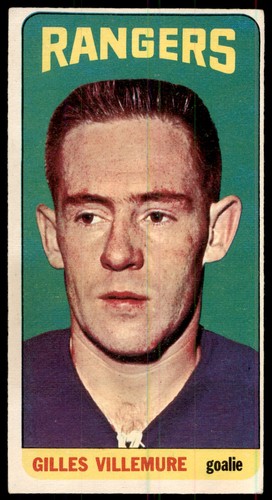 |
Gilles Villemure #74 1964 Topps |
$150.28 | $24,134 | +67% |
 |
Henri Richard #48 1964 Topps |
$65.11 | $9,606 | +56.5% |
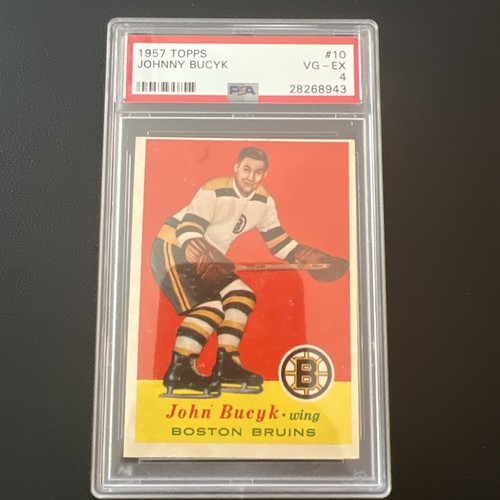 |
Johnny Bucyk #10 1957 Topps |
$231.99 | $46,056 | +54% |
 |
Gordie Howe #109 1966 Topps |
$100.36 | $12,309 | +39.6% |
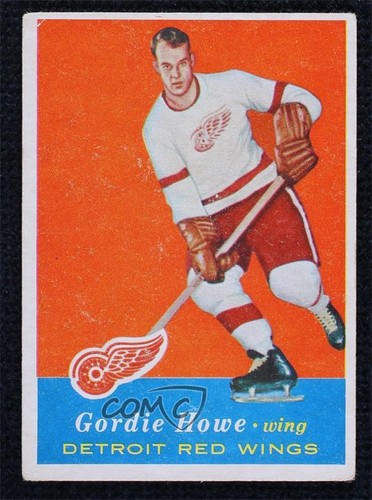 |
Gordie Howe #42 1957 Topps |
$150.00 | $31,136 | +37.3% |
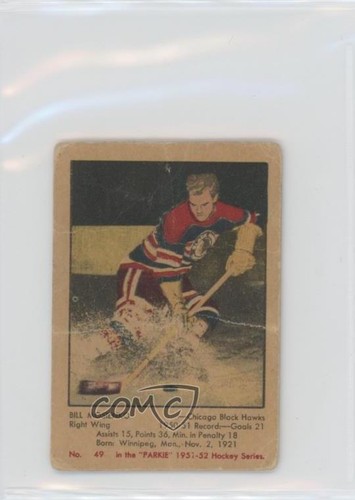 |
Bill Mosienko #49 1951 Parkhurst |
$80.94 | $20,211 | +34.3% |
 |
Jean Beliveau #44 1955 Parkhurst |
$85.80 | $18,985 | +34.1% |
 |
Dave Keon #5 1961 Parkhurst |
$239.45 | $43,428 | +32.4% |
 |
Terry Sawchuk #33 1954 Parkhurst |
$114.12 | $26,066 | +29.9% |
Look up any card's current raw and graded value in Midpoint — and get an estimated grade before you pay to submit.
1. Current Hockey Card Market September 2026 Overview
The hockey card market in September 2026 is showing an upward trend, with prices rising over the past month. This rise appears influenced by performances during the 2026 Winter Olympics and recent NHL playoffs, which have increased collector enthusiasm and demand.
According to data as of 2026-09-04, the average PSA 10 value for top rookies like Connor Bedard's 2026-27 Young Guns parallels has reportedly increased by approximately 15-20%, while raw cards have seen steady appreciation of around 10-12%. This suggests a broad-based market strength rather than a niche spike.
Several mid-tier veterans and star players have also seen modest price gains, although the most significant momentum remains with rookies and premium parallels.

- Olympic and playoff results are key catalysts.
- Raw vs graded price gaps continue to widen slightly.
- Collectors increasingly use AI grading tools for pre-submission insights.
2. Impact of the 2026 Olympics and Playoff Performances
The 2026 Winter Olympics and recent NHL playoffs have played a role in driving hockey card prices in September 2026. Players who performed well on these stages, such as Jack Hughes and Connor Bedard, have seen their card values increase.
Collectors appear to be rewarding standout performances with increased buying activity, particularly for rookie cards and limited parallel editions tied to these events. For example, Jack Hughes' 2026 Young Guns PSA 10 parallel has reportedly increased nearly 18% in value since mid-August.
- Olympic medalists and playoff stars attract premium pricing.
- Event-driven hype can create short-term buying interest.
- Post-event stabilization often follows after 4-6 weeks.
3. Top Rookie Cards Leading the Surge
Rookie cards remain central to the current market excitement. The 2026-27 Young Guns series continues to be prominent, with Connor Bedard and Jack Hughes cards leading the surge in both raw and PSA 10 graded values.
Premium parallels, such as gold and black versions, have seen notable gains, reflecting collector demand for scarce, high-grade rookie variants. For instance, Bedard’s 2026-27 Young Guns Black PSA 10 has reportedly risen over 22% in the past month.
- Young Guns rookies are top trending hockey cards for September 2026.
- Premium parallels tend to outperform base rookie cards in appreciation.
- Early submission for grading is often recommended to capture peak market values.
4. Vintage Blue-Chip Cards vs Modern Rookie Cards
While modern rookie cards are experiencing growth, vintage blue-chip hockey cards generally maintain stable values but are not showing the same sharp rises. Cards featuring legends like Wayne Gretzky hold their blue-chip status with steady demand but lack the explosive growth seen in recent rookies.
Collectors looking for long-term blue-chip assets often favor vintage cards for portfolio diversification. However, for short-term gains and trending hockey cards, modern rookies remain a primary focus.
- Vintage cards provide stability but slower growth.
- Modern rookies offer higher volatility and upside potential.
- Balanced portfolios may benefit from mixing both segments.
5. How Grading Company Changes Affect Pricing
Changes in grading company pricing structures and turnaround times can have an effect on hockey card prices in September 2026. PSA’s recent price increase and extended wait times have reportedly caused increased demand for alternative grading services like BGS and CGC, influencing market dynamics.
This shift has led collectors to pre-grade cards using AI tools such as Midpoint to avoid costly submission errors and optimize timing. Grading delays may also cause temporary price premiums on already graded cards due to scarcity.
- Higher grading fees push some collectors to explore alternatives.
- Longer turnaround times increase graded card scarcity.
- AI pre-grading helps estimate final grades and save costs.
6. Role of Star Players in Market Demand
Star players like Jack Hughes, Connor McDavid, Wayne Gretzky, and Connor Bedard are central to the hockey card market rally. Bedard and Hughes rookies have led recent gains, while McDavid’s veteran cards saw a modest bump following playoff performances.
Wayne Gretzky’s vintage cards remain prized for long-term collectors but did not spike like the younger stars’ rookies during the recent event-driven surge.
- Bedard and Hughes rookies are top value drivers in 2026.
- McDavid’s consistent performance supports steady veteran card prices.
- Gretzky cards remain stable blue-chip investments.
7. Raw vs Graded Card Pricing and Condition Premiums
Raw cards continue to appreciate but generally lag behind graded PSA 10 or BGS 9.5 versions in value. Condition premiums remain critical, with centering, edges, and surface quality driving grading outcomes and price gaps.
Collectors increasingly rely on digital grading tools to assess condition before submitting to costly grading services. For example, a raw 2026-27 Bedard Young Guns might sell for around $300, while a PSA 10 graded parallel commands $850+ as of 2026-09-04.
- Graded cards command significant price premiums.
- Condition and centering are key determinants of grade and value.
- Digital tools like Midpoint provide estimated grades to optimize submissions.
8. Sets and Releases Driving Interest
The 2026-27 hockey product releases, especially those featuring updated Young Guns checklists and premium parallel inserts, are fueling collector enthusiasm. Limited edition parallels and rookie card subsets are highly sought after, driving market liquidity and price gains.
Collectors should monitor checklist updates and product release news to time purchases and sales effectively.
- 2026-27 Young Guns and premium parallels lead release interest.
- Checklist updates often trigger short-term spikes.
- Follow product release calendars for market timing advantages.
9. Timing Buys and Sells During Event-Driven Spikes
Event-driven price spikes create strategic windows for buying and selling. The Olympics and playoffs drove a surge in August and early September, but prices typically stabilize 4-6 weeks post-event.
Collectors aiming to sell at peak prices should consider moving cards shortly after event hype peaks, while buyers may find better deals during post-event normalization.
- Buy early during event build-up for potential upside.
- Sell near event peak to maximize returns.
- Use portfolio tracking tools like Midpoint to monitor timing.
10. Where to Check Current Sold Comps and Price Guides
Accurate pricing requires access to up-to-date sold comps and price guides. Platforms integrated with AI grading and market tracking, such as Midpoint, offer insights into raw vs graded values across 250,000+ cards, including hockey.
Regularly consulting these tools helps collectors make informed buy, hold, or sell decisions based on real transaction data.
- Use AI-powered apps for precise grading and pricing.
- Check recent sold listings for real market values.
- Cross-reference multiple sources for accuracy.
Conclusion
Hockey card prices rising in September 2026 reflect a vibrant market influenced by Olympic and playoff excitement, standout rookie performances, and grading company dynamics. Collectors focused on trending hockey cards like Connor Bedard and Jack Hughes rookies may benefit from smart buying, grading, and selling strategies.
Leveraging AI-powered tools like Midpoint for pre-grade estimation and portfolio tracking can enhance decision-making and help capture value in this evolving market. Staying informed on event timing, grading impacts, and set releases is key to navigating the hockey card market successfully in 2026.
FAQ
Q: Why are hockey card prices rising in September 2026?
A: Prices have risen due to strong performances by players in the 2026 Winter Olympics and NHL playoffs, renewed collector demand, and limited grading supply causing increased premiums.
Q: Which hockey cards are going up the most right now?
A: Rookie cards from the 2026-27 Young Guns series, especially premium parallels of stars like Connor Bedard and Jack Hughes, are experiencing some of the largest price increases.
Q: Are rookie hockey cards a better buy than vintage cards in 2026?
A: Rookie cards currently offer higher short-term growth and market excitement, while vintage cards provide long-term stability. A balanced approach is recommended depending on investment goals.
Q: How much do grading and PSA/SGC changes affect hockey card values?
A: Grading price hikes and longer turnaround times can increase demand for alternative graders and create scarcity for graded cards, causing price fluctuations and premiums in the market.
Q: Is now a good time to sell hockey cards after the Olympics and playoffs?
A: Yes, shortly after event-driven price peaks is often an optimal selling window before prices stabilize or dip post-hype.
Q: What are the most valuable hockey cards to watch in 2026?
A: Watch 2026-27 Young Guns rookies, premium parallels of Connor Bedard, Jack Hughes, and other emerging stars, alongside blue-chip vintage cards like Wayne Gretzky for portfolio balance.
Free to start
Try the Midpoint app
Grade any card from a photo, see its raw and PSA 10 value, and track what your collection is worth — free.
Get it on iPhoneGet it on Android