Latios Cards Worth Money: 10 Valuable Cards to Know
Discover which Latios cards are worth money, from PSA 10 premiums to rare promos, with tips on grading and value trends for collectors.

Estimated reading time: 8 min
Key Takeaways
- Latios card value varies widely by set, condition, and grading.
- PSA 10 Latios cards often command significant premiums, especially from rare sets.
- Japanese Latios cards frequently fetch higher prices than English versions.
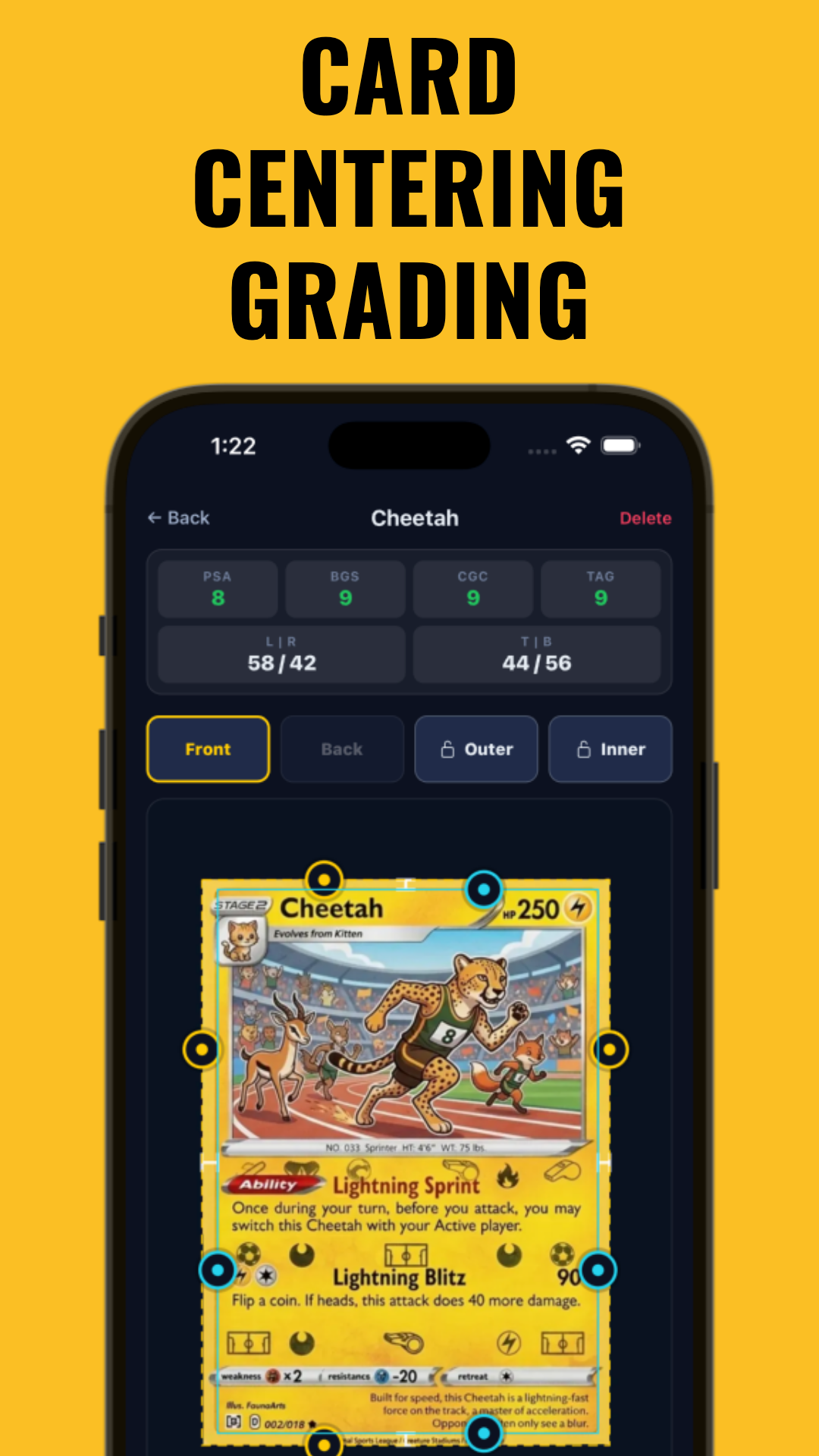
- Centering is important for grading — Midpoint helps estimate grades before submitting.
- Promos, reverse holos, and Gold Star variants are among the rarer and more valuable cards.
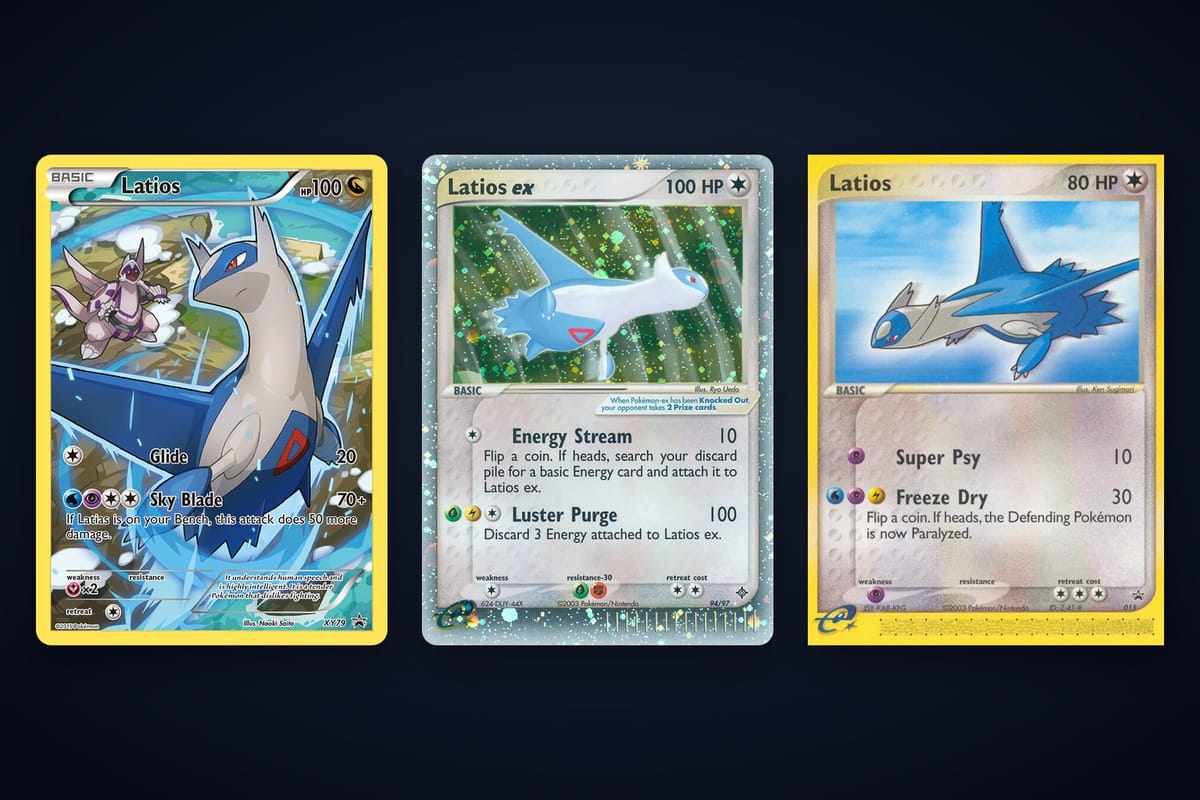
Latios cards that hold value attract collectors due to their rarity, artwork, and competitive play history. Whether you're holding a raw card or a graded gem, understanding which Latios cards tend to hold the most value can guide your buying, selling, and grading decisions. This guide covers notable Latios cards to grade, valuable sets, and how condition and grading impact prices as of 2026-08-10.
Card values — live data from Midpoint's card database, as of 2026-08-10. Prices move; Midpoint refreshes these daily.
| Card | Raw | PSA 10 | Gem premium | |
|---|---|---|---|---|
 |
Latios #XY79 XY Black Star Promos (2013) |
$118.06 | $12,000 | 101.6× |
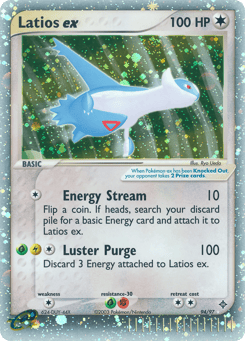 |
Latios ex #94/97 Dragon (2003) |
$277.55 | $7,287 | 26.3× |
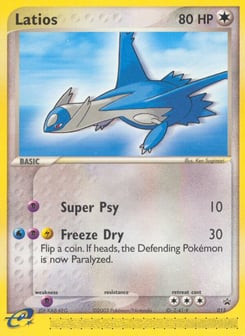 |
Latios #015 Nintendo Black Star Promos (2003) |
$27.39 | $3,500 | 127.8× |
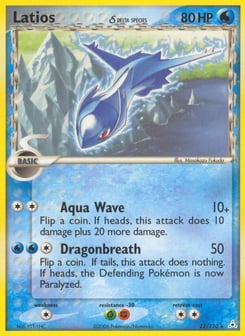 |
Latios δ #22/110 Holon Phantoms (2006) |
$109.99 | $3,191 | 29× |
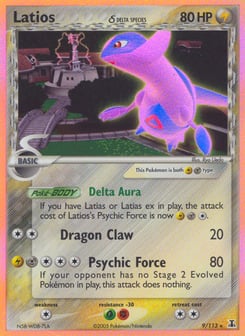 |
Latios δ #9/113 Delta Species (2005) |
$232.50 | $3,044 | 13.1× |
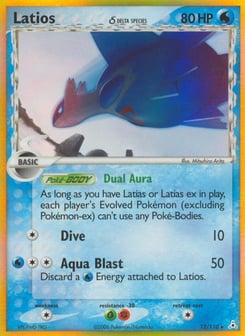 |
Latios δ #12/110 Holon Phantoms (2006) |
$247.50 | $2,990 | 12.1× |
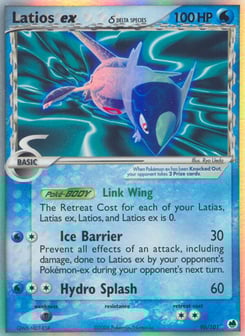 |
Latios ex δ #96/101 Dragon Frontiers (2006) |
$329.98 | $2,434 | 7.4× |
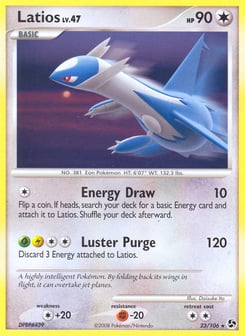 |
Latios #23/106 Great Encounters (2008) |
$21.99 | $940.65 | 42.8× |
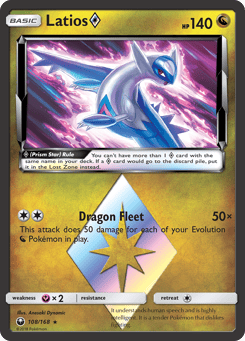 |
Latios ◇ #108/168 Celestial Storm (2018) |
$9.29 | $749.46 | 80.7× |
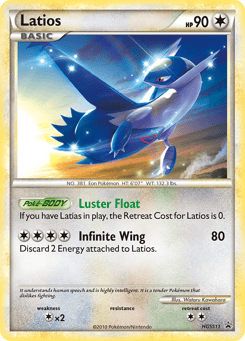 |
Latios #HGSS11 HGSS Black Star Promos (2010) |
$82.58 | $600.00 | 7.3× |
 |
Latios #203/191 Surging Sparks (2024) |
$34.27 | $290.69 | 8.5× |
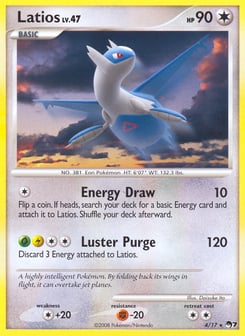 |
Latios #4/17 POP Series 7 (2008) |
$27.51 | $202.00 | 7.3× |
Look up any card's current raw and graded value in Midpoint — and get an estimated grade before you pay to submit.
1. Latios Gold Star (EX Deoxys) – Among the Rarest and Most Valuable
Among Latios cards, the Gold Star Latios from the EX Deoxys set is considered one of the rarest and most valuable. Its unique shiny artwork and limited print run make it highly sought after. As of 2026-08-10, a PSA 10 Gold Star Latios can command prices exceeding $4,000, reflecting its premium status.
This card's rarity and condition sensitivity make it a strong candidate for grading, but centering and surface condition must be near perfect to justify PSA 10 value. Using Midpoint's AI digital grading can help estimate centering and surface quality before investing in grading fees.
- Gold Star Latios is a chase card from the EX era.
- Raw cards in near-mint condition can fetch hundreds, but grading unlocks higher value tiers.
- Centering is often the biggest hurdle to a PSA 10 for this card.
2. Latios Team Up Full Art (Sword & Shield) – High-Value Modern Card
The Latios Team Up Full Art card from the Sword & Shield era is among the notable Latios cards to grade in recent sets. Its vibrant full art design and popularity in competitive decks contribute to steady demand.
Raw versions in near-mint condition typically range from $30 to $50, while PSA 10 copies can reach prices above $200, making grading worthwhile for well-centered copies. This card benefits from market trends favoring full-art and alt-art cards.
- Full art and alt art variants tend to see higher premiums.
- Midpoint's centering tool helps confirm eligibility for high PSA grades.
- Tracking portfolio value of Team Up cards is easier with apps like Midpoint.
3. Latios EX Dragon Frontiers – Iconic EX Era Card
Latios EX from the Dragon Frontiers set remains a fan favorite and valuable card. While not as rare as Gold Star, it offers appreciation potential, especially in PSA 10 condition.
As of 2026-08-10, a raw Dragon Frontiers Latios typically sells for around $20-$40, with PSA 10 copies often fetching $150 or more. Condition grades below near-mint significantly reduce the card’s value, emphasizing the importance of pre-grading assessment.
- EX era cards have a strong nostalgic collector base.
- Condition and centering impact price differences for EX Latios significantly.
- Midpoint’s AI grading assists in estimating potential PSA grades before submission.
4. Latios Promo Cards (Japanese and English) – Rare Variants
Promotional Latios cards, including those from event distributions and special releases, are among the rarer variants. Japanese promos often command higher values due to scarcity and unique artwork.
For example, the Latios Promo from the 2003 Pokémon Card Game Japanese event can sell for approximately $100-$300 raw, with PSA 10 copies sometimes exceeding $500. English promos generally trade slightly lower but remain collectible.
- Promos often feature unique holo patterns or alternate art.
- Japanese promos typically have a higher market value than English counterparts.
- Condition and grading significantly affect promo card prices.
5. Latios Reverse Holo Variants – Affordable Yet Collectible
Reverse holo Latios cards, which feature holofoil on the card background but not the artwork, are common in sets like EX and Team Up. While generally less valuable than full art or Gold Star cards, reverse holos still hold collectible appeal.
Raw reverse holo Latios often range from about $10 to $40, depending on set and condition. Grading can increase value by 2-3x for PSA 9 and 10 grades, but careful centering analysis is necessary to ensure a worthwhile submission.
- Reverse holo cards offer an entry-level collectible option.
- Midpoint’s digital centering grades reduce grading guesswork.
- Condition tiers such as Near Mint (NM) versus Lightly Played (LP) greatly affect value.
6. Japanese Latios Cards – Often Worth More Than English
Japanese Latios cards frequently command higher prices than English versions, especially for older sets and promos. Collectors prize original Japanese printings for their authenticity and limited availability outside Japan.
For example, a Japanese Team Up Latios Full Art PSA 10 can sell for approximately 10-20% more than the English counterpart. Similarly, EX era Japanese cards often enjoy premiums due to their relative scarcity in Western markets.
- Japanese print runs are often smaller for promos and rare sets.
- Language variants affect collector demand and prices.
- Tracking these differences helps collectors make informed buying decisions.
7. Condition Effects: Near Mint, Lightly Played, Moderately Played
Condition is a decisive factor in Latios card value. Cards graded NM or Mint typically fetch prices 50%-200% higher than LP (Lightly Played) versions. Moderately Played (MP) or damaged cards often sell for a fraction of NM prices.
Centering, surface scratches, and edge wear directly impact condition grades. Midpoint's AI-powered grading tool analyzes these factors to predict professional grade outcomes, helping collectors avoid costly grading mistakes.
- Centering is often the difference between PSA 9 and PSA 10.
- Surface imperfections reduce value significantly in graded markets.
- Using Midpoint can identify condition issues before submitting cards.
8. PSA 10 Latios Card Value Premiums
PSA 10 Latios cards often command significant price premiums. For example, the Team Up Full Art Latios PSA 10 is priced around $220, more than four times raw NM prices. Meanwhile, the EX Deoxys Gold Star Latios PSA 10 can reach prices above $4,000.
This premium reflects the scarcity of perfect-centering and flawless surface examples. Professional grading slabs assure buyers of condition, driving higher demand and prices.
- PSA 10 premiums can range from 3x to 30x raw value depending on card rarity.
- Centering often accounts for the largest grade difference impacting value.
- Midpoint’s grading estimates optimize submission timing and choice.
9. Price Trends and Recent Appreciation of Latios Cards
Latios cards have shown steady appreciation over recent years, especially for rare variants and PSA 10 graded copies. Notably, Gold Star and Team Up cards have experienced notable price increases, driven by collector demand and nostalgia.
Tracking these trends with portfolio tools like Midpoint helps collectors time sales and understand market cycles effectively.
- Rare sets and promos tend to appreciate faster than common printings.
- PSA 10 graded Latios cards often lead market gains.
- Digital tools improve value monitoring and collection management.
10. Identifying Rare Variants and Best Cards to Grade
Collectors should prioritize grading Latios cards from Gold Star, Team Up, and EX era sets, focusing on full art, promos, and rare Japanese printings. Using Midpoint to measure centering and surface quality before grading increases the chances of achieving a PSA 10 and maximizing return.
Rare variants like reverse holo promos or alternate art cards also offer grading opportunities but require careful condition assessment. Avoid submitting cards with off-centering or surface damage to minimize grading fees wasted on low grades.
- Gold Star Latios is a top grading target for maximum value.
- Team Up Full Art variants offer high value and grading upside.
- Midpoint’s AI grading tools reduce risk and help choose the best cards to grade.
Conclusion
Knowing which Latios cards tend to hold value helps collectors make informed decisions on buying, selling, and grading. The Gold Star Latios from EX Deoxys leads in value, followed by Team Up full art and EX era cards. Condition and centering are critical for unlocking the highest PSA 10 prices, and Japanese variants often add a premium.
Leverage AI tools like Midpoint to estimate centering and surface condition before investing in professional grading. This approach can help maximize your return and protect your collection’s value over time.
FAQ
Q: How much is a Latios card worth?
A: Latios card value varies widely from around $10 for common reverse holos to over $4,000 for PSA 10 Gold Star Latios. Condition, set, and rarity are key factors.
Q: What is the most valuable Latios card?
A: The Gold Star Latios from EX Deoxys is among the most valuable and rare, with PSA 10 examples valued above $4,000 as of 2026-08-10.
Q: Are Japanese Latios cards worth more than English ones?
A: Japanese Latios cards, especially promos and older sets, often fetch higher prices due to scarcity and collector demand.
Q: How much does a PSA 10 Latios card sell for?
A: PSA 10 Latios cards vary by card, with Team Up Full Art around $220 and Gold Star Latios exceeding $4,000 as of 2026-08-10.
Q: Which Latios sets are the best to buy or sell?
A: Focus on EX Deoxys (Gold Star), Team Up (Full Art), and Dragon Frontiers (EX era) sets for notable value and appreciation potential.
Q: Does condition affect Latios card value a lot?
A: Yes. Near Mint or better condition and excellent centering can increase values by multiple times compared to lightly played or damaged cards.
Free to start
Try the Midpoint app
Grade any card from a photo, see its raw and PSA 10 value, and track what your collection is worth — free.
Get it on iPhoneGet it on Android