Lugia Cards Worth Money: Top 10 Valuable Cards and Grading Tips
Discover which Lugia cards are worth money, their PSA 10 values, rarest variants, and best cards to grade for collectors and investors alike.

Estimated reading time: 12 min
Key Takeaways
- Lugia cards from Aquapolis and Neo Genesis sets are among the most valuable, especially holo and 1st Edition prints.
- Condition and grading (PSA 10, BGS 10) significantly affect Lugia card value, sometimes increasing prices substantially.
- Rare variants like 1st Edition, holo, promo, and alternate art Lugia cards tend to fetch higher prices among collectors.
- Japanese Lugia cards have a dedicated collector base but often trade below top English versions.
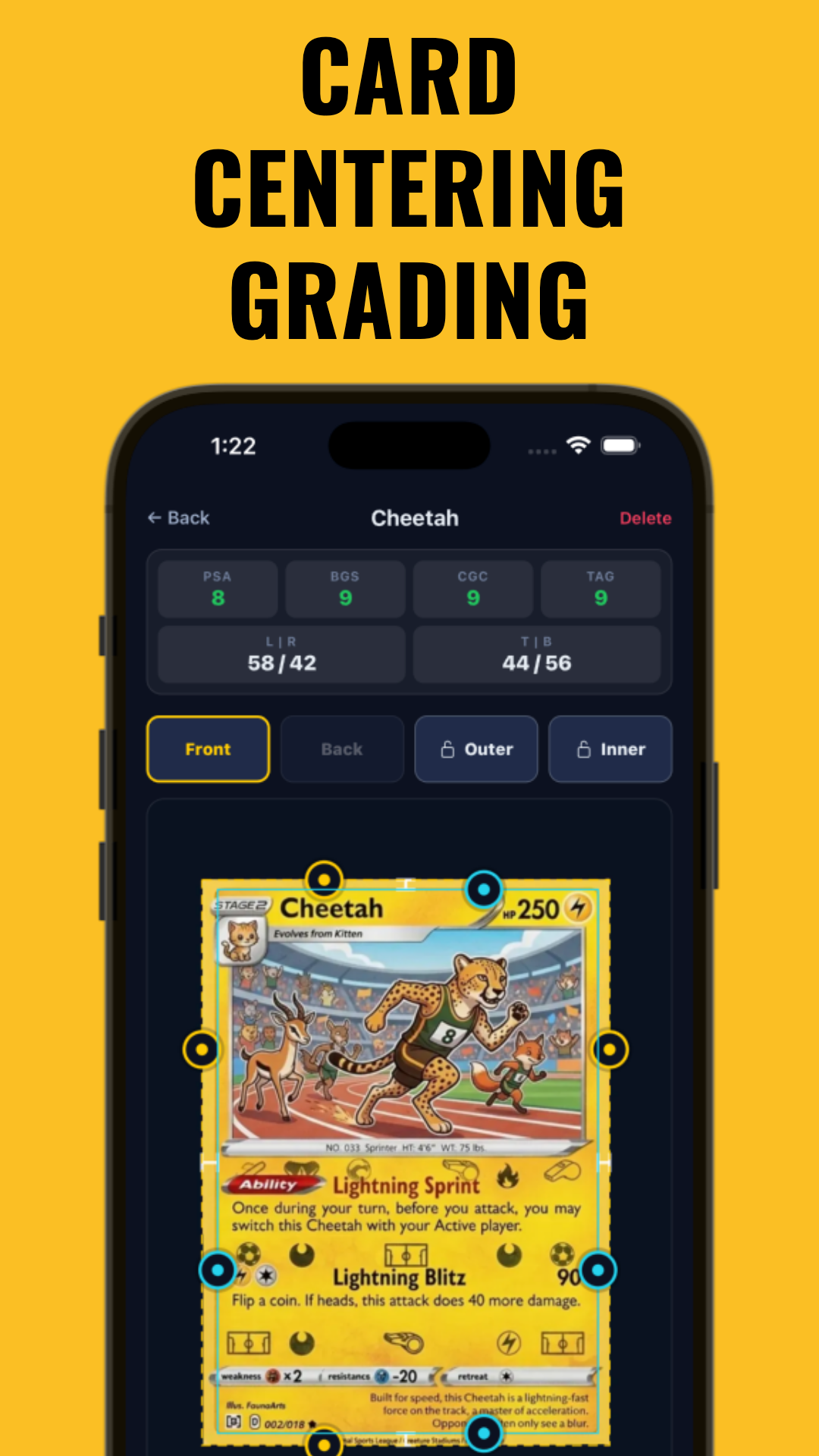
- Using tools like Midpoint can help pre-grade and measure centering to assist grading decisions.
If you’re a Pokémon card collector or investor wondering which Lugia cards are worth money, you’ve come to the right place. This guide breaks down some of the most notable Lugia cards, from early Neo Genesis and Aquapolis prints to modern alternate art and VSTAR variants. We’ll cover key factors that affect Lugia card value — condition, print details, grading, and market trends — so you can better understand which cards may be rare and potentially profitable to buy, grade, or sell. Plus, learn how to identify your card’s set and edition, and why centering often influences the price difference between a raw card and a PSA 10. For grading estimates and portfolio tracking, consider using Midpoint, a collector app used by enthusiasts worldwide.
| Card Name | Set | Type | Raw Value | PSA 10 Value | Date |
|---|---|---|---|---|---|
| Aquapolis Lugia 1st Edition Holo | Aquapolis | Holo | $150 | $3,200 | 2026-08-11 |
| Neo Genesis Lugia 1st Edition Holo | Neo Genesis | Holo | $120 | $2,800 | 2026-08-11 |
| Neo Genesis Lugia Unlimited Holo | Neo Genesis | Holo | $80 | $950 | 2026-08-11 |
| Legendary Collection Lugia Reverse Holo | Legendary Collection | Reverse Holo | $40 | $650 | 2026-08-11 |
| Pokémon XY Lugia EX Full Art | XY | Full Art | $30 | $450 | 2026-08-11 |
| Silver Tempest Lugia VSTAR Alternate Art | Silver Tempest | Alt Art VSTAR | $75 | $1,200 | 2026-08-11 |
| Neo Genesis Lugia Promo Card | Neo Genesis | Promo | $45 | $700 | 2026-08-11 |
Card values — live data from Midpoint's card database, as of 2026-08-11. Prices move; Midpoint refreshes these daily.
| Card | Raw | PSA 10 | Gem premium | |
|---|---|---|---|---|
 |
Lugia #149/147 Aquapolis (2003) |
$999.95 | $72,040 | 72× |
 |
Lugia #9/111 Neo Genesis (2000) |
$518.99 | $37,907 | 73× |
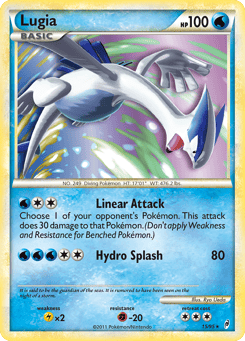 |
Lugia #15/95 Call of Legends (2011) |
$168.45 | $10,178 | 60.4× |
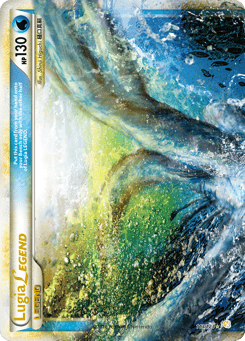 |
Lugia LEGEND #113/123 HeartGold & SoulSilver (2010) |
$365.00 | $9,891 | 27.1× |
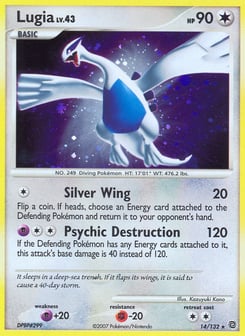 |
Lugia #14/132 Secret Wonders (2007) |
$187.00 | $8,600 | 46× |
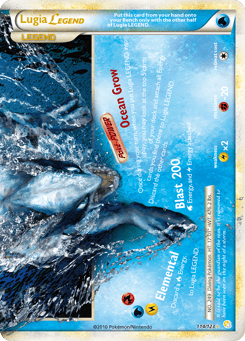 |
Lugia LEGEND #114/123 HeartGold & SoulSilver (2010) |
$321.99 | $8,227 | 25.6× |
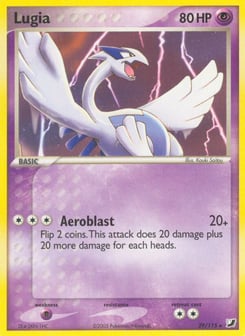 |
Lugia #29/115 Unseen Forces (2005) |
$400.00 | $4,762 | 11.9× |
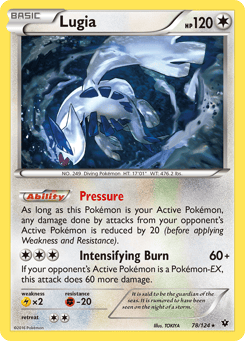 |
Lugia #78/124 Fates Collide (2016) |
$18.54 | $2,464 | 132.9× |
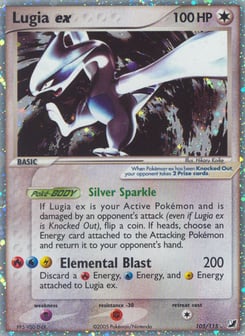 |
Lugia ex #105/115 Unseen Forces (2005) |
$103.50 | $2,157 | 20.8× |
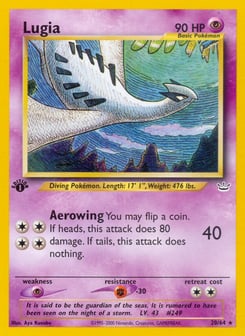 |
Lugia #20/64 Neo Revelation (2001) |
$118.31 | $1,752 | 14.8× |
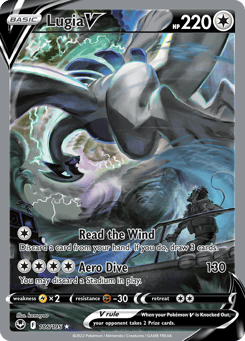 |
Lugia V #186/195 Silver Tempest (2022) |
$525.22 | $1,449 | 2.8× |
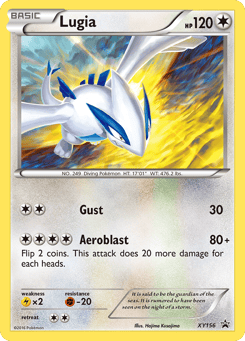 |
Lugia #XY156 XY Black Star Promos (2013) |
$48.69 | $1,177 | 24.2× |
Look up any card's current raw and graded value in Midpoint — and get an estimated grade before you pay to submit.
1. Aquapolis Lugia 1st Edition Holo: The Crown Jewel
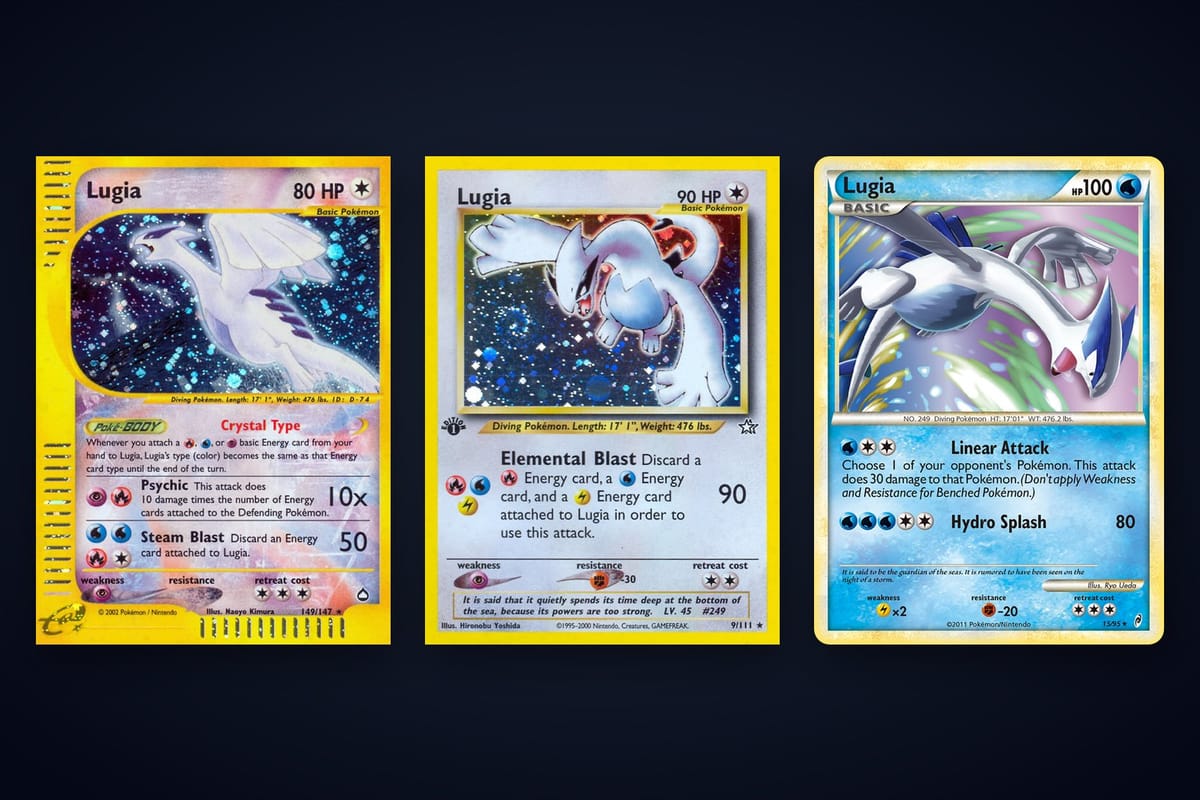
The Aquapolis Lugia 1st Edition Holo card is often regarded as one of the most valuable Lugia cards in the Pokémon TCG community. Raw copies may sell for around $150 as of 2026-08-11, while PSA 10 graded cards can command prices upwards of $3,200. The rarity of the Aquapolis set combined with the 1st Edition stamp and holofoil finish contributes to its desirability among collectors.
Because this card is scarce in top condition, grading centers report relatively low populations of PSA 10 grades, which can drive prices higher. The Aquapolis artwork features Lugia soaring over stormy seas, a classic image appreciated by fans.
- Look for a crisp holo pattern with minimal surface scratches.
- Check centering carefully—off-center cards may lose significant value.
- 1st Edition stamp on the lower left corner is an important feature.
2. Neo Genesis Lugia 1st Edition Holo: Early Iconic Variant
Neo Genesis was the first set to introduce Lugia, making its 1st Edition holo card a sought-after collectible. Raw cards typically value around $120, with PSA 10 examples potentially commanding $2,800 or more. The combination of early print scarcity and Lugia’s popularity helps maintain demand for this card.
Collectors prize the clean holographic shine and sharp edges of this card. Unlimited edition versions are generally less valuable but remain desirable, especially if graded highly.
- Check for the 1st Edition circular stamp near the text box.
- Surface wear and scratches can significantly reduce value.
- Centering within approximately 60/40 or better is often necessary for top grades.
3. Neo Genesis Lugia Unlimited Holo: Affordable Entry Point
The unlimited edition of the Neo Genesis Lugia holo card offers collectors a more affordable way to own a classic Lugia. Raw values are around $80, with PSA 10 copies reaching about $950. Although less rare than 1st Edition versions, these cards still hold nostalgic and collector interest.
Due to higher print runs, supply is greater and prices are generally lower. However, condition remains important as raw cards can vary widely in quality.
- Check for the absence of the 1st Edition stamp.
- Look for minimal edge whitening and clean corners for better grading.
- Holo pattern should be vibrant with no surface scratches.
4. Legendary Collection Lugia Reverse Holo: Mid-Tier Value
From the Legendary Collection, Lugia reverse holo cards offer a unique foil effect that appeals to collectors. Raw values start near $40, with PSA 10 cards potentially selling for about $650. This set is popular among players and collectors for its distinctive reverse holo styling.
Because reverse holo cards can show wear more easily, condition is critical. Grading centers often see fewer PSA 10 submissions due to the foil layer’s fragility.
- Inspect for scratches and scuffs on the holo surface.
- Centering impacts value but may be less critical than surface condition.
- Authenticity can be verified by set number and artwork details.
5. Pokémon XY Lugia EX Full Art: Modern Collectible
The XY series introduced full art EX cards, including a Lugia EX. These modern cards are generally less scarce than older prints but remain popular. Raw cards sell for about $30, and PSA 10 versions may go for roughly $450.
Modern cards often have more forgiving grading standards for centering but still require pristine corners and surfaces to maximize value.
- Look for vibrant colors and no edge whitening.
- Surface scratches are common, so handle carefully.
- Full art design with dynamic pose adds collector appeal.
6. Silver Tempest Lugia VSTAR Alternate Art: High-End New Release
The Silver Tempest Lugia VSTAR alternate art card is among the notable new Lugia cards. Raw cards list near $75, while PSA 10 graded examples can reach around $1,200. Its recent release means population reports are still emerging, but demand appears strong among competitive and collector markets.
Alternate art variants typically command premium prices due to unique art and limited print runs.
- Focus on perfect centering to secure high grades.
- Check for surface gloss and absence of scratches.
- Alt art details make it stand out in any collection.
7. Neo Genesis Lugia Promo Card: Collector’s Gem
Promo Lugia cards from Neo Genesis promotions are less common than many expect. The raw value is around $45, with PSA 10 cards potentially commanding $700. These cards often have distinct artwork and are prized by collectors who specialize in promos.
Because promo cards vary widely in condition, grading can help establish market value.
- Verify promo stamp and set number to confirm authenticity.
- Look for sharp edges and minimal surface wear.
- Centering can be slightly off without destroying value, but PSA 10 prefers near-perfect.
8. How Condition and Grading Impact Lugia Card Value
Condition is a major factor influencing the value of any Lugia card. Raw cards can range from heavily played to mint, and grading companies like PSA, BGS, CGC, and TAG provide standardized assessments that can increase value significantly for high grades.
Centering is often a key factor between a PSA 9 and PSA 10—cards centered within approximately 55/45 or better on all edges usually qualify for the top grade. Surface scratches, edge whitening, and corner wear also heavily impact grading.
Using a digital grading tool like Midpoint can help measure centering precisely and estimate your card’s grade before submitting it for professional grading.
9. Identifying Your Lugia Card by Set and Edition
Knowing your Lugia card’s set and edition is important for understanding its value. Early sets like Neo Genesis and Aquapolis have 1st Edition stamps on the left side of the card with a circular “1” inside a box. Unlimited editions lack this stamp.
Spot holo vs reverse holo by the foil pattern: holo cards have a shiny background behind the artwork, while reverse holo cards have a shiny foil border around a non-holo center.
Promo cards usually have a “Promo” stamp and unique artwork. Modern VSTAR and alternate art cards feature dynamic full art illustrations and specific set logos.
10. Japanese vs English Lugia Cards: Value Differences
Japanese Lugia cards have a dedicated collector base but often trade below English PSA 10 values, especially for early sets. For example, a Japanese Neo Genesis Lugia 1st Edition holo may sell for a lower percentage of the English equivalent.
However, some Japanese promos or limited prints can approach English prices depending on rarity and condition. Always compare recent sales on marketplaces and price guides before deciding which version to buy or sell.
Conclusion
Identifying which Lugia cards are worth money requires understanding the card’s set, edition, condition, and grading. The most valuable Lugia cards tend to come from early sets like Aquapolis and Neo Genesis 1st Edition holos, with PSA 10 grades commanding premium prices. Modern alt art and VSTAR variants also hold value but generally at lower price points.
Condition and centering remain critical factors—small differences can affect value significantly. Leveraging tools like Midpoint for pre-grading and centering measurement can help collectors avoid costly grading mistakes and better assess their cards’ value.
FAQ
Q: How much is a Lugia Pokémon card worth?
A: Values vary widely by set, edition, and condition. For example, an Aquapolis Lugia 1st Edition Holo raw card may be around $150, while PSA 10 copies can exceed $3,200 as of 2026-08-11. Early Neo Genesis 1st Edition holos also fetch higher prices.
Q: What is the rarest Lugia card?
A: The Aquapolis Lugia 1st Edition Holo is often considered among the rarest and most valuable Lugia cards due to low print runs and collector demand. Neo Genesis 1st Edition holos are also rare and prized.
Q: Is my Lugia card from Neo Genesis or Aquapolis worth money?
A: Yes, especially if it’s a 1st Edition holo card in good condition. Unlimited editions and promos from these sets have value too but generally less. Grading can help confirm and boost value.
Q: How do I tell if my Lugia card is 1st Edition?
A: Look for a circular “1” inside a box located on the left side of the card, near the Pokémon image or text box. Absence of this mark indicates an unlimited edition.
Q: What Lugia cards are worth grading?
A: Cards with potential for PSA 9 or 10 grades, especially 1st Edition holos from Aquapolis and Neo Genesis, plus modern alt art VSTAR Lugia cards. Use centering tools like Midpoint to assess before submitting.
Q: Are Japanese Lugia cards worth more than English cards?
A: Usually, English Lugia cards have higher market values, particularly for early sets. Some Japanese promos or limited variants may approach English card values depending on rarity.
Free to start
Try the Midpoint app
Grade any card from a photo, see its raw and PSA 10 value, and track what your collection is worth — free.
Get it on iPhoneGet it on Android