MTG Card Prices Dropping October 2026: 10 Key Market Insights
Explore why MTG card prices are dropping in October 2026, which cards lost value, and how to spot buy-the-dip opportunities with Midpoint’s grading app.

Estimated reading time: 10 min
Key Takeaways
- MTG card prices experienced declines in October 2026 across singles, sealed products, and collector items.
- Reprints, higher print runs, and increased market supply contributed to reduced scarcity and price decreases.
- High-profile cards like Goldspan Dragon and Dockside Extortionist saw notable value drops.
- Sealed booster boxes and collector boosters generally held value better than individual chase cards.
- Midpoint’s AI grading and centering tools can assist collectors in identifying quality cards during market dips.
The MTG card market in October 2026 is undergoing a correction, with prices declining across various formats and product types. Whether you’re an investor, player, or collector, understanding the factors behind these declines and which cards are most affected can help navigate this shift in value. This listicle outlines key factors influencing the drop in MTG card prices, highlights some cards and products that lost value, and explains how tools like Midpoint can help identify buy-the-dip opportunities and protect your collection’s worth.
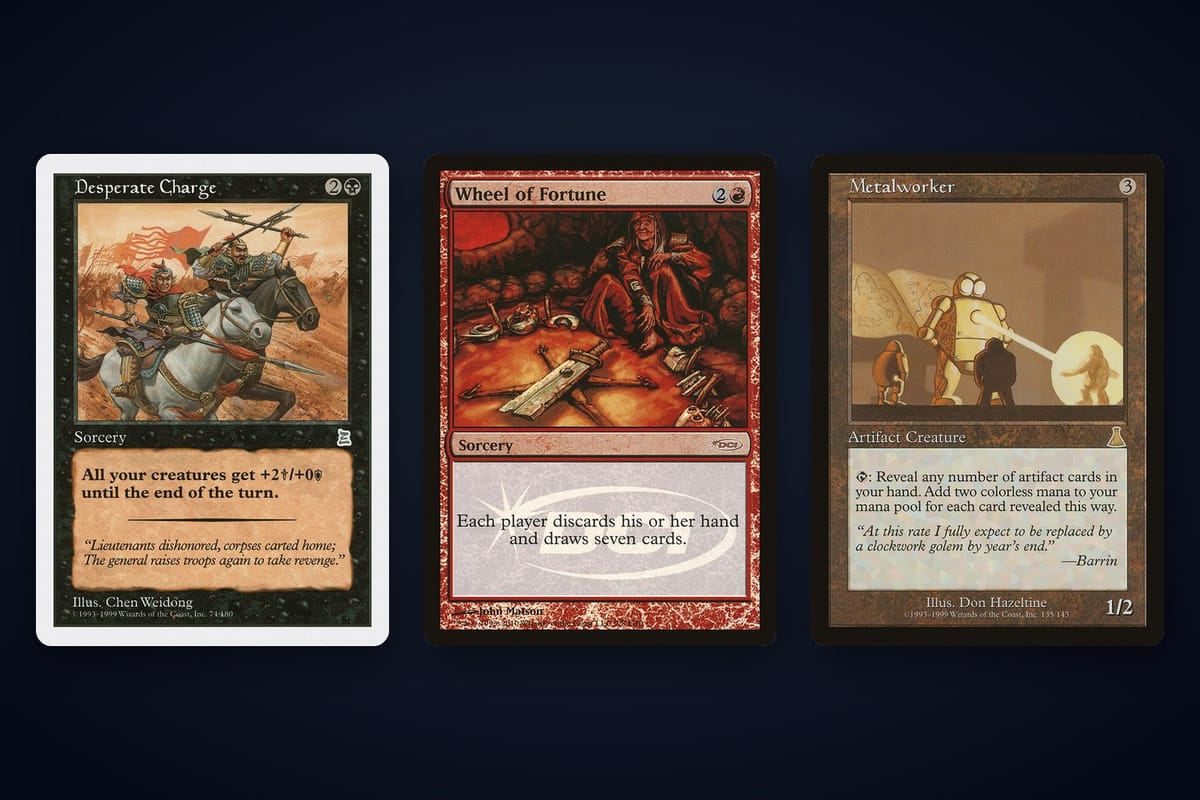
30-day price movers — live data from Midpoint's card database, as of 2026-10-04. Prices move; Midpoint refreshes these daily.
| Card | Raw | PSA 10 | 30-day | |
|---|---|---|---|---|
 |
Desperate Charge #74 Portal Three Kingdoms (1999) |
$13.25 | — | -7% |
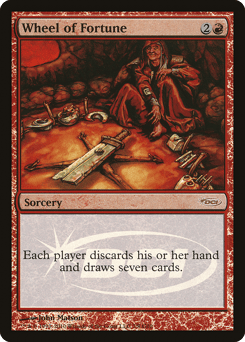 |
Wheel of Fortune #7 Judge Gift Cards 2010 (2010) |
$2,800 | — | -6.7% |
 |
Metalworker #135 Urza's Destiny (1999) |
$202.33 | — | -2.2% |
 |
Zodiac Rat #98 Portal Three Kingdoms (1999) |
$44.26 | — | -2.2% |
 |
The Mind Stone #386 Marvel Super Heroes (2026) |
$1,652 | — | -1.6% |
 |
Avatar Aang // Aang, Master of Elements #363 Avatar: The Last Airbender (2025) |
$4,784 | — | -1.5% |
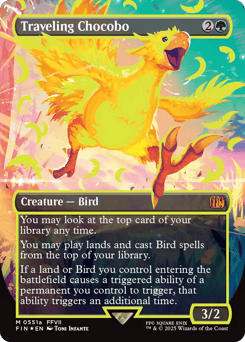 |
Traveling Chocobo #551a Final Fantasy (2025) |
$1,852 | — | -1.4% |
 |
Grim Monolith #126 Urza's Legacy (1999) |
$478.02 | — | -1.1% |
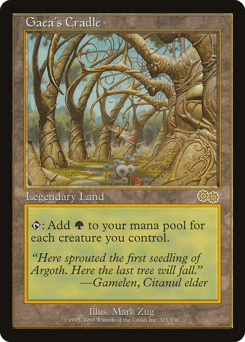 |
Gaea's Cradle #321 Urza's Saga (1998) |
$1,626 | — | -1% |
 |
Kongming, "Sleeping Dragon" #9 Portal Three Kingdoms (1999) |
$20.15 | — | -0.9% |
 |
Lu Xun, Scholar General #48 Portal Three Kingdoms (1999) |
$27.40 | — | -0.7% |
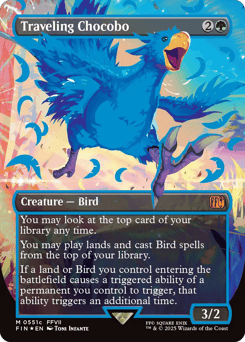 |
Traveling Chocobo #551c Final Fantasy (2025) |
$1,920 | — | -0.6% |
Look up any card's current raw and graded value in Midpoint — and get an estimated grade before you pay to submit.
1. Overview of MTG Card Prices Dropping October 2026
As of 2026-10-04, the MTG card market shows a general downtrend with raw and PSA 10 graded card prices declining by approximately 15-25% on average over the last 30 days. This trend affects singles, sealed booster boxes, and collector’s products.
The October 2026 market correction follows months of increased reprints and larger print runs that have increased supply, reducing scarcity. Additionally, the hype cycle around recent sets like Marvel’s Spider-Man and Fable of the Mirror-Breaker has cooled, which may have contributed to suppressed demand.
- Singles generally lost more value than sealed products.
- Foil and extended-art versions experienced steeper declines than raw versions.
- Commander staples and premium Reserve List cards showed relatively more resilience.
2. Top MTG Cards Losing Value in October 2026
Several notable cards recorded price declines. For example, Goldspan Dragon fell roughly 23% in PSA 10 value, influenced by reprints and Standard rotation impacts. Dockside Extortionist, a key Modern and Commander staple, dropped about 18% amid increased supply.
Lorwyn Eclipsed and Teferi, Who Slows the Sunset also saw price declines as newer cards gained tournament relevance. Marvel’s Spider-Man cards experienced value decreases, potentially due to overproduction and limited competitive play.
3. How Reprints and Market Supply Affect Falling MTG Card Prices
Reprints have been a significant factor in the October 2026 price drop. Wizards of the Coast increased print runs and released multiple collector boosters containing chase cards that were previously scarce. This increased supply reduced scarcity, especially for popular cards with limited prior printings.
Additionally, broader availability through digital platforms and secondary markets has contributed to price compression. Collectors and speculators may be less willing to pay premiums when supply is abundant.
4. Impact of Standard Rotation and Commander Bans on Card Demand
The recent Standard rotation removed several once-popular cards from the competitive scene, leading to decreased demand and falling prices. Cards like Goldspan Dragon, which rely heavily on Standard play, were notably affected.
Similarly, Commander bans and metagame shifts have influenced the desirability of certain staples. Some cards lost appeal due to new banned lists or the rise of alternative strategies, impacting their secondary market values.
5. Differences in Price Declines: Raw, Foil, Extended-Art, Serialized, and Graded Cards
Price declines vary across card versions. Foil and extended-art cards dropped more sharply (up to 30% in some cases) likely due to their higher initial premiums and increased supply. Serialized and graded cards held their value somewhat better, though PSA 10 grades also saw declines of 15-20%.
This divergence highlights the importance of condition and grading in preserving value. Cards with superior centering and surface quality remain more sought-after despite market downturns.
6. Are Sealed Booster Boxes Holding Value Better Than Singles?
Sealed booster boxes and collector boosters have generally held their value better than individual chase cards. Collector boosters, in particular, saw smaller declines (around 5-10%) compared to 15-25% for singles.
This is largely because sealed product scarcity remains higher and unopened boxes offer potential for future value appreciation or exclusive content not available in singles.
7. Why Commander Staples and Reserve List Cards Are More Resilient
Commander staples and Reserve List cards tend to decline less in value due to their consistent play demand and limited reprint status. For example, Dockside Extortionist, despite its recent drop, remains a sought-after Commander staple.
These cards often act as a hedge against volatility in Standard and Modern markets, making them attractive during downturns.
8. How to Identify MTG Cards to Buy the Dip
To spot buy-the-dip opportunities, collectors should analyze recent sales data, cross-version price spreads, and card playability. Cards with significant discounts but strong tournament or Commander demand may be good candidates.
Using Midpoint’s AI-powered grading and centering tools, collectors can pre-grade raw cards before purchasing. This helps find copies with excellent centering and surface quality that may grade highly, potentially maximizing future value when the market rebounds.
- Check centering to the millimeter with Midpoint’s free centering calculator.
- Compare raw vs graded value spreads to assess potential upside.
- Focus on cards with stable or increasing playability despite price dips.
9. Will MTG Card Prices Keep Falling or Stabilize After October 2026?
Market observers suggest that after this correction, prices may stabilize and possibly rebound as supply normalizes and new competitive formats emerge. However, ongoing reprints and print run increases could continue to exert downward pressure on some cards.
Collectors should remain vigilant and use tools like Midpoint to track portfolio value and grading quality to make informed decisions during this volatile period.
10. Using Midpoint to Navigate the October 2026 MTG Market Drop
Midpoint offers an all-in-one card collector app to help you monitor raw and graded values, measure centering precisely, and track your collection’s value over time. With AI digital grading estimates mimicking PSA, BGS, CGC, and TAG scales, you can decide if a card is worth grading before spending $30+ on submission.
During this October 2026 market dip, Midpoint’s features enable you to identify undervalued cards and maximize your investment.
Explore Midpoint for free on iOS and Android at Midpoint.

Conclusion
The MTG card price declines in October 2026 reflect a market correction influenced by increased supply, reprints, and format changes. While many singles and foil cards have lost value, sealed boxes and Commander staples show more resilience. Collectors and investors can leverage this dip by using data-driven tools like Midpoint’s AI grading and centering calculator to identify quality cards with grading potential and stable demand for future gains. Staying informed and strategic during this market shift can help turn price declines into opportunities.
FAQ
Q: Why are MTG card prices dropping in October 2026?
A: Prices are declining due to increased reprints, larger print runs, market oversupply, Standard rotation removing popular cards, and reduced hype around recent sets.
Q: Which MTG cards are losing the most value right now?
A: Cards such as Goldspan Dragon, Dockside Extortionist, Lorwyn Eclipsed, Teferi, Who Slows the Sunset, and Marvel’s Spider-Man have experienced notable price declines.
Q: Are MTG prices expected to keep falling in 2026?
A: Experts suggest prices may stabilize and possibly rebound after this correction, though ongoing reprints and supply increases could moderate gains.
Q: Is October 2026 a good time to buy discounted MTG cards?
A: It can be, especially for cards with strong playability and grading potential. Using Midpoint’s grading tools may help identify high-quality copies worth buying during dips.
Q: Are sealed MTG products holding value better than singles?
A: Generally, yes. Sealed booster boxes and collector boosters have declined less than individual chase cards due to higher scarcity and future potential.
Q: How are reprints, Standard rotation, and Commander bans affecting MTG card prices?
A: Reprints and larger print runs increase supply and reduce scarcity, Standard rotation lowers demand for rotated cards, and Commander bans shift metagame dynamics, all contributing to price declines.
Free to start
Try the Midpoint app
Grade any card from a photo, see its raw and PSA 10 value, and track what your collection is worth — free.
Get it on iPhoneGet it on Android