MTG Card Prices Dropping October 2026: What Collectors Should Know
Explore why MTG card prices are dropping in October 2026 and how to spot the best buying opportunities with actionable tips from Midpoint.

Estimated reading time: 8 min
Key Takeaways
- MTG card prices experienced declines in October 2026, influenced by increased supply and changing market interest.
- Recent sets like Marvel’s Spider-Man and Lorwyn Eclipsed saw notable price decreases.
- Singles and booster boxes are affected differently; sealed products often show smaller declines than chase cards.
- Metagame shifts and format demand influence card values in Standard, Commander, and Modern.
- Using AI tools like Midpoint can help collectors pre-grade and make informed buying decisions during market dips.
The Magic: The Gathering (MTG) card market in October 2026 has seen price adjustments affecting both raw and graded cards. Understanding the factors behind these changes and how to navigate this market phase is important for collectors and investors alike. This guide breaks down key influences on MTG card prices in October 2026 and highlights specific cards and product types impacted. Additionally, it offers strategies to track and leverage price movements using tools like Midpoint for AI-based grading and portfolio insights.
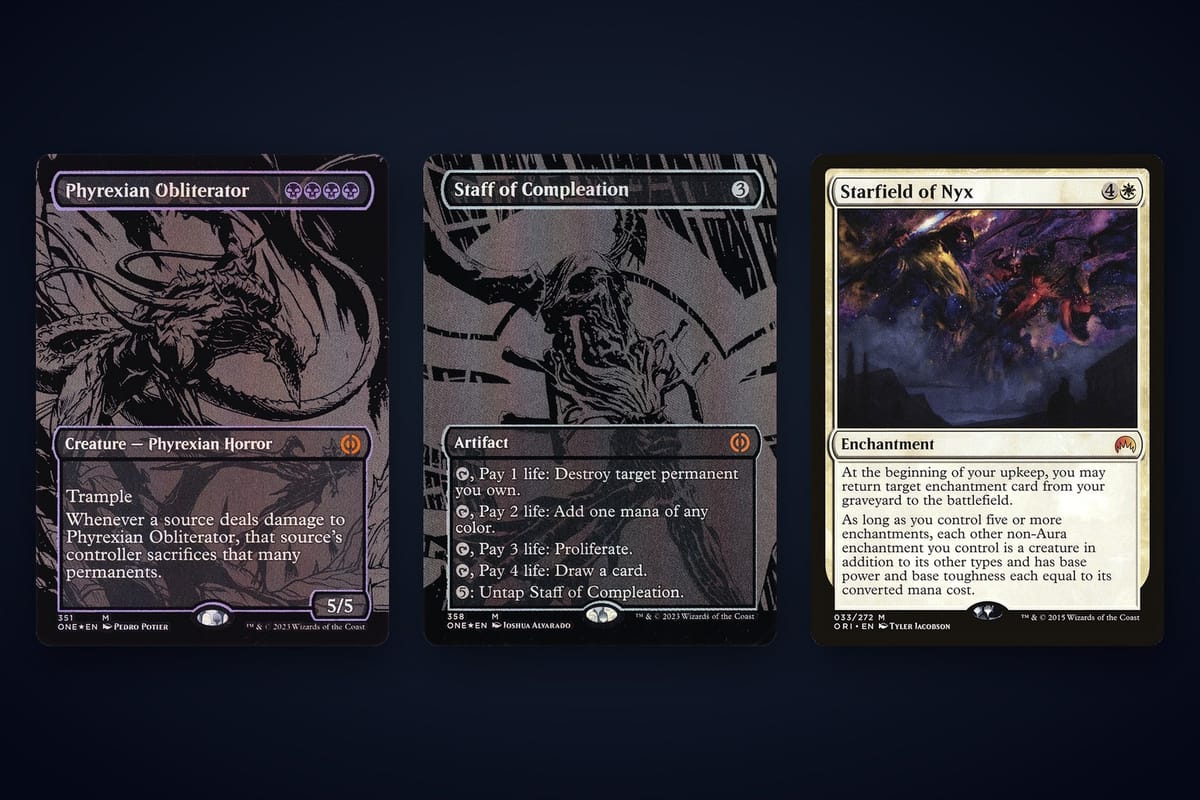
30-day price movers — live data from Midpoint's card database, as of 2026-09-13. Prices move; Midpoint refreshes these daily.
| Card | Raw | PSA 10 | 30-day | |
|---|---|---|---|---|
 |
Phyrexian Obliterator #351 Phyrexia: All Will Be One (2023) |
$45.03 | — | -4.3% |
 |
Staff of Compleation #358 Phyrexia: All Will Be One (2023) |
$37.33 | — | -4% |
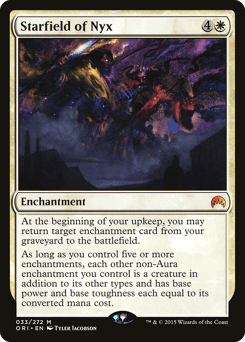 |
Starfield of Nyx #33 Magic Origins (2015) |
$70.29 | — | -4% |
 |
Sword of Forge and Frontier #244 Phyrexia: All Will Be One (2023) |
$11.47 | — | -3% |
 |
The Mind Stone #386 Marvel Super Heroes (2026) |
$1,652 | — | -2.3% |
 |
Vraska, Betrayal's Sting #337 Phyrexia: All Will Be One (2023) |
$18.88 | — | -1.9% |
 |
Vraska, Betrayal's Sting #361 Phyrexia: All Will Be One (2023) |
$20.07 | — | -1.8% |
 |
All Will Be One #352 Phyrexia: All Will Be One (2023) |
$52.14 | — | -1.4% |
 |
Brainstealer Dragon #127 Outlaws of Thunder Junction Commander (2024) |
$10.93 | — | -1% |
 |
Alhammarret's Archive #221 Magic Origins (2015) |
$47.20 | — | -0.9% |
 |
Tyrranax Rex #355 Phyrexia: All Will Be One (2023) |
$19.70 | — | -0.9% |
 |
Solphim, Mayhem Dominus #312 Phyrexia: All Will Be One (2023) |
$29.72 | — | -0.5% |
Look up any card's current raw and graded value in Midpoint — and get an estimated grade before you pay to submit.
1. October 2026 Overview: Market-Wide Price Changes
Over the past 30 days, MTG card prices have generally softened. This cooling affects singles, sealed booster boxes, and special products like Collector and Play Boosters. For example, Marvel’s Spider-Man set singles have declined by approximately 18% in raw value, while Lorwyn Eclipsed reprints saw decreases around 22% as of 2026-09-13.
Sealed products, including Collector Boosters from recent sets, also show price corrections, though often less severe, typically in the 8-12% range. This trend aligns with common market reactions following initial hype and presale pricing adjustments.
- Marvel’s Spider-Man singles raw prices down about 18%
- Lorwyn Eclipsed reprints down about 22%
- Collector Booster boxes down roughly 10%
This data reflects market responses to increased supply and waning hype after recent set launches.
2. Supply Factors: Reprints and Increased Print Runs
A significant factor contributing to price changes in October 2026 is the increased number of reprints across multiple sets. The Lorwyn Eclipsed and Avatar: The Last Airbender sets have had notable reprint runs, increasing availability of chase cards and staples and affecting scarcity.
Secret Lair releases and special promotional printings have also added to supply, influencing prices. For collectors, this means some cards that previously commanded high premiums due to rarity are now more accessible, which can impact short-term value.
- Frequent reprints reduce scarcity and collector urgency
- Expanded Secret Lair offerings introduce alternate art versions, potentially dividing demand
- Higher print runs of standard and popular cards ease market tightness
3. Format Demand: Which Formats Influence Price Changes?
Format popularity remains a key factor in price dynamics. Commander staples tend to be relatively stable, but some Standard cards from recent sets have declined due to rotation and metagame shifts. Modern and Pioneer saw less pronounced impacts, though competitive staples not seeing play may experience declines.
For example, some Standard rares and mythics from 2026 sets dropped 15-20% as rotation reduced their tournament viability. Meanwhile, Commander favorites with consistent demand experienced milder declines or remained stable.
- Standard rotation contributed to declines in select cards
- Commander demand cushions prices for many popular cards
- Modern and Pioneer staples are generally more resilient but can be affected
4. Metagame Shifts, Bannings, and Rotation Effects
Changes in tournament rules, bannings, and new set releases impact card prices. In October 2026, several bannings in Standard and Pioneer formats reduced demand for certain cards, contributing to price declines. Additionally, rotation out of Standard caused many 2025 and early 2026 cards to lose value.
Players and collectors often respond by selling these cards, increasing supply and putting further pressure on prices. Monitoring official announcements and metagame trends is important to anticipate these effects.
- Bannings triggered sell-offs in some Standard cards
- Rotation lessened demand for older Standard sets
- New set releases redirected interest and spending
5. Differences in Card Versions: Foil, Showcase, Borderless, and More
Price changes are not uniform across card variants. Foils, showcases, borderless, extended-art, and serialized versions behave differently. For example, serialized and extended-art cards often retain value better due to collector appeal, while regular foils may decline more sharply due to oversupply.
Understanding these nuances helps collectors decide where to buy the dip or hold. Some alternate versions, despite price declines, remain worthwhile investments given their rarity and demand in secondary markets.
- Serialized and extended-art cards tend to drop less than regular foils
- Borderless versions fluctuate based on set popularity
- Standard foils may lose value faster with increased print runs
6. Condition, Rarity, and Print Run: Impact on Price Changes
Card condition and rarity continue to be key factors in price stability during market adjustments. Cards with low print runs and pristine condition, especially PSA 10 or high BGS grades, tend to maintain higher prices. Conversely, heavily played or raw cards often experience steeper declines.
Midpoint’s AI grading and centering measurement can assist collectors in identifying undervalued copies with premium grading potential before submitting to PSA or BGS. This approach may help maximize returns even when overall market prices are falling.
- High-grade cards generally retain more value amid market dips
- Low print run cards often see smaller price corrections
- AI-based pre-grading tools can reduce grading risk and cost

7. Are Current Price Changes a Buying Opportunity?
Falling MTG card prices can present opportunities to buy the dip, especially for cards expected to rebound with renewed demand. Collectors may target key staples in Commander or Modern that are temporarily undervalued due to short-term hype loss.
However, caution is advised, as some cards may continue declining if supply remains high or format demand fades. Using tools like Midpoint to analyze centering and estimate grading can help identify undervalued cards with strong long-term potential.
- Look for cards with strong format relevance and limited supply
- Use AI grading estimates to spot undervalued high-grade copies
- Monitor market data to time purchases and sales effectively
8. How to Track MTG Prices and Make Smart Decisions
Tracking MTG prices requires reliable data sources and understanding market dynamics. Midpoint’s portfolio tracking feature offers real-time updates on your collection’s value, comparing raw and graded prices across 250,000+ cards.
Combined with market news on bannings, rotations, and reprints, this insight supports smarter decisions about when to sell, hold, or buy. Staying informed and using AI grading tools can help protect investments during volatile periods like October 2026.
- Use Midpoint’s portfolio tracker for collection valuation over time
- Follow metagame and format news impacting demand
- Leverage AI tools to pre-grade before investing in grading services
Conclusion
October 2026’s MTG card price adjustments reflect typical market corrections driven by supply increases, reprints, and shifting demand across formats. While many cards have declined recently, informed collectors can use these dips to acquire valuable staples and graded copies at better prices.
Using Midpoint’s AI grading estimates and portfolio tracking offers a strategic advantage in navigating this dynamic landscape, minimizing grading risks, and maximizing long-term returns. Whether you’re looking to buy the dip or decide which cards to hold, informed decisions backed by data and AI tools are important for success in the evolving MTG market.
FAQ
Q: Why are MTG card prices changing in October 2026?
A: Prices are influenced by increased supply from reprints, larger print runs, fading hype after recent set releases, and metagame shifts including bannings and rotation.
Q: Which MTG cards are losing the most value right now?
A: Chase cards from Marvel’s Spider-Man and Lorwyn Eclipsed sets have seen notable declines, with raw prices dropping up to around 22% as of 2026-09-13.
Q: Are MTG prices expected to keep falling in 2026?
A: Some cards may continue to decline if supply outpaces demand or if they lose format relevance, but others with strong playability or rarity could stabilize or rebound.
Q: Is October 2026 a good time to buy cheap MTG cards?
A: October can be a good opportunity to buy undervalued cards, especially when using tools like Midpoint to identify high-quality copies before grading.
Q: Why are Collector Booster prices dropping while some MTG singles are rising?
A: Collector Boosters may face price pressure from oversupply and reprints, while certain singles holding format demand or rarity may increase despite overall market declines.
Q: Which MTG cards are safest to hold despite the current price decline?
A: Cards with low print runs, strong Commander or Modern demand, and high-grade versions tend to hold value better during market downturns.
Free to start
Try the Midpoint app
Grade any card from a photo, see its raw and PSA 10 value, and track what your collection is worth — free.
Get it on iPhoneGet it on Android