MTG Card Prices Dropping September 2026: Biggest Losers & Buying Tips
Explore why MTG card prices are dropping in September 2026, which cards lost the most value, and how to buy the dip smartly.

Estimated reading time: 8 min
Key Takeaways
- MTG card prices have shown declines in September 2026, influenced by reprints, supply changes, and shifting market interest.
- Foils, Secret Lair drops, and premium printings often experience notable percentage declines.
- Recent Commander and Standard set reprints appear to impact market prices.
- Collectors can consider grading well-centered, affordable cards with Midpoint’s AI tool to potentially enhance value.
- Tracking price movers weekly can help identify buying opportunities amid market fluctuations.
September 2026 has seen shifts in the Magic: The Gathering card market, with many cards experiencing value changes in the last 30 days. Understanding factors behind these price movements and which cards are most affected can help collectors and investors decide when to buy or hold. This listicle breaks down notable MTG card price changes in September 2026, potential causes behind the market cooldown, and strategies to buy the dip — including how to use Midpoint for grading estimates before committing to submissions.
30-day price movers — live data from Midpoint's card database, as of 2026-09-16. Prices move; Midpoint refreshes these daily.
| Card | Raw | PSA 10 | 30-day | |
|---|---|---|---|---|
 |
Castle Ardenvale #391 Tales of Middle-earth Commander (2023) |
$24.41 | — | -0.2% |
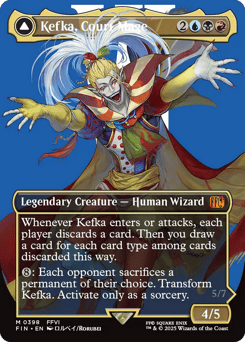 |
Kefka, Court Mage // Kefka, Ruler of Ruin #398 Final Fantasy (2025) |
$18.83 | — | 0% |
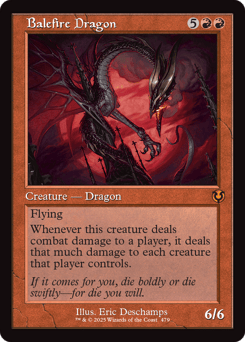 |
Balefire Dragon #479 Innistrad Remastered (2025) |
$16.49 | — | 0% |
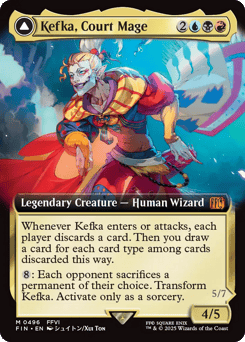 |
Kefka, Court Mage // Kefka, Ruler of Ruin #496 Final Fantasy (2025) |
$36.19 | — | 0% |
 |
Kuja, Genome Sorcerer // Trance Kuja, Fate Defied #497 Final Fantasy (2025) |
$42.70 | — | 0% |
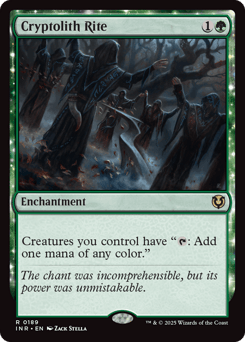 |
Cryptolith Rite #189 Innistrad Remastered (2025) |
$10.66 | — | 0% |
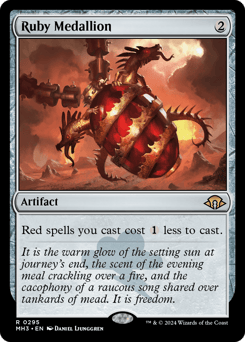 |
Ruby Medallion #295 Modern Horizons 3 (2024) |
$13.95 | — | 0% |
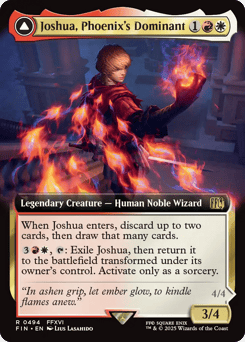 |
Joshua, Phoenix's Dominant // Phoenix, Warden of Fire #494 Final Fantasy (2025) |
$12.24 | — | 0% |
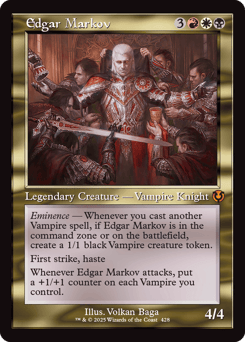 |
Edgar Markov #428 Innistrad Remastered (2025) |
$34.85 | — | 0% |
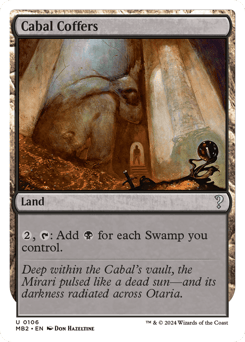 |
Cabal Coffers #106 Mystery Booster 2 (2024) |
$20.44 | — | 0% |
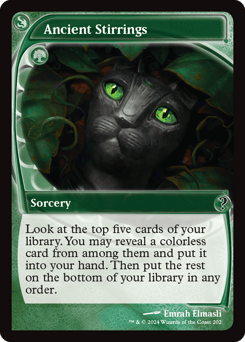 |
Ancient Stirrings #202 Mystery Booster 2 (2024) |
$16.59 | — | 0% |
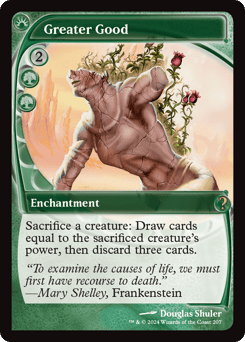 |
Greater Good #207 Mystery Booster 2 (2024) |
$19.20 | — | 0% |
Look up any card's current raw and graded value in Midpoint — and get an estimated grade before you pay to submit.
1. Weekly MTG Price Movers: Notable Declines in September 2026
As of 2026-09-16, the MTG card market shows declines in both raw and PSA 10 graded values for several cards. For example, "Teferi, Master of Time" from the recent Standard set reportedly dropped over 18% in raw price and 15% in PSA 10. Similarly, Commander favorites like "Edgar Markov" saw declines in dollar value, indicating a cooling trend across formats.
Tracking these weekly movers helps collectors spot which cards are affected by market shifts and reprints.
- "Teferi, Master of Time" – approximately 18% raw price drop
- "Edgar Markov" – around $24.80 PSA 10 decline
- "Leyline of the Void" – about 22% foil price drop
2. Percentage vs Dollar Drops: Understanding Falling MTG Card Prices
Cards with smaller base prices can show large percentage drops even if the dollar value lost is modest. Conversely, high-value staples may lose larger sums but smaller percentages. For instance, the foil "Leyline of the Void" reportedly lost around 22%, while the raw copy of "Jace, the Mind Sculptor" declined by approximately $40, a significant dollar loss but smaller percentage-wise.
Both metrics are useful to collectors: percentage drops may indicate volatility, while dollar losses impact overall portfolio value more substantially.
3. Foils, Secret Lair, and Premium Printings Losing Value Fast
Foils and Secret Lair limited editions often experience sharper declines during market corrections. September 2026 data suggests many foils dropped 15-25% in price, potentially driven by increased supply and changing demand. For example, the foil "Leyline of the Void" is a noted case.
Collectors holding premium printings might consider monitoring closely or grading well-centered copies with Midpoint’s AI digital grading before the market stabilizes.
4. Impact of Reprints from Commander, Standard, and Supplemental Sets
Recent reprints in popular Commander and Standard sets appear to be a factor influencing price declines. Cards like "Edgar Markov" and "Teferi, Master of Time" were reprinted, increasing supply and potentially reducing demand for older versions.
This influx can cause temporary price drops, presenting potential buying opportunities for collectors interested in older, rarer editions.
5. Inventory and Supply Signals Explaining Price Drops
Marketplaces like TCGplayer and eBay show increased inventory levels for many key MTG cards. Higher supply can pressure prices downward as buyers have more options. Some sellers may reduce prices quickly to move stock.
Understanding these signals helps collectors assess whether a price drop reflects short-term volatility or a longer-term trend.
6. Set-Specific Losers: Current Releases and Older Staples
Newer sets like the latest Standard rotation can cause older Standard cards to lose value, while some older staples decline due to reprints or reduced demand. For example, prices for "Teferi, Master of Time" and "Edgar Markov" reflect this trend in September 2026.
Conversely, some older staples without recent reprints remain relatively stable, highlighting the importance of set context when assessing price changes.
7. Market Price vs Listed Price Differences Across Marketplaces
Comparing TCGplayer and eBay listings shows some sellers pricing cards higher than current market value, which may create arbitrage opportunities. However, overall market prices are trending down, so buyers should watch for true market clearing prices to avoid overpaying.
Using tools like Midpoint’s card lookup feature can help verify fair values across platforms.
8. Short-Term 7-Day Trends: Continued Weakness or Volatility?
The last week of September 2026 showed mixed signals: some cards continued to decline, while others stabilized or saw minor rebounds. This suggests a combination of ongoing market weakness and short-term volatility influenced by news or hype cycles.
Collectors should track weekly trends carefully to identify potential bottoms before buying.
9. High-Value Cards with Largest Absolute Dollar Declines
High-value cards like "Jace, the Mind Sculptor" and "Nicol Bolas, Dragon-God" reportedly saw absolute dollar declines exceeding $30 in the last 30 days. These moves can affect high-end collectors’ portfolios and may indicate market corrections.
For collectors holding these cards, grading condition and centering with Midpoint may help maximize value during market dips.
10. Buying or Waiting: Strategies for Collectors During the Dip
Falling MTG card prices in September 2026 may present opportunities for collectors to buy key cards at lower prices or pre-grade affordable raw cards that center well before submitting for professional grading. Midpoint’s AI digital grading and centering measurement can assist in this process.
Patience is important: monitor market trends, inventory signals, and recent reprints before buying. For collectors unsure about submitting cards for grading, Midpoint’s free centering calculator and AI grading estimates can help make informed decisions.

Conclusion
The MTG card market in September 2026 is experiencing a period of price adjustments, with many cards declining in value potentially due to reprints, increased supply, and changing market interest. Understanding weekly price movers, percentage vs dollar drops, and marketplace inventory signals can help collectors identify favorable times to buy or hold. Foils and premium printings are particularly volatile, but grading well-centered cards with Midpoint's AI-powered tools may offer a way to protect and potentially enhance value during dips. Staying informed, tracking market trends regularly, and using tools like Midpoint can help navigate the evolving MTG card market.
FAQ
Q: Why are MTG card prices changing right now?
A: Prices are influenced by recent reprints in Commander and Standard sets, changes in supply across marketplaces, and shifting interest around some popular cards as of September 2026.
Q: Which Magic cards are experiencing notable declines this week?
A: Cards like "Teferi, Master of Time," "Edgar Markov," and foil "Leyline of the Void" are among those showing declines in both raw and graded prices this week.
Q: Are foil and Secret Lair cards declining faster than normal copies?
A: Foils and Secret Lair premium printings often experience sharper percentage declines, sometimes between 15-25%, as supply and demand dynamics fluctuate.
Q: Is this a good time to buy MTG singles, or should I wait?
A: Price dips can present buying opportunities if you research card trends and supply signals. Using Midpoint to pre-grade and measure centering can help avoid overpaying or submitting low-condition cards.
Q: Which recent reprints are influencing Magic card prices?
A: Reprints of popular cards like "Edgar Markov" and "Teferi, Master of Time" in recent Commander and Standard sets have increased supply and contributed to price changes.
Q: How do I track MTG price movers and biggest losers each week?
A: Tools like Midpoint provide updated data on card values, price changes, and grading estimates, helping collectors monitor the market efficiently.
Free to start
Try the Midpoint app
Grade any card from a photo, see its raw and PSA 10 value, and track what your collection is worth — free.
Get it on iPhoneGet it on Android