MTG Card Prices Dropping September 2026: What Collectors Must Know
Explore why MTG card prices are dropping in September 2026, which cards lost value, and smart buying tips to navigate the market dip effectively.

Estimated reading time: 9 min
Key Takeaways
- MTG card prices are generally falling in September 2026, influenced by supply increases, reprints, and metagame shifts.
- Cards from recent Standard sets and some premium Secret Lair prints are among those seeing notable declines.
- Sealed product discounts tend to be less steep than singles price drops, potentially offering different buying opportunities.
- Collectors may benefit from grading well-centered cards using Midpoint’s AI tools before submitting to grading services.
- Late-September seasonality often corresponds with a buying window amid ongoing market softness.
The MTG card market in September 2026 is experiencing price declines that are affecting collectors and investors. Understanding why MTG card prices are dropping in September 2026 and which cards are seeing the largest decreases can help inform buying or selling decisions. Whether tracking raw or PSA 10 graded values, this market overview highlights key trends, set-specific challenges, and practical tips to navigate the current environment. Additionally, using Midpoint’s AI-assisted centering and condition tools may help maximize value during this period.

30-day price movers — live data from Midpoint's card database, as of 2026-08-23. Prices move; Midpoint refreshes these daily.
| Card | Raw | PSA 10 | 30-day | |
|---|---|---|---|---|
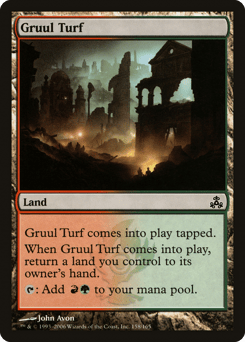 |
Gruul Turf #158 Guildpact (2006) |
$15.71 | — | 0% |
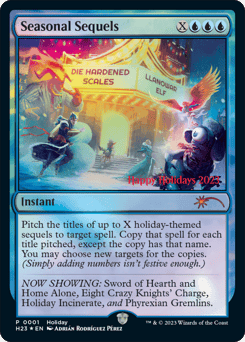 |
Seasonal Sequels #23 Happy Holidays (2006) |
$21.74 | — | 0% |
 |
Eggnogger's 'Stache #24 Happy Holidays (2006) |
$31.92 | — | 0% |
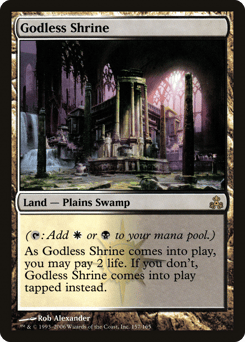 |
Godless Shrine #157 Guildpact (2006) |
$129.99 | — | 0% |
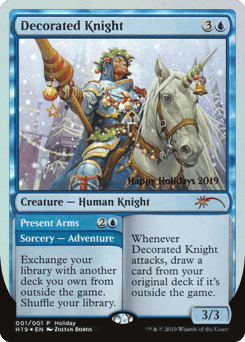 |
Decorated Knight // Present Arms #19 Happy Holidays (2006) |
$26.40 | — | 0% |
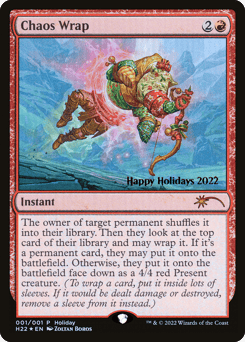 |
Chaos Wrap #22 Happy Holidays (2006) |
$21.01 | — | 0% |
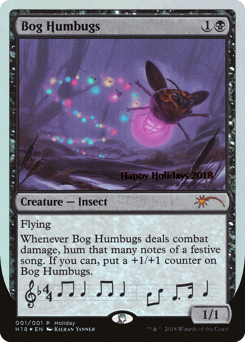 |
Bog Humbugs #18 Happy Holidays (2006) |
$32.42 | — | 0% |
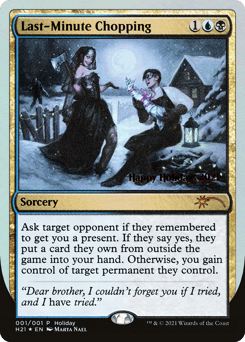 |
Last-Minute Chopping #21 Happy Holidays (2006) |
$30.40 | — | 0% |
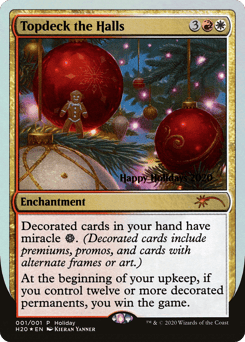 |
Topdeck the Halls #20 Happy Holidays (2006) |
$29.23 | — | 0% |
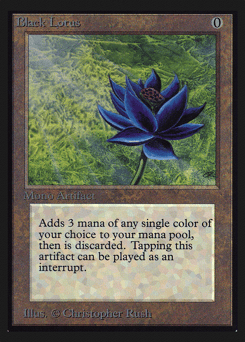 |
Black Lotus #233 Collectors' Edition (1993) |
$2,700 | — | 0% |
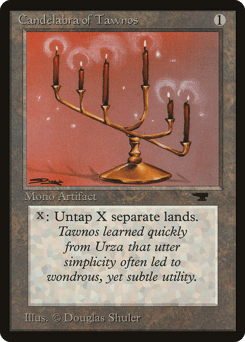 |
Candelabra of Tawnos #43 Antiquities (1994) |
$2,200 | — | 0% |
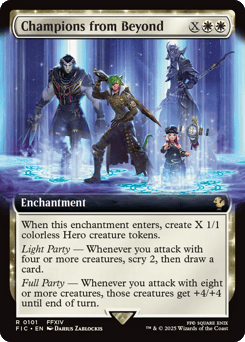 |
Champions from Beyond #101 Final Fantasy Commander (2025) |
$11.18 | — | 0% |
Look up any card's current raw and graded value in Midpoint — and get an estimated grade before you pay to submit.
1. Weekly MTG Price Losers: Which Cards Fell the Most?
In the 30 days ending August 23, 2026, several MTG cards have experienced notable price declines. For example, Luminous Broodmoth (Innistrad: Midnight Hunt) saw an estimated raw value drop around 18%, with PSA 10 copies declining approximately 12%. Similarly, Fable of the Mirror-Breaker from Kamigawa: Neon Dynasty decreased about 15% in raw value, reflecting shifts in Standard format demand.
Some Secret Lair premium prints have also declined, with certain limited-edition foils like Secret Lair: Commander Legends variants reportedly dropping 20% or more, possibly due to increased supply and reduced collector enthusiasm. This suggests that both regular set cards and premium releases are affected by current market conditions.
- Luminous Broodmoth: ~18% raw, ~12% PSA 10 decline
- Fable of the Mirror-Breaker: ~15% raw decline
- Secret Lair foils: ~20%+ price drop reported
2. Set-Specific Weakness: Standard and Non-Standard Impact
The September 2026 market shows weakness in cards from recent Standard sets such as Kamigawa: Neon Dynasty and Streets of New Capenna. This is influenced by format rotation and metagame changes following bannings and shifts. Non-Standard sets like Modern Horizons 3 also face some pressure as players and speculators adjust holdings.
Reprints spanning these sets may contribute to increased supply, which can affect demand for certain staples. For example, Bloodline Shaman from Streets of New Capenna reportedly declined roughly 14% in the last month, reflecting these dynamics.
- Standard staples from Kamigawa and New Capenna sets experiencing 10-18% declines
- Non-Standard Modern Horizons 3 cards also showing some weakening
- Bannings contributing to selloffs in popular archetypes
3. Secret Lair and Premium Printing Declines
Secret Lair cards, which previously attracted strong collector interest, have seen accelerated price declines relative to regular set cards. As supply stabilizes and novelty diminishes, limited runs of special art and foiling styles may no longer command premium pricing consistently.
This trend encourages some sellers to reduce prices, contributing to overall market softness. Owners of Secret Lair cards may want to carefully assess current market values and consider grading well-centered copies to help preserve value.
4. Ban Speculation and Metagame-Driven Selloffs
Recent bannings in Standard and historic formats have prompted some speculative selling. Cards previously central to dominant decks can lose demand quickly, with prices dropping 10% or more over short periods. While this can create short-term buying opportunities, it also adds volatility.
For instance, the ban of Fable of the Mirror-Breaker in certain formats contributed to its price decline. Monitoring official bannings and metagame trends can help collectors anticipate such market shifts.
5. Sealed Product and Bundle Deals Versus Singles Market
Sealed product prices have declined as well, but generally at a slower rate than singles. Bundles and booster box deals often provide a more stable value proposition, especially as retailers discount inventory. This creates a divergence where sealed products may represent a relatively safer investment during the dip.
For example, Kamigawa: Neon Dynasty booster boxes reportedly dropped about 7% in price, while some singles fell over 15% in the same timeframe.
- Sealed product discounts around 5-8%
- Singles experiencing sharper declines, sometimes up to 20%
- Buyers might target bundle deals for longer-term holds amid singles volatility
6. Low-Stock and Rotating Supply Effects on Prices
Cards with limited supply or low stock levels often resist steep price drops, and in some cases may appreciate during market downturns. This scarcity effect means some high-demand rares or mythics can diverge from overall trends.
Conversely, cards with large supply due to mass reprints or overproduction tend to experience sharper declines. Using tools like Midpoint’s card lookup can help collectors monitor supply levels and identify resilient cards to buy or hold.
7. Cheapest-Buy Timing and Late-September Seasonality
Historically, late September often marks a seasonal low for MTG card prices as initial hype around new sets fades and players adjust collections ahead of upcoming releases. This year appears consistent with that pattern, with market weakness persisting over recent weeks.
Collectors aiming to buy the dip may find this period offers favorable entry points. Midpoint’s portfolio tracking can assist in timing purchases and monitoring price rebounds as the season progresses.
8. Market Sentiment and Persistence of Weakness
Market sentiment remains cautious, reflected in steady declines and limited rebounds for many key cards. The persistence of this weakness over the past month suggests the dip could last several weeks or more.
Collectors should be aware of this trend but also note that graded cards with strong centering and condition often hold value better. Midpoint’s AI grading estimates can help identify undervalued cards with recovery potential.
9. MTG Cards to Buy the Dip: Strategic Picks
Despite the downturn, some cards may present buying opportunities. Staples from Standard sets expected to regain value post-rotation or low-population rares with historically stable prices could be worth considering. Grading well-centered copies may enhance long-term value.
Examples include Bloodline Shaman and Luminous Broodmoth, which may have upside potential as the market stabilizes.
10. Using Midpoint to Grade and Track Your Collection
Midpoint’s AI-driven grading tools allow collectors to assess card centering, edges, corners, and surface condition before submitting to PSA, BGS, CGC, or TAG. This pre-grade estimate can help avoid grading fees on low-grade cards and identify candidates for premium grades.
Additionally, Midpoint’s portfolio tracking enables monitoring of collection value over time, including raw and graded cards, facilitating better timing for sales or purchases during market fluctuations. Learn more about accurate grading with Midpoint’s Card Centering Tool and its impact on card value.
Conclusion
The MTG card market is showing signs of cooling in September 2026, with broad price declines influenced by increased supply, reprints, ban-driven selloffs, and fading hype. However, this dip also offers strategic opportunities for collectors to acquire undervalued cards and potentially enhance value through precise grading. Utilizing tools like Midpoint to pre-grade and track cards can help maximize collection potential in this environment. Paying attention to set-specific trends, supply dynamics, and seasonal timing can support informed decisions in the current market.
FAQ
Q: Why are MTG card prices dropping in September 2026?
A: The decline is influenced by increased supply from reprints and sealed product discounts, ban-driven metagame shifts, fading hype from recent sets, and typical late-September seasonal cooldown.
Q: Which MTG cards lost the most value this week?
A: Cards such as Luminous Broodmoth (~18% raw drop), Fable of the Mirror-Breaker (~15% raw drop), and various Secret Lair foils experiencing declines around 20% or more have been notable losers.
Q: Are Secret Lair cards dropping faster than regular set cards?
A: Secret Lair premium prints have generally seen sharper price declines, likely due to oversupply and reduced collector enthusiasm compared to regular set cards.
Q: Is September a good time to buy MTG singles?
A: Historically, late September often represents a seasonal low, which can be an advantageous time to buy singles at discounted prices before potential market rebounds.
Q: Will MTG prices keep falling after recent bans or speculation?
A: Prices may remain weak for several weeks or months, but well-centered graded cards often hold value better and may recover as the metagame stabilizes.
Q: How do sealed product discounts compare to singles price drops?
A: Sealed products have generally declined less sharply (around 5-8%) than singles, which have seen declines up to 20%, creating distinct buying opportunities in bundles and booster boxes.
Free to start
Try the Midpoint app
Grade any card from a photo, see its raw and PSA 10 value, and track what your collection is worth — free.
Get it on iPhoneGet it on Android