MTG Card Prices Rising October 2026: Key Movers and Market Insights
Discover which MTG cards are rising in value in October 2026, why prices are up, and how to decide when to buy, hold, sell, or grade.

Estimated reading time: 8 min
Key Takeaways
- October 2026 shows notable MTG card price changes influenced by Commander demand and Standard rotation effects.
- Legendary creatures, planeswalkers, and tribal staples are among cards seeing price movements in both raw and PSA 10 values.
- New set spoilers and supply fluctuations create short-term speculation opportunities but require careful verification.
- Use tools like Midpoint to estimate grading value before investing in grading services.
- Deciding when to buy, hold, or sell depends on understanding market trends, supply changes, and card condition.
The MTG card market in October 2026 is active as multiple factors influence prices. From Commander staples gaining traction to Standard rotation reshaping demand, collectors and investors face both opportunities and risks. This listicle breaks down notable MTG card price movements in October 2026, explains possible causes behind these changes, and offers actionable advice for navigating the market. Whether you’re tracking trending MTG cards or deciding when to grade or sell, this guide provides insights supported by data as of 2026-10-07.
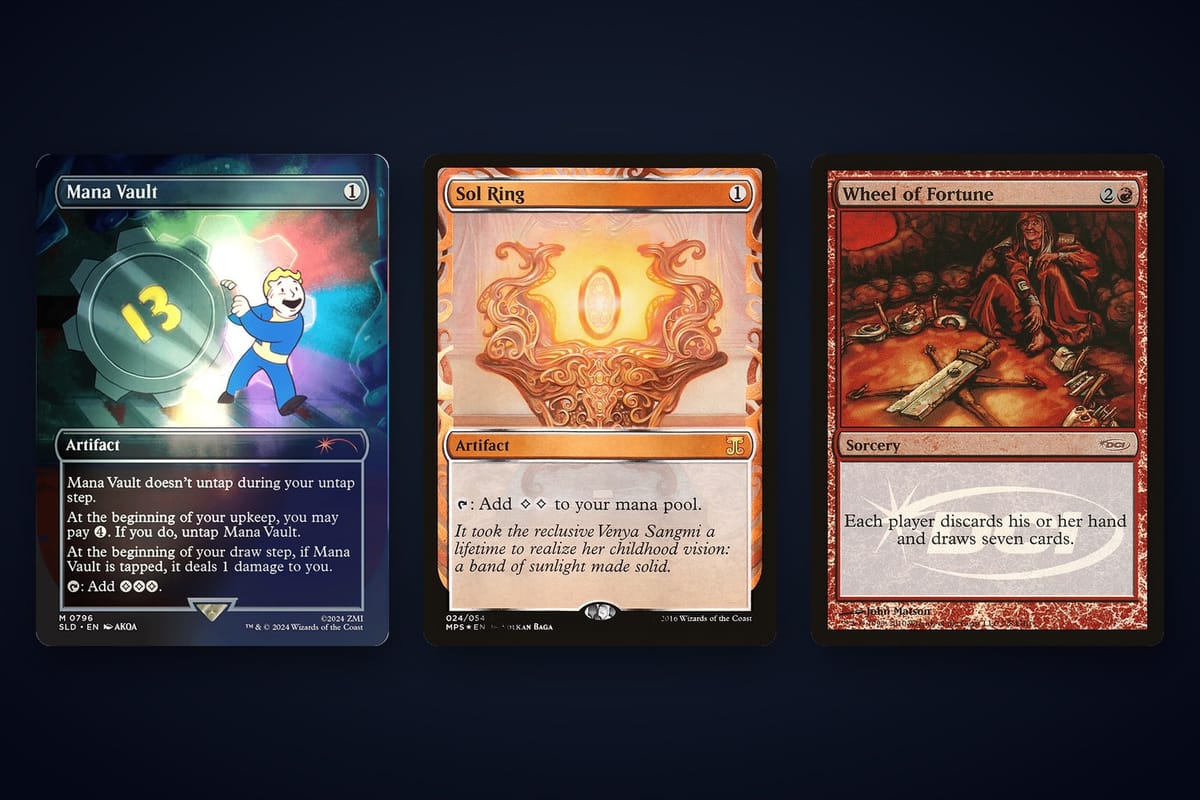
30-day price movers — live data from Midpoint's card database, as of 2026-10-07. Prices move; Midpoint refreshes these daily.
| Card | Raw | PSA 10 | 30-day | |
|---|---|---|---|---|
 |
Mana Vault #796★ Secret Lair Drop (2019) |
$2,709 | — | +13.9% |
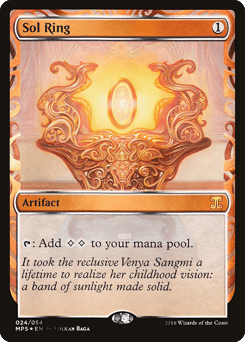 |
Sol Ring #24 Kaladesh Inventions (2016) |
$1,578 | — | +8.2% |
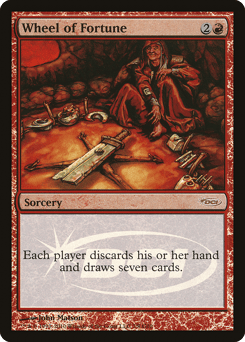 |
Wheel of Fortune #7 Judge Gift Cards 2010 (2010) |
$2,800 | — | +6.2% |
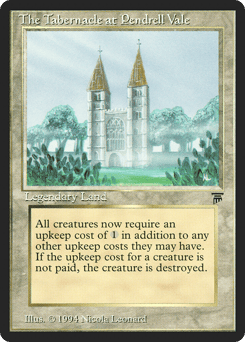 |
The Tabernacle at Pendrell Vale #307 Legends (1994) |
$3,239 | — | +5.5% |
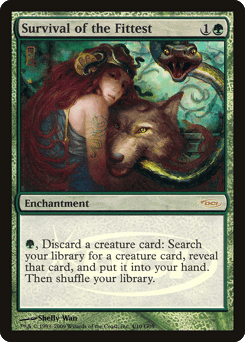 |
Survival of the Fittest #4 Judge Gift Cards 2009 (2009) |
$1,982 | — | +4.4% |
 |
Birds of Paradise #231 Seventh Edition (2001) |
$21.54 | — | +3.1% |
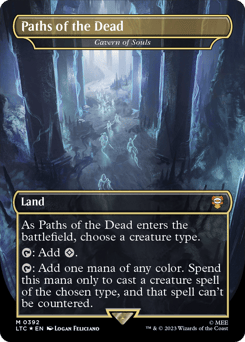 |
Cavern of Souls #392 Tales of Middle-earth Commander (2023) |
$228.86 | — | +1.9% |
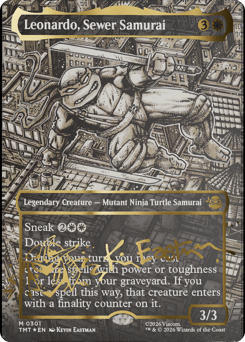 |
Leonardo, Sewer Samurai #301 Teenage Mutant Ninja Turtles (2026) |
$3,002 | — | +1.5% |
 |
Godless Shrine #401 Ravnica Remastered (2024) |
$15.61 | — | +1% |
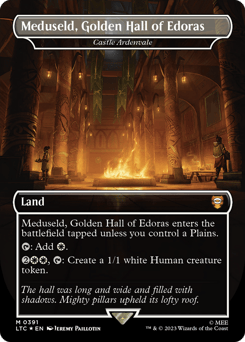 |
Castle Ardenvale #391 Tales of Middle-earth Commander (2023) |
$24.41 | — | +0.9% |
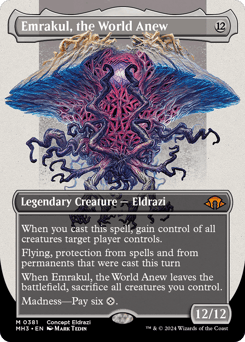 |
Emrakul, the World Anew #381 Modern Horizons 3 (2024) |
$66.32 | — | +0.9% |
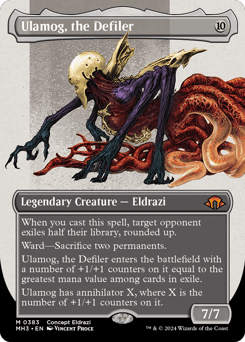 |
Ulamog, the Defiler #383 Modern Horizons 3 (2024) |
$45.30 | — | +0.6% |
Look up any card's current raw and graded value in Midpoint — and get an estimated grade before you pay to submit.
1. Commander Demand Influences Legendary Card Price Movements
Commander remains a significant factor in MTG singles prices, with several legends and tribal commanders seeing value changes this month. Cards like "Yuriko, the Tiger's Shadow" and "Kaalia of the Vast" have experienced raw price increases in the range of 15-20%, with PSA 10 values also affected due to their playability and relative scarcity.
These legendary creatures benefit from ongoing meta interest and synergy with tribal-focused sets released earlier this year. Their scarcity in foil and borderless variants may also contribute to collector demand.
- Yuriko, the Tiger's Shadow: Raw price up approximately 18%, PSA 10 premium noted
- Kaalia of the Vast: Raw price up around 15%, foil versions showing gains
- Tribal cards like Goblin Piledriver and Merfolk Mistbinder also trending upward
Collectors and speculators should monitor Commander staples closely as supply constraints and market activity can cause price fluctuations.
2. October 2026 Standard Rotation Spurs Metagame Shifts and Card Revaluations
The Standard rotation this October has altered the competitive landscape, affecting the demand for certain cards. This rotation often leads to price adjustments for rotated cards and increases for newly playable staples.
For example, "Fable of the Mirror-Breaker" saw a price decrease of about 12% raw as it rotated out, while "Grief's Hunger" increased roughly 30% due to Standard viability. These shifts also influence speculation on future reprints and supply.
- Rotated cards generally soften in value unless Commander demand remains strong.
- New Standard staples like "Grief's Hunger" show appreciation as players build fresh decks.
- Bannings and new deck results create market volatility to watch carefully.
Understanding rotation impact helps collectors decide when to hold or sell singles before prices adjust.
3. New Set Releases and Spoiler Season Spark Short-Term Price Catalysts
October 2026 is mid-spoiler season for the latest MTG set, generating excitement and speculative buying. Cards like "Vorinclex, Monstrous Raider" and "Teferi, Master of Time" from the new set have seen raw price increases of around 10-15% within days of release.
Speculators target powerful mythics and foils early, hoping to capitalize on hype before supply stabilizes. However, these gains can be temporary if the card underperforms in Constructed formats or lacks long-term demand.
- Monitor playtesting results and early tournament data to validate price spikes.
- Foil and showcase versions often lead initial price surges.
- Be cautious of overpaying during hype peaks without solid fundamentals.
Tools like Midpoint help estimate grading worth for new cards before investing in costly third-party services.
4. Supply Constraints, Limited Printings, and Buyouts Affect Price Sustainability
Several MTG cards rising in October 2026 owe their appreciation to limited printings and inventory fluctuations. Buyouts by speculators or stores can artificially inflate prices, making it important to verify genuine demand.
Cards with low print runs, such as borderless or extended-art versions, have shown price gains in some cases. However, these can reverse if supply normalizes or hype fades.
- Watch for unusual volume drops on marketplaces indicating potential buyouts.
- Compare raw versus graded values to assess real collector interest.
- Midpoint’s market data aggregation helps spot artificial price spikes.
Understanding these supply factors helps prevent costly mistakes when buying or selling trending MTG cards.
5. Price Differences Across Printings: Foil, Borderless, Showcase, and Serialized Variants
October 2026 reveals notable price gaps between regular and premium printings. Foil and borderless cards often command higher values than their base counterparts, especially for popular Commander and Standard staples.
Serialized and extended-art cards can fetch higher premiums due to rarity. For instance, "Teferi, Master of Time" borderless foils have increased more sharply compared to regular printings.
- Premium printings are attractive to collectors but require condition scrutiny.
- Grading premiums on these variants can exceed raw prices significantly.
- Using Midpoint’s precise centering measurement is helpful for premium cards.
Buyers should weigh these differences carefully when investing in trending MTG cards to maximize returns.
6. Raw Versus Graded Values: Understanding PSA 10 Premiums and Condition
Tracking both raw and PSA 10 prices is important for evaluating MTG card price movements in October 2026. PSA 10 graded cards typically trade at a premium over raw near-mint copies, depending on the card’s popularity and print run.
For example, "Karn, the Great Creator" raw price rose about 14% last month, while PSA 10 values increased more notably, reflecting collector preference for top-grade condition.
- Condition and centering heavily influence grading premiums.
- Midpoint’s AI grading estimates help predict PSA 10 worth before submission.
- Fading hype or frequent reprints usually compress these premiums over time.
Collectors benefit from pre-grading insights to avoid costly grading fees on borderline cards.
7. Reprints and Fading Hype Cause Some October 2026 Cards to Decline
Not all MTG cards are rising this month; several have declined due to reprints and lessened hype. Cards like "Fable of the Mirror-Breaker" saw a raw price drop of about 12%, as new supply and rotation reduce scarcity.
Understanding these downward trends is as important as spotting surges, to know when to sell or avoid overpaying.
- Check recent reprint announcements that may increase supply.
- Track price history charts on platforms like TCGplayer for trend confirmation.
- Use Midpoint’s multi-printing comparison to identify best investment targets.
Being aware of fading demand helps collectors time sales effectively.
8. Verifying Price Spikes: Market, Buylist, and Multi-Printing Comparisons
Not every price jump signals a sustainable trend. Verifying MTG card price movements in October 2026 requires cross-referencing marketplace prices, buylist rates, and multiple printings.
For instance, while TCGplayer raw listings for "Vorinclex, Monstrous Raider" rose about 15%, buylist prices increased less, indicating some speculative inflation. Comparing foil versus regular editions reveals collector enthusiasm.
- Use Midpoint to access real-time price history and detailed condition data.
- Look for consistent price growth across marketplaces and buylist platforms.
- Beware of isolated spikes caused by low stock or single seller listings.
This due diligence protects collectors from transient speculation risks.
9. Deciding When to Buy, Hold, Sell, or Grade Trending MTG Cards
With many factors influencing MTG cards going up in value this October, timing decisions can be complex. Generally, holding cards with strong Commander demand and low supply, buying early on promising new Standard staples, and considering selling rotated or reprinted cards before further declines are reasonable strategies.
Grading is worthwhile when the card’s PSA 10 premium justifies the submission cost and condition is excellent. Tools like Midpoint provide centering and surface grading estimates to inform this choice.
- Buy on early hype with caution and strong market verification.
- Hold long-term staples with proven demand and rarity.
- Sell cards losing format relevance or facing reprints.
- Pre-grade with Midpoint to maximize grading ROI.
Staying informed with up-to-date market data supports smart collector and investor decisions.
Conclusion
The MTG card market in October 2026 is dynamic, with multiple factors influencing which cards rise or fall in value. Commander demand, Standard rotation, new set spoilers, and supply constraints are key forces shaping price trends. Careful verification of price movements using marketplace and buylist data, combined with pre-grading tools like Midpoint, can help collectors make informed decisions about buying, holding, selling, or grading cards. Whether tracking trending MTG cards or managing a portfolio, understanding these factors is important for navigating today’s evolving market.

FAQ
Q: Why are MTG card prices rising in October 2026?
A: Prices are influenced by factors such as Commander demand, Standard rotation shifts creating new staples, limited printings, and hype from new set releases. Supply constraints and buyouts may also affect prices.
Q: What MTG cards are going up in price right now?
A: Commander legends like Yuriko, the Tiger's Shadow, Standard staples like Grief's Hunger, and premium printings of new set cards such as Vorinclex, Monstrous Raider are among those trending upward as of early October 2026.
Q: Which Commander cards are spiking in October 2026?
A: Popular commanders like Yuriko, the Tiger's Shadow and Kaalia of the Vast are seeing price increases due to their tribal synergies and relative scarcity in foil and borderless versions.
Q: Does Standard rotation make MTG cards more expensive or cheaper?
A: Rotation typically causes prices of rotated cards to decrease unless they have strong Commander demand. New Standard staples often rise in price as they become playable in the format.
Q: Are MTG card price spikes caused by real demand or buyouts?
A: Both factors can contribute. Genuine demand from players and collectors drives sustainable growth, while buyouts can cause artificial short-term spikes that may reverse once supply returns.
Q: Should I sell my rising MTG cards now or hold them?
A: It depends on the card’s format relevance, supply outlook, and grading potential. Use market data and tools like Midpoint to evaluate when to sell or hold for longer-term gains.
Free to start
Try the Midpoint app
Grade any card from a photo, see its raw and PSA 10 value, and track what your collection is worth — free.
Get it on iPhoneGet it on Android