One Piece TCG Alt Art Value: A Collector’s Ultimate Guide
Discover how to determine One Piece TCG alt art value with grading tips, market trends, and key cards. Track prices and grade your collection confidently.


Estimated reading time: 18 min
Key Takeaways
- One Piece TCG alt art value depends on rarity, set, and print version more than just character popularity.
- Graded cards, especially PSA 10 gem mint, often command premiums over raw versions.
- Identifying alt art cards requires close attention to card number, rarity symbols, and visual treatments.
- Market prices fluctuate; tracking recent sold listings and using tools like Midpoint can help ensure accurate valuation.
- Understanding grading nuances across multiple TCGs helps collectors better assess the value of their One Piece and other cards.
Card values — live data from Midpoint's card database, as of 2026-08-03. Prices move; Midpoint refreshes these daily.
| Card | Raw | PSA 10 | Gem premium | |
|---|---|---|---|---|
![Nami [Asia Serial Mini Tin] P-112 One Piece Japanese Promo card](https://i.ebayimg.com/images/g/ZQoAAeSwh~xqZ89w/s-l500.jpg) |
Nami [Asia Serial Mini Tin] P-112 One Piece Japanese Promo |
$3,477 | $5,293 | 1.5× |
![Shanks [Gold] OP09-004 One Piece Carrying on His Will card](https://i.ebayimg.com/images/g/DRAAAeSwimlqUXUz/s-l500.jpg) |
Shanks [Gold] OP09-004 One Piece Carrying on His Will |
$1,800 | $2,336 | 1.3× |
![Gum-Gum Giant [Alternate Art PRB-02] OP09-078 One Piece Premium Booster 2 card](https://i.ebayimg.com/images/g/HhQAAeSwwrlqWTXz/s-l500.jpg) |
Gum-Gum Giant [Alternate Art PRB-02] OP09-078 One Piece Premium Booster 2 |
$888.03 | $1,877 | 2.1× |
![Boa Hancock [SP] EB03-026 One Piece Japanese Extra Booster Heroines Edition card](https://i.ebayimg.com/images/g/7CEAAeSwB7tqdMo1/s-l500.jpg) |
Boa Hancock [SP] EB03-026 One Piece Japanese Extra Booster Heroines Edition |
$860.61 | $1,800 | 2.1× |
![Enel [Manga] OP15-118 One Piece Japanese Adventure on Kami's Island card](https://i.ebayimg.com/images/g/BlIAAeSwQJtqPeon/s-l500.jpg) |
Enel [Manga] OP15-118 One Piece Japanese Adventure on Kami's Island |
$789.00 | $1,341 | 1.7× |
![Silvers Rayleigh [Manga] OP08-118 One Piece Two Legends card](https://i.ebayimg.com/images/g/Yk4AAeSwYtNqi784/s-l500.jpg) |
Silvers Rayleigh [Manga] OP08-118 One Piece Two Legends |
$470.00 | $893.60 | 1.9× |
![Monkey D. Luffy [Red Bull Double Don!!] PRB02-005 One Piece Promo card](https://i.ebayimg.com/images/g/F5gAAeSwwnlqcLsm/s-l500.jpg) |
Monkey D. Luffy [Red Bull Double Don!!] PRB02-005 One Piece Promo |
$454.48 | $762.50 | 1.7× |
![Dracule Mihawk [SP] OP12-030 One Piece Azure Sea's Seven card](https://i.ebayimg.com/images/g/NjIAAeSw2FtpN8A5/s-l500.jpg) |
Dracule Mihawk [SP] OP12-030 One Piece Azure Sea's Seven |
$142.30 | $299.99 | 2.1× |
![Sanji [Promotion Pack EX] EB02-054 One Piece Japanese Extra Booster Anime 25th Collection card](https://i.ebayimg.com/images/g/4egAAeSwuZlqbftW/s-l500.jpg) |
Sanji [Promotion Pack EX] EB02-054 One Piece Japanese Extra Booster Anime 25th Collection |
$34.07 | $237.81 | 7× |
![Monkey.D.Luffy [Bandai Card Games Fest] P-041 One Piece Japanese Promo card](https://i.ebayimg.com/images/g/rSYAAeSwxTFqiAwu/s-l500.jpg) |
Monkey.D.Luffy [Bandai Card Games Fest] P-041 One Piece Japanese Promo |
$53.04 | $220.09 | 4.2× |
Look up any card's current raw and graded value in Midpoint — and get an estimated grade before you pay to submit.
Table of Contents
- Section 1: Understanding One Piece TCG Alt Art Value Drivers
- Section 2: How to Identify One Piece Alt Art Cards Correctly
- Section 3: Graded vs Raw One Piece Alt Art Cards: Value Differences
- Section 4: Benchmark Alt Art Cards and Current Market Price Ranges
- Section 5: Tracking One Piece Alt Art Prices and Market Trends
- Section 6: Comparing Grading Across TCGs: From Pokémon to Lorcana
- Conclusion
- FAQ
Section 1: Understanding One Piece TCG Alt Art Value Drivers
Card Variant and Set Code Importance
One Piece TCG alt art value is influenced by the card variant and its set code, in addition to the character depicted. Each card has a unique identifier, such as OP09-004 (Shanks Gold) or PRB02-005 (Monkey D. Luffy Red Bull Double Don!! promo). Collectors should understand which set the card belongs to, as value can vary between sets like Romance Dawn, Paramount War, Awakening of the New Era, and newer expansions. For example, cards from the early Romance Dawn set may carry premium value due to limited print runs and demand among early adopters, whereas newer expansions may have larger print runs but can include chase alt arts that become valuable due to scarcity.
The set code is significant. The "OP" prefix generally refers to core set releases, with the following digits indicating the block or expansion number (e.g., OP09 is the ninth set). Meanwhile, "PRB" indicates promotional booster or promo cards, often distributed through events or special products, which can be rarer and sought after. For instance, the PRB02-005 (Monkey D. Luffy Red Bull Double Don!!) is a limited promo with a smaller print run, which may contribute to its value despite the character being frequently printed in other sets.
Collectors should note that the same character can appear in multiple variants within the same set or across sets, each with differing rarity and print counts. For example, Shanks appears as a Gold variant in OP09-004, which is limited and prized by some collectors, while other iterations may be more common. Understanding variants and set codes helps collectors discern which cards may have higher scarcity and demand.
Rarity Markers and Special Treatments
Rarity markers—such as SP (Special), Manga Rare, or Gold Stamped—often indicate scarcity and can influence value. These designations correspond to specific print treatments or limited quantities. For example, the Boa Hancock [SP] EB03-026 card has been observed with raw prices around $860 and higher prices when graded PSA10. The SP rarity indicates a special chase card with distinctive artwork and often a foil or textured finish that differentiates it from common cards.
Special treatments include manga panel extracts, where the card artwork incorporates panels from the One Piece manga, adding thematic and collectible appeal. Manga Rare cards typically have limited print runs—sometimes as low as a few thousand copies worldwide—which can impact their market value. The Enel [Manga] OP15-118 is an example, with reported raw values around $789 and higher when graded.
Gold Stamped cards, such as Shanks [Gold] OP09-004, feature gold foil accents and a stamped rarity indicator, making them visually distinctive and often more desirable. These cards sometimes have serial numbering on the card back or side, indicating limited availability. Serial numbering can range from 1 to a maximum print run number (e.g., 1/500), providing evidence of scarcity.
Collectors should also be aware of parallel versions—cards with alternate foil patterns or color variations released in limited quantities to encourage collecting. These parallels can affect value, as some may be more desirable due to aesthetics or rarity. For instance, a rainbow foil variant might be worth more than its regular counterpart.
Print Version and Alt Art Status
Alt art cards feature unique artwork distinct from the base card and are often chase cards within a set. Their value is influenced by rarity and desirability among collectors. Knowing if a card is an alt art, manga rare, or leader variant is important for accurate valuation. The Gum-Gum Giant [Alternate Art PRB-02] OP09-078, for example, has been reported with raw values near $888 and higher prices when graded PSA10.
Alt art cards typically showcase different poses, backgrounds, or art styles, appealing to collectors seeking visually striking versions. Some alt arts are leader variants, depicting characters in commanding or iconic poses, while others may include full-art borders or extended art beyond the normal card frame.
Print versions also matter. Early print runs can sometimes have subtle differences, such as color saturation or minor text changes, that later become valuable to attentive collectors. Some rare print runs may include misprints or error cards that inadvertently become collectibles.
For example, the Gum-Gum Giant alt art card from the PRB-02 promo series is a chase card with a limited print run—likely only a few thousand copies worldwide—making it a candidate for value appreciation. Collectors who obtain raw versions in excellent condition and subsequently grade them may realize premiums.
Section 2: How to Identify One Piece Alt Art Cards Correctly
Examining Card Numbers and Set Codes
Every One Piece card has a card number and set code printed on the bottom or side. Alt art cards often have a distinct numbering sequence or suffix, such as PRB for Promo Booster or OP followed by a numeral for the set. Confirming the exact code against official set lists or databases like Midpoint helps ensure correct identification of alt art cards.
For example, a raw card with the number OP09-078 and the designation "PRB-02" in the set code indicates it is a promo booster alt art from set 9. Cross-referencing this code with official release databases or the Midpoint app can confirm the card's variant and rarity.
Collectors should be cautious of counterfeit or unofficial cards that mimic alt art designs but lack proper numbering or set codes. Verifying the card code against trusted sources is a reliable step in authenticating alt arts.
Visual Markers and Treatments
Alt art cards can be identified visually by their unique artwork, holographic effects, and sometimes gold or foil stamping. Manga rare cards display manga panel extracts, while SP cards often have a glossy or textured finish. Familiarity with these treatments helps differentiate alt arts from regular versions.
Specifically, manga rare cards incorporate black-and-white or colored manga panels into the card design, often framed artistically to highlight story elements. This is a unique visual signature that collectors can learn to spot. SP cards are often glossy or have a textured surface that gives a tactile difference when handled.
Gold stamped cards will have a visible gold foil marking on the card front, typically in the border or rarity symbol area. Parallel versions may show a rainbow or prism foil pattern that shifts colors at different angles.
Collectors can use a loupe or magnifier to inspect finer details such as foil texture, ink consistency, and print layering, which can help confirm an alt art’s legitimacy. Some alt arts may also have embossed or raised elements that are absent on base versions.
Using Digital Tools for Verification
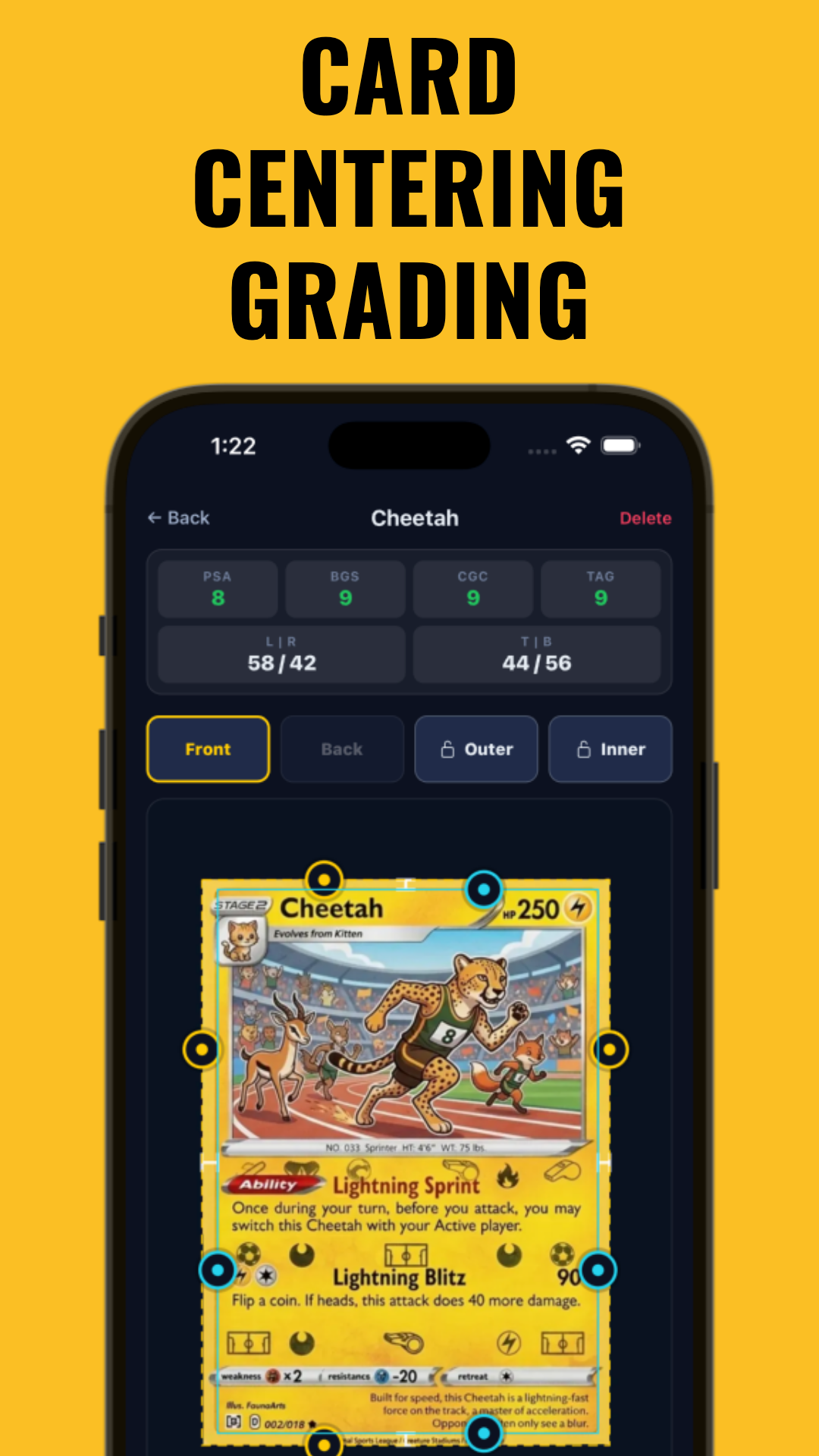
Apps like Midpoint provide lookup features to verify card authenticity and variant type, showing expected raw and graded values. This can reduce guesswork and help collectors avoid purchasing misidentified or counterfeit cards. Midpoint’s centering measurement tool is useful for assessing card condition before grading.
Midpoint’s AI-powered centering tool can detect subtle off-centering issues down to fractions of a millimeter, which is important since centering influences the final grade awarded by companies like PSA or BGS. By scanning the card’s borders using the app, collectors can obtain a centering score and an estimated grade range before submitting for professional grading.
Additionally, Midpoint aggregates recent sales data, population reports, and grading company census information to provide a comprehensive picture of market value and scarcity. Collectors can compare their card’s variant and condition to live market data, allowing for informed buying or selling decisions.
Other digital tools and websites, including TCGPlayer and eBay’s sold listings, complement Midpoint by offering price trends and historical sales performance. Using multiple sources helps ensure accurate and up-to-date valuation.
Section 3: Graded vs Raw One Piece Alt Art Cards: Value Differences
Value Premiums for PSA 10 and Gem Mint Grades
Graded cards, especially those graded PSA 10, often command premiums over raw cards. For instance, the Nami [Asia Serial Mini Tin] P-112 promo card has been reported with raw values around $3,477 and higher prices when graded PSA 10, representing a premium. This premium can vary depending on the card’s rarity, demand, and grading population.
High-grade cards appeal to collectors and investors who prefer the assurance of third-party certification of condition and authenticity. This confidence can facilitate higher resale prices and liquidity.
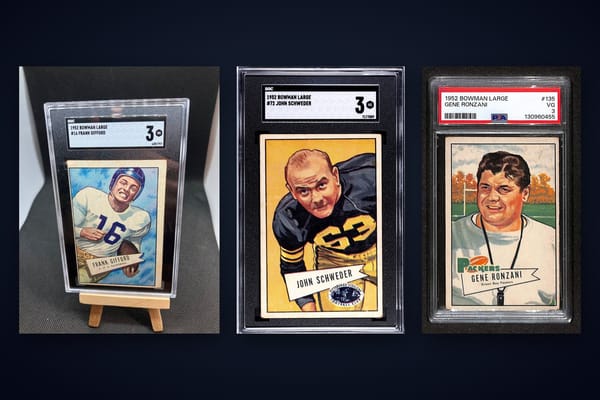
Beyond PSA, other grading companies like Beckett Grading Services (BGS), Certified Guaranty Company (CGC), and TAG Grading offer grading options. BGS grades include subgrades for centering, corners, edges, and surface, which can influence buyer perception and price premiums. For example, a BGS 9.5 with a 10 centering subgrade might command a higher premium than a BGS 9.5 with lower centering.
Gem Mint Multipliers and Market Impact
Gem mint cards graded by leading companies like PSA, BGS, CGC, and TAG can experience multipliers ranging from modest to several times raw values, depending on rarity and demand. The Sanji [Promotion Pack EX] EB02-054, for example, has been reported with a raw value of about $34 and higher prices when graded PSA 10.
This multiplier effect is especially pronounced for cards with low graded populations. Cards with fewer than 100 PSA 10 copies graded often sell for multiples of raw price, as collectors compete to own rare mint-condition examples. For instance, the Gum-Gum Giant alt art OP09-078 has a relatively low PSA 10 population, contributing to its graded premium.
Market sentiment and hype around certain characters or sets can also amplify multipliers. If a character gains popularity due to media exposure or game meta relevance, their graded cards may increase in value.
Factors Affecting Graded Values
- Condition subgrades: Centering, corners, edges, and surface flaws impact overall grade and value. Cards with perfect centering and sharp corners command higher premiums.
- Population reports: Rarer graded cards tend to sell for higher premiums. For example, a PSA 10 with only 10 graded copies will typically be more valuable than one with 1,000 graded copies.
- Market demand: Popular characters or chase variants maintain stronger price support. Characters like Luffy, Zoro, and Shanks often have high demand.
- Grading company reputation: PSA remains widely recognized, but BGS and CGC are gaining ground. Some collectors prefer one grading company over another, influencing prices.
- Time in market: Newly graded cards can experience initial price spikes, which may stabilize over time.
Section 4: Benchmark Alt Art Cards and Current Market Price Ranges
High-Value Chase Cards Across Sets
Some of the more valuable One Piece alt art cards include:
- Nami [Asia Serial Mini Tin] P-112: Reported raw around $3,477, PSA10 higher — This card’s rarity and unique art make it a marquee chase card, with limited copies believed to be in circulation.
- Shanks [Gold] OP09-004: Reported raw around $1,800, PSA10 higher — The gold foil and limited print run contribute to this card’s value, especially among Shanks fans.
- Gum-Gum Giant [Alt Art PRB-02] OP09-078: Reported raw around $888, PSA10 higher — Its status as a promo chase card with alternate art drives rarity and desirability.
- Boa Hancock [SP] EB03-026: Reported raw around $860, PSA10 higher — The SP rarity and special treatments contribute to its market standing.
- Enel [Manga] OP15-118: Reported raw around $789, PSA10 higher — Manga rare treatment and limited print numbers make this a sought-after card.
Mid-Tier and Entry-Level Alt Arts
Cards like Monkey D. Luffy [Red Bull Double Don!!] PRB02-005 promo and Dracule Mihawk [SP] OP12-030 offer attainable entry points to alt art collecting, with prices reported between $140 and $450 raw and notable grading premiums. These cards are often favored by newer collectors or those expanding collections without high upfront investment.
Mid-tier alt arts typically have higher print runs than chase cards but still include special treatments or promotional status that help maintain value. For example, the Dracule Mihawk [SP] OP12-030 card has been reported with raw values around $300 and higher prices when graded PSA 10, reflecting a premium.
Entry-level alt arts may include early print promos or common alt arts with less scarcity but still feature unique artwork. Collectors may consider these as stepping stones to more valuable chase cards while enjoying aesthetic appeal and playability.
Price Volatility and Recent Trends
Some cards like Monkey D. Luffy [Red Bull Double Don!!] have experienced notable price fluctuations, highlighting the importance of timely price tracking and market awareness. These fluctuations can be triggered by increased supply from recent releases, shifting collector interest, or market corrections.
Conversely, cards tied to major events or anniversaries—such as the release of a new One Piece anime arc or film—may see temporary price spikes. Collectors should monitor social media trends, event announcements, and secondary market activity to anticipate these movements.
Seasonality also plays a role: prices often rise during holiday seasons or major conventions when demand surges. Sellers may time auctions or listings to coincide with these periods for better returns.
Section 5: Tracking One Piece Alt Art Prices and Market Trends
Using Recent Sold Listings for Accurate Pricing
Tracking recent sales on platforms like TCGPlayer or eBay gives an up-to-date snapshot of market value. These listings reflect supply and demand, offering realistic price points beyond static price guides. For example, a search on eBay’s completed listings can show final sale prices of multiple Gum-Gum Giant alt art cards, allowing sellers to benchmark their pricing.
Collectors should focus on actual sold prices rather than listing prices, as the latter often overstate value due to optimistic seller expectations. Filtering sales by condition (Near Mint, Mint) and grading (PSA 10, raw) further refines accuracy.
Combining data from multiple marketplaces reduces bias and accounts for regional price differences. For instance, cards may sell for higher prices in Japan due to local demand, while North American sales might reflect different market dynamics.
Comparing Price Guides and Digital Tools
Price guide comparisons help identify discrepancies and market shifts. Midpoint aggregates raw and graded values from multiple sources, enabling collectors to track portfolio value and spot trends early. The ability to upload a collection and receive real-time updates on value changes can inform timely selling or holding decisions.
Other price guides may update less frequently or rely on outdated data, underscoring the importance of using dynamic tools. Midpoint’s integration with grading population data and recent sale prices provides a comprehensive market overview.
Collectors can also set alerts for specific cards or variants, receiving notifications when prices cross predefined thresholds, which is helpful when targeting high-value chase cards.
Market Volatility and Rarity Impact
Alt art prices can fluctuate based on factors like new set releases, grading population reports, and collector interest. Rarer cards with manga rare or gold treatments tend to retain value better during downturns. For example, while common alt arts might lose some value during market slumps, manga rare cards may hold steadier or decline only marginally.
New set releases can temporarily depress prices for older cards due to shifting collector focus; however, scarcity and condition of older alt arts often lead to long-term appreciation. Understanding these cycles helps collectors decide when to buy, hold, or sell.
Population reports from grading companies provide insight into how many copies of a particular card have been graded at each level, which can help predict future price movements. A sudden increase in PSA 10 population may indicate greater supply, potentially softening prices, while low populations maintain scarcity-driven premiums.
Section 6: Comparing Grading Across TCGs: From Pokémon to Lorcana
Similarities in Grading Criteria
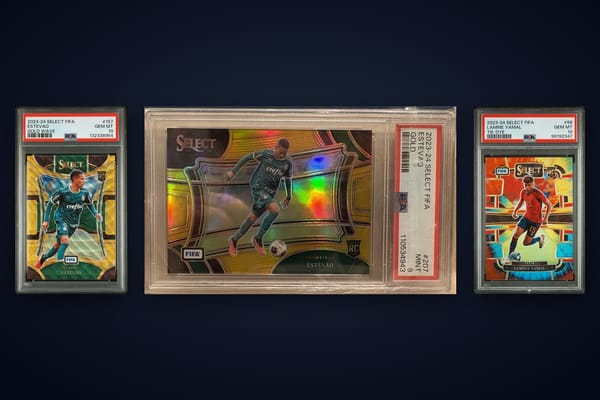
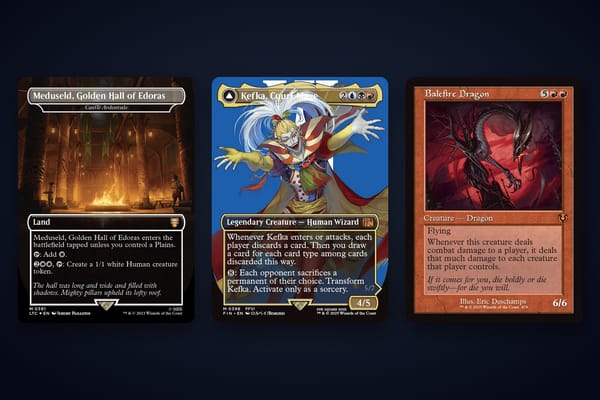
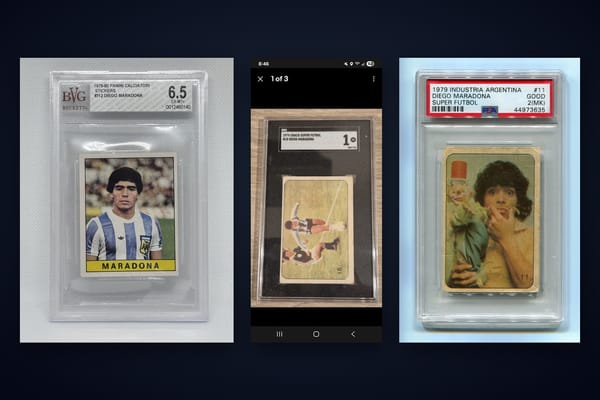
Whether grading One Piece, Pokémon, Magic: The Gathering (MTG), Yu-Gi-Oh, or Lorcana, key grading aspects generally include centering, corners, edges, and surface condition. Midpoint’s AI grading technology evaluates these criteria to estimate PSA, BGS, CGC, and TAG grades before submission, helping collectors save time and money.
Centering measures the borders’ alignment relative to the card image, with perfect centering typically defined as a 55/45 or better ratio. Corners are inspected for wear or dings, edges for chipping or whitening, and surface for scratches, print defects, or staining.
Midpoint’s AI uses high-resolution scans and machine learning to simulate human grader assessment, providing an objective and reproducible estimate. This can reduce submission risk, especially for cards with borderline grades.
Game-Specific Grading Nuances
- Pokémon: Focus on back centering and holo scratches; the Pokémon 151 chase cards are examples of valuable graded cards. Back centering is scrutinized closely, as minor deviations can drop a card from PSA 10 to 9.5.
- MTG: Border wear and color inconsistencies play a bigger role; MTG reserved list cards often hold steady value. Some early printings have thin borders requiring extra care.
- Yu-Gi-Oh: Surface gloss and edge whitening are critical; grading can significantly increase card worth. Surface scratches, especially on holographic cards, are common grading deductions.
- Lorcana: Newer market but growing; grading nuances are similar to other TCGs. As the game evolves, grading standards may adapt, but currently follow traditional criteria.
Why Grading Matters Across All TCGs
Grading certifies card condition and authenticity, increasing buyer confidence and potentially unlocking higher resale values. Tools like Midpoint allow collectors to pre-grade cards digitally, optimizing submission decisions across all major TCGs and sports cards alike.
Collectors who strategically submit only high-quality cards can reduce grading costs and increase return on investment. Additionally, graded cards are easier to insure, trade, or sell, as buyers trust the standardized grading scale.
Midpoint’s multi-game evaluation capability allows collectors with diverse portfolios to manage and track values seamlessly, supporting informed decisions whether they collect One Piece, Pokémon, or other popular TCGs.
Conclusion
Understanding the One Piece TCG alt art value landscape involves knowledge of card variants, rarity, grading impact, and market trends. From chase cards like Nami and Shanks to special treatments like manga rares and SPs, collectors can better assess their investments by accurately identifying alt arts and considering grading to potentially unlock premium prices.
Using digital tools such as Midpoint helps collectors measure centering precisely, estimate grading beforehand, and track card values across multiple TCGs. The combination of accurate identification, condition assessment, and market tracking supports informed collecting.
Whether you’re a One Piece TCG enthusiast or a multi-game collector, mastering these insights can aid in making smart collecting and selling decisions in a dynamic market. Staying informed about grading nuances, population trends, and market fluctuations can influence outcomes between modest sales and more lucrative investments.
FAQ
Q: How much is a One Piece TCG alt art card worth?
A: Values vary widely depending on card variant, rarity, and condition. For example, the Nami [Asia Serial Mini Tin] P-112 alt art card has been reported around $3,477 raw and higher when graded PSA 10 as of 2026-08-03. Other cards can range from under $100 to several thousand dollars, depending on these factors.
Q: What makes a One Piece alt art card valuable?
A: Key factors include the set code, rarity marker (SP, manga rare), print version, and whether the card is graded gem mint. Unique artwork and scarcity also influence value. Additionally, graded condition and low population counts can increase value.
Q: How do I tell if my One Piece card is an alt art or a normal version?
A: Check the card number and set code for promo or alt art identifiers (e.g., PRB or special suffixes). Also, look for unique artwork, holographic treatments, or manga panel features. Using digital tools like Midpoint can help verify card variants and authenticity.
Q: Are graded One Piece alt arts worth more than raw cards?
A: Yes, PSA 10 gem mint grades often multiply raw values by varying amounts depending on rarity and demand. Grading provides authentication and condition assurance that appeals to collectors and investors.
Q: Which One Piece TCG alt art cards are the most expensive?
A: Some of the higher-value cards include Nami [Asia Serial Mini Tin] P-112, Shanks [Gold] OP09-004, and Gum-Gum Giant [Alternate Art PRB-02] OP09-078, among others with manga rare or SP rarity designations.
Q: Where can I check the current market value of a One Piece alt art card?
A: Use platforms like TCGPlayer, recent sold listings on eBay, and apps like Midpoint for up-to-date raw and graded pricing. Cross-referencing multiple sources helps ensure accurate valuation.
Free to start
Try the Midpoint app
Grade any card from a photo, see its raw and PSA 10 value, and track what your collection is worth — free.
Get it on iPhoneGet it on Android