
Pokemon 151 Chase Cards: Full Value Guide, Rarity & Grading Insights
Discover the top Pokémon 151 chase cards, live values, rarity, pull rates, and expert grading tips for serious collectors. Updated 2026 market data included.


Estimated reading time: 14 min
Key Takeaways
- The Pokémon 151 set features some of the most sought-after chase cards, with Charizard ex, Mew ex, and Blastoise ex among the leading cards in value.
- Chase card rarities include SIR, IR, UR, HR, and SR, each impacting pull rates and market prices.
- Live value tracking and grading estimates can be helpful for maximizing returns—tools like Midpoint aim to make grading and value analysis easier.
- Significant value differences exist between Japanese and English 151 chase cards—know which to target.
- Proper grading, centering, and card condition can significantly increase a card’s value.
Card values — live data from Midpoint's card database, as of 2026-08-18. Prices move; Midpoint refreshes these daily.
| Card | Raw | PSA 10 | Gem premium | |
|---|---|---|---|---|
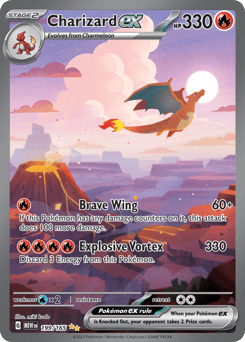 |
Charizard ex #199/165 151 (2023) |
$362.96 | $1,435 | 4× |
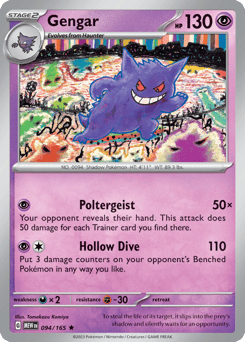 |
Gengar #094/165 151 (2023) |
$25.47 | $1,301 | 51.1× |
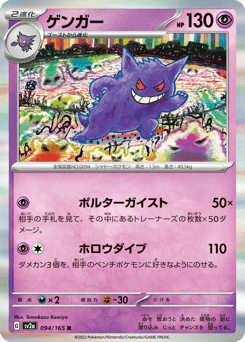 |
ゲンガー #094/165 ポケモンカード151 (2023) |
$95,000 | $1,054 | 0× |
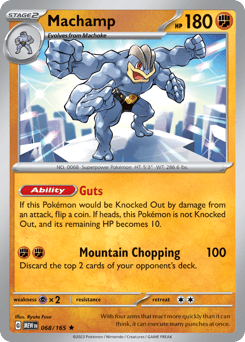 |
Machamp #068/165 151 (2023) |
$1.30 | $900.00 | 692.3× |
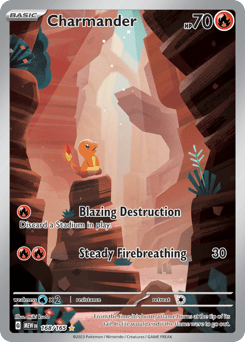 |
Charmander #168/165 151 (2023) |
$91.13 | $687.09 | 7.5× |
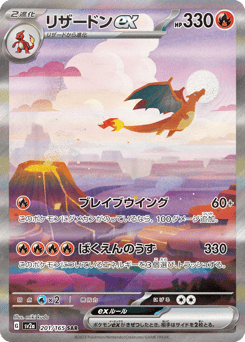 |
リザードンex #201/165 ポケモンカード151 (2023) |
$75,000 | $668.10 | 0× |
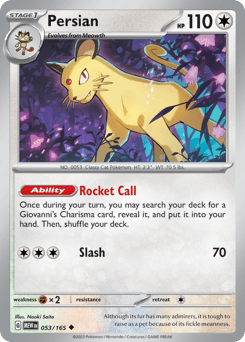 |
Persian #053/165 151 (2023) |
$0.26 | $666.67 | 2564.1× |
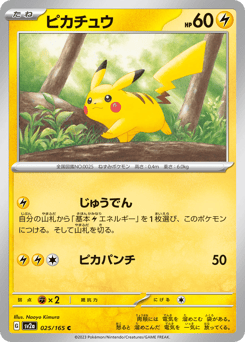 |
ピカチュウ #025/165 ポケモンカード151 (2023) |
$76,800 | $630.88 | 0× |
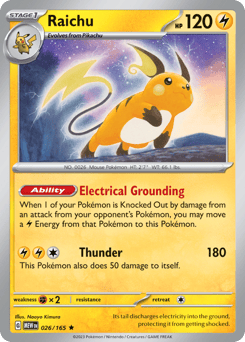 |
Raichu #026/165 151 (2023) |
$4.10 | $580.00 | 141.5× |
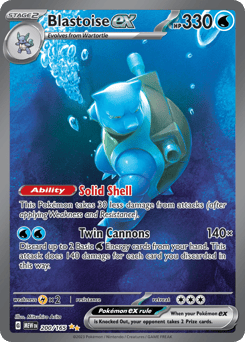 |
Blastoise ex #200/165 151 (2023) |
$139.95 | $575.23 | 4.1× |
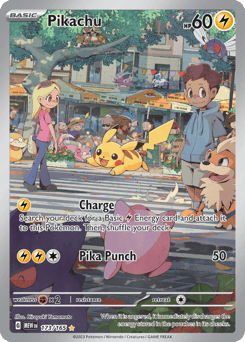 |
Pikachu #173/165 151 (2023) |
$90.60 | $561.25 | 6.2× |
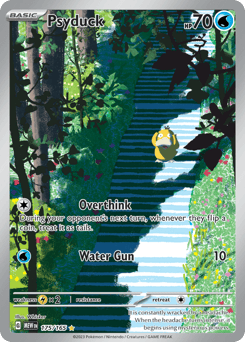 |
Psyduck #175/165 151 (2023) |
$69.15 | $527.11 | 7.6× |
Look up any card's current raw and graded value in Midpoint — and get an estimated grade before you pay to submit.
Table of Contents
- Section 1: What Are Pokémon 151 Chase Cards?
- Section 2: Rarity Breakdown & Set List of Pokémon 151 Chase Cards
- Section 3: Most Valuable Pokémon 151 Chase Cards (With Live Data)
- Section 4: English vs Japanese Pokémon 151 Chase Cards
- Section 5: Pull Rates and Odds for Pokémon 151 Chase Cards
- Section 6: How to Grade Pokémon 151 Cards (And Other TCGs)
- Section 7: Using Live Price Tracking & Grading Tools for Chase Cards
- Section 8: Pokémon 151 Chase Cards—Set List, Investing & Collector Tips
- Conclusion
- FAQ
Section 1: What Are Pokémon 151 Chase Cards?
Understanding the Concept of Chase Cards
In the world of Pokémon, chase cards are the ultra-rare, high-value pulls that collectors covet above all. In the Pokémon 151 set—a modern homage to the original Generation 1 Pokémon—these chase cards include Special Illustration Rares (SIR), Illustration Rares (IR), Ultra Rares (UR), Hyper Rares (HR), and Secret Rares (SR). Collectors hunt these specific cards for their artwork, scarcity, and value potential, making them the centerpiece of many collections or investment strategies.
Why Pokémon 151 Is Unique
- Nostalgia Factor: The set features only the original 151 Pokémon, with updated art and premium chase variants.
- Varied Rarity: With multiple rarity tiers, the set appeals to both casual and hardcore collectors.
- Investment Potential: Cards like Charizard ex and Mew ex have shown strong price appreciation in the secondary market.
Key Chase Card Categories
Within Pokémon 151, chase cards generally fall into:
- Special Illustration Rares (SIR): The flagship cards, like Charizard ex, often capturing the highest values and lowest pull rates.
- Original Starter Evolutions: Blastoise ex, Venusaur ex, and their SIRs are popular for their iconic status.
- Alt Art & Illustration Rares: Gengar, Alakazam ex, Zapdos ex, and others drive collector demand.
The Flagship Example: Charizard ex
Charizard ex #199/165 is widely regarded as the ultimate chase card of the 151 set. Its combination of art, low pull rates, and historical significance have kept it at the top of collector wishlists and market values.
Section 2: Rarity Breakdown & Set List of Pokémon 151 Chase Cards
Rarity Types Explained
Pokémon 151 introduces several rarity classes, each with unique pull rates and collector appeal:
- SIR (Special Illustration Rare): The rarest and often most valuable, typically featuring full-art alternate designs.
- IR (Illustration Rare): Typically features unique, highly stylized artwork.
- UR (Ultra Rare): Gold, rainbow, or full-art cards, often with high playability and collector demand.
- HR (Hyper Rare): Sometimes reserved for rainbow or gold secret cards.
- SR (Secret Rare): Cards above the set numbering (e.g., #201/165), often alternate arts or gold variants.
Chase Card Set List: Pokémon 151
- Charizard ex SIR (#199/165)
- Blastoise ex SIR (#200/165)
- Venusaur ex SIR (#198/165)
- Mew ex SIR (#205/165)
- Alakazam ex SIR (#203/165)
- Zapdos ex SIR (#204/165)
- Gengar IR (#094/165)
- Pikachu IR (#173/165)
- Charmander IR (#168/165)
- Psyduck IR (#175/165)
- Machamp IR (#068/165)
- Raichu IR (#026/165)
- Persian IR (#053/165)
For a full, filterable set list of Pokémon 151 chase cards, use live databases like Midpoint or check the Pokémon TCG official site. These tools help sort by rarity, number, and market value in real time.
How Rarity Impacts Value
The higher the rarity, the lower the pull rates and the higher the collector demand. SIRs and IRs routinely command the highest market prices, especially in PSA 10 condition. Proper grading can multiply a card’s value, as seen in the significant premium for high-grade copies of cards like Persian IR or Gengar IR.
Section 3: Most Valuable Pokémon 151 Chase Cards (With Live Data)
Top Ranked 151 Chase Cards by Market Value
Let’s look at the top Pokémon 151 chase cards by available market value data (as of 2026-08-18):
- Charizard ex #199/165: Raw $362.96 | PSA 10 $1,435 (gem premium 4x)
- Gengar #094/165: Raw $25.47 | PSA 10 $1,301 (gem premium 51.1x)
- Machamp #068/165: Raw $1.30 | PSA 10 $900 (gem premium 692.3x)
- Charmander #168/165: Raw $91.13 | PSA 10 $687.09 (gem premium 7.5x)
- Persian #053/165: Raw $0.26 | PSA 10 $666.67 (gem premium 2,564.1x)
- Blastoise ex #200/165: Raw $139.95 | PSA 10 $575.23 (gem premium 4.1x)
- Pikachu #173/165: Raw $90.60 | PSA 10 $561.25 (gem premium 6.2x)
- Psyduck #175/165: Raw $69.15 | PSA 10 $527.11 (gem premium 7.6x)
What do these numbers mean in practice? The "gem premium" is the multiplier between raw and graded (PSA 10) values. Cards with low raw prices but much higher PSA 10 values (like Persian or Machamp) are extremely condition-sensitive—grading matters more than ever.
Chase Card Standouts
- Charizard ex: Consistently the centerpiece. Its market value outpaces most SIRs.
- Gengar IR: Notable gem premium (over 50x). A high-risk/high-reward grading play.
- Machamp IR: The ultimate "grader’s card"—worth little raw but much more in PSA 10.
Gem Premium: Why Grading Matters
Grading can turn a low-value card into a much more valuable one. This is why pre-grading and condition evaluation (centering, corners, edges, surface) are critical. Using grading tools like Midpoint can help identify cards with true PSA 10 potential, so you don’t waste money on cards unlikely to grade high.
For more about how centering and grading affect value, see How Centering Impacts Card Value: A Detailed Guide.
Section 4: English vs Japanese Pokémon 151 Chase Cards
Card Numbering, Rarity, and Value Differences
While the Pokémon 151 set exists in both Japanese and English, there are some key differences collectors should know:
- Numbering: Japanese cards often use set numbers and language-specific identifiers (e.g., リザードンex #201/165).
- Rarity Designation: Both languages use similar rarity symbols, but Japanese sets may include more lottery promos or exclusive artworks.
- Market Value: Japanese chase cards can command significant premiums—e.g., Japanese Gengar IR raw at $95,000 (2026-08-18) vs English at $25.47. (Note: Such high prices for Japanese Gengar IR may reflect unique circumstances or outlier sales and should be verified with up-to-date market data.)
Why Japanese Cards Can Be Worth More
Japanese cards are often printed in smaller quantities, may feature higher print quality, and sometimes introduce card designs before the English release. This exclusivity can drive up demand, especially for the rarest SIRs and IRs.
Should You Target Japanese or English?
- English: Easier to find, more affordable, and great for collections focused on nostalgia.
- Japanese: Higher entry cost, but potential for higher returns if you can source and grade them in top condition.
For more on how to spot fakes and compare authentic chase cards, see Card Centering Tool: Accurate Card Grading Estimates.
Section 5: Pull Rates and Odds for Pokémon 151 Chase Cards
Understanding Pull Rates
Pull rates are the odds of opening a specific chase card from a sealed Pokémon 151 product. SIRs and IRs are generally tough pulls, with rates often estimated based on large sample openings. For example:
- SIRs (like Charizard ex): Estimated at 1 per 300-600 packs (estimates vary by product and market data)
- IRs: Estimated at 1 per 80-100 packs
- SR/HR/UR: Estimated at 1 per 20-40 packs, though specific chase SRs are much rarer
These odds help explain the high market prices and why sealed product breaks remain popular among collectors and investors.
Impact on Value
- Scarcity Drives Price: The rarer the card, the higher the demand and resale value—especially for PSA 10s.
- Risk vs Reward: Chasing SIRs is high-risk, high-cost. Buying singles is often more cost-efficient unless you hit big.
Tracking Pull Rates Over Time
Community data, YouTube break stats, and tools like Midpoint offer up-to-date pull probabilities. As more product is opened, odds become clearer—helping you decide whether to rip or buy singles.
Section 6: How to Grade Pokémon 151 Cards (And Other TCGs)
Card Grading Basics for Pokémon, MTG, Yu-Gi-Oh, One Piece, and Lorcana
Grading cards—whether Pokémon 151, Magic: The Gathering, Yu-Gi-Oh, One Piece, or Lorcana—involves evaluating centering, corners, edges, and surface. Different games have unique quirks:
- Pokémon: Back centering is scrutinized; holo scratches and print lines are common issues.
- MTG: Reserved List cards are valuable but prone to edge wear and print defects.
- Yu-Gi-Oh: Foil pattern and border whitening are frequent problems.
- One Piece: Alt art chase cards and texturing must be preserved—surface scuffs reduce grade.
- Lorcana: New but rapidly growing; early print runs may have centering and edge issues.
Step-by-Step Grading Guide
- Inspect the card under strong light and at multiple angles.
- Check centering with a ruler or a digital centering tool (see below).
- Examine corners and edges for whitening or dings.
- Assess the surface for scratches, print lines, or dents.
- Compare to PSA, BGS, CGC, or TAG grading standards.

For a detailed, game-specific step-by-step, see How to Pre-Grade Your Card: A Step-by-Step Guide.
Why Centering Matters
Centering is one of the most overlooked factors but can make or break a PSA 10. Use a free centering calculator to measure margins before submitting. For Pokémon 151 chase cards, off-center Charizard or Mew ex will fetch significantly less—even if pack fresh.
Section 7: Using Live Price Tracking & Grading Tools for Chase Cards
Why Live Data Is Critical
Pokémon 151 chase card prices fluctuate with market demand, grading population, and sales data. Having real-time, accurate pricing and grading estimates can help you make informed buy, sell, or grade decisions. For example, Machamp IR’s PSA 10 price reportedly rose significantly in a short period—timing can be important.
Tracking Portfolio Value and Grading ROI
- Use apps like Midpoint to track your collection’s value across Pokémon, One Piece, MTG, Yu-Gi-Oh, Lorcana, and sports cards.
- Analyze raw vs graded value to prioritize which cards to grade—target high gem premiums.
- Spot pricing trends to buy low and sell high.
AI Grading: The Game Changer
AI digital grading—offered by Midpoint and other platforms—provides instant, unbiased estimates (PSA, BGS, CGC, TAG) from card scans. Test centering, analyze corners, and surface before spending on professional grading. This can boost confidence and save money, especially when targeting high-gem-premium chase cards.
For a deep dive into AI’s impact on centering accuracy, see AI-Focused Comparison: How AI Transforms Card Centering Analysis.
Section 8: Pokémon 151 Chase Cards—Set List, Investing & Collector Tips
Filtering the Complete 151 Set for Chase Cards
With 165+ cards in the Pokémon 151 set, only a select few are true chase cards. Use online databases or apps to filter by rarity (SIR, IR, etc.), card number, and market value. This helps you focus on the best Pokémon sets to invest in.
Investment Strategy: Sealed vs Singles
- Sealed Product: Fun for opening but high risk—chase card odds are low and prices can fluctuate.
- Singles: Buying top chase cards directly is often more cost-effective, especially for high-gem-premium cards.
Cross-TCG Perspective
Many collectors now diversify across Pokémon, One Piece TCG (chasing alt art values), MTG Reserved List (long-term holds), Yu-Gi-Oh, and Lorcana. Each game has its own grading quirks and chase card structure, but the principles—rarity, condition, grading premium—are similar.
If you’re unsure how to tell if a Pokémon card is fake, or want a Pokémon card grading guide that applies to other games, consult expert resources and use AI tools to compare your cards to known authentic examples.
Conclusion
Pokémon 151 chase cards represent a major focus of modern collecting: iconic characters, notable art, and potential for value appreciation. Whether you’re after the flagship Charizard ex, a sleeper like Machamp IR, or diversifying into One Piece, MTG, or Lorcana, understanding rarity, grading, and real-time value tracking is important. Tools like Midpoint can assist with grading estimates and portfolio management to help maximize your collecting and investing success.
FAQ
Q: What are the best chase cards in Pokémon 151?
A: The top chase cards include Charizard ex SIR, Mew ex SIR, Blastoise ex SIR, Venusaur ex SIR, Gengar IR, Alakazam ex SIR, Zapdos ex SIR, and Pikachu IR. These cards feature the highest rarity and market values.
Q: What is the most valuable Pokémon 151 card?
A: Charizard ex SIR (#199/165) is considered the most valuable English Pokémon 151 card, with a PSA 10 value of $1,435 as of 2026-08-18. Some Japanese variants (like Gengar IR) can be even more valuable depending on rarity and condition, but prices should be verified with current market data.
Q: How many chase cards are in Pokémon 151?
A: There are roughly 15-20 notable chase cards in Pokémon 151, primarily SIRs, IRs, and select SR/UR cards. The exact number depends on how you define "chase" (rarity, value, or collector demand).
Q: Are Japanese Pokémon 151 chase cards worth more than English ones?
A: Often yes—Japanese chase cards sometimes fetch higher prices due to print quality, exclusivity, and smaller print runs. For example, Japanese Gengar IR has been reported with a raw value of $95,000 versus $25.47 for the English version (as of 2026-08-18), though such high prices may reflect unique circumstances or outlier sales.
Q: What rarity is Charizard ex in Pokémon 151?
A: Charizard ex is a Special Illustration Rare (SIR), the highest rarity tier in the set, and is the flagship chase card for both English and Japanese releases.
Q: What are the pull rates for Pokémon 151 chase cards?
A: Pull rates vary by rarity: SIRs like Charizard ex are estimated at 1 per 300-600 packs, IRs at 1 per 80-100 packs, and SR/HR/URs at 1 per 20-40 packs. Actual odds depend on print run and box type, and are based on community estimates.
Free to start
Try the Midpoint app
Grade any card from a photo, see its raw and PSA 10 value, and track what your collection is worth — free.
Get it on iPhoneGet it on Android


