Pokemon Card Prices Dropping August 2026: Market Trends & Tips
Explore why Pokemon card prices are dropping in August 2026, top cards losing value, and smart buying tips with Midpoint's grading insights.

Estimated reading time: 9 min
Key Takeaways
- Pokemon card prices showed declines in August 2026, influenced by increased supply and reprints
- High-end chase cards and some single-issue rares experienced notable declines
- Sealed products including booster boxes and Elite Trainer Boxes also saw value decreases
- Collectors may consider buying during dips by grading well-centered raw cards using AI tools like Midpoint
- The market correction presents potential opportunities for strategic portfolio growth
August 2026 marks a notable correction phase in the Pokemon card market, with prices declining across a range of singles and sealed products. Understanding why Pokemon card prices are dropping in August 2026 and which cards are most affected can help collectors navigate this shift. From reprint-driven supply pressure to changing market sentiment, we examine possible causes and offer actionable advice on buying the dip thoughtfully. Using precise grading and centering analysis from Midpoint may help maximize value during this period.
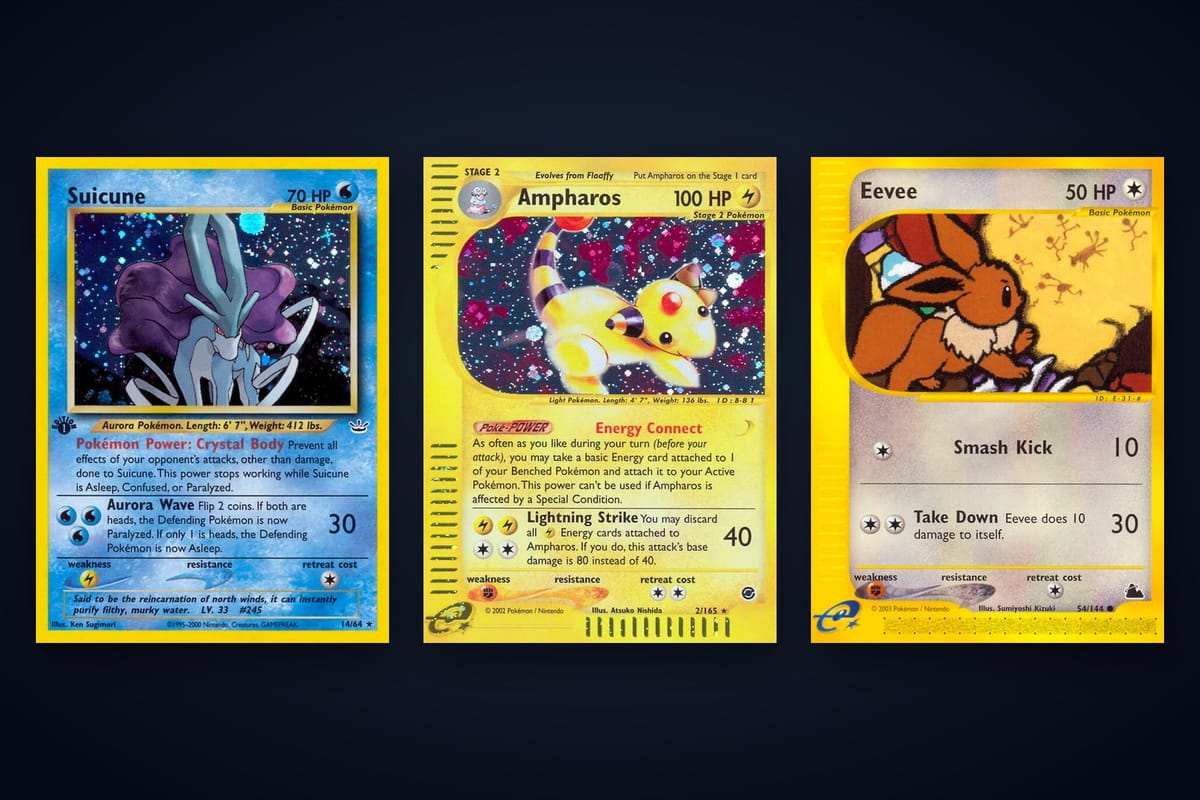
30-day price movers — live data from Midpoint's card database, as of 2026-08-10. Prices move; Midpoint refreshes these daily.
| Card | Raw | PSA 10 | 30-day | |
|---|---|---|---|---|
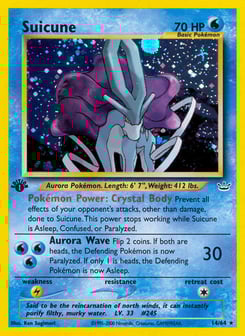 |
Suicune #14/64 Neo Revelation (2001) |
$460.70 | $2,450 | -91.8% |
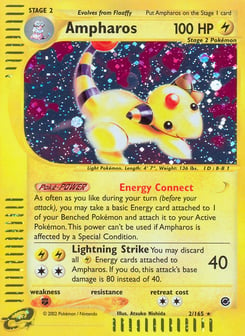 |
Ampharos #2/165 Expedition Base Set (2002) |
$175.00 | $3,050 | -91.4% |
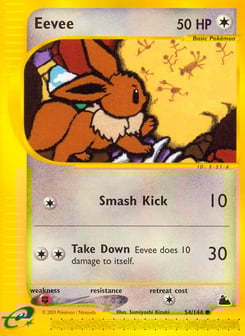 |
Eevee #54/144 Skyridge (2003) |
$44.21 | $585.41 | -87.2% |
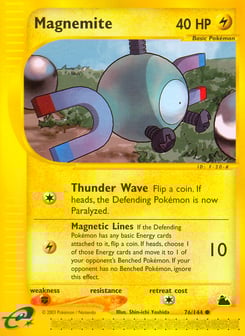 |
Magnemite #76/144 Skyridge (2003) |
$68.94 | $98.21 | -86.1% |
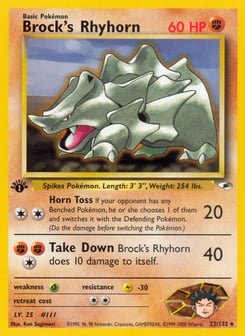 |
Brock's Rhyhorn #22/132 Gym Heroes (2000) |
$19.70 | $78.66 | -85.5% |
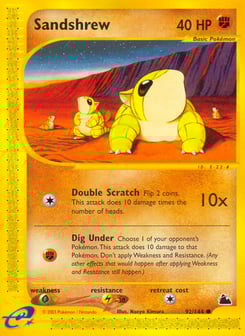 |
Sandshrew #92/144 Skyridge (2003) |
$99.99 | $201.05 | -85% |
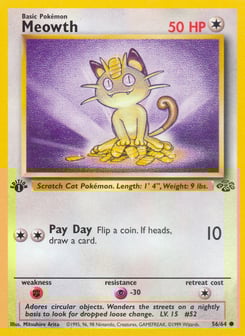 |
Meowth #56/64 Jungle (1999) |
$56.58 | $379.06 | -84.8% |
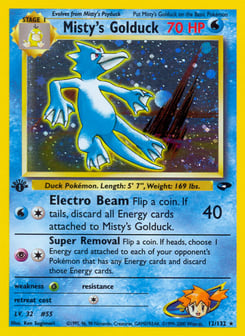 |
Misty's Golduck #12/132 Gym Challenge (2000) |
$114.49 | $2,358 | -84.2% |
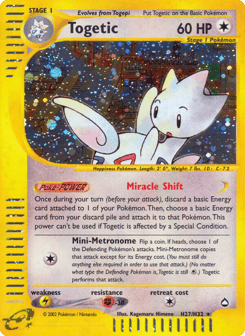 |
Togetic #H27/H32 Aquapolis (2003) |
$150.00 | $1,275 | -82.6% |
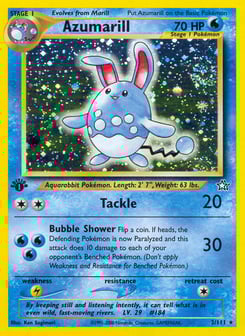 |
Azumarill #2/111 Neo Genesis (2000) |
$94.25 | $2,554 | -82.3% |
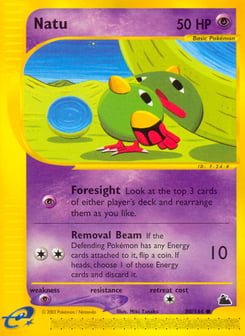 |
Natu #80/144 Skyridge (2003) |
$54.99 | $202.45 | -82.2% |
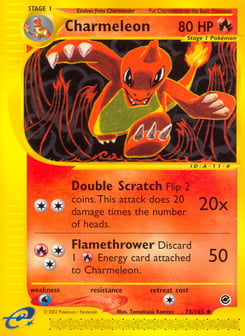 |
Charmeleon #73/165 Expedition Base Set (2002) |
$139.99 | $390.81 | -82% |
Look up any card's current raw and graded value in Midpoint — and get an estimated grade before you pay to submit.
1. Pokemon Card Market August 2026: Overview of Price Drops
As of 2026-08-10, the Pokemon card market is experiencing a broad decline in prices, interpreted by many as a correction following an extended bull run. Both raw and PSA 10 graded cards have shown falling values, with some top chase cards reportedly losing up to 20-30% in the past 30 days. This drop appears to reflect a mix of increased supply, waning collector frenzy, and strategic reprints from official sources.
Market watchers note that while high-end cards saw sharper drops, many low-price singles remain relatively stable or only mildly affected, preserving entry points for new collectors.
- Raw card prices for cards like Shadowless Charizard 1st Edition reportedly dropped around 18% recently
- PSA 10 graded Gengar SIRs declined by approximately 22%
- Sealed booster boxes from recent sets fell between 10-15%
2. Top Pokemon Cards Losing Value in August 2026
Several key chase cards have experienced some of the largest price drops over the last 30 days. These include:
- Shadowless Charizard 1st Edition: A marquee card that reportedly fell nearly 18% in raw and graded forms, possibly due to market saturation and reprint rumors.
- Gengar SIR (Shiny Individual Rare): The PSA 10 market price dropped around 22%, influenced by increased supply and reduced speculative buying.
- Dragonite Reverse Holo: Noted for a roughly 15% dip in raw prices as collectors shift focus to newer sets.
These declines illustrate how supply and demand dynamics can influence card values, especially for singles with strong collector interest.
3. Single-Card Drops vs Set-Level Declines
While specific chase cards dropped notably, many entire sets are trending downward as well. Sets like "Evolving Skies" and "Brilliant Stars" have reportedly seen overall market declines of around 10-12% month-over-month. This is partly attributed to reprints that increase market supply, reducing scarcity.
Conversely, older sets with fewer reprints appear to show more price stability, potentially offering safer long-term holds for collectors.
4. Sealed Product Declines: Booster Boxes and Elite Trainer Boxes
Sealed product prices have also declined. Booster boxes from recent expansions such as "Lost Origin" and "Astral Radiance" reportedly dropped 10-15%, while Elite Trainer Boxes (ETBs) saw similar declines. Bundles and special collections also lost value as retailers discount stock to clear inventory.
This trend reflects growing caution among buyers, who may hesitate to pay premiums amid market cooling.
5. Reprint-Driven Supply Pressure Impact
One of the main factors contributing to falling Pokemon card prices in August 2026 is the increase in reprints. Popular cards and sets have been reissued, increasing supply and diluting scarcity-driven price spikes. For example, the "Brilliant Stars" set reprints expanded availability of highly sought-after cards, which has put pressure on secondary market prices.
Collectors monitoring reprint announcements might anticipate similar short-term price adjustments ahead.
6. Month-Over-Month and 30-Day Market Trend Data
Market data from Midpoint indicates downward trends over the past 30 days:
- Average raw card prices fell approximately 12%
- PSA 10 graded card prices decreased around 14%
- Booster boxes and sealed products down about 11%
Such data suggests a widespread market correction rather than isolated declines.
7. High-End Cards vs Low-Price Cards Performance
High-end cards, including rare chase cards and PSA 10 graded singles, appear most affected by the August 2026 price drop. These saw double-digit percentage declines, likely due to speculative demand retreating and supply increases.
In contrast, low-price cards and commons have held steadier, with some even gaining slight value as new collectors enter the market attracted by lower entry points.
8. Near Mint Market-Price Methodology and Sales Thresholds
Market prices reflect near mint condition sales, filtering out heavily played cards. Midpoint uses rigorous sales thresholds to track only reliable transaction data, aiming to ensure accuracy in price trends. This methodology helps collectors trust that reported declines reflect real market movements rather than anecdotal evidence.
9. Pokemon Cards to Buy the Dip: Strategic Opportunities
Falling Pokemon card prices may present buying opportunities for savvy collectors. Buying raw cards that center well and pre-grading them can potentially unlock hidden value. For instance, a cheap raw Shadowless Charizard with near-perfect centering might grade PSA 9 or 10, which could significantly increase its resale or collection value.
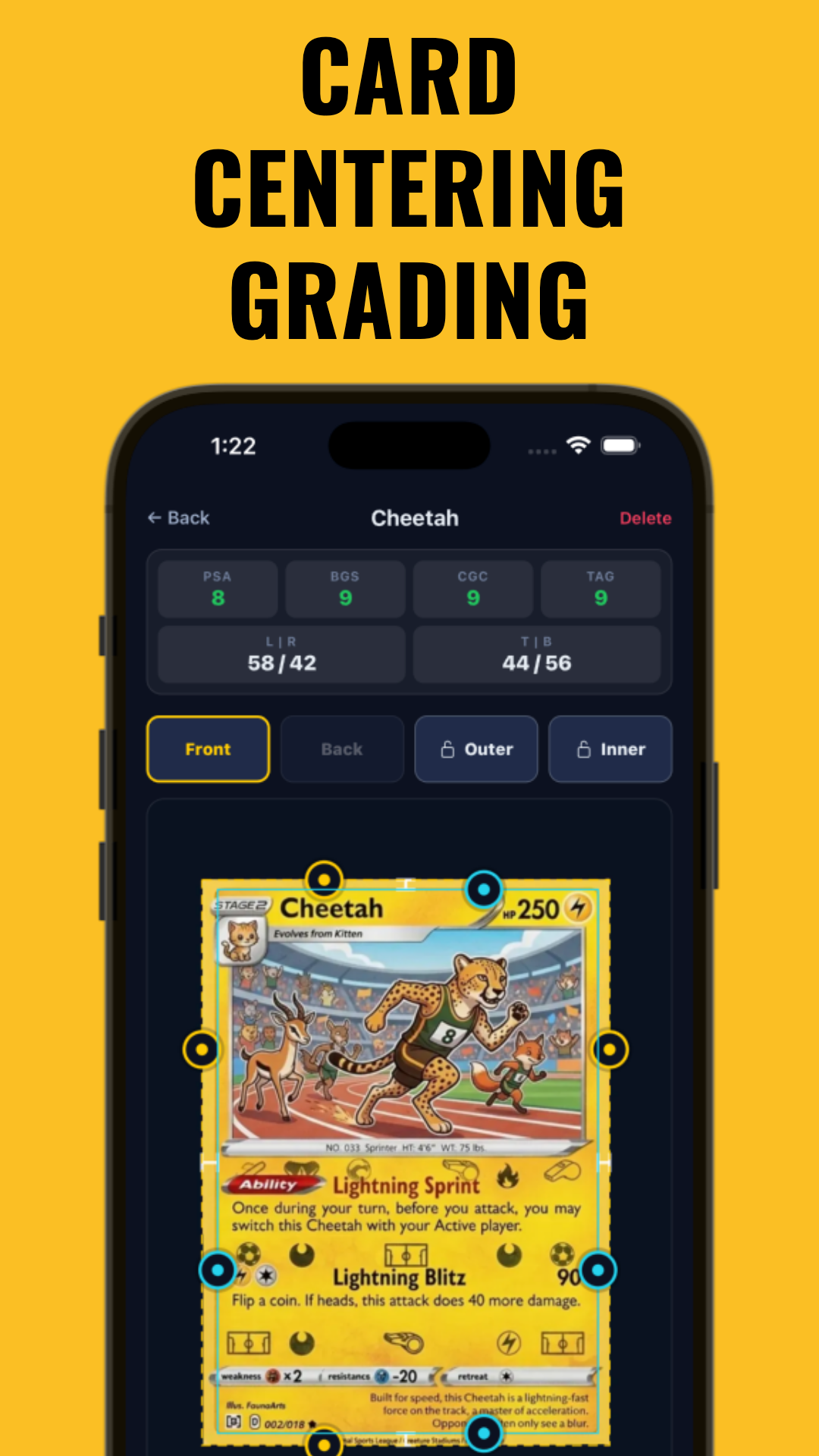
Using Midpoint’s AI digital grading and centering measurement tools can assist in identifying these undervalued cards before investing in expensive grading services.
- Measure centering to the millimeter before submitting for grading
- Compare raw vs graded prices to maximize profit margins
- Track your collection’s value over time with portfolio tools
Learn more about precise centering measurements in How to Measure Pokémon Card Centering: A Practical Guide.
10. Using Midpoint to Navigate the August 2026 Market Correction
Midpoint offers collectors an all-in-one app to stay informed during this market correction. Its AI-based grading estimates aim to reduce risk by previewing your card’s potential PSA, BGS, CGC, and TAG grades. Portfolio tracking helps monitor value fluctuations, and card lookup compares raw and graded pricing across 250,000+ cards.
By integrating Midpoint into your collecting strategy, you can approach buying the dip and grading with more information amid falling Pokemon card prices.
Conclusion
The Pokemon card market in August 2026 is undergoing a correction with widespread price declines driven by reprints, increased supply, and cooling hype. While some high-end singles and sealed products fell sharply, low-price cards remain relatively stable, offering entry points for new collectors. Strategic buyers may capitalize on the dip by pre-grading well-centered raw cards using Midpoint’s AI tools, potentially turning market volatility into opportunity.
Stay informed with real-time market data and precise grading insights at Midpoint to navigate these changes with confidence.
FAQ
Q: Why are Pokémon card prices dropping in August 2026?
A: Prices are declining due to increased supply from reprints, fading hype after a strong bull market, and cautious buyer sentiment leading to a market correction rather than a crash.
Q: Which Pokémon cards dropped the most in the last 30 days?
A: Cards like the Shadowless Charizard 1st Edition and Gengar SIR PSA 10 have seen some of the steepest drops, with declines up to around 22% as of 2026-08-10.
Q: Are booster boxes and Elite Trainer Boxes dropping too?
A: Yes, sealed products including booster boxes and ETBs from recent sets have fallen between 10-15% as collectors hold back and retailers discount inventory.
Q: Is this a market crash or just a correction?
A: It is generally considered a correction following an extended price run-up, driven by supply increases and reprints. The market remains active with opportunities for strategic buying.
Q: Which sets are trending down the fastest right now?
A: Sets such as "Evolving Skies" and "Brilliant Stars" are trending down faster due to reprints and higher supply, with month-over-month declines of around 10-12%.
Q: Will Pokémon card prices keep falling after reprints?
A: Prices may continue to adjust in the short term as supply stabilizes, but long-term values depend on demand and collector interest. Using grading tools like Midpoint can help identify cards likely to retain or regain value.
Free to start
Try the Midpoint app
Grade any card from a photo, see its raw and PSA 10 value, and track what your collection is worth — free.
Get it on iPhoneGet it on Android