Pokemon Card Prices Dropping November 2026: 9 Moves
Pokemon card prices dropping in November 2026? See why cards lose value, how raw, PSA 10 and sealed differ, and how to buy the dip or grade a cheap copy.

Estimated reading time: 9 min
Key Takeaways
- Pokémon card prices dropping in November 2026 often follows a familiar cycle: post-release supply, fading hype and speculative listings correcting.
- Drops are not uniform. New-set singles, sealed product, raw cards and PSA 10s all move differently.
- Judge a dip by completed sales, not asking prices. The table in this guide shows Midpoint's figures as of 2026-11-08.
- The best dip strategy is selective: buy cards you want to keep, and grade only copies that center well.
Pokémon card prices dropping in November 2026 is the question on every collector's mind. Some people see a bargain bin. Others see a warning sign that their binder is losing value.
The truth sits in between. Falling Pokémon card prices are often a normal cooling-off period, not a collapse. This guide walks through what is happening in the Pokémon card market in November 2026, which categories feel it most, and nine practical moves for sellers, buyers and graders. Our price table shows the specific percentage and dollar moves as of 2026-11-08, so this article focuses on how to read them and what to do next.
30-day price movers — live data from Midpoint's card database, as of 2026-11-08. Prices move; Midpoint refreshes these daily.
| Card | Raw | PSA 10 | 30-day | |
|---|---|---|---|---|
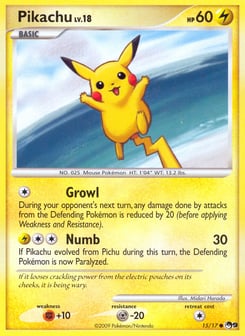 |
Pikachu #15/17 POP Series 9 (2009) |
$22.67 | $299.00 | -96.8% |
 |
ニャースVMAX #029/S-P Sword & Shield Promos (2019) |
$137.76 | $365.16 | -84.9% |
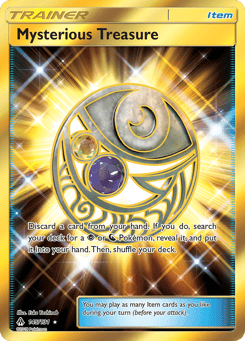 |
Mysterious Treasure #145/131 Forbidden Light (2018) |
$20.01 | $20.80 | -78.1% |
 |
グズマ #152/150 GXウルトラシャイニー (2018) |
$46.96 | $55.41 | -72.7% |
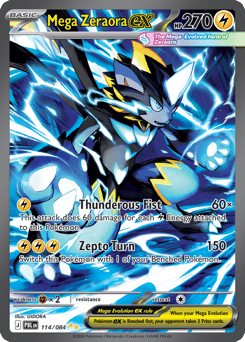 |
Mega Zeraora ex #114/084 Pitch Black (2026) |
$31.51 | $208.33 | -72.7% |
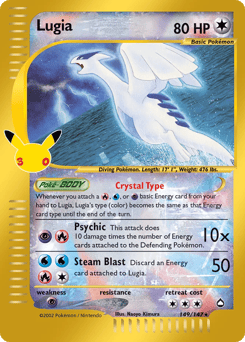 |
Lugia #149/147 30th Celebration: Classic Collection (2026) |
$121.91 | $571.90 | -71% |
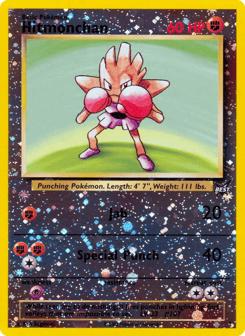 |
Hitmonchan #2 Best of Game (2002) |
$43.47 | $4,472 | -69.7% |
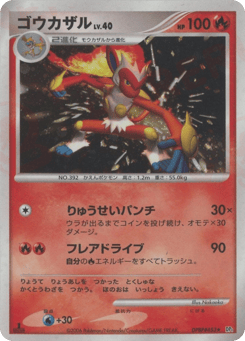 |
ゴウカザル #DPBP#453 時空の創造 (2006) |
$17.99 | $163.00 | -66.3% |
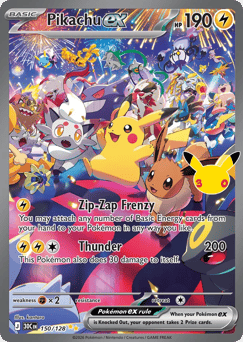 |
Pikachu ex #150/128 30th Celebration (2026) |
$35.93 | $436.07 | -64.4% |
Look up any card's current raw and graded value in Midpoint — and get an estimated grade before you pay to submit.
1. Read Completed Sales, Not Asking Prices
The first rule of any Pokémon card market check is to ignore what sellers hope to get. Asking prices lag the real market, sometimes by weeks. Sellers hold out, list high and wait. A card can look stable on a marketplace page while actual sales keep stepping down.
Completed sales show what buyers actually paid. A reliable decline reading should account for a few things:
- Recent sales only: compare the last 30 days against the 30 days before.
- Liquidity: a card with two sales a month can swing wildly on one outlier.
- Market breadth: a drop across many cards means more than one headline card sliding.
- Condition matching: raw, PSA 9 and PSA 10 are separate markets and should never be blended.
When you read the table in this post, treat it the same way. Large percentage moves on thinly traded cards deserve more skepticism than modest moves on cards that sell daily.
2. Expect the Biggest Drops in Fresh-Release Singles
The steepest falling Pokémon card prices often show up in cards from sets that just launched. At release, supply is low and curiosity is high, so early listings tend to carry a premium. Then more boxes get opened and more copies hit the market.
This tends to hit chase cards, such as alternate arts and secret rares, hardest in percentage terms. They start with the biggest hype premium, so they have the most air to lose. Ordinary rares and uncommons tend to move less because there is little premium to deflate.
Check the table for the biggest losers by percentage versus by dollar value. They are often different cards. A cheap card can fall by a large percentage while a pricey card loses far more actual money on a smaller percentage drop.
3. Compare Raw Prices Against PSA 10 Prices
Raw and graded cards respond differently when the market cools. Raw copies are often the first to move, because every opened pack adds ungraded supply. PSA 10 prices depend on how many gem-mint copies exist, and that population builds more slowly because grading takes time.
That creates a few patterns worth watching:
- Raw often drops first and faster after a release, as pulls flood the market.
- PSA 10 prices can hold longer early on, then soften as grading returns increase the population.
- The raw-to-PSA-10 gap is what decides whether grading is worth the fee at all.
When raw prices drop but PSA 10 prices hold, the spread widens. That can make grading a cheap raw copy more attractive, as long as the card actually has gem-mint potential. More on that in item 9.
4. Treat Sealed Product Separately
Booster boxes, bundles and premium deck products do not follow the same curve as singles. Sealed prices are driven by print runs, reprints and what collectors expect to be worth opening later.
During a release window, sealed product from the new set tends to be abundant and is sometimes discounted by retailers. Older sealed product depends on whether it is still in print. If a reprint is announced or a product is easy to find again, prices can soften. If supply dries up, prices can hold even while singles from the same set slide.
One more point: premium products like special collections and decks often carry a retail-driven floor. They can fall less than speculative chase singles, but they also rarely spike. If you are comparing sealed to singles, check how both behave in the table for the same set before assuming they move together.
5. Separate Modern Cards From Vintage
Pokémon cards losing value in November 2026 is likely to be mostly a modern-card story. Recent sets, including the newer Mega Evolution-era releases, are printed in large volume. That keeps supply high and can make price corrections sharper.
Vintage cards operate in a different market. Supply is fixed and demand rests on nostalgia and long-term collecting, so short-term dips are usually shallower and recover differently. A popular vintage holo does not usually react to a new-set release the way a fresh chase card does.
That said, vintage is not immune. High-end vintage can soften when speculative auction prices cool or when buyers shift budget to new releases. When scanning the table, compare older sets against recent ones before concluding the whole Pokémon card market is falling.
6. Understand Why Prices Cool Off
Falling Pokémon card prices rarely have one cause. Four forces usually overlap:
- Post-release supply: every case opened adds copies. Early scarcity can disappear quickly.
- New-set releases: collectors move budgets to the newest product, pulling money out of older cards.
- Hype fading: social media attention often peaks around release, then moves on.
- Speculative auction corrections: a few record-high sales can inflate a card's price before more sales bring it back down.
None of this means a card is bad. It means the early price included a premium for novelty. Knowing which force is driving a specific drop helps you tell a temporary dip from a lasting reset.
7. Know How Long Prices Usually Keep Falling
There is no fixed timetable, and anyone promising an exact bottom date is guessing. The common pattern, though, is a steep early decline in the first weeks after a set launches, followed by a flatter stretch as supply stabilizes and the next release approaches.
Signs a card may be near a floor:
- Weekly declines are getting smaller, not larger.
- Sales volume holds steady instead of drying up.
- The gap between asking and sold prices narrows.
- Opening-driven supply slows as boxes sell through.
If the table shows a card still dropping at the same pace week after week, it may not have bottomed. If the pace is slowing, patience may be rewarded. Also watch for holiday demand, which can lift some categories late in the year.
8. Pick Pokémon Cards to Buy the Dip, With Rules
Searching for Pokémon cards to buy the dip is smart only if you are selective. A falling price is not automatically a discount.
Use a simple filter before you buy:
- Do you want to keep it? If you would not want it at a lower price, skip it.
- Is demand character-driven? Popular Pokémon with lasting appeal tend to hold up better than cards that were only hyped for a week.
- Is the drop decelerating? Buying into a freefall is catching a falling knife.
- Can you stagger purchases? Buying in two or three steps is usually easier than trying to hit the exact bottom.
Cards that sit at the top of the table's loser list deserve a closer look, but they also carry the most risk. Weigh both columns, percentage and dollars, before committing.
9. Grade a Cheap Copy That Centers Well
A dip creates a rare opening: a cheap raw copy of a popular card. If it centers well, grading can turn it into a strong long-term hold. If it does not, you have spent a grading fee on a mediocre slab.
Centering is the easiest factor to check before you pay. PSA's gem-mint standard allows roughly 55/45 centering on the front and 75/25 on the back, and centering problems are among the common reasons a copy misses a 10. Our guide to how centering impacts card value explains how much that matters for resale.
A quick pre-grade routine:
- Measure front and back centering with the free centering calculator.
- Inspect corners, edges and surface under bright, angled light.
- Compare the likely grade's price against the raw price plus the grading fee, which varies by company and service level.
- Follow a step-by-step pre-grading process before you submit anything.
Midpoint measures centering down to the millimeter and gives instant estimated PSA, BGS, CGC and TAG grades, so you can screen a cheap copy before spending anything. Grading scales differ by company, so it also helps to understand how PSA, BGS and CGC top grades compare.
10. Decide: Buy, Sell, Hold, Grade or Wait
Put it all together with a clear decision framework for November 2026.
- Buy: cards you love, with slowing declines and healthy sales volume.
- Sell: cards you hold only for short-term profit, especially fresh-release chase singles still at a hype premium.
- Hold: long-term favorites and vintage you bought for the collection, not the quick flip.
- Grade: only cheap copies with strong centering and clean surfaces.
- Wait: anything still falling at an accelerating pace.
Tracking what you own makes these calls easier. A portfolio view shows your collection's value over time, so a dip becomes a number you can see instead of a feeling.
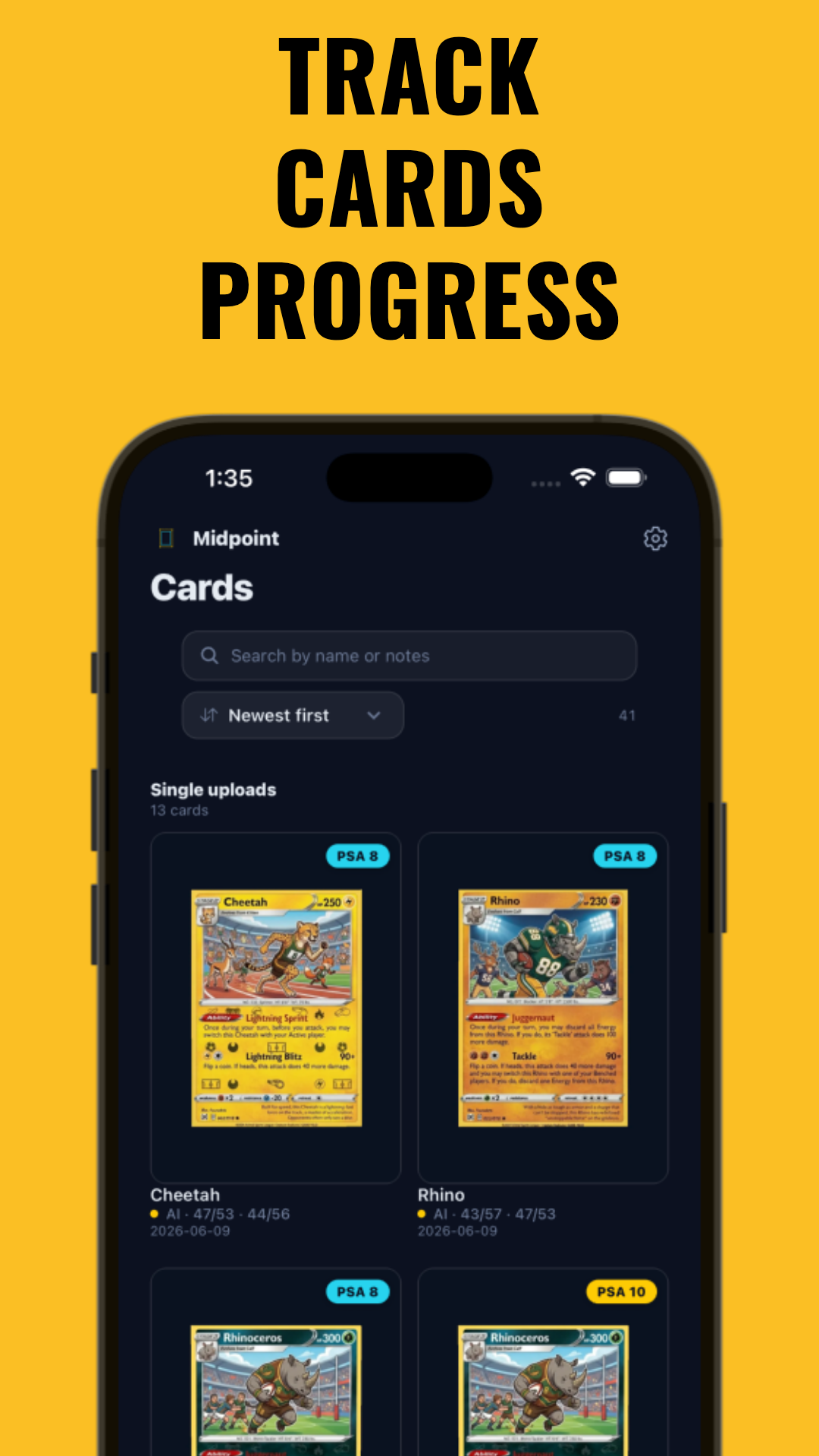
If you hold through the dip, protect your cards. Poor storage can cost you more value than a market dip, so review our guide on how to store valuable cards.
Conclusion
Pokémon card prices dropping in November 2026 is best read as a possible market cooling off, not a verdict on the hobby. New-set singles and raw cards often fall first and fastest. Sealed product, PSA 10s and vintage tend to behave differently, so look at each category on its own.
Use completed sales, check whether declines are slowing, and buy only what you would happily keep. If a cheap copy centers well, a dip can be a smart moment to grade. Download Midpoint to check centering, estimate grades and track your collection before you spend a dollar.
FAQ
Q: Are Pokémon card prices dropping in November 2026?
A: In some categories, likely yes. Declines tend to be concentrated in recent releases, while other cards are flatter. See the table in this guide for Midpoint's figures as of 2026-11-08.
Q: Why are Pokémon card prices falling after a new set release?
A: More packs get opened, which increases supply. At the same time, launch hype fades, collectors shift budgets to newer products, and speculative early prices correct.
Q: How long do Pokémon card prices keep dropping after release?
A: There is no fixed schedule. Declines are usually steepest in the first weeks and then flatten. Look for smaller weekly drops and steady sales volume as signs of a floor.
Q: Is it better to buy Pokémon cards now or wait for prices to fall further?
A: It depends on the card. If a decline is slowing and you want to keep the card, buying in stages is reasonable. If prices are still falling quickly, waiting is safer.
Q: Which Pokémon cards and sealed products have lost the most value in November 2026?
A: Fresh-release chase singles tend to lose the most in percentage terms. Check the table for the specific biggest losers by percentage and by dollar value as of 2026-11-08.
Q: Are Pokémon card prices going down across the whole market or only for modern cards?
A: The pressure is usually strongest on modern cards because of high print runs and new releases. Vintage usually moves more slowly, though high-end vintage can soften when speculative sales cool.
Free to start
Try the Midpoint app
Grade any card from a photo, see its raw and PSA 10 value, and track what your collection is worth — free.
Get it on iPhoneGet it on Android