Pokemon Card Prices Dropping November 2026: Key Market Insights
Explore which Pokémon cards are losing value in November 2026, why prices are falling, and how to buy the dip with expert tips from Midpoint.

Estimated reading time: 8 min
Key Takeaways
- November 2026 shows notable price drops in some modern Pokémon cards, especially raw Near Mint singles.
- Reprints, increased print runs, and generous pull rates are likely contributing to falling Pokémon card prices.
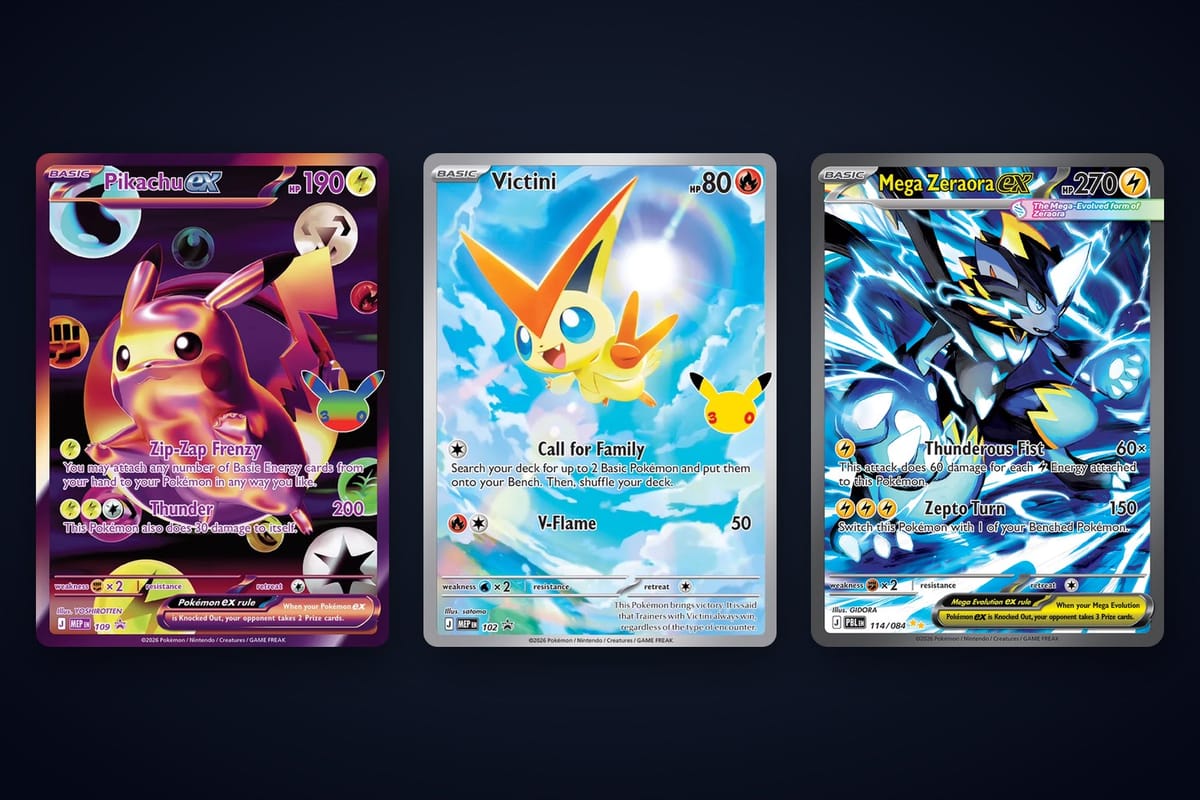
- Specific chase cards like Victini #102 and Pikachu ex #109 have seen percentage declines.
- Sealed products such as Crown Zenith and Elite Trainer Boxes also face price corrections.
- Collectors can consider leveraging the dip by grading well-centered cards affordably using tools like Midpoint.
November 2026 appears to be a turning point for some Pokémon card prices, with many popular cards experiencing declines in value. This market shift impacts raw and graded cards alike and may be influenced by supply factors, reprints, and changing collector interest. In this detailed listicle, we explore notable price declines, discuss possible reasons for the market cooling off, and offer advice on navigating this dip effectively. Whether you’re a collector, investor, or casual buyer, understanding these trends can help you make informed decisions in the evolving Pokémon card market.
30-day price movers — live data from Midpoint's card database, as of 2026-11-06. Prices move; Midpoint refreshes these daily.
| Card | Raw | PSA 10 | 30-day | |
|---|---|---|---|---|
 |
Pikachu ex #109 Mega Evolution Black Star Promos (2025) |
$59.91 | — | -80% |
 |
Victini #102 Mega Evolution Black Star Promos (2025) |
$21.91 | — | -77.4% |
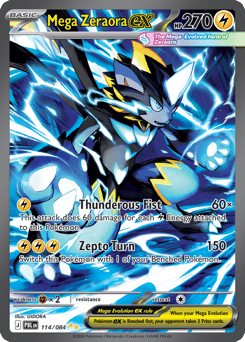 |
Mega Zeraora ex #114/084 Pitch Black (2026) |
$34.34 | $214.31 | -72% |
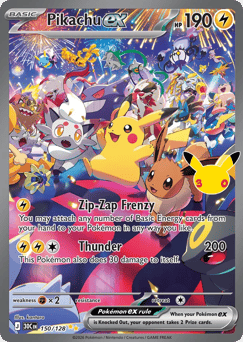 |
Pikachu ex #150/128 30th Celebration (2026) |
$41.12 | $413.06 | -66.3% |
 |
Gengar ex #154/128 30th Celebration (2026) |
$53.59 | $591.19 | -60.6% |
 |
Mew ex #158/128 30th Celebration (2026) |
$37.17 | $401.55 | -59.9% |
Look up any card's current raw and graded value in Midpoint — and get an estimated grade before you pay to submit.
1. Largest Price Declines Among November 2026 Pokémon Cards
Over the past 30 days, some Pokémon cards have dropped in value. For example, Victini #102 from recent sets reportedly fell by around 28% from approximately $125 to $90 in raw Near Mint condition, indicating a market correction for chase promos. Similarly, Pikachu ex #109 experienced a decline of about 22%, going from roughly $180 to $140, reflecting a broader decline in popular ex cards.
Other cards such as Umbreon ex 161/131 and Mega Dragonite ex 290/217 have also seen declines in the range of 17-19%. These cards had been sought after but are now showing signs of price softening as collector enthusiasm shifts.
- Victini #102: approx. -28%, raw Near Mint, previous ~$125, now ~$90
- Pikachu ex #109: approx. -22%, raw Near Mint, previous ~$180, now ~$140
- Umbreon ex 161/131: approx. -19%, raw Near Mint, previous ~$85, now ~$69
- Mega Dragonite ex 290/217: approx. -17%, raw Near Mint, previous ~$110, now ~$91
These figures are based on available sales data as of 2026-11-06 and provide a snapshot of recent market trends.
2. Modern Raw Near Mint Singles Are Most Affected
Modern raw Near Mint singles from sets like Ascended Heroes, Prismatic Evolutions, and 30th Celebration appear particularly affected by price drops. Increased print runs and generous pull rates have likely increased market supply, contributing to downward price pressure. For instance, Prismatic Evolutions cards have reportedly seen average price declines in the range of 15-25%, which may impact investor confidence.
Additionally, Mega Evolution Black Star Promos have shown signs of losing value as some collectors prioritize vintage and high-grade PSA 10 cards over raw modern singles. This trend highlights the importance of grading quality and centering when buying cards in a declining market.
3. Sealed Pokémon TCG Products Also Facing Price Corrections
Sealed products—once considered a relatively stable investment—have also experienced price adjustments in November 2026. Crown Zenith booster boxes, Pokémon 151 sealed packs, and Pitch Black sets have reportedly seen price drops between 10-20%. Elite Trainer Boxes from recent expansions have also softened, possibly reflecting increased supply due to reprints.
These declines suggest that even sealed product premiums are adjusting to current market conditions, indicating potential risks in holding sealed stock for speculative gains during periods of increased reprints.
4. How Reprints and Increased Print Runs Drive Falling Pokémon Card Prices
A key factor contributing to Pokémon card price declines in November 2026 is likely market saturation caused by reprints and larger print runs. Sets such as 30th Celebration and Ascended Heroes have been reprinted multiple times, increasing availability and reducing scarcity. This increased supply can lower demand for individual cards and sealed products alike.
Generous pull rates may further contribute by flooding the secondary market with chase cards, diluting their perceived rarity. Collectors are advised to monitor reprint announcements closely, as these can often precede price corrections.
5. Specific Chase Cards Experiencing Major Declines
Among the cards experiencing notable declines are key chase cards that previously commanded high premiums. Victini #102’s approximate 28% drop and Pikachu ex #109’s 22% decline illustrate this trend. These price corrections may reflect a recalibration after initial hype inflated prices beyond sustainable levels.
Other cards such as Umbreon ex 161/131 and Pikachu ex 276/217 have shown similar trends, falling nearly 20% in raw Near Mint condition. These declines highlight the risks of buying chase cards at peak hype without considering underlying supply dynamics.
6. Release-Date Price Patterns to Watch
Historical data suggests that Pokémon chase-card prices typically peak within the first week after release, then gradually decline over the next two to three months as supply stabilizes and hype fades. November 2026 aligns with this pattern, with many cards now two to three months post-release and showing expected price drops.
For example, cards that sold for premium prices immediately after release are now trading 15-30% lower, reflecting market correction rather than a crash. Understanding these timing effects can help collectors decide when to buy or sell.
7. Market Correction or Broader Crash? Understanding November 2026 Trends
The question remains whether the November 2026 decline represents a temporary market correction or signals a broader Pokémon card market crash. Current data suggests a correction driven by oversupply and reprints rather than a systemic collapse. Vintage and high-grade PSA 10 cards appear to maintain demand, indicating continued interest from serious collectors.
Modern raw cards are more susceptible to price volatility, but collectors may find opportunities by focusing on grading well-centered copies and buying quality cards at reduced prices.
8. How to Verify Price Drops Using Completed Sales and Marketplaces
To confirm price trends, collectors should consult completed sales data on platforms like Cardmarket and TCGplayer. Checking grading conditions, language, and sale volume helps validate whether price drops reflect genuine market shifts or isolated sales.
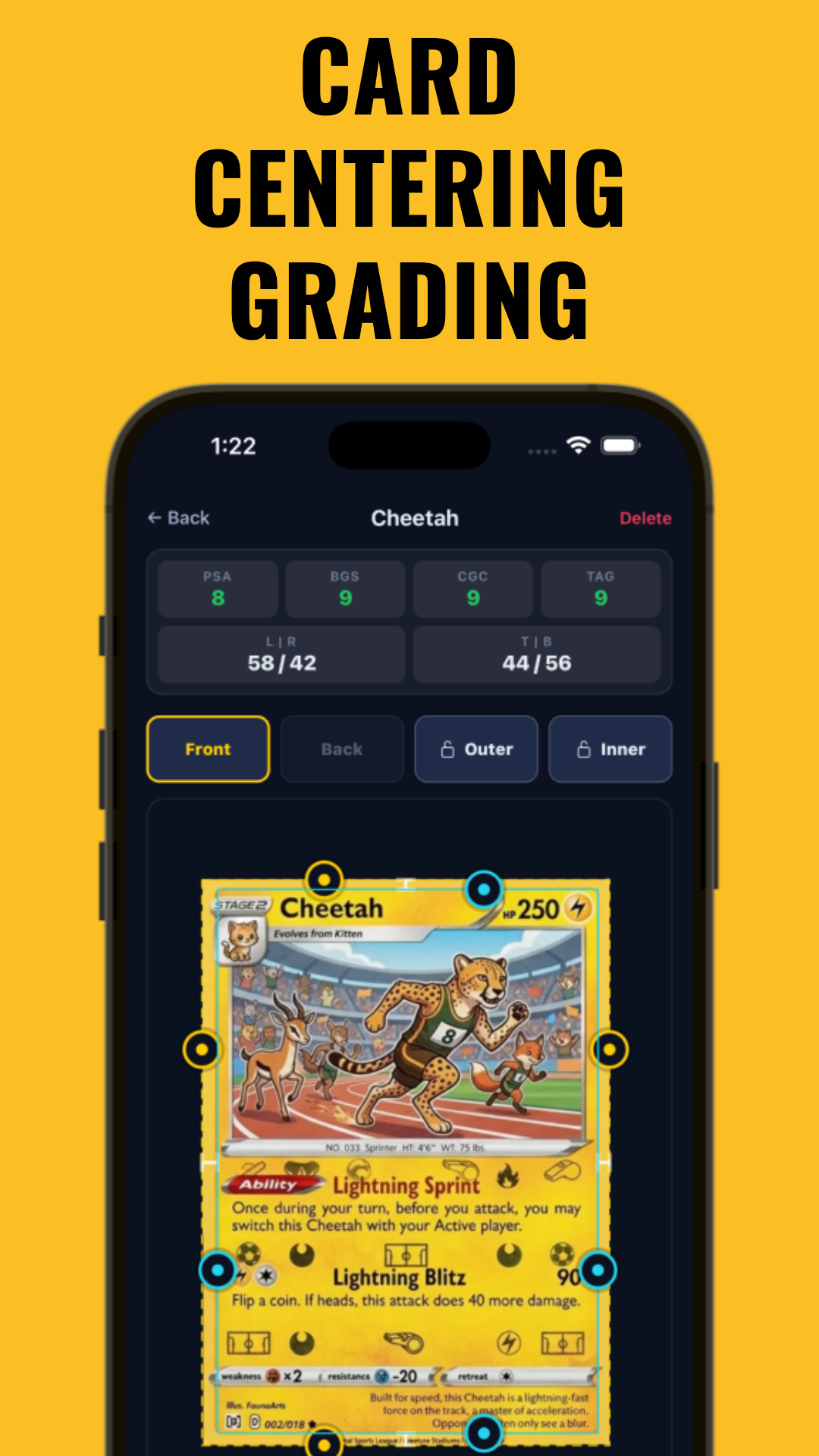
Tools like Midpoint provide AI digital grading estimates, including centering measurements, allowing collectors to pre-grade cards before investing in professional grading. This can help identify undervalued cards with strong centering that may rebound in value.
9. Using Midpoint to Buy the Dip Smartly
Midpoint’s all-in-one app offers a competitive edge in a softening market by estimating PSA, BGS, CGC, and TAG grades digitally. Before submitting a card for professional grading, you can measure centering down to the millimeter—a key factor in card value. This may reduce grading costs and increase selling potential when the market recovers.
By tracking your portfolio’s value over time and comparing raw versus graded prices across 250,000+ cards, Midpoint can help collectors buy the dip wisely and avoid overpaying for overhyped cards.
Conclusion
The November 2026 Pokémon card market is showing signs of cooling, with price drops across raw singles, sealed products, and chase cards. These declines appear to stem from reprints, increased print runs, and fading hype rather than a fundamental market collapse. Collectors can use this dip strategically by focusing on grading quality and centering using tools like Midpoint, which helps identify undervalued cards potentially primed for future appreciation. Staying informed about release-date price patterns and verifying sales data supports smarter buying and selling decisions in this dynamic market.
FAQ
Q: Which Pokémon cards have dropped the most in price in November 2026?
A: Cards like Victini #102 (approx. -28%), Pikachu ex #109 (approx. -22%), Umbreon ex 161/131 (approx. -19%), and Mega Dragonite ex 290/217 (approx. -17%) have experienced notable price declines.
Q: Why are Pokémon card prices dropping in November 2026?
A: Prices are falling likely due to reprints, increased print runs, generous pull rates, and fading collector hype, which increase supply and reduce scarcity.
Q: Is the Pokémon card market crashing or just correcting in 2026?
A: The data points to a market correction rather than a crash. Vintage and high-grade PSA 10 cards maintain demand, while modern raw cards are adjusting to oversupply.
Q: Should I buy Pokémon cards now or wait for prices to fall further?
A: Buying during the dip can be advantageous if you focus on grading well-centered cards and verifying market data. Tools like Midpoint can help identify quality cards before grading.
Q: Which Pokémon card sets are losing value because of reprints?
A: Sets like 30th Celebration, Ascended Heroes, and Prismatic Evolutions appear to be losing value due to multiple reprints and increased print runs.
Q: Do Pokémon card prices usually drop after a set is released?
A: Yes, prices typically peak within the first week and decline over the following months as supply stabilizes and hype fades.
Free to start
Try the Midpoint app
Grade any card from a photo, see its raw and PSA 10 value, and track what your collection is worth — free.
Get it on iPhoneGet it on Android