Pokemon Card Prices Dropping November 2026: What Collectors Must Know
Explore why Pokemon card prices are dropping in November 2026, top losers, market trends, and how to buy the dip wisely.

Estimated reading time: 8 min
Key Takeaways
- November 2026 saw price adjustments across various Pokémon cards and sets, affecting raw and PSA 10 values.
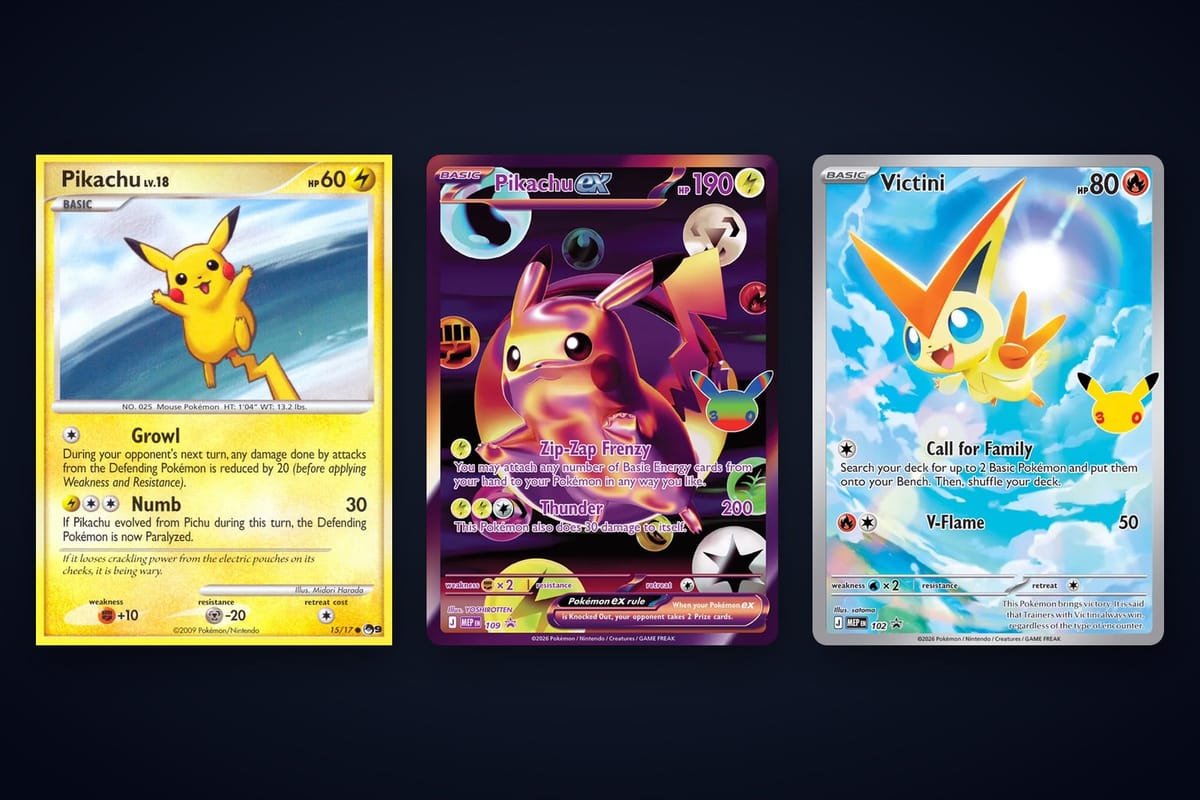
- Some declines were observed in Mega Evolution Black Star Promos like Pikachu ex #107 and Victini #102, possibly due to increased supply and changing market interest.
- Sealed sets such as Pitch Black and Journey Together also experienced value changes.
- Understanding raw versus graded price trends can help collectors make informed decisions about buying, holding, or selling.
- Using tools like Midpoint for AI grading and centering measurement may assist in optimizing buying decisions during market fluctuations.
November 2026 marks a period of adjustment in the Pokémon card market, with prices changing across various cards and sealed products. Collectors and investors benefit from understanding which cards have shifted in value, potential reasons behind these changes, and strategies for buying or selling in this evolving market. This guide summarizes recent market data, possible causes for price movements, and advice for navigating the current environment.
30-day price movers — live data from Midpoint's card database, as of 2026-11-08. Prices move; Midpoint refreshes these daily.
| Card | Raw | PSA 10 | 30-day | |
|---|---|---|---|---|
 |
Pikachu #15/17 POP Series 9 (2009) |
$22.67 | $299.00 | -96.8% |
 |
Pikachu ex #109 Mega Evolution Black Star Promos (2025) |
$59.91 | — | -80% |
 |
Victini #102 Mega Evolution Black Star Promos (2025) |
$21.91 | — | -77.4% |
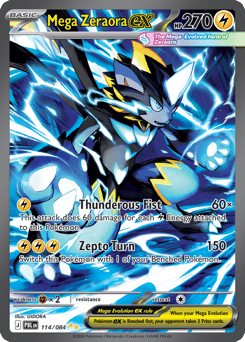 |
Mega Zeraora ex #114/084 Pitch Black (2026) |
$33.87 | $214.31 | -72% |
 |
Pikachu ex #150/128 30th Celebration (2026) |
$39.67 | $413.06 | -66.3% |
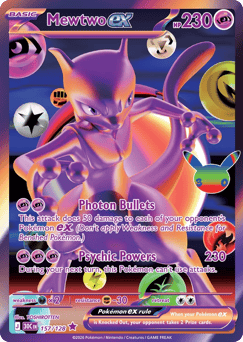 |
Mewtwo ex #157/128 30th Celebration (2026) |
$25.89 | $354.37 | -63.8% |
 |
Gengar ex #154/128 30th Celebration (2026) |
$47.73 | $591.19 | -60.6% |
Look up any card's current raw and graded value in Midpoint — and get an estimated grade before you pay to submit.
1. November 2026 Pokemon Card Price Changes: A Market Overview
As of 2026-11-08, the Pokémon card market shows a general trend of price adjustments, with many popular cards and sealed sets experiencing declines in both raw and PSA 10 grades. For example, the Mega Evolution Black Star Promos category saw notable percentage decreases, with Pikachu ex #107 reportedly dropping over 25%, while Victini #102 and Pikachu ex #109 also showed value changes.
Sealed products like Pitch Black and Journey Together sets have also seen declines, which may reflect a market correction following recent hype-driven gains. This market movement coincides with increased trading volume and liquidity, suggesting sellers are actively adjusting prices to meet demand.
- Market share of cards rising versus falling skewed toward falling prices in November.
- Raw card prices often show a more pronounced drop compared to PSA 10 graded copies, reflecting the premium collectors place on top condition cards.
- Newer sets appear more affected compared to vintage cards, indicating a concentration of weakness in recent releases.
2. Largest Individual Losers: Mega Evolution Black Star Promos
The largest markdowns appear in the Mega Evolution Black Star Promos category, which had seen speculative spikes earlier in the year. Notable declines include:
- Pikachu ex #107: Reported down around 27% from its October peak, possibly reflecting increased supply and diminished hype.
- Victini #102: Lost approximately 22%, potentially impacted by reprints and market saturation.
- Pikachu ex #109 and Espeon ex: Both dropped near 20%, indicating a broader trend of weakness in promo cards.
These cards illustrate how hype and reprints can influence price swings, making timing important for buyers and sellers.
3. Set-Level Declines: Sealed Products Under Pressure
Sealed Pokémon card sets, once considered relatively stable investments, have shown price declines in November 2026. Specifically:
- Pitch Black: Experienced an estimated 15% drop, possibly due to increased distribution and reduced collector urgency.
- Journey Together: Fell nearly 18%, reflecting fading hype after initial release excitement.
- Prismatic Evolutions and Phantasmal Flames: Both sets saw declines in the range of 12-14%, suggesting a market-wide trend.
These declines may indicate the sealed market is reacting to supply increases and normalizing after speculative demand cooled.
4. Raw vs Graded Price Trends: Understanding the Gap
Analyzing raw card prices alongside PSA 10 graded values provides insights for collectors. In November 2026:
- PSA 10 premiums remain relatively firm compared to raw cards but have softened slightly, with some falling 5-10%.
- Raw cards often show steeper declines, sometimes exceeding 20%, due to condition sensitivity and market oversupply.
- Price ladders for condition-based sales indicate a widening gap between top grades and lower-grade copies.
This dynamic suggests collectors seeking long-term value might consider grading cards that center well and are in excellent condition, using tools like Midpoint to pre-grade and measure centering before submission.
5. Modern vs Vintage Market Performance: Where Is Weakness Concentrated?
November’s data suggests that newer Pokémon sets are experiencing more price volatility, while vintage cards appear to hold more stable values. Key points include:
- Modern sets with recent reprints and promos tend to be more volatile and prone to price drops.
- Vintage cards remain sought after, with limited supply and collector demand supporting prices.
- Some investors may be shifting focus back toward vintage as a potentially safer hold during current market softness.
This trend highlights the importance of set selection when buying or holding cards amid market fluctuations.
6. Overall Market Context: Is the Pokémon Card Market Truly Declining?
Despite price adjustments, the market shows healthy trading volumes and liquidity, indicating active buyer and seller engagement. Broad market indexes suggest the changes may represent a correction rather than a collapse. Key observations:
- More cards are falling than rising, but many declines are moderate and expected after a speculative peak.
- Trading volumes have increased, suggesting sellers are adjusting prices to find new equilibrium levels.
- Liquidity remains sufficient, enabling collectors to buy and sell without excessive slippage.
Collecting remains viable, especially when using data-driven tools to identify undervalued cards.
7. Post-Release Price Behavior: Typical Decline Patterns
Chase cards often experience predictable price declines after release, influenced by supply and hype cycles. In November 2026:
- One-month post-release declines commonly range between 10-20% as initial hype fades.
- Two- and three-month declines can extend to 25-30% depending on additional supply and promo distribution.
- Extra supply from reprints or promotional events may accelerate these declines.
Understanding these patterns can help collectors decide when to buy during natural dips.
8. Reasons for Falling Pokémon Card Prices
Several factors likely contribute to the November 2026 price adjustments:
- Release-week speculation: Early buyers often pay premiums that normalize over time.
- Reprints and increased supply: Flood the market, reducing scarcity premiums.
- Promo distribution: Overabundance of certain promo cards may dilute value.
- Hype fading: Initial excitement tapers off, lowering demand.
- Sellers undercut one another: Competitive pricing can drive prices down.
Awareness of these factors can guide smarter trading and collecting strategies.
9. How to Verify Current Pokémon Card Values
Accurate valuation requires consulting multiple sources and data points. Recommended steps include:
- Reviewing dated sales and price-history charts on marketplaces like Cardmarket and eBay.
- Separating raw and graded price data for clearer insights.
- Using AI-powered grading apps such as Midpoint to estimate card grades before purchase or submission, potentially reducing risk.
- Tracking portfolio values over time to monitor market shifts.
Reliable data supports better buying and selling decisions.
10. Should You Buy, Sell, Hold, or Wait in November 2026?
Strategic moves depend on card type and market position:
- Chase cards: Consider buying on dips if condition and centering are strong; tools like Midpoint can assist with pre-grading.
- Sealed products: Selling may be prudent if liquidity is needed; holding could pay off if you believe in long-term value.
- Vintage cards: Generally considered safer to hold due to stable demand.
- Falling promos: Evaluate carefully; some may rebound, others could remain soft.
Patience and data-driven decisions are important as the market stabilizes.
Conclusion
November 2026’s Pokémon card price changes reflect a market adjustment influenced by supply, hype cycles, and promotional factors. Collectors should focus on understanding raw versus graded price trends, use AI tools like Midpoint to assess card quality, and carefully time their buying or selling actions. Leveraging market data and grading estimates can help capitalize on dips and avoid costly mistakes as the market seeks its next equilibrium.
FAQ
Q: Are Pokémon card prices dropping in November 2026?
A: Yes, November 2026 has seen price adjustments across many Pokémon cards and sealed sets, reflecting a market correction after earlier hype-driven peaks.
Q: Which Pokémon cards lost the most value in November 2026?
A: Mega Evolution Black Star Promos like Pikachu ex #107, Victini #102, and Pikachu ex #109 experienced some of the larger percentage drops, often exceeding 20%.
Q: Why are Pokémon card prices falling right now?
A: Key reasons include increased supply from reprints and promos, fading hype after release, speculative selling, and competitive undercutting among sellers.
Q: Is it better to buy Pokémon cards now or wait for prices to drop further?
A: Buying on dips can be advantageous if you use tools like Midpoint to ensure card quality and centering before purchase. However, patience is advised to avoid catching falling knives in some categories.
Q: Will Pokémon card prices go back up after the November 2026 decline?
A: Prices may stabilize and recover over time, especially for vintage and well-graded chase cards, but some promo and modern sets may remain soft longer.
Q: Which Pokémon sets and cards are safest to hold during the current market drop?
A: Vintage cards and top-condition graded chase cards generally hold value better. Modern sealed sets and heavily reprinted promos may carry more risk.
Free to start
Try the Midpoint app
Grade any card from a photo, see its raw and PSA 10 value, and track what your collection is worth — free.
Get it on iPhoneGet it on Android