Pokemon Card Prices Dropping October 2026: 10 Key Insights
Explore why Pokemon card prices are dropping in October 2026, which cards lost value, and how to buy the dip safely with grading tips and market trends.

Estimated reading time: 12 min
Key Takeaways
- October 2026 saw notable drops in prices for some popular 30th Anniversary Pokémon chase cards.
- Reprints, higher pull rates, and waning hype may be contributing to falling Pokémon card prices this month.
- Vintage, Japanese-exclusive, and low-population graded cards appear to remain relatively more stable despite the market adjustment.
- Sealed products like booster boxes and battle decks show some price declines but could offer buy-the-dip opportunities.
- Using AI grading tools like Midpoint can help collectors pre-grade cards and identify potentially undervalued buys.
October 2026 marks a notable shift in the Pokémon card market, with many popular cards and sealed products experiencing price declines. For collectors and investors, understanding which cards are losing value and potential reasons behind these changes is important to navigate this adjustment. This listicle breaks down some of the most affected cards, discusses possible market forces behind the drop, and highlights how to spot potential buy-the-dip opportunities. Whether you’re tracking raw or PSA 10 graded values, we’ll cover how supply, demand, and grading interplay to shape current trends.
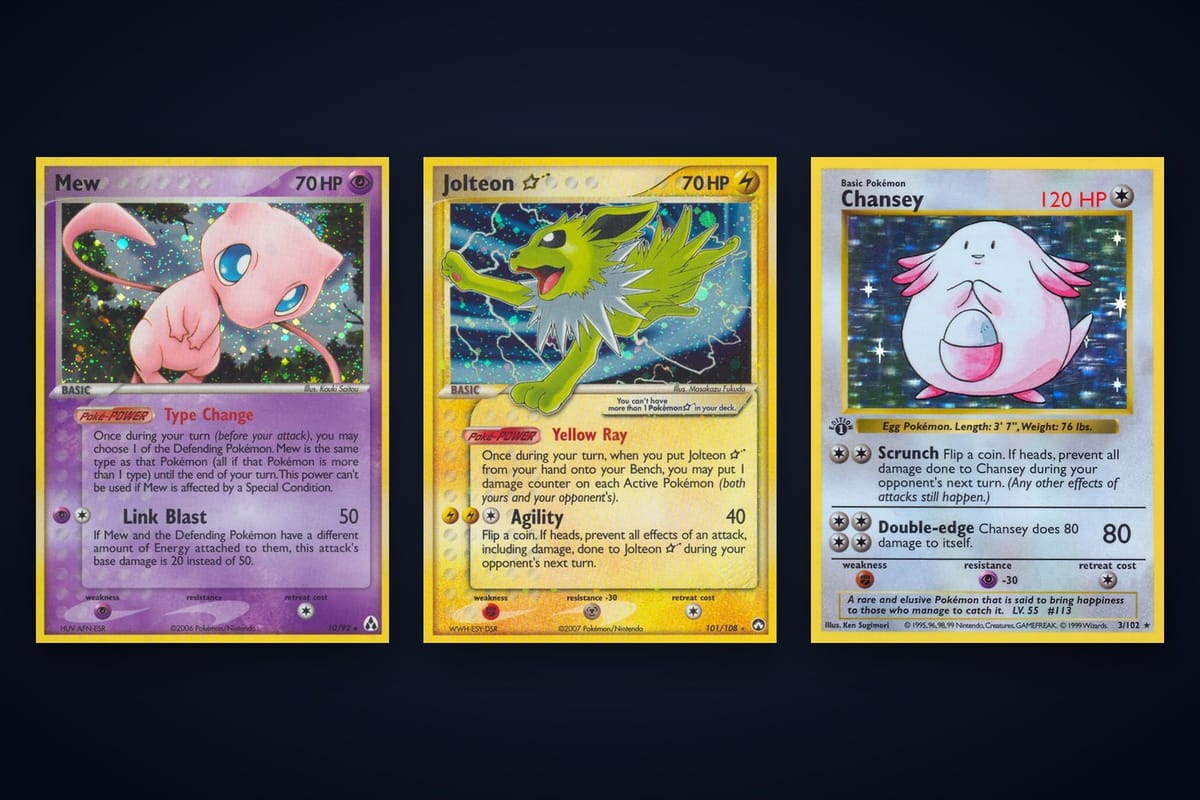
30-day price movers — live data from Midpoint's card database, as of 2026-10-11. Prices move; Midpoint refreshes these daily.
| Card | Raw | PSA 10 | 30-day | |
|---|---|---|---|---|
 |
Mew #10/92 Legend Maker (2006) |
$228.99 | $399.00 | -93.3% |
 |
Jolteon ☆ #101/108 Power Keepers (2007) |
$449.00 | $3,109 | -92.6% |
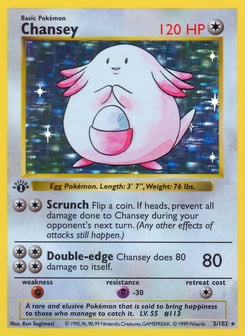 |
Chansey #3/102 Base (1999) |
$57.28 | $798.09 | -91.3% |
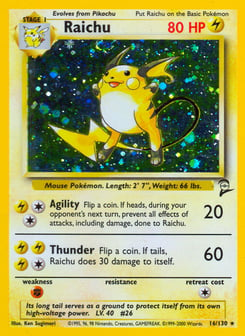 |
Raichu #16/130 Base Set 2 (2000) |
$64.05 | $1,308 | -85.2% |
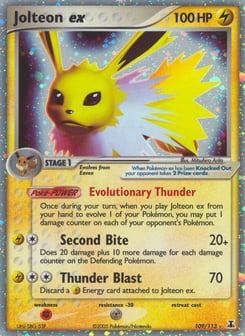 |
Jolteon ex #109/113 Delta Species (2005) |
$292.49 | $1,349 | -84.4% |
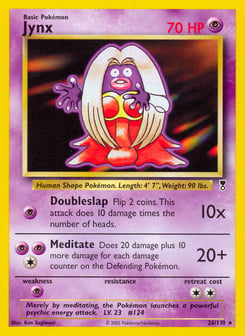 |
Jynx #26/110 Legendary Collection (2002) |
$110.24 | $692.39 | -84.1% |
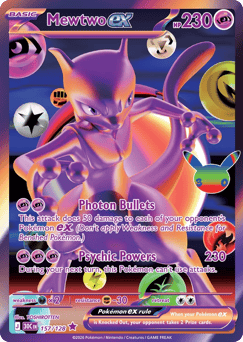 |
Mewtwo ex #157/128 30th Celebration (2026) |
$40.60 | $693.73 | -75.4% |
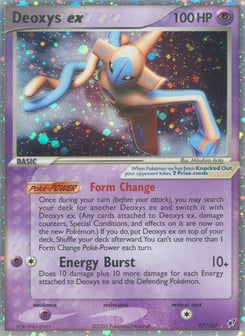 |
Deoxys ex #97/107 Deoxys (2005) |
$320.00 | $1,050 | -74.8% |
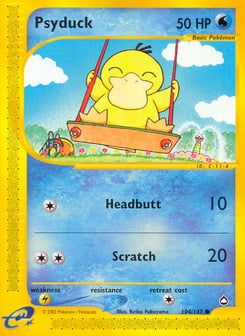 |
Psyduck #104/147 Aquapolis (2003) |
$218.82 | $2,066 | -62.7% |
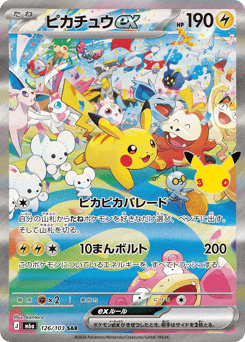 |
ピカチュウex #126/103 30th セレブレーション (2026) |
$7,800 | — | -61% |
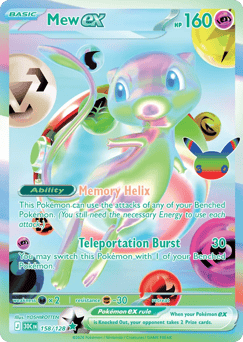 |
Mew ex #158/128 30th Celebration (2026) |
$60.77 | $1,001 | -59.6% |
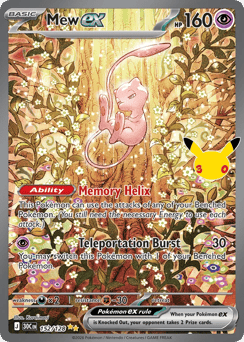 |
Mew ex #152/128 30th Celebration (2026) |
$94.74 | — | -53.2% |
Look up any card's current raw and graded value in Midpoint — and get an estimated grade before you pay to submit.
1. October 2026’s Biggest Price Drops on 30th Anniversary Chase Cards
Several chase cards from the Pokémon 30th Anniversary Celebration have experienced notable value declines as of 2026-10-11. Charizard VSTAR, once a flagship card, reportedly dropped about 22% in raw price and 18% in PSA 10 value. Pikachu VMAX, Mew, Jirachi ex, and Gengar ex also saw losses ranging from approximately 15% to 25% depending on condition and grading.
This trend may reflect a combination of factors, including increased market supply and collector fatigue. For example, Charizard VSTAR’s raw price moved from approximately $450 to $350, while its PSA 10 price decreased from around $1,200 to about $1,000. Collectors who bought during peak hype could be experiencing paper losses.
- Charizard VSTAR raw price down ~22%
- Pikachu VMAX down ~20%
- Mew and Jirachi ex dropped 15-18%
- PSA 10 graded cards show somewhat smaller declines but still notable
2. How Reprints and Larger Print Runs May Push Prices Lower
The Pokémon Company’s decision to increase print runs and issue reprints of popular chase cards has increased market supply. Higher pull rates from booster boxes and ETBs mean more collectors can access these cards, which can reduce scarcity and put downward pressure on prices.
Unlike vintage cards with limited print runs, the 30th Anniversary cards face greater availability that may dampen prices. This increased supply can discourage speculative holding and encourage selling to realize short-term gains, contributing to downward price pressure.
- Larger print runs increase card availability
- Reprints reduce scarcity premiums
- Higher pull rates may soften collector demand for sealed products
3. The Impact of Fading 30th Anniversary Hype and Collector Fatigue
After an initial surge fueled by nostalgia and hype, the 30th Anniversary momentum appears to be fading. Many collectors may have moved on or feel fatigued by the volume of new products, leading to reduced demand. Speculative investors could be liquidating positions, contributing to the price drops.
This cooling interest is typical in collectible markets after major events or anniversaries. As excitement wanes, prices often correct from inflated peaks toward values supported by longer-term collector interest.
- Hype-driven demand declines post-anniversary
- Speculative selling increases market supply
- Collector fatigue reduces buying pressure
4. Sealed Product Price Trends: Booster Boxes, ETBs, Bundles, and Battle Decks
Sealed products are also experiencing price adjustments. Booster boxes from sets like Celebration and Scarlet & Violet have reportedly dropped 10-15% in price since September 2026. Elite Trainer Boxes (ETBs) and themed battle decks also show declining values, reflecting lower secondary demand.
Despite this, sealed products may offer buy-the-dip opportunities if purchased at the right time. Lower prices combined with steady long-term interest in unopened product could yield attractive returns once the market stabilizes.
- Booster boxes down ~12%
- ETBs and bundles showing 10-15% declines
- Battle decks losing value but remain accessible entry points
5. Why Vintage, Japanese-Exclusive, and Scarce Graded Cards May Hold Up Better
Unlike modern 30th Anniversary cards, vintage cards from the Base Set era, Japanese-exclusive promos, and low-population graded cards appear to be more resilient. These cards benefit from scarcity, historical significance, and collector prestige.
Graded cards with very low population reports tend to maintain premiums because they are difficult to find in top condition. For example, a Japanese holo promo graded PSA 10 with fewer than 50 submissions may command a relatively stable price compared to mass-produced modern cards.
- Vintage cards have enduring collector demand
- Japanese exclusives remain scarce and coveted
- Low-population graded cards tend to retain value better
6. The Pokémon Market Correction vs. a Full Crash
It’s important to distinguish a market correction from a crash. The current October 2026 price drops represent a market adjustment after an overheated period rather than a collapse. Prices appear to be adjusting to more sustainable levels rather than collapsing to near zero.
Market corrections often precede stabilization and eventual growth, especially when supported by fundamentals like collector interest and scarcity. This differs from a crash where panic selling erodes confidence permanently.
- Correction signals market recalibration, not collapse
- Prices expected to stabilize after current volatility
- Long-term collector interest underpins value floor
7. How to Verify Current Market Prices Effectively
Using reliable data sources is critical to understanding true market values. Recent completed sales, population reports, and grading condition details all contribute to accurate price assessments. Midpoint’s app offers instant raw vs graded values for over 250,000 cards, updated daily.
Collectors should cross-reference multiple data points and consider grading levels when evaluating prices. For example, a raw Charizard VSTAR centered well might still fetch a premium if it grades highly.
- Check recent sales for up-to-date price trends
- Use grading population data to assess rarity
- Consider condition factors like centering and edges
8. Using AI Grading Tools Like Midpoint for Smart Buying
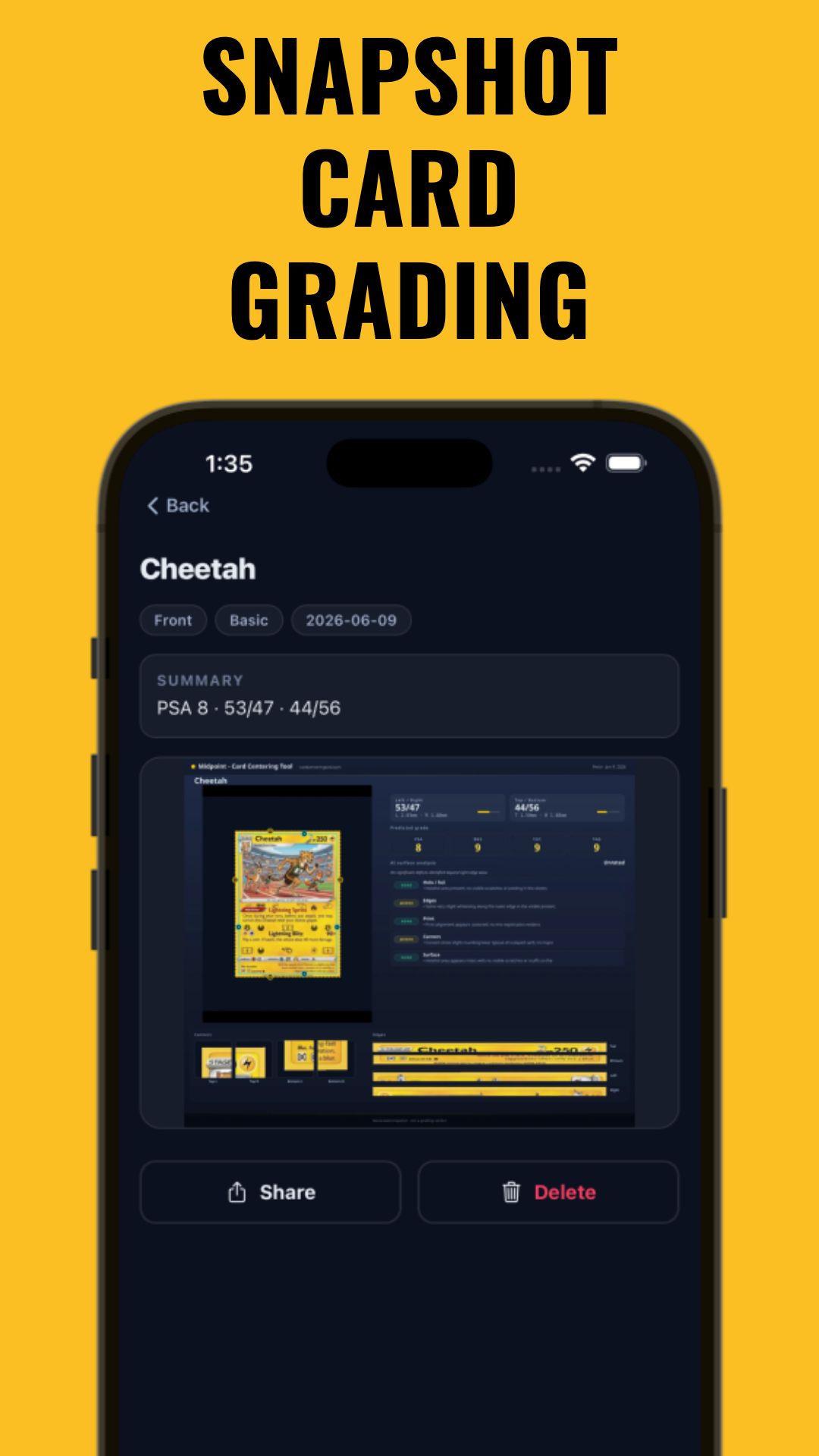
Midpoint’s AI digital grading provides estimated PSA, BGS, CGC, and TAG grades based on centering, corners, edges, and surface analysis. This allows collectors to pre-grade cards before paying expensive submission fees, potentially minimizing risk.
By measuring centering down to the millimeter, Midpoint helps identify cards that may be undervalued and could grade highly, which can be especially valuable when buying the dip to spot hidden gems.
- Instant grading estimates can save submission costs
- Precise centering measurement identifies premium cards
- Supports portfolio tracking to monitor collection value
9. Which Pokémon Cards to Buy the Dip on in October 2026
Potential buy-the-dip candidates include sealed booster boxes from recent sets, low-population graded vintage cards, and raw cards with exceptional centering that appear undervalued. For instance, a Mew card from the 30th Anniversary set with tight centering might rebound faster than the broader market.
It may be prudent to avoid heavily reprinted chase cards with large print runs unless you can grade them top-notch. Instead, focusing on quality and scarcity could help mitigate ongoing risks.
- Sealed booster boxes at discounted prices
- Raw cards with strong centering and condition
- Low-population graded vintage and promo cards
10. When Falling Pokémon Card Prices Signal Continuing Risk
Persistent price drops beyond typical correction ranges may indicate oversupply or waning collector interest. Cards with multiple reprints, large print runs, and poor condition face higher risks. Speculative bubbles popping often cause these sharper declines.
Collectors should watch for ongoing sales volume and price trends before committing. Using tools like Midpoint to pre-grade cards can reduce the chance of buying overvalued or damaged items that may continue to lose value.
- Watch for sustained price declines >20%
- Beware cards with frequent reprints and promos
- Use grading and centering data to avoid poor-quality buys
Conclusion
October 2026’s Pokémon card price drops reflect a market correction influenced by reprints, supply increases, and fading hype. While many 30th Anniversary chase cards and sealed products have declined, vintage and scarce graded cards appear more stable. Collectors can leverage AI grading tools like Midpoint to assess card condition precisely and identify buy-the-dip opportunities. By focusing on quality, scarcity, and verified market data, collectors can better navigate this correction and position their collections for potential future growth.
FAQ
Q: Why are Pokémon card prices dropping in October 2026?
A: Prices are dropping due to increased supply from reprints and larger print runs, fading 30th Anniversary hype, and speculative selling leading to a market correction.
Q: Which Pokémon cards lost the most value in October 2026?
A: Popular 30th Anniversary chase cards like Charizard VSTAR, Pikachu VMAX, Mew, Jirachi ex, and Gengar ex reportedly saw the largest declines, with raw prices dropping up to around 25%.
Q: Is the Pokémon card market crashing or just correcting?
A: The market is undergoing a correction, adjusting from overheated prices to more sustainable levels, not a full crash.
Q: Will Pokémon card prices continue to fall after October 2026?
A: Prices may stabilize after this correction, but cards with oversupply or poor condition could see continued declines. Monitoring grading and market data is essential.
Q: Should I buy Pokémon cards while prices are down?
A: Yes, but focus on sealed products, low-population graded vintage cards, and raw cards with excellent centering measured by tools like Midpoint to minimize risk.
Q: Are vintage Pokémon cards safer than modern cards during the 2026 price drop?
A: Generally, vintage, Japanese-exclusive, and scarce graded cards tend to hold value better due to scarcity and collector demand compared to modern mass-produced cards.
Free to start
Try the Midpoint app
Grade any card from a photo, see its raw and PSA 10 value, and track what your collection is worth — free.
Get it on iPhoneGet it on Android