Should I Sell Raw or Graded? Complete Card Value Guide
Discover when to sell raw or graded cards, how to check card prices, and maximize value with expert tips and Midpoint's digital grading tool.


Estimated reading time: 18 min
Key Takeaways
- Understanding raw vs graded card value is important for making informed decisions tailored to each card's unique attributes.
- Use tools like Midpoint’s card lookup and AI grading to estimate card prices, leveraging aggregated sales data and population reports for insights.
- Grading fees, shipping, and market demand influence whether grading is profitable; consider turnaround times and potential market fluctuations.
- Condition, rarity, and population reports affect the premium graded cards command, with condition improvements often impacting value.
- Selling raw may be better for low-value or heavily flawed cards needing quick cash, or when grading costs outweigh potential premiums.
Table of Contents
- Section 1: Understanding Raw vs Graded Card Value
- Section 2: How to Check Card Prices Effectively
- Section 3: What Makes a Card Valuable?
- Section 4: When Is It Worth Grading Your Cards?
- Section 5: How Grading Fees, Shipping, and Turnaround Affect Profit
- Section 6: Population Reports and Their Impact on Card Value
- Section 7: Selling Strategies: Raw vs Graded
- Conclusion
- FAQ
Section 1: Understanding Raw vs Graded Card Value
The Fundamental Difference
When deciding should I sell raw or graded, it’s important to understand the difference between raw and graded cards. A raw card is an ungraded, out-of-the-pack trading card whose value depends largely on condition, demand, and rarity but lacks formal authentication or a professional quality grade. Raw cards can vary widely in condition from mint to heavily played, and their value is subjective, relying on buyer trust and visual inspection.
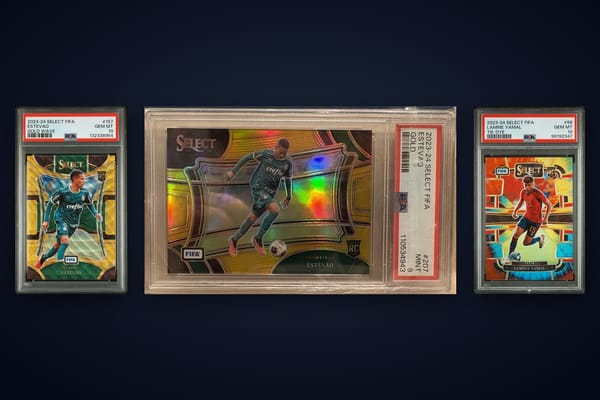
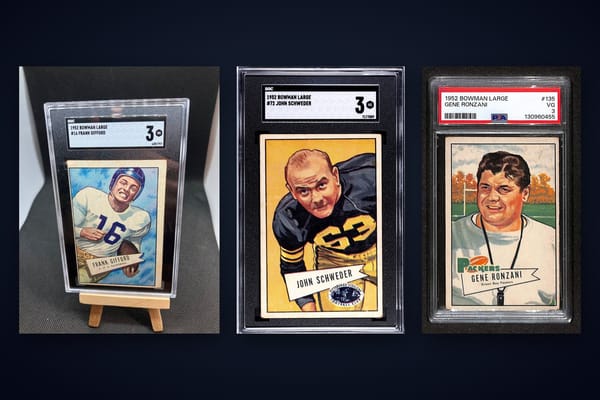
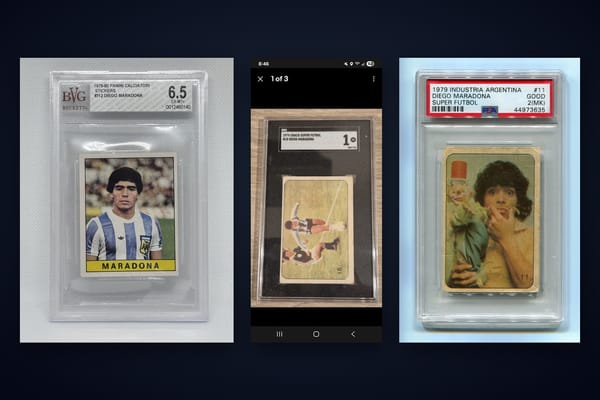
A graded card has been professionally evaluated by grading companies such as PSA, BGS, CGC, or TAG. These companies assess the card’s condition based on criteria including centering, corners, edges, and surface quality, then assign a numeric grade—typically on a scale from 1 to 10. The card is also authenticated to confirm it’s genuine, then sealed in a tamper-evident plastic holder, commonly called a slab.
This process provides a standardized assessment of the card’s quality and authenticity, which helps reduce buyer uncertainty and fraud risk. Graded cards are accompanied by population reports detailing how many copies exist at each grade, further informing their market value.
Why Graded Cards Often Command Higher Prices
Graded cards often sell for more because they provide buyer confidence about authenticity and condition. The encapsulation protects the card from physical damage and environmental factors, preserving its condition over time. The numeric grade offers a standardized value benchmark, reducing buyer uncertainty and increasing marketability.
For example, a PSA 10 (Gem Mint) card might sell for multiple times the value of the same raw card in near-mint condition. However, the premium varies depending on the card’s demand, rarity, and population. Vintage rookie cards graded PSA 10 can fetch high prices, whereas common modern cards graded at 10 might only add a modest premium.
It’s important to note that the grading process carries risks—cards can receive lower grades than expected, or be damaged during shipping. Moreover, grading turnaround time may delay selling opportunities and expose sellers to market price fluctuations.
The Raw Card Market
Raw cards appeal to collectors and buyers looking for affordable options or those who trust their own grading ability. Because raw cards lack an official grade, they usually sell for less but can be sold faster, especially if condition flaws are evident or for commons and low-value cards. Raw cards also offer flexibility—buyers can grade them later if they choose, or hold them as part of a collection without the added cost of grading.
For example, a raw card in near-mint condition might sell for $20, while a graded PSA 9 might sell for $50, and a PSA 10 for $150. However, if grading fees plus shipping total $40, the net gain from grading may be minimal or negative, especially after accounting for time and risk.
Collectors who specialize in raw cards often develop expertise in assessing condition and authenticity, using magnification tools and knowledge of common printing defects or counterfeit markers. This expertise can help them find undervalued cards in the raw market.
Section 2: How to Check Card Prices Effectively
Using Marketplaces and Sales Data
Checking card prices accurately means analyzing recent sales data from marketplaces like eBay, TCGPlayer, COMC, and specialized trading card forums such as Blowout Forums or Reddit’s r/baseballcards. It’s important to look at completed or sold listings rather than just asking prices, as asking prices may not reflect actual market value.
For example, a card might be listed at $200 but only sell for $150 after several weeks, indicating that $150 is closer to its true market value. Additionally, prices fluctuate with market trends influenced by factors like sports seasons, player performance, and collector sentiment.
Make use of advanced search filters to narrow down sales by card condition (Near Mint, Excellent, etc.), grading company, and grade level to get more precise data. Tracking sales over the past 3-6 months helps identify current price trends rather than outdated benchmarks.
Leveraging Card Lookup and Price Checker Apps
Apps like Midpoint provide access to raw vs graded values for many cards including Pokémon, Magic: The Gathering, sports cards, and more. These apps aggregate sales data from multiple marketplaces, population reports from grading companies, and grading estimates, giving users a fast, reliable card value scanner.
Midpoint’s database updates frequently, reflecting market movements, and includes features like price history graphs, condition filters, and comparison tools to weigh raw vs graded prices side-by-side. This reduces the need for manual research and helps sellers identify which cards may be worth grading.
Estimating Values for Different Grades
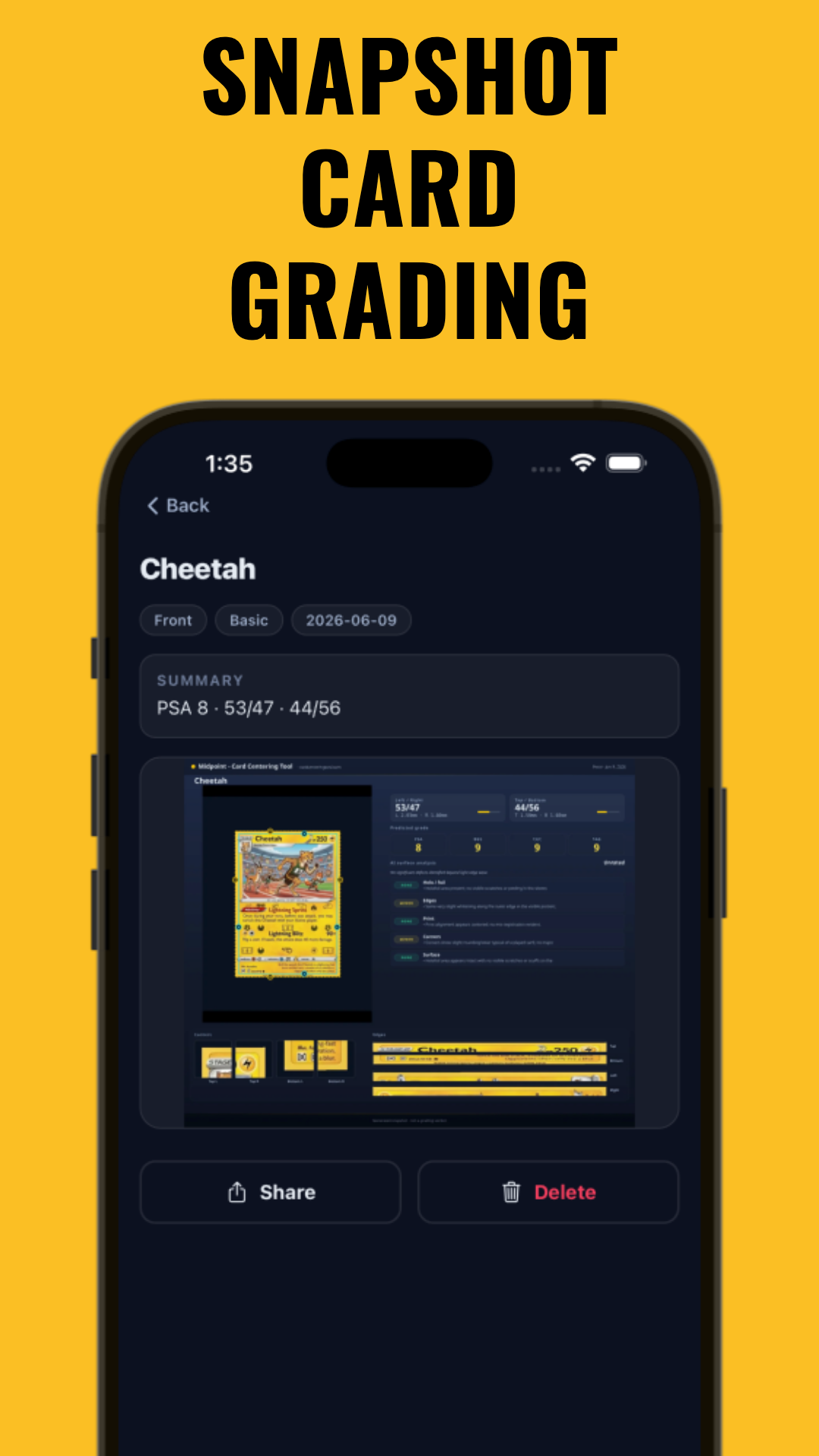
Midpoint’s AI digital grading estimates approximate what a card could fetch at PSA 9 or 10, BGS 9.5, or CGC grades based on analysis of centering, corners, edges, and surface. This helps sellers decide if grading is likely to increase their card’s value enough to justify the cost.
For example, if Midpoint estimates your card at PSA 9 value of $100 and PSA 10 value of $200, but raw value is $50, you can anticipate a potential profit margin after subtracting grading fees. The AI grading process evaluates high-resolution photos to detect centering percentages, corner sharpness, surface scratches, and edge wear, mimicking professional graders' criteria.
Section 3: What Makes a Card Valuable?
Condition and Grade
Condition remains a major driver of value. Cards with sharp edges, good centering (generally within 55/45 or better), clean surfaces free from scratches or print defects, and intact, non-frayed corners are more desirable. Grading companies quantify these factors into a grade that impacts price.
For instance, a PSA 10 card (Gem Mint) is characterized by well-centered images, sharp corners with no wear, clean surfaces with no print lines or scratches, and sharp edges. Improvements from PSA 9 to PSA 10 can multiply value substantially—sometimes by 2x or more depending on the card.
In some cases, a PSA 9 card might sell for $500 while a PSA 10 sells for $1,500 or more due to the scarcity of perfect-condition cards and collector demand for the highest grade. This is especially pronounced for vintage and rookie cards.
Rarity and Population
Scarcity increases value. Cards with low population reports or limited print runs often command higher premiums. For instance, a card with fewer than 100 PSA 10 copies graded may command a higher price than one with thousands of copies graded at that level.
Population reports from grading companies show how many cards have been graded at each level, helping buyers assess rarity and value stability. For example, a 1986 Fleer Michael Jordan rookie card with only 500 PSA 10s graded worldwide may hold more value than a card with 10,000 PSA 10s.
Limited edition cards, short-printed variants, autographed editions, and promotional cards often have smaller print runs, increasing their scarcity and desirability. Cards with unique features such as printing errors or miscuts can also become valuable collectibles.
Player, Character, and Set Demand
The popularity of the player, character, or franchise affects demand and thus value. Rookie cards of sports legends like Michael Jordan, Wayne Gretzky, or Lionel Messi tend to hold more value. Similarly, cards from sought-after sets such as 1999 Pokémon 1st Edition Base Set or Magic: The Gathering Alpha set experience more price appreciation.
For example, a LeBron James rookie card graded PSA 10 will generally command a higher price than a random card from the same year featuring a less popular player. Similarly, cards featuring iconic characters from Pokémon like Charizard or Pikachu tend to be in higher demand.
Demand can also be cyclical; for example, a player's recent performance, Hall of Fame induction, or media exposure can temporarily boost card demand and prices. Staying informed about relevant news and trends can help sellers time their sales for better profit.
Authenticity and Provenance
Graded cards guarantee authenticity, which reduces buyer risk of fakes or reprints. Raw cards require trusted sellers or expert knowledge to avoid counterfeit losses. For example, counterfeit cards are prevalent in popular markets like Pokémon and sports cards, and lack of authentication can cause buyers to discount raw cards.
Provenance—documented history of ownership—can also increase value, especially for high-end cards with notable previous owners or appearances in media. Graded cards have verifiable certification numbers that can be tracked through grading company databases, providing added security and confidence for buyers.
Section 4: When Is It Worth Grading Your Cards?
Condition Thresholds for Grading
Cards in near-mint or better condition are more likely to justify grading costs. Cards with obvious flaws such as creases, stains, heavy edge wear, or surface scratches rarely gain enough premium from grading to cover fees. For example, a card with visible corner dings or surface scuffs might receive a grade below PSA 7, which often commands little premium over raw.
Use tools like Midpoint’s centering calculator and AI grading to pre-assess condition before submitting. These tools analyze card photos and provide an estimated grade range, helping sellers avoid costly grading submissions for cards unlikely to earn profitable grades.
Value Thresholds and ROI Math
Calculate expected return on investment (ROI) by comparing your card’s raw market price to estimated graded value minus grading fees (often $20–$50 per card), shipping, and turnaround time. For example:
- Raw card value: $100
- Estimated graded value (PSA 9): $250
- Grading fees + shipping + insurance: $40
- Net gain: $250 - $100 - $40 = $110 profit
If the net gain is minimal or negative, selling raw may be wiser. Don’t forget to factor in potential market fluctuations during grading turnaround, which can take from 2 weeks to over 3 months depending on service level and season.
Which Cards Are Best to Grade?
- Vintage and rookie cards often appreciate most with grading because of their scarcity and collector demand. For example, a 1952 Topps Mickey Mantle graded PSA 9 can sell for high prices.
- Key chase cards with low population and high demand—such as limited print runs or autographed cards—benefit from professional authentication and grading.
- High-end hits and limited editions from modern sets, including serial-numbered inserts, autographed cards, and memorabilia cards that require protection and authentication.
Conversely, commons, heavily damaged cards, or those with quick sale needs typically are better sold raw to avoid grading costs and delays.
Section 5: How Grading Fees, Shipping, and Turnaround Affect Profit
Grading Costs Overview
Grading fees vary by company, submission tier, and service speed. Standard PSA grading for common cards typically costs $20–$30 per card, while premium services for high-value cards or faster turnaround can exceed $50 per card. BGS and CGC have similar pricing structures, often with additional fees for subgrades or specialty services.
Shipping to grading companies can add $5–$10 or more per submission, plus insurance to protect against loss or damage. For high-value submissions, insurance costs can be significant, sometimes hundreds or thousands of dollars depending on declared value.
Many sellers batch cards to reduce per-card shipping costs, but this can increase overall turnaround time if large volumes cause delays in processing.
Turnaround Time and Market Timing
Grading turnaround can take weeks or months, depending on company demand, submission tier, and current backlog. For example, PSA turnaround times have ranged from 2 weeks for premium tiers to over 6 months for economy submissions during peak periods.
This delay can impact your ability to sell and expose you to market fluctuations. If a card’s price is rising quickly, waiting may pay off; however, if the market declines, you could lose potential profits. Sellers need to weigh timing risks when submitting cards for grading.
Hidden Costs and Risk
Shipping damage, lost submissions, or unexpected low grades can reduce expected returns. For instance, a card expected to receive a PSA 9 might be graded PSA 7 due to minor surface imperfections, reducing its value. Similarly, cards lost or damaged in transit may require insurance claims, leading to delays and uncertainty.
Using Midpoint’s digital grading to estimate grades before submission can help reduce risk and unexpected expenses. Sellers can avoid grading cards that are unlikely to receive profitable grades or identify cards worth upgrading to higher tiers of grading service to minimize grade variance.
Section 6: Population Reports and Their Impact on Card Value
Understanding Population Reports
Population reports detail how many cards have been graded at each grade level by grading companies. These reports are publicly available on grading company websites and are useful for assessing card scarcity at high grades.
For example, if only 50 PSA 10 copies exist for a card versus 5,000 PSA 10 copies for another, the scarcer card may command a higher premium due to collector competition for limited high-grade specimens.
Using Population Data to Predict Value
Low population cards graded PSA 9 or 10 often see significant value increases compared to raw. Conversely, cards with many high-grade copies may see more modest premiums because supply outpaces demand at those grade levels.
For instance, a card with 20 PSA 10s might sell for $5,000 each, while the same card with 5,000 PSA 10s might sell for $500. Midpoint aggregates population data alongside sales data, helping sellers identify cards with rising or declining scarcity and adjust selling strategies accordingly.
Tracking Population Changes
Population reports update regularly as grading companies process new submissions. Large influxes of newly graded cards can flood the market, temporarily depressing premiums. Conversely, cards with steady or declining population at high grades often sustain or increase premiums.
For example, if a new reprint or parallel card is introduced that resembles the original, collectors might shift interest, affecting population and prices. Monitoring these changes with tools like Midpoint can help sellers time their sales to capitalize on market conditions.
Section 7: Selling Strategies: Raw vs Graded
When Selling Raw Is Better
- Low-value cards where grading fees outweigh premiums; for example, a $10 raw card unlikely to reach $50 graded rarely justifies a $30 grading fee.
- Cards with visible flaws or damage unlikely to grade well—such as creases, stains, or edge wear—where grading may yield a low grade and little added value.
- Fast sales needed for liquidity or market timing; raw cards can be listed and sold quickly without waiting for grading turnaround.
- Cards from sets with abundant supply and low collector demand, where the market for graded versions is minimal.
When Graded Cards Sell Better
- High-value cards with strong condition and rarity, such as vintage rookies, limited editions, or autographed cards.
- Cards where grading boosts buyer trust and marketability, especially for online sales where buyers cannot inspect the card directly.
- Key rookies, vintage cards, and limited editions that command significant premiums in graded form.
- Cards with fluctuating prices where grading may help lock in higher value during market peaks.
Using Midpoint to Make Informed Decisions
Midpoint’s all-in-one app lets you scan and digitally grade cards by uploading photos or scanning barcodes, compare raw vs graded values instantly, and track your portfolio’s worth over time. This empowers you to decide whether grading will increase your card’s value enough to justify fees and effort.
For example, after scanning a card, Midpoint calculates centering percentages, corner sharpness, and surface condition, providing an estimated grade and likely sale price at various grading levels. It also aggregates population data and recent sales to present a comprehensive valuation.
Visit the Midpoint homepage to get started with free centering calculations and AI-powered grading estimates. Using such tools reduces guesswork and helps maximize profits across your trading card portfolio.
Conclusion
Deciding should I sell raw or graded depends on understanding your card’s condition, rarity, and potential graded value versus the costs and risks of grading. Using reliable tools like Midpoint to check prices, estimate grades, and analyze population reports equips you with data-driven insights to maximize your profits.
Whether you choose to sell raw for a quick sale or invest in grading for higher returns, informed decisions help you get the best value from your trading card collection. Remember to factor in grading fees, shipping costs, turnaround times, and market conditions before submitting cards for grading. Regularly monitoring sales data and population reports can also help you time your sales optimally.
Combining expertise with technology-driven tools like Midpoint offers a helpful path to unlocking your cards’ potential in today’s collectibles market.
FAQ
Q: Is it better to sell raw or graded cards?
A: It depends on the card’s condition, rarity, and value. High-quality, rare cards often sell better graded because of buyer confidence and higher premiums. Low-value or flawed cards usually sell faster and more profitably raw since grading costs can outweigh added value.
Q: When is it worth grading a card before selling?
A: Grading is worth it if the expected increase in sale price exceeds grading fees and shipping costs. Cards near mint condition and with high demand, like rookies, vintage cards, or limited editions, benefit most from grading.
Q: What cards should I sell raw instead of grading?
A: Common cards, heavily damaged cards, or those with a low market value that won’t cover grading costs are best sold raw for quick cash. Also consider selling raw if you need liquidity or anticipate market declines.
Q: Does a graded card always sell for more than a raw card?
A: Not always. While grading often adds value, fees and turnaround can reduce profit. Some cards may sell better raw, especially if grading yields low grades or the market is declining.
Q: How do I know if my card will get a PSA 10?
A: Use digital grading tools like Midpoint that analyze centering, corners, edges, and surface to estimate likely grades before submission, reducing guesswork and grading risk.
Q: How much does grading reduce profit after fees and shipping?
A: Grading fees typically range from $20 to $50 per card plus shipping and insurance. These costs can reduce profits significantly if the card’s value doesn’t increase enough post-grade. Always calculate expected ROI before submitting.
Free to start
Try the Midpoint app
Grade any card from a photo, see its raw and PSA 10 value, and track what your collection is worth — free.
Get it on iPhoneGet it on Android