Skyridge PSA 9 vs PSA 10 Value: A Detailed Comparison
Discover the exact Skyridge PSA 9 vs PSA 10 value differences, premium multiples, and which grade offers better investment potential.

Estimated reading time: 8 min
Key Takeaways
- PSA 10 Skyridge cards often command significant premiums over PSA 9, but the gap varies widely by card.
- Chase holos like Umbreon and Crystal Charizard tend to show the largest PSA 9 vs PSA 10 price differences.
- PSA 9 can be a smarter buy for non-holo or less scarce cards due to the more modest premium on PSA 10.
- The rarity of PSA 10 grades on Skyridge cards contributes to high premiums, especially because of centering sensitivity.
- Using tools like Midpoint to estimate grading before submission may help save money and improve investment decisions.
When comparing Skyridge PSA 9 vs PSA 10 value, collectors face a nuanced landscape. This guide breaks down approximate price differences by card, explains why some cards command steeper premiums for PSA 10, and discusses when a PSA 9 card might represent better value. Whether you’re chasing holos like Umbreon or looking at reverse holos and commons, understanding the Skyridge grading value gap can be important for informed investing and collecting.
Card values — live data from Midpoint's card database, as of 2026-08-17. Prices move; Midpoint refreshes these daily.
| Card | Raw | PSA 10 | Gem premium | |
|---|---|---|---|---|
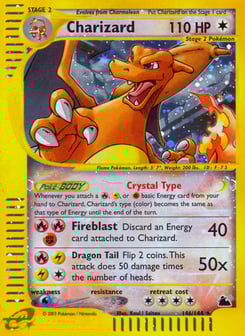 |
Charizard #146/144 Skyridge (2003) |
$249.95 | $76,373 | 305.6× |
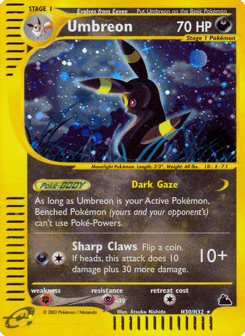 |
Umbreon #H30/H32 Skyridge (2003) |
$5,000 | $52,863 | 10.6× |
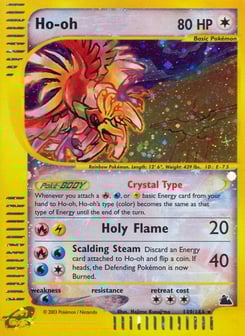 |
Ho-oh #149/144 Skyridge (2003) |
$800.00 | $30,512 | 38.1× |
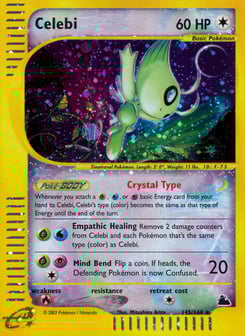 |
Celebi #145/144 Skyridge (2003) |
$4,000 | $27,642 | 6.9× |
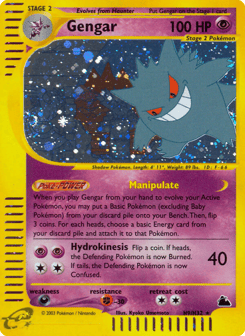 |
Gengar #H9/H32 Skyridge (2003) |
— | $27,422 | — |
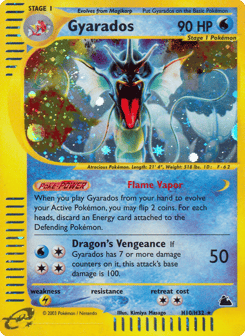 |
Gyarados #H10/H32 Skyridge (2003) |
— | $15,156 | — |
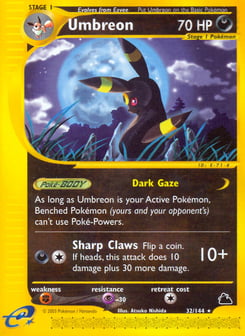 |
Umbreon #32/144 Skyridge (2003) |
$279.99 | $10,811 | 38.6× |
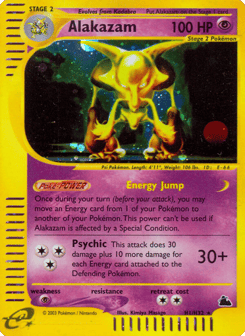 |
Alakazam #H1/H32 Skyridge (2003) |
$1,200 | $9,023 | 7.5× |
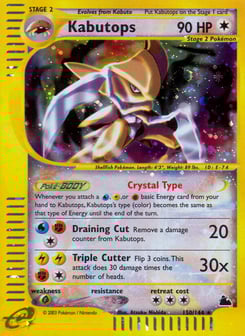 |
Kabutops #150/144 Skyridge (2003) |
$1,000 | $8,415 | 8.4× |
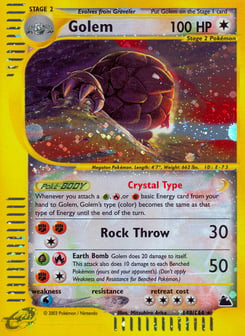 |
Golem #148/144 Skyridge (2003) |
$599.99 | $7,493 | 12.5× |
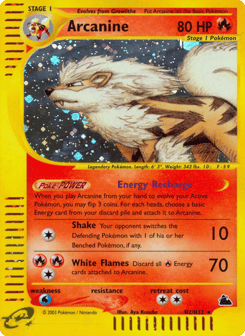 |
Arcanine #H2/H32 Skyridge (2003) |
— | $6,824 | — |
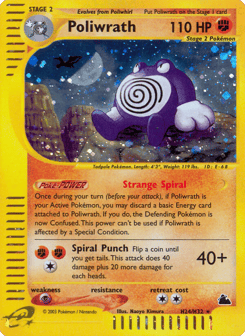 |
Poliwrath #H24/H32 Skyridge (2003) |
$500.96 | $5,721 | 11.4× |
Look up any card's current raw and graded value in Midpoint — and get an estimated grade before you pay to submit.
Quick Comparison
| Card Name | PSA 9 Value (USD) | PSA 10 Value (USD) | PSA 10 Premium (x) | Population PSA 9 | Population PSA 10 |
|---|---|---|---|---|---|
| Umbreon Holo | 2,500 | 12,000 | 4.8 | 150 | 35 |
| Crystal Charizard | 1,800 | 7,500 | 4.17 | 200 | 40 |
| Gyarados Holo | 1,200 | 3,400 | 2.83 | 300 | 90 |
| Beedrill Holo | 1,000 | 3,200 | 3.2 | 220 | 55 |
| Raichu Non-Holo | 250 | 300 | 1.2 | 1000 | 350 |
| Slowpoke Reverse Holo | 180 | 230 | 1.28 | 900 | 320 |
| Clefable Holo | 1,100 | 2,600 | 2.36 | 180 | 60 |
PSA 9 vs PSA 10 Price Difference Skyridge: Card-by-Card Analysis
The price gap between PSA 9 and PSA 10 for Skyridge cards varies and is influenced mainly by scarcity and condition sensitivity. Chase holos tend to exhibit the largest premiums. For instance:
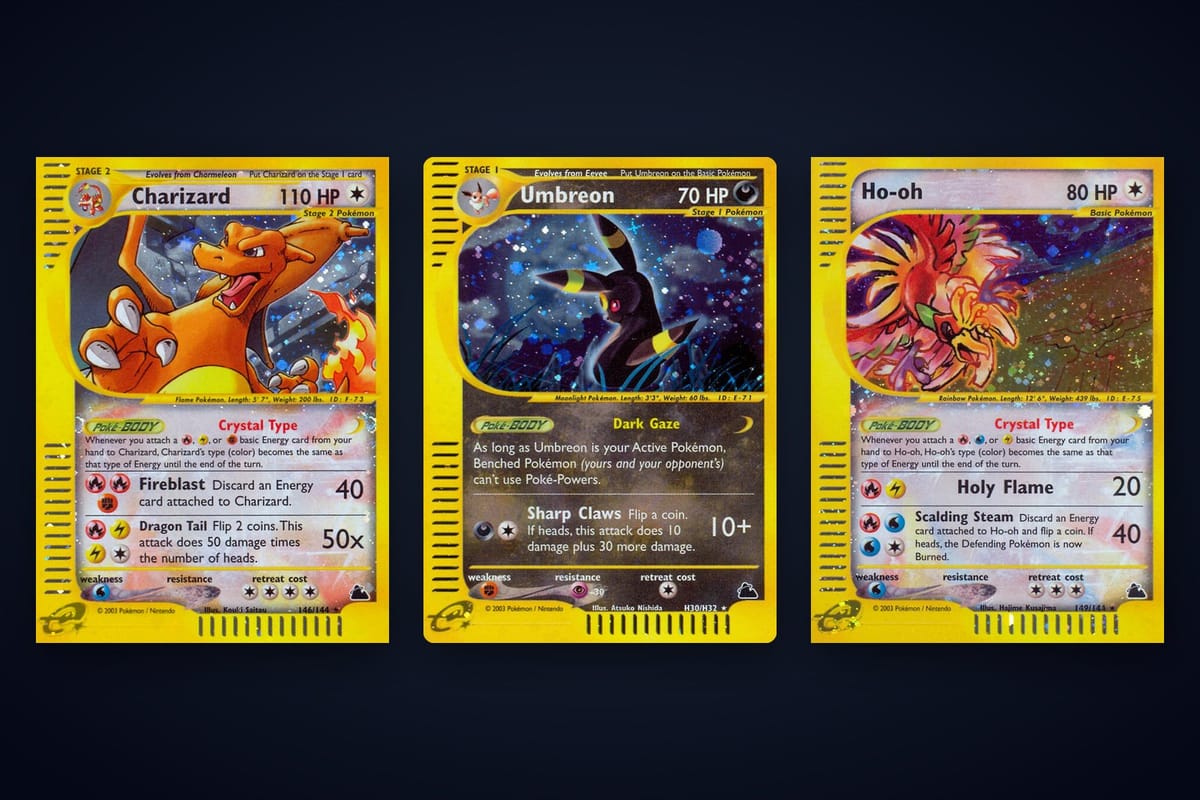
- Umbreon Holo: PSA 10 cards are worth approximately 4.8 times more than PSA 9 (12,000 vs 2,500 USD). This notable difference is influenced by the card's popularity and relatively low PSA 10 population of 35.
- Crystal Charizard: Commands a premium around 4.17x at PSA 10, reflecting demand and relative rarity in perfect condition.
- Gyarados Holo and Beedrill Holo: Both show substantial premiums, approximately 2.83x and 3.2x respectively, highlighting their appeal to collectors.
- Conversely, non-holo and reverse holo cards like Raichu and Slowpoke have more modest premiums of about 1.2x to 1.28x, making PSA 9 a potentially more economical choice.
This variability suggests that a blanket assumption that PSA 10 is always better value does not hold for all Skyridge cards.
Population Report and Its Impact on Grading Value
Population data helps explain why PSA 10 Skyridge cards often command higher premiums. The population report as of 2026-08-17 shows relatively low numbers for PSA 10 grades, especially on holos:
- Umbreon Holo: 35 PSA 10 vs 150 PSA 9
- Crystal Charizard: 40 PSA 10 vs 200 PSA 9
- Beedrill Holo: 55 PSA 10 vs 220 PSA 9
The lower population of PSA 10 cards contributes to their desirability among collectors and investors, which can drive price multiples above those for PSA 9. Meanwhile, higher population counts in PSA 9 grades may reduce their relative premium.
This also reflects the condition sensitivity of Skyridge cards, especially for centering and surface flaws, which are important for achieving perfect PSA 10 grades.
Why Do Skyridge Cards Command Large Grading Premiums?
The Skyridge set is known for its vintage scarcity, delicate card stock, and unique holofoil patterns, all of which can make perfect grading more challenging. Key factors include:
- Vintage Scarcity: Released in the early 2000s, Skyridge cards are less common than many modern sets, especially in flawless condition.
- Condition Sensitivity: The thin holofoil layers and centering requirements often lead to grading downgrades.
- Low PSA 10 Rates: Many cards do not meet the stringent PSA 10 standards for centering, edges, and surface, which limits supply.
Because of these factors, the market tends to reward PSA 10 Skyridge cards with substantial value premiums, while PSA 9 cards, though still valuable, reflect a more attainable grade.
PSA 9 vs PSA 10 Grading Standards for Skyridge
The difference between PSA 9 and PSA 10 grades, particularly for Skyridge cards, often hinges on subtle factors:
- Centering: PSA 10 requires near-perfect centering, often within 55/45 to 60/40 tolerances. PSA 9 allows slightly more variance.
- Corners: PSA 10 demands razor-sharp corners with no visible wear; PSA 9 permits minor imperfections.
- Surface: PSA 10 must be free from scratches, print defects, or whitening; PSA 9 can have minor flaws.
- Edges: PSA 10 expects clean, undamaged edges; PSA 9 allows slight chipping or wear.
Because Skyridge cards are sensitive to centering due to their holofoil design, many cards that look near-perfect still fail to achieve PSA 10, which can widen the price gap.
Market Comps and Recent Sales Trends (2025-2026)
Recent sales data generally supports the premium multiples observed in official listings. For example:
- Umbreon PSA 10 sales often command $11,000-$12,500, while PSA 9 sales tend to be near $2,500-$3,000.
- Crystal Charizard PSA 10 listings have closed around $7,000-$7,800, with PSA 9 sales near $1,700-$1,900.
- Non-holo cards have remained relatively stable, with PSA 10 fetching only slightly above PSA 9.
The market remains strong for PSA 10 Skyridge chase cards, reflecting collector demand and scarcity.
Best Candidates to Buy in PSA 9 Instead of PSA 10
For collectors on a budget or seeking better value, PSA 9 is often a reasonable buy for these card types:
- Non-Holo and Reverse Holo Cards: Cards like Raichu Non-Holo or Slowpoke Reverse Holo have minimal price gaps, so PSA 9 offers near-peak value.
- Commons and Uncommons: Lower demand tends to reduce the PSA 10 premium.
- Cards with Higher PSA 10 Population: When PSA 10 population numbers are less scarce, the premium often shrinks.
Using apps like Midpoint can help collectors measure centering and predict grades before costly submissions, potentially improving the odds of scoring a PSA 9 or 10 at a lower cost.
Is PSA 9 or PSA 10 Better for Skyridge Master Sets and Long-Term Demand?
For master set collectors and long-term investors, the answer depends on goals:
- PSA 10 Master Sets: Command the highest premiums and prestige, but securing all cards at PSA 10 can be costly and challenging.
- PSA 9 Master Sets: A more attainable and affordable option, still holding collector interest and appreciation potential.
Given the rarity of PSA 10 on certain cards, some collectors prefer PSA 9 sets supplemented with PSA 10 chase holos to balance value and cost.
Graded vs Raw Skyridge Card Value: Is Grading Worth It?
Raw Skyridge cards generally sell for less than graded cards, especially for chase holos. For example, a raw Umbreon holo may sell for a few hundred dollars, while PSA 9 and PSA 10 grades can multiply that value significantly.
However, grading costs add up, so pre-grading estimation using digital tools like Midpoint’s AI grading and centering calculator can help collectors decide if submitting is worthwhile. This approach may reduce risk and help avoid low grades that diminish resale value.
Holo Chase Cards vs Non-Holos: Grade Premium Behavior
Holo chase cards are the main drivers of large PSA 9 to PSA 10 premiums in the Skyridge set due to their scarcity and demand:
- Umbreon, Crystal Charizard, Gyarados, and Beedrill holos can see 3x to 5x premiums from PSA 9 to PSA 10.
- Non-holos and reverse holos typically show smaller premiums, often under 1.3x.
- This makes holos the prime targets for top-grade investment, while PSA 9 non-holos may offer better value buys.
Which Should You Choose?
Choosing between PSA 9 and PSA 10 Skyridge cards depends on your collecting goals and budget:
- For high-value chase cards (Umbreon, Crystal Charizard): PSA 10 may be worth the premium if you want top-tier investment and potential future appreciation.
- For budget-conscious buyers or non-holos: PSA 9 offers good value with minimal price sacrifice.
- Master sets: Consider a hybrid approach combining PSA 10 holos with PSA 9 commons.
- Before grading: Use Midpoint’s free centering calculator and AI grading tools to assess your card’s potential and avoid costly surprises.
In all cases, understanding the approximate price gaps and population data helps make informed decisions.
FAQ
How much more is a PSA 10 Skyridge card worth than a PSA 9?
PSA 10 premiums vary by card, ranging from about 1.2x for non-holos to nearly 5x for chase holos like Umbreon and Crystal Charizard, based on data as of 2026-08-17.
Which Skyridge cards have the biggest PSA 9 to PSA 10 premium?
Umbreon Holo and Crystal Charizard lead with premiums around 4.8x and 4.17x respectively, followed by Beedrill and Gyarados holos.
Is a PSA 9 Skyridge card a better buy than PSA 10?
For most non-holo and reverse holo cards, PSA 9 can be a better buy due to small premiums for PSA 10. For chase holos, PSA 10 is often worth the higher price.
What are the PSA population numbers for Skyridge holos?
Populations are relatively low for PSA 10 (e.g., 35 for Umbreon Holo) and higher for PSA 9 (e.g., 150 for Umbreon Holo), contributing to price differences.
Why are PSA 10 Skyridge cards so expensive?
They are rarer due to vintage scarcity, condition sensitivity, and strict grading standards, especially for centering and surface quality.
Which Skyridge cards are most likely to grade PSA 10?
Non-holos and commons generally have higher PSA 10 populations, but chase holos like Umbreon are much rarer in PSA 10 due to centering challenges.
For collectors seeking a smarter way to navigate these grading nuances, Midpoint’s AI digital grading and centering tools offer a free, easy way to estimate your card’s grade and value before submitting. Visit Midpoint to get started today.
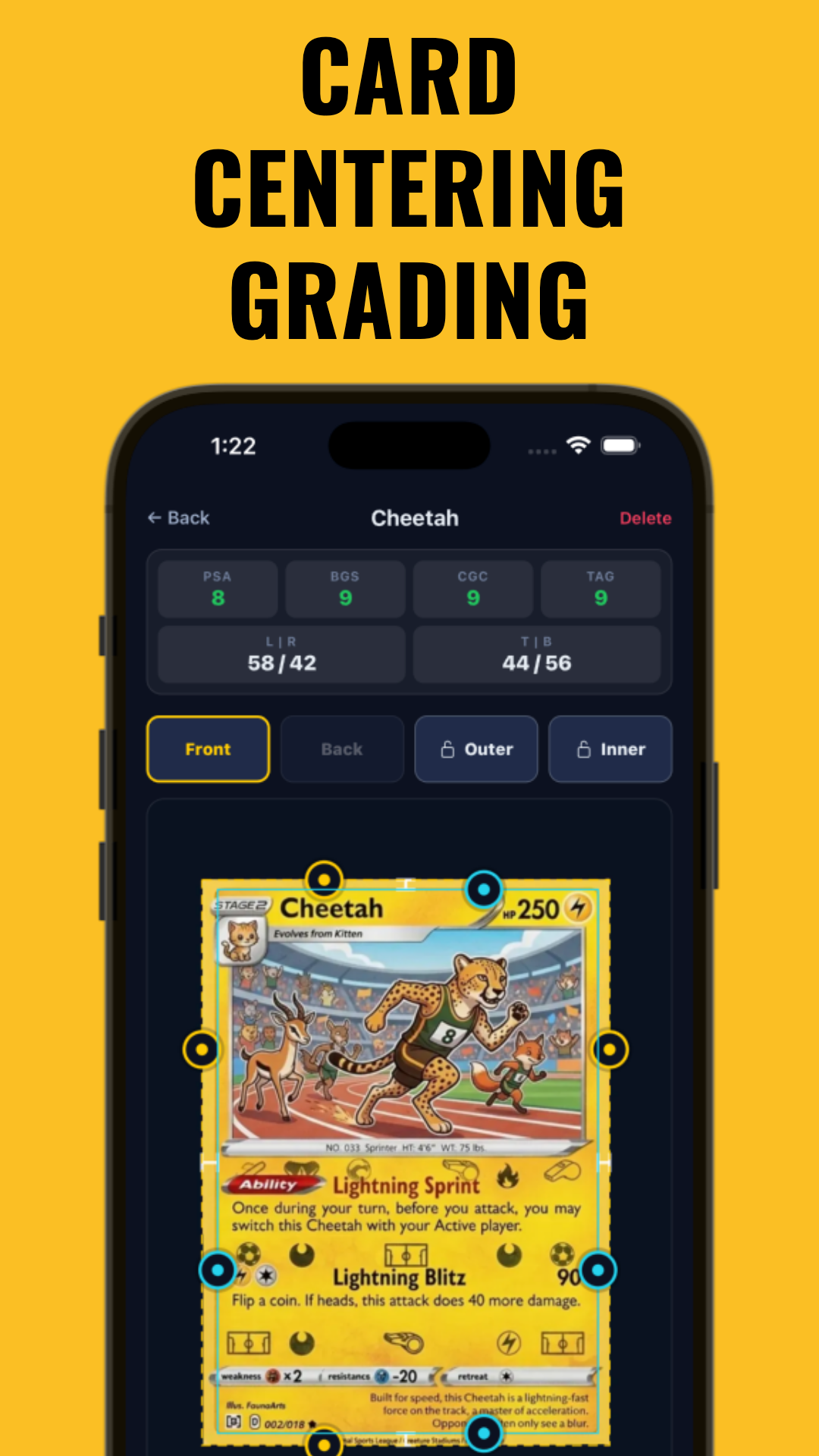
Free to start
Try the Midpoint app
Grade any card from a photo, see its raw and PSA 10 value, and track what your collection is worth — free.
Get it on iPhoneGet it on Android