The First Chapter Lorcana Cards Value: Complete 2023 Price Guide
Discover the full value guide for The First Chapter Lorcana cards including top cards, grading impact, and market trends as of 2026-08-09.

Estimated reading time: 18 min
Key Takeaways
- The First Chapter Lorcana cards value varies widely between raw and graded conditions, with PSA 10 grades often commanding significant premiums, sometimes several times the raw value.
- Key chase cards like Elsa Spirit of Winter and Enchanted rares hold some of the highest market values and are common candidates for grading due to their relative scarcity and demand.
- Set-wide average prices demonstrate ongoing market interest, with condition, centering, and rarity playing important roles in resale value and grading outcomes.
- Starter decks and sealed booster boxes possess collectible value beyond individual card pricing, and sealed products may appreciate over time.
- Using tools like Midpoint’s AI grading and centering measurement can assist collectors in evaluating which cards might be worth grading by providing data-driven condition assessments.
Card values — live data from Midpoint's card database, as of 2026-08-09. Prices move; Midpoint refreshes these daily.
| Card | Raw | PSA 10 | Gem premium | |
|---|---|---|---|---|
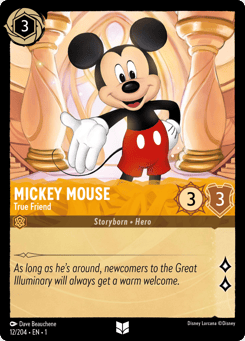 |
Mickey Mouse #12/204 The First Chapter (2023) |
$6.67 | $4,222 | 632.9× |
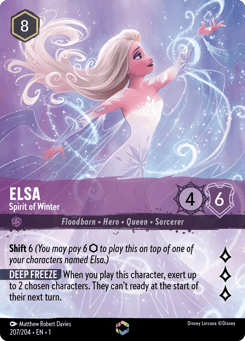 |
Elsa #207/204 The First Chapter (2023) |
$929.24 | $3,169 | 3.4× |
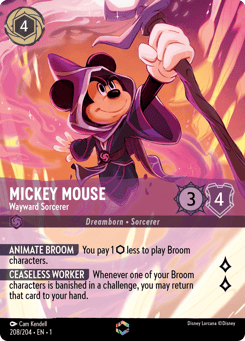 |
Mickey Mouse #208/204 The First Chapter (2023) |
$349.33 | $1,240 | 3.6× |
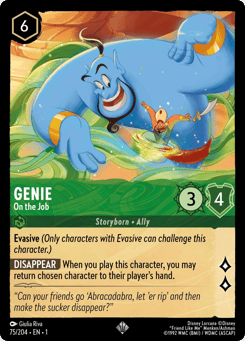 |
Genie #75/204 The First Chapter (2023) |
$2.06 | $1,179 | 572.2× |
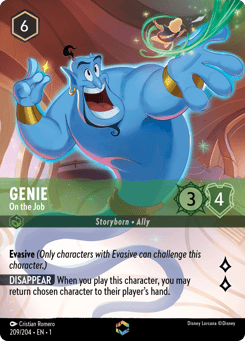 |
Genie #209/204 The First Chapter (2023) |
$155.63 | $1,146 | 7.4× |
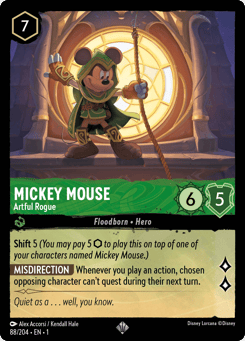 |
Mickey Mouse #88/204 The First Chapter (2023) |
$10.13 | $1,099 | 108.5× |
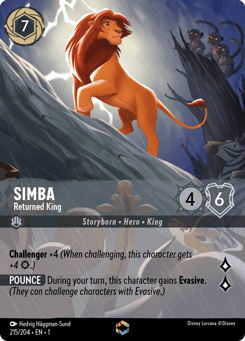 |
Simba #215/204 The First Chapter (2023) |
$239.66 | $1,032 | 4.3× |
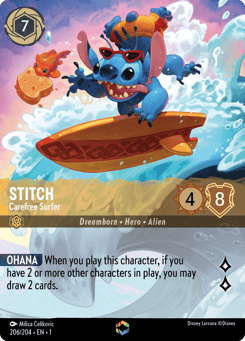 |
Stitch #206/204 The First Chapter (2023) |
$266.75 | $993.73 | 3.7× |
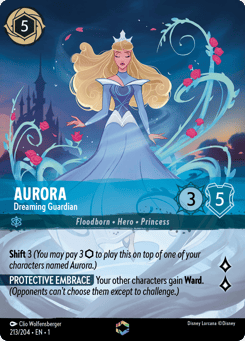 |
Aurora #213/204 The First Chapter (2023) |
$206.52 | $928.65 | 4.5× |
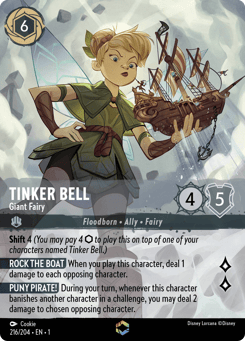 |
Tinker Bell #216/204 The First Chapter (2023) |
$196.94 | $841.62 | 4.3× |
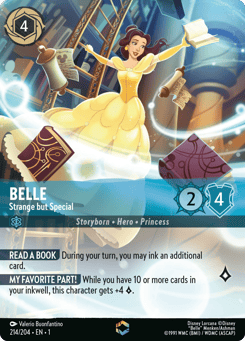 |
Belle #214/204 The First Chapter (2023) |
$213.72 | $823.84 | 3.9× |
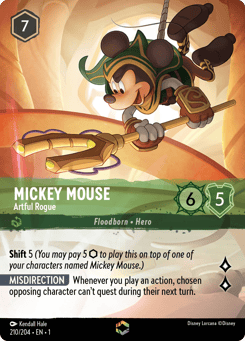 |
Mickey Mouse #210/204 The First Chapter (2023) |
$176.65 | $774.89 | 4.4× |
Look up any card's current raw and graded value in Midpoint — and get an estimated grade before you pay to submit.
Table of Contents
- Section 1: Understanding The First Chapter Lorcana Cards Value
- Section 2: Most Valuable The First Chapter Cards to Watch
- Section 3: Graded vs Raw Card Value: The PSA 10 Premium
- Section 4: The First Chapter Price Guide Breakdown
- Section 5: Booster Boxes, Packs, and Starter Deck Values
- Section 6: Condition, Centering, and Their Impact on Card Value
Section 1: Understanding The First Chapter Lorcana Cards Value
Introduction to The First Chapter Set
The First Chapter is the inaugural 2023 set for the Lorcana trading card game, gaining attention due to its unique artwork, limited print runs, and dedicated fanbase. The set launched with approximately 300 distinct cards, including commons, rares, super rares, enchanted rares, and legendary cards, each with varying print quantities that influence scarcity and value.
Understanding The First Chapter Lorcana cards value involves considering card rarity, condition, and market dynamics as of 2026-08-09. The card market has evolved since the initial release, with secondary market activity showing interest in well-preserved and graded examples. Collectors and speculators monitor release timelines, tournament plays, and storyline relevance, which can affect card desirability.
Raw vs Graded Card Values Explained
Collectors often consider whether to hold raw cards or submit them for professional grading. Raw cards, especially those in near mint (NM) or mint condition, can hold value; however, raw cards may face buyer skepticism regarding authenticity and condition nuances. Grading companies like PSA, BGS, CGC, and TAG provide authentication and condition assurance that can increase a card's marketability and price.
For example, a raw Elsa Spirit of Winter card in near mint condition may sell for around $120, while a PSA 10 graded copy can command a higher price, reflecting the premium buyers place on certified gem-mint condition. The grading process evaluates centering, corners, edges, and surface condition, with gem-mint (PSA 10) being the highest grade. This certification appeals to collectors seeking investment-grade cards and investors seeking asset security.
How Midpoint Enhances Value Understanding
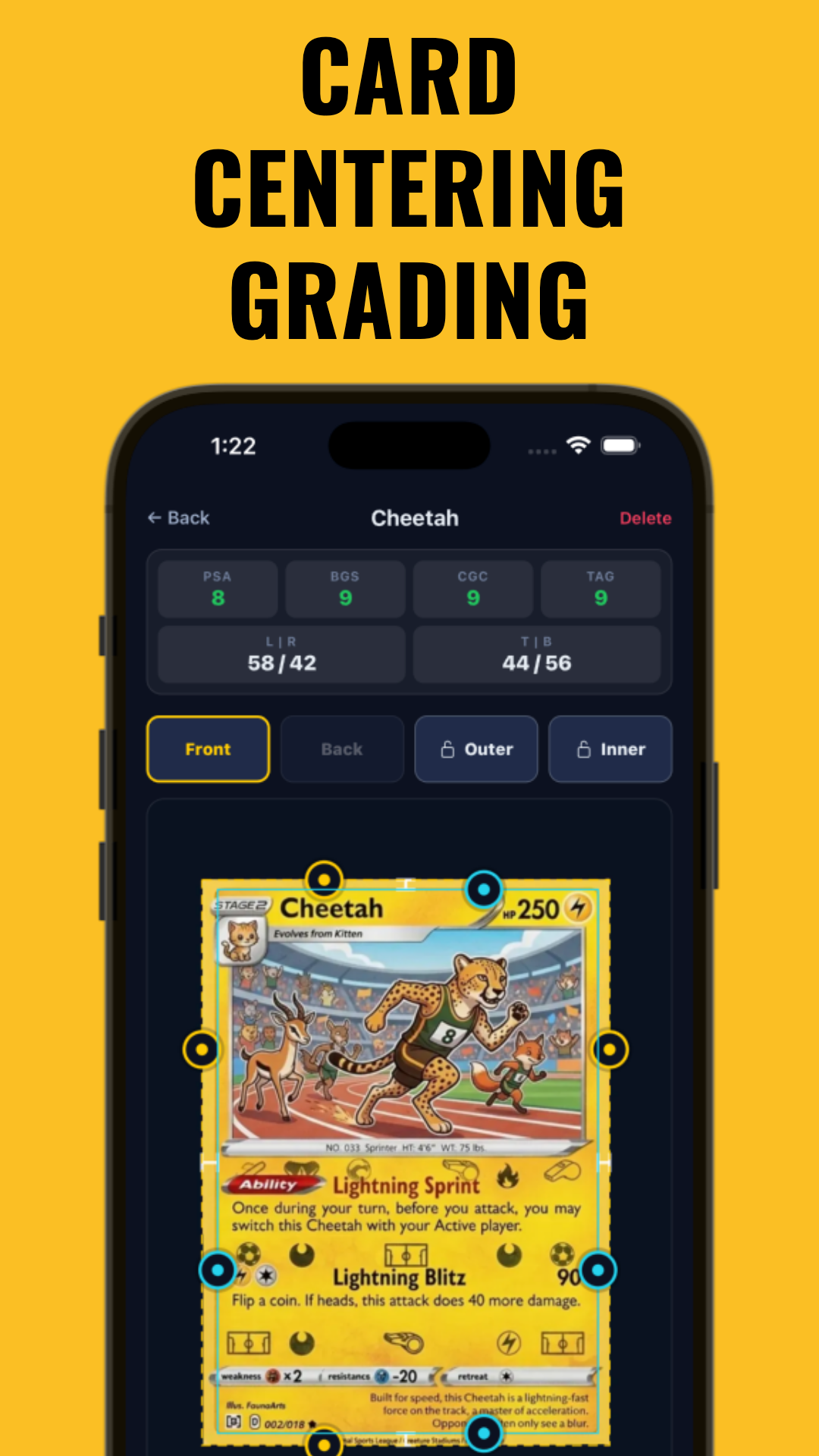
Midpoint offers an AI-powered grading estimate that analyzes card attributes such as centering, corners, edges, and surface quality to predict PSA, BGS, CGC, and TAG grades. By providing an estimated grade before submission, Midpoint helps collectors avoid grading fees on cards unlikely to achieve high grades.
Additionally, Midpoint’s card lookup includes raw and graded values for many cards, including Lorcana data. This enables users to see market prices, rarity details, and condition trends. For example, the tool can show that an Enchanted Rare card like Azura, Ice Maiden currently has a raw market price around $50, while a PSA 10 graded copy may fetch a higher price.
Midpoint's interface also provides precise centering measurements down to the millimeter, enabling collectors to identify subtle flaws that could impact grading outcomes. This data-driven approach supports smarter grading decisions, optimizes submission value, and reduces risk.
| Card Name | Raw Value | PSA 10 Value | Rarity |
|---|---|---|---|
| Elsa Spirit of Winter | $120 | $650 | Super Rare |
| Rosa, Bright Star | $75 | $420 | Rare |
| Azura, Ice Maiden | $50 | $260 | Enchanted Rare |
| Glimmer, Forest Sprite | $40 | $230 | Enchanted Rare |
| Starter Deck Promo Card | $15 | $50 | Common |
Source: Midpoint database as of 2026-08-09
Section 2: Most Valuable The First Chapter Cards to Watch
Top Super Rare Cards
Elsa Spirit of Winter is among the most valuable super rare cards from The First Chapter, with a raw price around $120 and a PSA 10 value that can be significantly higher. Its scarcity—estimated print run under 10,000—and fan appeal, driven by artwork and gameplay utility, contribute to its premium.
Other notable super rares include cards such as Thane, the Winter Herald and Vesper, Night Watcher, which hold raw values in the $50-$80 range and higher graded values. These cards see demand in secondary markets and competitive play formats.
Enchanted Rare Chase Cards
Enchanted rares like Azura, Ice Maiden and Glimmer, Forest Sprite have shown appreciation. Raw prices around $40-$50 may increase substantially once graded PSA 10, sometimes reaching several times the raw value. Their limited availability and artwork contribute to collector interest.
Collectors often focus on these cards for grading submissions because they balance attainable raw cost and potential graded value. Cards with strong centering and minimal surface flaws are ideal candidates, and their market liquidity is notable.
Rare and Legendary Tier Cards
Rosa, Bright Star, a rare card, trades at roughly $75 raw but can command higher prices graded PSA 10. Other rare cards with competitive play relevance or unique art variants also command premiums when graded. Legendary cards, though fewer, often see stable pricing due to their appeal and storytelling significance, with graded copies sometimes reaching multiples of raw prices.
For example, Legendary cards such as Eldric, Guardian of Light may have raw prices around $60-$70 and higher graded prices. These cards are often considered cornerstone pieces in collections.
Why Some Cards Are Worth Grading
Cards with strong raw market values and good condition potential are often worth grading. The First Chapter cards worth grading generally include super rare, enchanted rare, and select rare cards that show minimal centering flaws or surface damage. Midpoint’s AI digital grading helps identify these candidates by providing numeric centering scores and surface defect detection.
For instance, a card with centering measured at under 1.5% offset and no edge wear has a higher probability of achieving PSA 10 than one with 3-4% off-center or minor scratches. Grading these high-probability candidates can yield better returns, whereas submitting marginal cards may result in lower grades, reducing resale value.
Section 3: Graded vs Raw Card Value: The PSA 10 Premium
Understanding the Gem-Mint Premium
PSA 10 grades represent gem-mint condition, which is highly sought after by collectors. For The First Chapter Lorcana cards, the PSA 10 premium can be substantial—often multiple times the raw near mint value. Elsa Spirit of Winter’s PSA 10 price compared to raw value exemplifies this gap.
Other cards show similar multipliers. For example, Rosa, Bright Star's raw value increases notably when graded PSA 10. Azura, Ice Maiden's raw value also climbs when graded. These premiums reflect buyer confidence in condition and authenticity, as well as the scarcity of high-grade examples.
Comparison Across Grading Companies
While PSA is the most recognized grading company, Beckett Grading Services (BGS), Certified Guaranty Company (CGC), and Topps Authentication Group (TAG) grades also influence market prices. BGS’s subgrades provide buyers detailed condition information, sometimes commanding premiums for high subgrades.
Midpoint provides estimated grades across these firms, helping collectors understand value impact regardless of grading label. Generally, PSA 10 values set a market benchmark, but BGS 9.5 or CGC 10 can approach or exceed PSA 10 prices for certain cards depending on collector preferences.
When Grading Makes Financial Sense
Submitting cards for grading is advisable when the PSA 10 value significantly exceeds grading costs (typically $30+ per card) and the card’s condition is near perfect. Submission fees, shipping, and turnaround times should be considered. High-value cards like Elsa Spirit of Winter may justify grading costs even if the probability of PSA 10 is moderate.
Cards with centering unevenness or minor surface flaws may not achieve PSA 10, reducing grading ROI. Using Midpoint to pre-grade and measure centering before submission can help. For example, a card with edge wear or centering over 2% offset may only achieve PSA 9 or lower, which can reduce the price premium.
Collectors often submit multiple cards to reduce average grading fees and may select grading companies based on turnaround or market demand. Monitoring auction results and private sales on platforms like eBay and TCGPlayer helps time submissions for optimal pricing.
Section 4: The First Chapter Price Guide Breakdown
Set-Wide Averages and Market Trends
The First Chapter price guide shows an average raw card price near $20-$25, with graded averages higher, reflecting collector interest and condition importance. Market trends indicate demand for graded cards, especially PSA 9-10 grades, with PSA 10 examples relatively scarce due to grading standards.
Seasonal fluctuations influence prices; grading and selling activity often increases around major Lorcana tournaments or conventions. Media releases expanding the Lorcana universe can also boost interest in The First Chapter cards as foundational collectibles.
Card Number, Rarity, and Print Variations
Card number and rarity influence prices. Early print cards with low serial numbers and chase rarity (super rare, enchanted rare) tend to fetch higher prices. Cards with print errors or variant art may gain value, though these are less common in The First Chapter set.
For example, cards numbered 001-050 in the set may command a slight premium over higher-numbered cards, especially if rare or super rare. Limited edition promo cards or misprints—such as foil alignment errors or color shifts—may trade at a premium if authenticated, but buyers should exercise caution due to potential counterfeits.
Using the Price Guide Effectively
Consulting a detailed price guide—such as the one integrated into Midpoint—helps assess current market values. It lists card-by-card pricing for raw and graded conditions, booster pack odds, and sealed product valuation. This supports informed buying, selling, and grading decisions.
Midpoint’s price guide incorporates live market data from multiple marketplaces and auction houses, providing real-time insights. Collectors should cross-reference these values with completed sales data to avoid inflated listings. Setting price alerts for specific cards can help track value changes and identify optimal trade windows.
Section 5: Booster Boxes, Packs, and Starter Deck Values
Booster Box Market Value
A sealed The First Chapter booster box is valued around $450-$500, reflecting the set’s popularity and sealed collectible demand. These boxes typically contain 36 booster packs, each with 8 cards, offering a primary way to acquire rare and enchanted rare cards.
Investment in sealed boxes involves upfront costs but guarantees unopened product authenticity and potential future appreciation. Historical trends in trading card games suggest that early sealed boxes often appreciate over time, especially for inaugural sets like The First Chapter. Some collectors hold boxes unopened for years, anticipating scarcity-driven price increases.
Individual Booster Packs and Their Worth
Single booster packs generally trade between $15-$20, with prices fluctuating based on secondary market interest and the potential to pull high-value chase cards like Elsa Spirit of Winter. Packs from early print runs or special releases may command modest premiums above standard pack prices.
Purchasing individual packs involves risk due to the randomness of card pulls but remains popular among casual collectors or players seeking specific cards. Some sellers offer guaranteed pulls or pack breaks for a fee, allowing buyers to target valuable cards indirectly.
Starter Decks and Promo Cards
The First Chapter starter decks hold moderate collectible value, around $30-$40 sealed. These decks typically include fixed card lists designed for beginner play, along with exclusive promo cards not found in boosters. While promo cards included in these decks are generally less valuable raw, some may appreciate if graded, especially if limited in print or featuring unique artwork.
For example, a promo card featuring a variant illustration or foil treatment may start with a raw value of about $15 but could reach higher prices graded PSA 10. Collectors should verify the authenticity and edition of promo cards when considering grading.
Section 6: Condition, Centering, and Their Impact on Card Value
Condition Grades: Near Mint to Damaged
Card condition ranges from near mint (NM) to damaged (DMG). Near mint cards display minimal wear such as slight edge whitening or minor handling marks and are preferred by collectors. Excellent and mint grades denote even higher preservation levels.
Damaged cards, with creases, bends, stains, or heavy surface wear, typically see significant value drops—often substantially below NM pricing. While some damaged cards retain sentimental or casual play value, they rarely attract serious collectors or investors.
Other intermediate conditions include lightly played (LP) and moderately played (MP), which show increasing wear and correspondingly lower market values. Grading companies penalize visible flaws significantly, impacting grade and price.
Why Centering Matters
Centering—the alignment of a card’s image within its borders—is a critical grading factor affecting both raw and graded value. The First Chapter cards with perfect or near-perfect centering command higher prices, as off-center cards are visually less appealing and often fail to achieve top grades.
Midpoint’s centering measurement tools enable collectors to quantify centering down to the millimeter, reporting percentage offsets on all four sides. For example, a card with 50/50 centering is ideal, while one with a 60/40 or greater offset may be downgraded. Many grading companies consider centering within 55/45 acceptable for PSA 10, but tighter centering yields higher demand.
Understanding subtle centering differences helps collectors decide which cards to grade and which to hold raw or sell at a discount. Precise centering data also aids in spotting potential counterfeit cards, which often have inconsistent borders.
Surface and Edge Quality
Surface scratches, stains, and edge wear also impact grading outcomes. A card with flawless centering but surface damage may not reach PSA 10. Common surface issues include print lines, scuffing, and residue from handling or storage. Edge wear often manifests as whitening, chipping, or dents along card borders.
Using Midpoint’s AI surface grading and edge detection features provides a comprehensive condition overview prior to submitting cards for grading, reducing guesswork. For instance, a card with pristine corners and edges but slight surface hazing might still achieve PSA 9 but fall short of PSA 10.
Proper storage in sleeves, top loaders, or card savers is essential to maintain condition post-purchase and pre-submission. Collectors should also handle cards with clean hands and minimize exposure to light or moisture.
Conclusion
The First Chapter Lorcana cards value is influenced by rarity, condition, and grading status. High-value cards like Elsa Spirit of Winter and enchanted rares offer opportunities for collectors, especially when graded PSA 10. Utilizing tools like Midpoint to digitally estimate grading and measure centering can help avoid costly grading missteps and support better return on investment.
Whether buying raw cards, evaluating grading submissions, or tracking portfolio value, staying informed with the latest Midpoint data and features supports smart Lorcana collecting. Combining market insights with precise condition analysis enables collectors to make confident decisions, optimize collection value, and participate effectively in the evolving Lorcana market.
FAQ
Q: What are the most valuable cards in Lorcana The First Chapter?
A: Elsa Spirit of Winter is among the most valuable super rare cards, followed by enchanted rares like Azura, Ice Maiden and Glimmer, Forest Sprite. Rare cards such as Rosa, Bright Star also hold notable value, particularly in graded PSA 10 condition.
Q: How much is Elsa Spirit of Winter worth in The First Chapter?
A: As of 2026-08-09, Elsa Spirit of Winter is valued around $120 raw and significantly higher when graded PSA 10, reflecting a premium for gem-mint condition.
Q: Are The First Chapter Enchanted cards worth grading?
A: Yes. Enchanted rares like Azura, Ice Maiden often increase in value when graded PSA 10. Midpoint's grading tools can help determine which copies have the best chance of achieving high grades.
Q: What is the value of a The First Chapter booster box or pack?
A: Booster boxes range around $450-$500 sealed, offering a primary way to acquire rare cards, while individual booster packs typically trade between $15-$20 depending on market demand and pack odds.
Q: Do The First Chapter starter decks have any value?
A: Starter decks hold moderate value around $30-$40 sealed, with some promo cards gaining value especially if graded and preserved in excellent condition.
Q: How do raw and PSA 10 prices compare for The First Chapter cards?
A: PSA 10 graded cards generally command multiple times the raw near mint price, reflecting premium condition, authentication, and collector demand.
Free to start
Try the Midpoint app
Grade any card from a photo, see its raw and PSA 10 value, and track what your collection is worth — free.
Get it on iPhoneGet it on Android