What Is a Rookie Card? Definitive Guide for Collectors
Discover what is a rookie card, how to identify true rookie cards, and why they matter in sports card collecting across baseball, basketball, football, and hockey.


Estimated reading time: 7 min
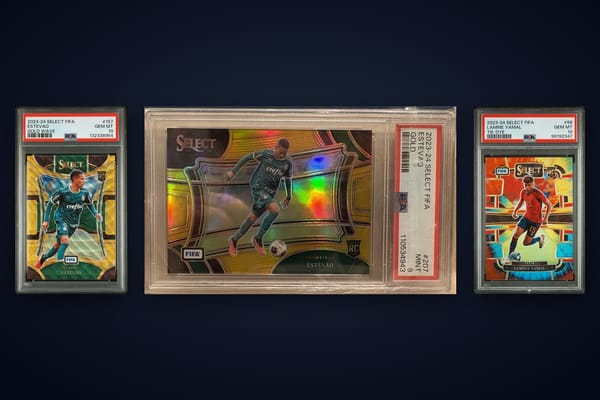
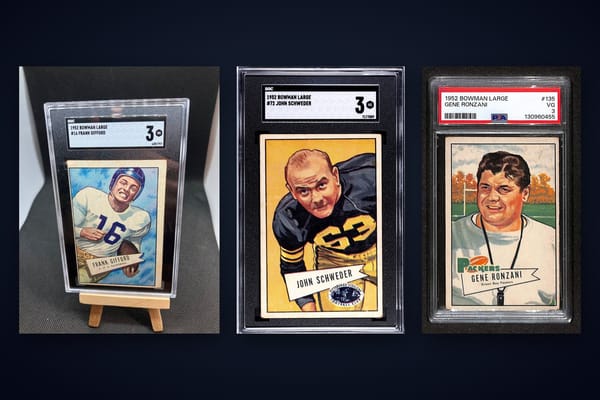
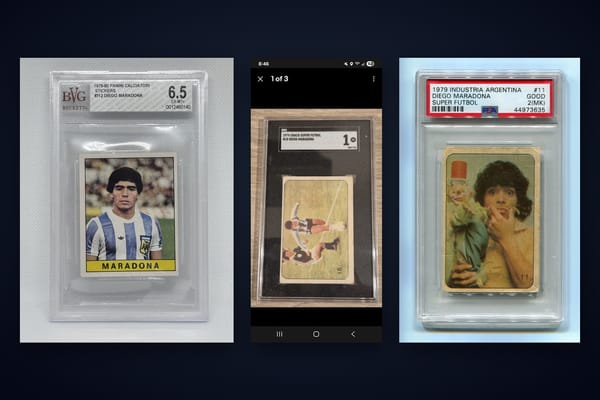
A rookie card is generally considered the first trading card issued of a player after they reach the highest level of competition in their sport, marking their official debut as a professional. It represents the player's initial appearance in the mainstream card market and is distinct from prospect or pre-rookie cards, which feature players before they reach the top leagues.
Key Takeaways
- A rookie card is typically defined by a player’s debut season at the highest professional level.
- Not all cards labeled "RC" are universally recognized as true rookie cards; licensing and product type matter.
- Insert cards, parallels, and numbered cards often do not qualify as rookie cards.
- Sports differ in rookie card conventions, with vintage and modern cards judged differently.
What Is a Rookie Card?
A rookie card is generally understood as the first officially recognized trading card released for an athlete after they have debuted in their sport’s major professional league. For example, in baseball, this usually means a card issued the same year or after the player’s MLB debut. Rookie cards are often sought after by collectors because they can hold significant historical and monetary value for a player’s career.
The designation of a rookie card is not always straightforward. It depends on several factors including the card’s product line, licensing, and whether the player is depicted as a professional. For instance, cards released in a player’s minor league season, prospect cards issued before the debut, or insert cards within a set typically do not qualify as true rookie cards.
Why the Rookie Card Logo Matters
Starting around 2006 in baseball, many cards began featuring an "RC" logo to identify rookie cards officially. This logo helps collectors distinguish true rookie cards from prospect or pre-rookie issues. However, having an RC logo does not guarantee a card’s rookie status—some inserts or parallel cards may carry it without meeting all criteria. Understanding this subtlety is important for accurate collecting and grading.
Base Set vs Insert Cards and Licensing Impact
Typically, rookie cards come from flagship base sets or fully licensed products such as Topps, Panini, Upper Deck, or Bowman. Insert cards, parallels (like Prizm parallels), or special edition releases, while collectible, usually are not considered rookie cards. Licensing agreements also affect rookie card legitimacy; only cards issued under the official license of a sport’s governing body are generally recognized as true rookie cards.
For example, a Topps Chrome card is a base set card and may be a rookie card if it meets other criteria, while a parallel or numbered version of that card might not hold the rookie card status despite being valuable. Understanding these nuances is helpful for collectors aiming to grade sports cards accurately.
Sport-Specific Rookie Card Conventions
- Baseball: Rookie cards generally come from flagship sets in the player’s debut MLB season or the following year. Cards before debut or from minor leagues are prospect cards.
- Basketball: Rookie cards are those issued during a player’s first NBA season, often marked by an "RC" logo from Panini or Upper Deck sets.
- Football: Rookie cards are tied to the player’s first NFL season, and updates or special editions may not count as true rookies.
- Hockey: Rookie cards are linked to the player’s first NHL season, with differences in vintage grading and modern RC logos.
- Soccer: Rookie cards are less standardized but typically tied to a player’s first season in a top-tier league or competition.
Vintage vs Modern Rookie Card Definitions
Vintage rookie cards (pre-1980s) often lack an official RC logo but are identified by expert consensus based on the player's debut and product release. Modern rookie cards usually carry an RC logo and are more easily identified but require scrutiny around inserts and parallels. Collectors of vintage cards rely heavily on grading standards and card checklists to determine rookie status.
How to Identify a True Rookie Card
To verify if a card is a true rookie card, collectors should:
- Check the player’s debut year and compare it with the card’s release date.
- Confirm the card is from a flagship or fully licensed product.
- Look for the official RC logo, especially in modern cards.
- Verify the card type — base set cards generally qualify, while inserts, parallels, or special editions typically do not.
- Consult trusted checklists or databases for rookie card validation.
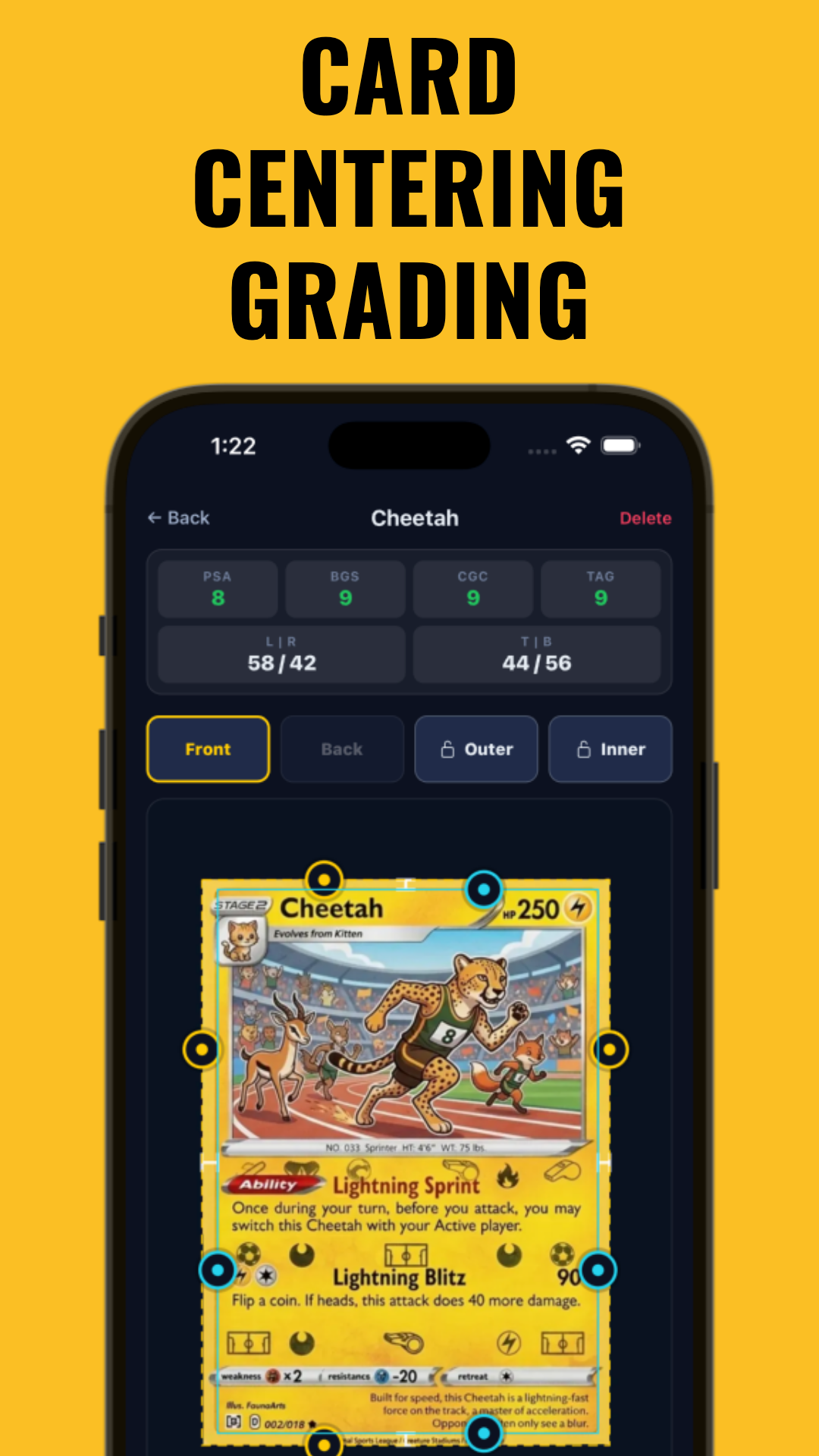
Using a comprehensive sports card grading app like Midpoint can help collectors check card centering, estimate grading, and assist in confirming rookie card status before investing in professional grading.
Examples Causing Rookie Card Confusion
- Update Series Cards: Often released after the regular sets, these can feature rookies but generally are not considered true rookie cards.
- Minor League or Prospect Cards: Cards issued before a player’s major league debut, useful but distinct from rookies.
- Regional or International Issues: Cards issued outside official licensed sets may be collectible but usually don’t qualify as rookies.
- Parallels and Numbered Cards: Variations like Prizm parallels or numbered cards add value but typically do not change rookie card status.
FAQ
Q: What counts as a rookie card?
A: A rookie card is generally the first officially licensed trading card of a player after their debut in a major professional league, usually from a base set in their debut season.
Q: Is a card still a rookie card if it is an insert or parallel?
A: Usually not. Insert cards and parallels often don’t qualify as rookie cards even if they feature the player in their rookie season.
Q: Does the RC logo automatically mean rookie card?
A: No. While the RC logo indicates a rookie card on most modern cards, some inserts or special releases may carry it without meeting true rookie criteria.
Q: What is the difference between a rookie card and a prospect card?
A: A rookie card is from the player’s debut professional season, while a prospect card is issued before they reach the top level.
Q: How do you tell if a baseball card is a true rookie card?
A: Check the player's MLB debut year, ensure the card is from a licensed base set, look for the RC logo, and verify it’s not an insert or parallel.
Q: Do update series or special edition cards count as rookie cards?
A: Generally no. Update series and special editions featuring rookies are collectible but not considered true rookie cards.
Free to start
Try the Midpoint app
Grade any card from a photo, see its raw and PSA 10 value, and track what your collection is worth — free.
Get it on iPhoneGet it on Android