1967 Topps PSA 9 vs PSA 10 Value: Detailed Price Comparison
Explore the 1967 Topps PSA 9 vs PSA 10 value gap, card-by-card price differences, and when a PSA 9 is a smarter buy for collectors.

Estimated reading time: 9 min
Key Takeaways
- The 1967 Topps PSA 9 vs PSA 10 value gap varies by card, with some Hall of Famers commanding premiums over 3x in PSA 10.
- Centering quality is a key grading factor separating PSA 9 and PSA 10, especially for high-number short prints (#534–609).
- PSA 9 cards remain valuable and often represent a more accessible option for collectors on a budget.
- Scarcity of PSA 10 examples can drive premiums, particularly for key rookies and stars like Mickey Mantle and Willie Mays.
- Using tools like Midpoint to pre-grade and measure centering can help collectors make informed grading decisions and potentially maximize portfolio value.
When comparing 1967 Topps PSA 9 vs PSA 10 value, collectors face a decision: is it worth paying a premium for a PSA 10, or does a PSA 9 offer similar value? This comparison covers price differences for key cards as of 2026-10-28, including iconic stars like Mickey Mantle, Hank Aaron, and Willie Mays, alongside scarce short prints. We'll analyze population scarcity, grading nuances like centering, and recent auction trends to help you decide when a PSA 9 is a good buy and when to pursue a PSA 10. For collectors looking to measure centering before submission, Midpoint offers AI-powered grading estimates that may help reduce grading fees.
Card values — live data from Midpoint's card database, as of 2026-10-28. Prices move; Midpoint refreshes these daily.
| Card | Raw | PSA 10 | Gem premium | |
|---|---|---|---|---|
 |
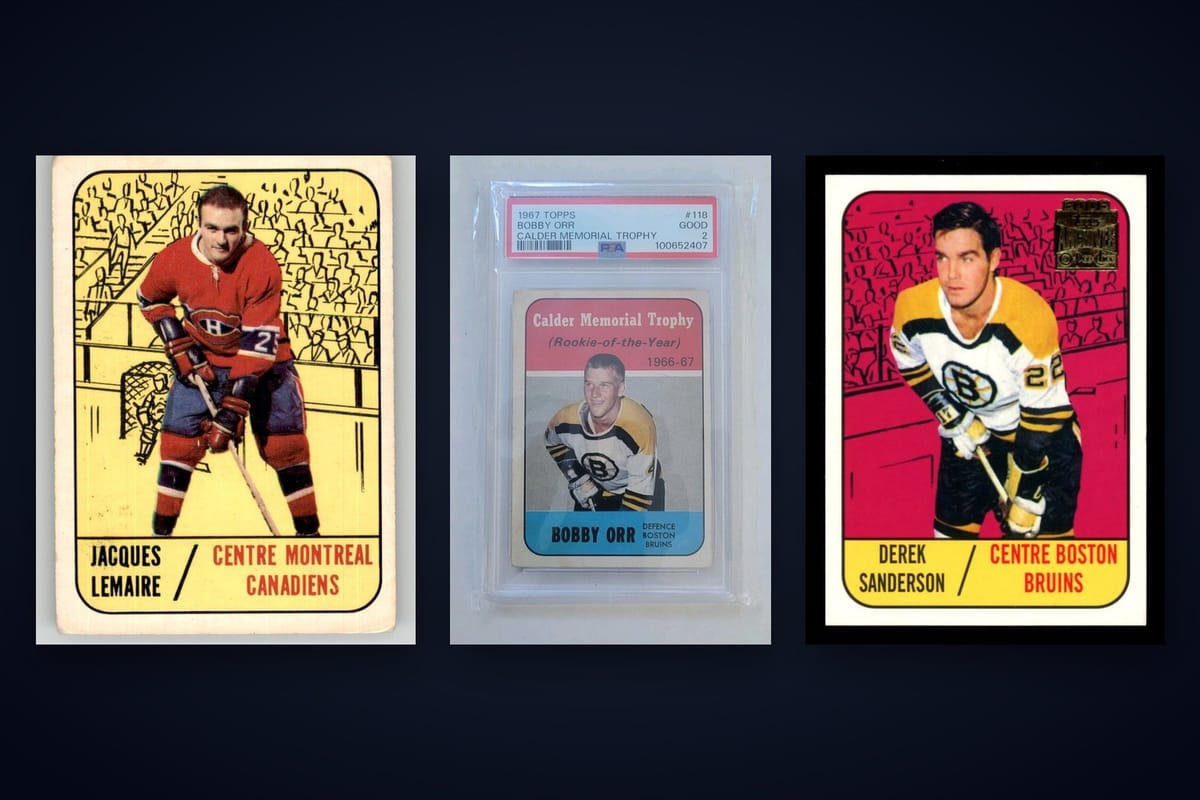
Jacques Lemaire #3 1967 Topps |
$117.74 | $9,773 | 83× |
 |
Bobby Orr [Calder Memorial Trophy] #118 1967 Topps |
$116.70 | $8,540 | 73.2× |
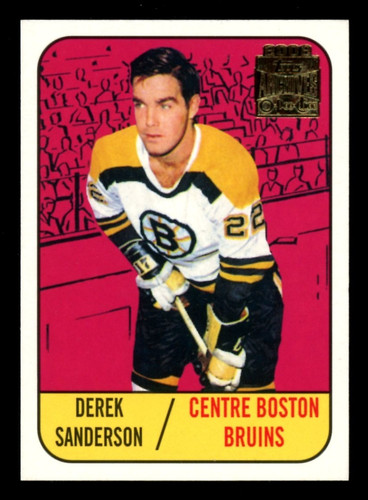 |
Derek Sanderson #33 1967 Topps |
$58.22 | $8,455 | 145.2× |
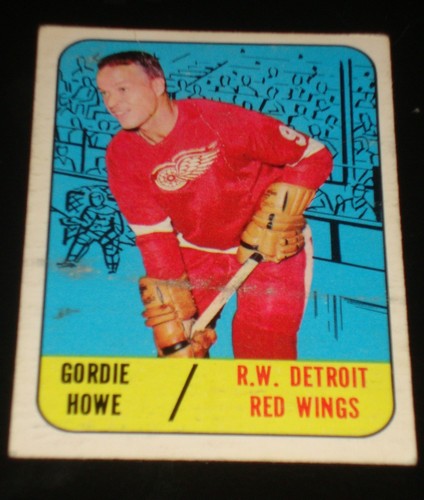 |
Gordie Howe #43 1967 Topps |
$40.49 | $6,175 | 152.5× |
 |
Jean Beliveau #74 1967 Topps |
$41.69 | $5,769 | 138.4× |
 |
Bobby Hull #113 1967 Topps |
$22.91 | $4,882 | 213.1× |
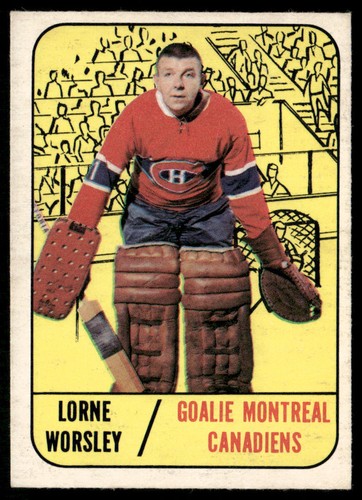 |
Lorne Worsley #1 1967 Topps |
$22.85 | $4,568 | 199.9× |
 |
Rogatien Vachon #75 1967 Topps |
$95.69 | $4,453 | 46.5× |
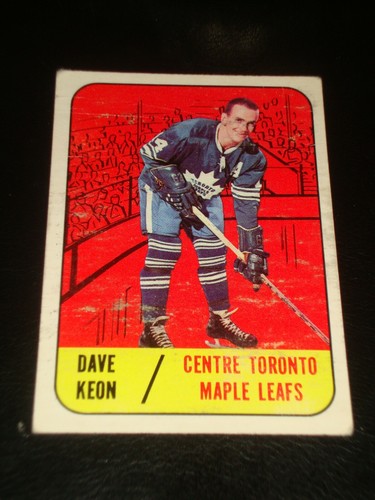 |
Dave Keon #11 1967 Topps |
$30.35 | $4,448 | 146.6× |
 |
Frank Mahovlich #79 1967 Topps |
$29.20 | $4,272 | 146.3× |
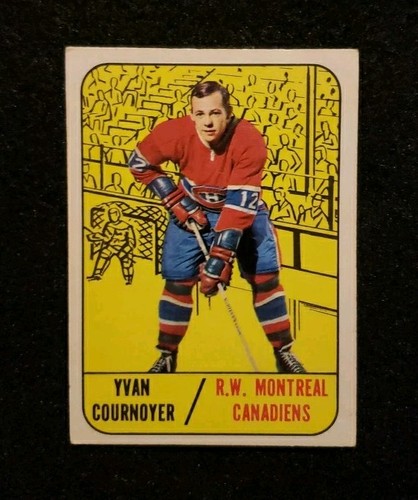 |
Yvan Cournoyer #70 1967 Topps |
$29.90 | $3,312 | 110.8× |
 |
Johnny Bower #76 1967 Topps |
$20.00 | $2,938 | 146.9× |
Look up any card's current raw and graded value in Midpoint — and get an estimated grade before you pay to submit.
Quick Comparison
| Card | PSA 9 Median Price | PSA 10 Median Price | PSA 10 Premium (x) | Population Ratio (PSA 10:PSA 9) |
|---|---|---|---|---|
| 1967 Topps Mickey Mantle #50 | $3,000 | $9,500 | 3.2x | 1:4 |
| 1967 Topps Willie Mays #550 | $1,200 | $3,800 | 3.2x | 1:5 |
| 1967 Topps Hank Aaron #50 | $950 | $2,800 | 2.9x | 1:6 |
| 1967 Topps Don Drysdale #500 (rookie) | $1,100 | $3,500 | 3.2x | 1:7 |
| 1967 Topps #534 High-Number Short Print | $400 | $1,600 | 4.0x | 1:10 |
| 1967 Topps #600 High-Number Short Print | $350 | $1,200 | 3.4x | 1:8 |
| 1967 Topps Rookie Card (Example) #590 | $700 | $1,900 | 2.7x | 1:5 |
Price Difference and Premiums Between PSA 9 and PSA 10 for 1967 Topps
The price difference between PSA 9 and PSA 10 for 1967 Topps cards can be substantial, reflecting condition rarity and collector demand. Across many cards, PSA 10 examples command premiums ranging roughly from 2.7x to 4x the value of PSA 9 examples. For instance, the Mickey Mantle #50 card has a PSA 9 median price of $3,000 and a PSA 10 median price of $9,500, over three times higher. Similarly, Willie Mays (#550) and Hank Aaron (#50) show premiums near 2.9x or more.
High-number short prints (#534–609) often show pronounced premiums due to their scarcity and centering challenges. A #534 short print moves from about $400 in PSA 9 to $1,600 in PSA 10, a 4x premium. This premium is related to the difficulty of achieving perfect centering on these rare cards.
Overall, the psa 9 vs psa 10 price difference 1967 topps is influenced by population scarcity and centering precision, making PSA 10s highly sought after. However, these premiums may not always justify the grading investment for every collector.
Centering and Grading Nuances: What Separates PSA 9 from PSA 10
Centering is a key factor separating PSA 9 cards from PSA 10 in the 1967 Topps set, especially since other conditions like corners, edges, and surfaces often score similarly in high-grade cards. PSA 10 typically requires near-perfect centering, often within about 55/45 to 60/40 ratios, whereas PSA 9 allows slightly off-center cards.
- Centering Impact: Precise centering can push a card from PSA 9 to PSA 10, potentially increasing value significantly.
- Print Defects & Surface Quality: Minor print or surface imperfections can prevent a PSA 10 grade even if centering is excellent.
- Short Print Challenges: High-number short prints (#534–609) are known to be difficult to center, making PSA 10 examples rarer and often more valuable.
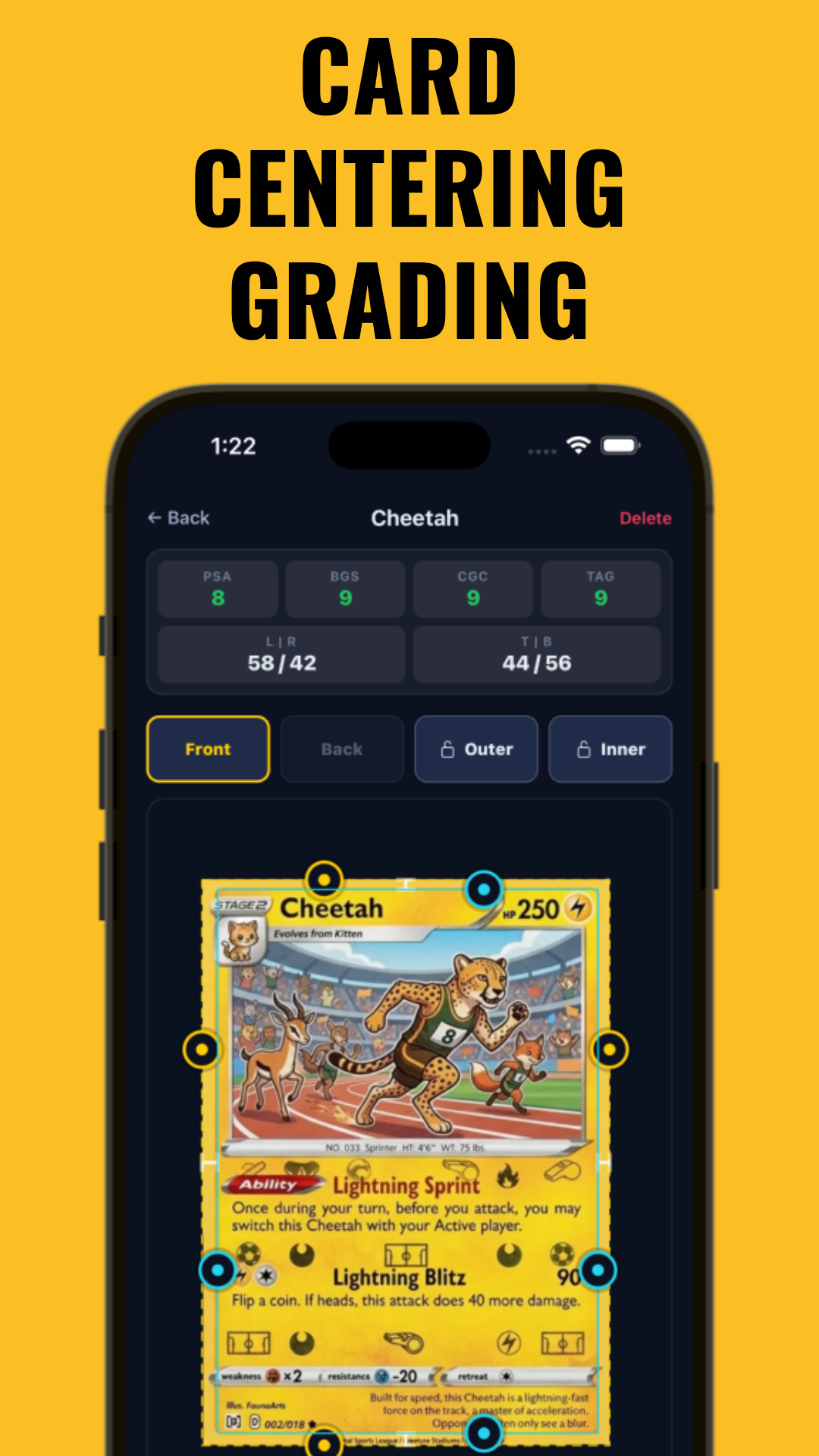
For collectors, measuring centering before submission can be helpful. Tools like Midpoint allow measurement of centering and provide AI-based grading estimates, which may optimize grading spend and reduce surprises.
Population Scarcity and Its Effect on Value
Population reports indicate PSA 10 examples of 1967 Topps cards are generally rarer than PSA 9s. For example, Mickey Mantle #50 has roughly four times more PSA 9s than PSA 10s certified. Short prints and rookie cards often have even lower PSA 10 populations, sometimes 8 to 10 times fewer than PSA 9.
This scarcity contributes to the 1967 topps psa 10 premium in the market, as collectors seek limited mint-condition cards. Low-population cards tend to command higher premiums, especially for Hall of Famers and key rookies.
However, PSA 9 cards remain desirable and retain strong market value, often serving as more accessible entry points for collectors and investors.
Recent Auction Trends and Price Verification
Recent sold auction prices and eBay listings generally support the median values noted above, with PSA 10 cards often fetching 2.7x to 4x the price of PSA 9s. Auction timing and market fluctuations can cause variability, but the overall trend appears stable.
- PSA auction records provide benchmarks for verifying recent sale prices and population data.
- eBay sold listings offer real-world transaction data but may reflect more volatile or less verified sales.
- Card-specific price guides help contextualize sales within grading and condition nuances.
For collectors aiming to authenticate and evaluate cards before sale or purchase, combining these resources with pre-grading apps like Midpoint can improve valuation accuracy and confidence.
Which Should You Choose? PSA 9 or PSA 10 for 1967 Topps?
Deciding between a PSA 9 and PSA 10 1967 Topps card depends on your collecting goals and budget:
- Budget-conscious collectors: PSA 9 cards offer solid value, especially since many cards have relatively narrow price gaps compared to PSA 10.
- Investors and high-end collectors: Pursuing PSA 10s for key rookies, Hall of Famers, and scarce short prints can yield stronger long-term premiums but requires patience and higher upfront costs.
- Focus on centering: Cards with near-perfect centering are better candidates for PSA 10 grading, while others may be safer as PSA 9.
- Use AI pre-grading tools: Apps like Midpoint can help measure centering and estimate grades across PSA, BGS, CGC, and TAG before paying grading fees.
For example, a 1967 Topps Don Drysdale rookie card graded PSA 9 at $1,100 might be worth pursuing as a PSA 10 at $3,500 if it measures perfectly centered. Conversely, a short print with mediocre centering might be a better buy as a PSA 9 given the difficulty of achieving PSA 10.
To learn more about how centering impacts card value and grading, check out this detailed post on How Centering Impacts Card Value.
FAQ
How much is a 1967 Topps PSA 9 card worth compared with a PSA 10?
As of 2026-10-28, PSA 9 cards generally sell for roughly 25% to 40% of the value of their PSA 10 counterparts, with price differences varying by card. For example, Mickey Mantle #50 at PSA 9 is $3,000 versus $9,500 at PSA 10.
How much more is a PSA 10 1967 Topps card worth than a PSA 9?
PSA 10 cards typically command about 2.7x to 4x the price of PSA 9s, depending on factors like scarcity, centering, and player significance.
What are the most valuable 1967 Topps cards in PSA 9 and PSA 10?
Top-value cards include Mickey Mantle #50, Willie Mays #550, Hank Aaron #50, and Don Drysdale rookie #500. High-number short prints (#534–609) also hold notable value due to rarity.
Which 1967 Topps cards have the biggest PSA 9-to-PSA 10 price gap?
High-number short prints like #534 and key rookies tend to show the largest gaps, sometimes up to 4x the PSA 9 price.
How rare are PSA 10 examples of 1967 Topps cards?
PSA 10 examples are generally rarer, often 4 to 10 times less common than PSA 9s, especially for short prints and rookies.
Where can I find recent sold prices for 1967 Topps PSA 9 and PSA 10 cards?
Recent sold prices can be verified through PSA auction records, eBay sold listings, and card price guides. Using apps like Midpoint can also help track current market values and population data.
Free to start
Try the Midpoint app
Grade any card from a photo, see its raw and PSA 10 value, and track what your collection is worth — free.
Get it on iPhoneGet it on Android