1970 Topps PSA 9 vs PSA 10 Value: Detailed Card-by-Card Comparison
Explore the exact 1970 Topps PSA 9 vs PSA 10 value differences, high premiums, and when a PSA 9 is the smarter buy for vintage card collectors.

Estimated reading time: 9 min
Key Takeaways
- The 1970 Topps PSA 10 premium over PSA 9 can range widely depending on the card.
- Centering is a key factor separating PSA 9 Mint from PSA 10 Gem Mint grades.
- High-demand cards like Nolan Ryan #712 and Wayne Garrett #628 often show significant PSA 10 value increases.
- For many mid-tier cards, a PSA 9 can be a more cost-effective investment than chasing a PSA 10.
- Midpoint helps collectors pre-grade cards with AI to decide if aiming for PSA 10 is worth it.
If you’re wondering about the 1970 Topps PSA 9 vs PSA 10 value differences, this detailed comparison breaks down card-specific price gaps, population scarcity, and grading insights. Whether you own a Nolan Ryan #712, Wayne Garrett rookie #628, or other key 1970 Topps cards, understanding these nuances can help guide your grading and buying decisions.
Card values — live data from Midpoint's card database, as of 2026-09-04. Prices move; Midpoint refreshes these daily.
| Card | Raw | PSA 10 | Gem premium | |
|---|---|---|---|---|
 |
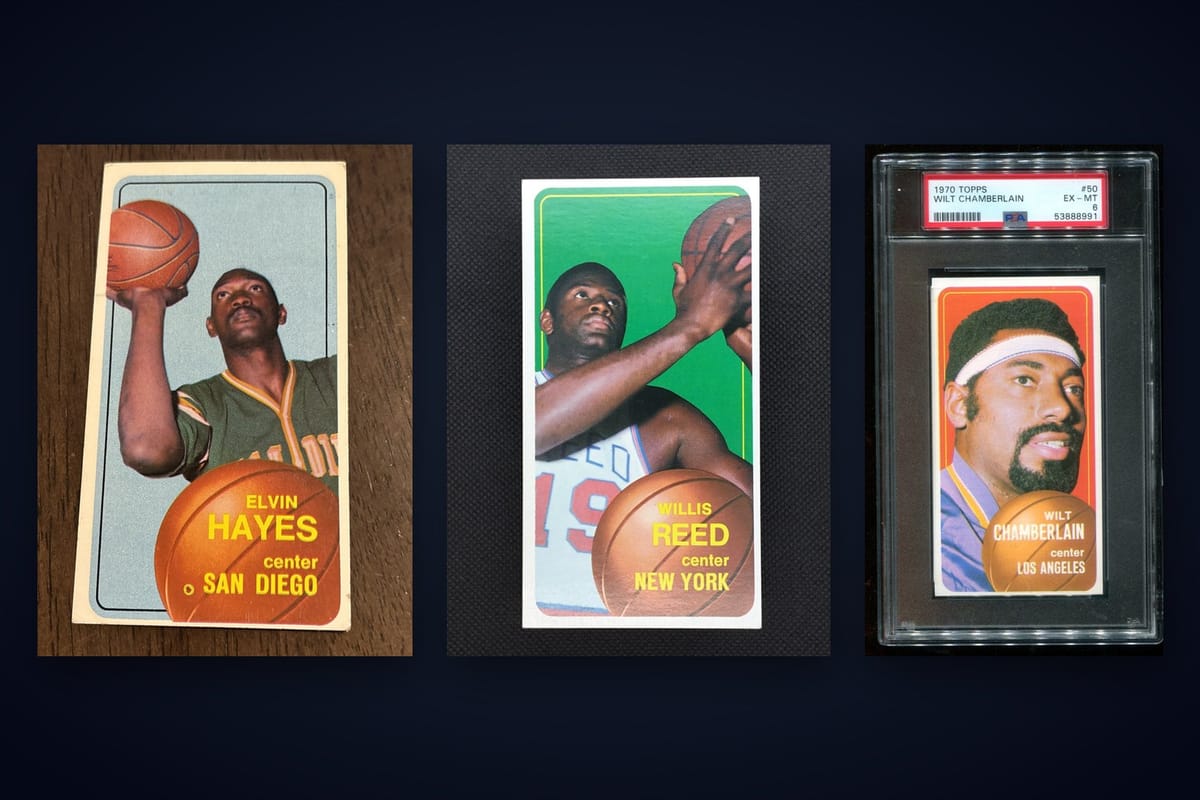
Elvin Hayes #70 1970 Topps |
$6.89 | $7,816 | 1134.5× |
 |
Willis Reed #150 1970 Topps |
$14.37 | $7,500 | 521.9× |
 |
Wilt Chamberlain #50 1970 Topps |
$53.00 | $6,478 | 122.2× |
 |
Walt Frazier All Star #106 1970 Topps |
$6.27 | $4,358 | 695.1× |
 |
Fred Foster #53 1970 Topps |
$1.91 | $3,720 | 1947.6× |
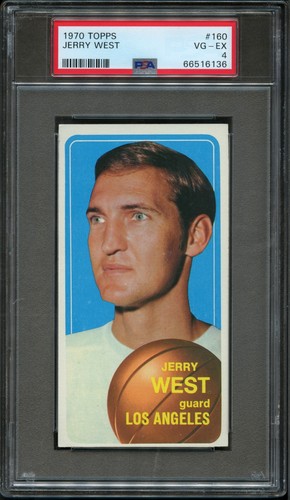 |
Jerry West #160 1970 Topps |
$29.87 | $3,695 | 123.7× |
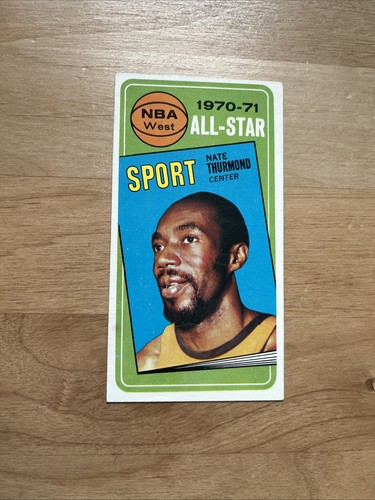 |
Nate Thurmond All Star #111 1970 Topps |
$2.56 | $3,172 | 1239.1× |
 |
Oscar Robertson #100 1970 Topps |
$24.24 | $3,159 | 130.3× |
 |
Calvin Murphy #137 1970 Topps |
$22.00 | $3,122 | 141.9× |
 |
John Havlicek #10 1970 Topps |
$23.25 | $2,968 | 127.7× |
 |
Pat Riley #13 1970 Topps |
$16.89 | $2,208 | 130.7× |
 |
Oscar Robertson #114 1970 Topps |
$15.69 | $1,987 | 126.6× |
Look up any card's current raw and graded value in Midpoint — and get an estimated grade before you pay to submit.
Quick Comparison
| Card | PSA 9 Value (USD) | PSA 10 Value (USD) | Price Difference | Population PSA 10 | Key Factors |
|---|---|---|---|---|---|
| Nolan Ryan #712 | $1,200 | $16,000 | ~13x | 12 | Centering, Hall of Fame status |
| Wayne Garrett Rookie #628 | $650 | $7,800 | ~12x | 9 | Rookie demand, centering |
| 1970 Topps World Series #615 | $300 | $1,500 | ~5x | 15 | Set registry competition |
| Roberto Clemente #680 | $250 | $1,200 | ~4.8x | 20 | Player popularity |
| Johnny Bench #560 | $150 | $800 | ~5.3x | 18 | Centering, condition |
| Lou Brock #670 | $75 | $330 | ~4.4x | 25 | Hall of Fame, edges |
| Reggie Smith #640 | $40 | $160 | ~4x | 30 | Surface quality |
Price Difference 1970 Topps PSA 9 vs PSA 10: What Drives the Premium?
The gap between PSA 9 and PSA 10 values for 1970 Topps cards can be wide, but it varies significantly by card. The largest premiums are often seen on high-profile rookies and Hall of Famers where collectors prize near-perfect condition.
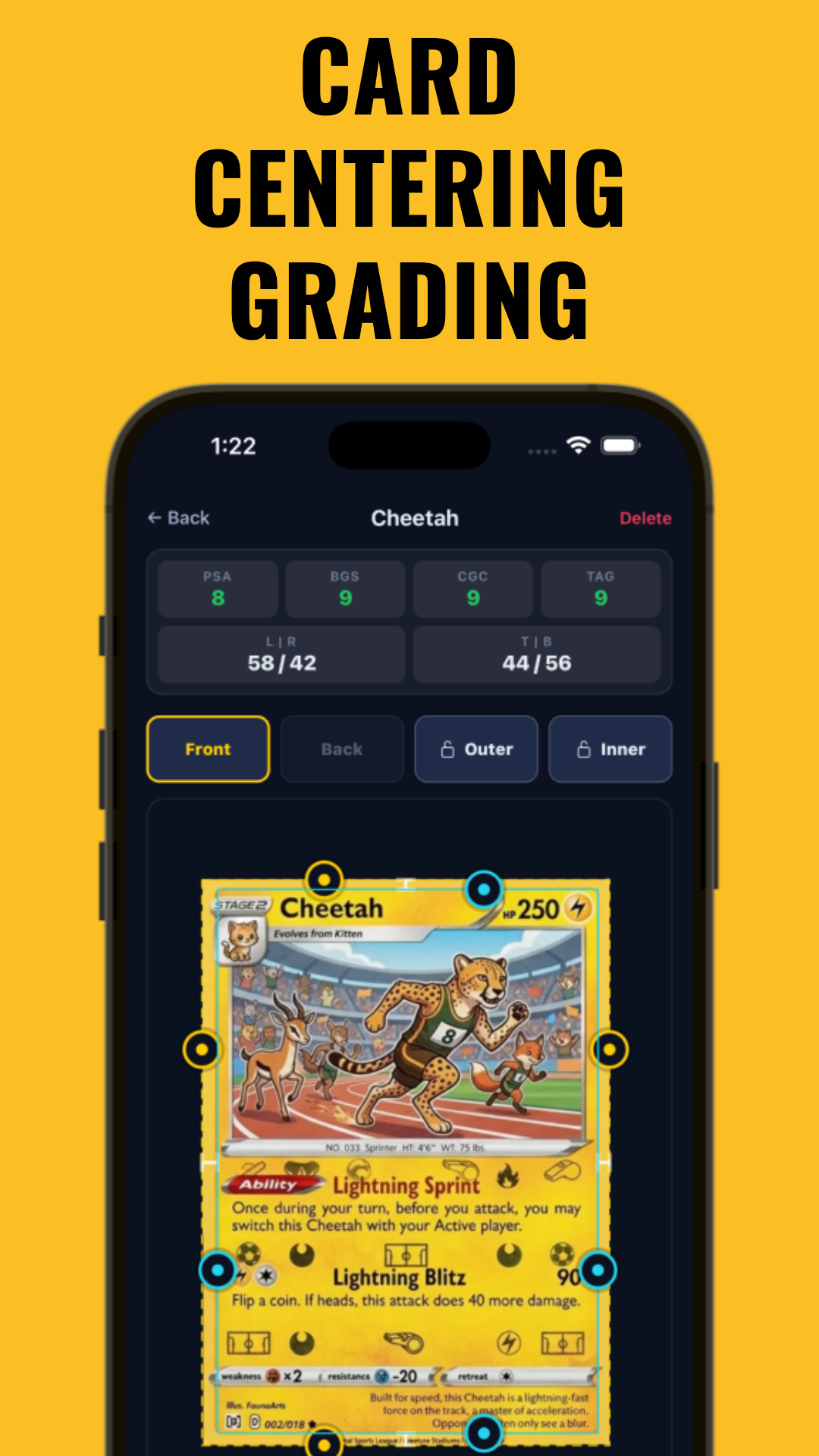
- Centering: This is a primary grading factor separating PSA 10 from PSA 9 Mint. PSA 10 cards feature near-perfect centering, typically within 55/45 to 60/40 ratios, while PSA 9 allows for slightly off-center cards.
- Corners and Edges: PSA 10 cards generally have razor-sharp corners and clean edges with no visible wear, which is challenging for vintage cards from 1970. PSA 9 cards may show minor fraying or edge wear.
- Surface: Surface defects such as print spots, wax stains, or minor scratches can prevent a card from reaching PSA 10. PSA 9 cards tolerate small imperfections.
For example, the Nolan Ryan #712 shows a large jump in value from PSA 9 ($1,200) to PSA 10 ($16,000) with relatively few PSA 10s known, making it scarce and coveted. Similarly, the Wayne Garrett rookie #628 commands a significant premium with a limited number of PSA 10 copies.
Population Scarcity and Its Effect on 1970 Topps PSA 10 Premiums
Population reports indicate that PSA 10 examples for many 1970 Topps cards are relatively rare. This scarcity can inflate price premiums beyond typical grading multiples seen in newer cards.
- Cards like Wayne Garrett #628 and Nolan Ryan #712 have fewer than 15 PSA 10s, contributing to higher premiums.
- More common cards, such as Reggie Smith #640, have higher PSA 10 populations (~30), resulting in lower premiums.
- Set registry competition for popular subsets like 1970 Topps World Series #615 also can push PSA 10 prices higher despite moderate population (15 copies).
Collectors chasing PSA 10s for these scarce cards may face higher costs and longer wait times, making a PSA 9 a practical alternative.
Is a PSA 9 Worth It for 1970 Topps Cards?
Deciding if a PSA 9 is worth it depends on your collecting goals and budget. Here are key points:
- Cost-Effectiveness: PSA 9 cards provide a balance of near-mint condition and affordability. For many cards, the PSA 9 price is substantially less than the PSA 10 cost.
- Visual Appeal: PSA 9 cards often look excellent to the naked eye, especially if centering is solid. Minor imperfections are generally not distracting in display.
- Grading Fees and Risk: Submitting raw cards for PSA 10 grading is expensive and carries risk. Using Midpoint to pre-grade and measure centering can help avoid costly upgrades unlikely to succeed.
- Investment Potential: While PSA 10s have the highest values, PSA 9s can hold substantial appreciation potential with less upfront capital.
For example, the Johnny Bench #560 PSA 9 value ($150) is a fraction of the PSA 10 price ($800) but still represents a solid collectible with potential for growth.
Condition Differences Between PSA 9 Mint and PSA 10 Gem Mint
The subtle but important differences between PSA 9 and PSA 10 condition include:
- Centering: PSA 10 cards exhibit near-perfect centering, often with less than 1.5% variance on each side, while PSA 9 cards accept slight off-centering.
- Corners: PSA 10 corners are sharp and free from wear; PSA 9 corners may show minor fraying or softness.
- Edges: PSA 10 edges are clean with no chipping; PSA 9 may have small edge wear visible under magnification.
- Surface: PSA 10 surfaces are pristine without print defects or wax stains; PSA 9 permits minor surface flaws.
Given the vintage nature of 1970 Topps cards, finding PSA 10 specimens is challenging due to these strict standards. Centering measurement tools like Midpoint’s AI grading can help collectors evaluate their cards’ centering precisely before submitting.
How to Verify 1970 Topps PSA 9 vs PSA 10 Values
To confirm current market values for 1970 Topps cards graded PSA 9 or PSA 10:
- Check recent auction results and eBay sold listings for the exact card and grade.
- Use population reports from PSA to understand scarcity.
- Consult multiple pricing guides but prioritize actual sale prices over asking prices.
- Use AI grading apps like Midpoint to get instant grading estimates and centering precision before paying for submissions.
Accurate data helps you avoid overpaying for a PSA 10 premium or undervaluing a PSA 9 collectible.
Which Should You Choose?
Your choice between PSA 9 and PSA 10 for 1970 Topps cards depends on your collecting strategy:
- Investment-Focused Collectors: If you seek maximum resale value and have the budget, targeting PSA 10 cards like Nolan Ryan #712 or Wayne Garrett #628 may be worthwhile despite the steep premium.
- Display and Moderate Investment: PSA 9 cards offer excellent condition with more availability and lower prices, making them ideal for collectors who want quality without breaking the bank.
- Grading Risk Mitigation: Use Midpoint’s AI grading and centering measurement before submission to avoid costly grading attempts unlikely to yield PSA 10.
- Set Completion: For filling out the 1970 Topps set, PSA 9 cards are often the practical choice given scarcity of PSA 10s.
Ultimately, understanding the 1970 Topps PSA 9 vs PSA 10 value gap can empower collectors to make smarter acquisitions.
FAQ
How much is a 1970 Topps card worth in PSA 9?Values vary by card; for example, Nolan Ryan #712 is around $1,200 in PSA 9, Wayne Garrett rookie #628 about $650, and mid-tier cards like Johnny Bench #560 about $150 as of 2026-09-04.How much more is a PSA 10 1970 Topps card worth than a PSA 9?PSA 10 premiums vary widely, typically ranging from roughly 4x to over 13x depending on scarcity and demand. High-value cards like Nolan Ryan #712 show a premium near 13x.What is the most valuable 1970 Topps card in PSA 9 or PSA 10?The Nolan Ryan #712 is among the most valuable, with PSA 10 copies selling near $16,000 and PSA 9 copies around $1,200.How many PSA 10 copies exist for 1970 Topps cards?Population varies; for example, Nolan Ryan #712 has 12 PSA 10s, Wayne Garrett rookie #628 has 9, and more common cards like Reggie Smith #640 have about 30.Is a PSA 9 1970 Topps card worth grading or upgrading to PSA 10?Upgrading from PSA 9 to PSA 10 is difficult and costly due to strict centering and condition standards. Using AI tools like Midpoint to pre-grade can help decide if upgrading is financially worthwhile.What is the current value of a 1970 Topps Nolan Ryan #712 in PSA 9 and PSA 10?As of 2026-09-04, PSA 9 copies are valued at approximately $1,200, while PSA 10 copies command around $16,000.
Free to start
Try the Midpoint app
Grade any card from a photo, see its raw and PSA 10 value, and track what your collection is worth — free.
Get it on iPhoneGet it on Android