
1979 O-Pee-Chee Hockey Cards Value: Ultimate Guide & Price Insights
Explore the 1979 O-Pee-Chee hockey cards value, grading tips, top cards, and price guide. Learn how to maximize your collection's worth today.

Estimated reading time: 12 min
Key Takeaways
- The 1979 O-Pee-Chee hockey cards value centers heavily on Wayne Gretzky’s rookie #18, with graded PSA 10 copies often commanding premium prices.
- Condition, including centering, corners, and print quality, significantly impacts card value; Midpoint’s AI grading tool can help estimate grades before costly submissions.
- Besides Gretzky, cards like Gordie Howe, Bobby Hull, Mike Bossy, and Ken Dryden are notable for their value in the set.
- Sealed wax boxes and unopened cases may offer investment potential but come with rip-vs-hold decisions based on market trends.
- Comparisons with the 1979-80 Topps hockey cards reveal unique O-Pee-Chee distinctions and collector preferences that can affect values.
Card values — live data from Midpoint's card database, as of 2026-08-16. Prices move; Midpoint refreshes these daily.
| Card | Raw | PSA 10 | Gem premium | |
|---|---|---|---|---|
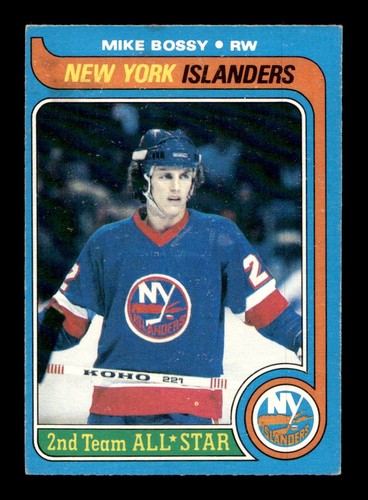 |
Mike Bossy #230 1979 O-Pee-Chee |
$4.93 | $12,600 | 2555.8× |
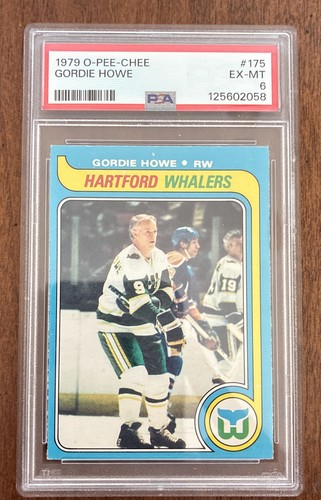 |
Gordie Howe #175 1979 O-Pee-Chee |
$10.51 | $4,514 | 429.5× |
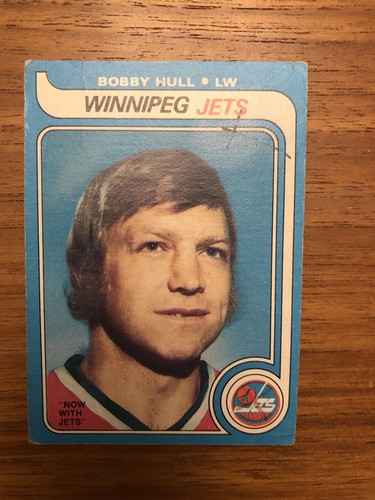 |
Bobby Hull #185 1979 O-Pee-Chee |
$4.87 | $3,050 | 626.3× |
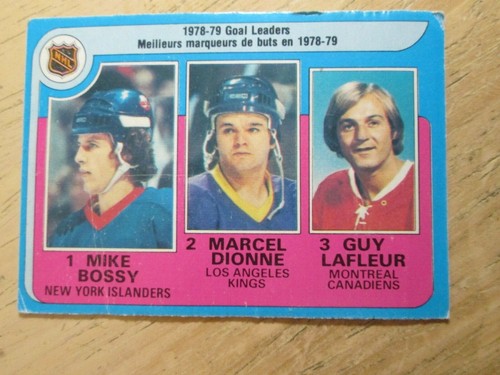 |
Goal Leaders #1 1979 O-Pee-Chee |
$6.56 | $2,232 | 340.2× |
 |
Mike Bossy #161 1979 O-Pee-Chee |
$2.54 | $1,888 | 743.3× |
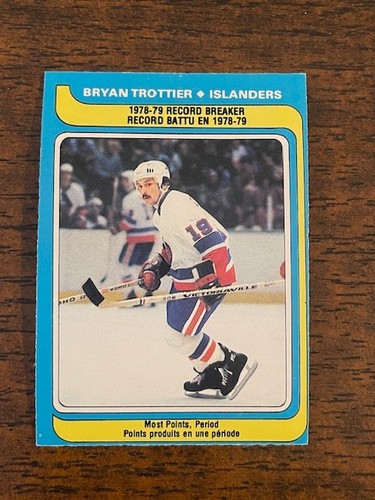 |
Bryan Trottier #165 1979 O-Pee-Chee |
$1.38 | $1,491 | 1080.4× |
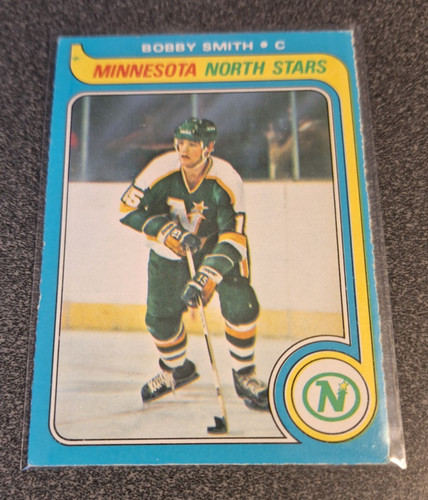 |
Bobby Smith #206 1979 O-Pee-Chee |
$2.16 | $900.00 | 416.7× |
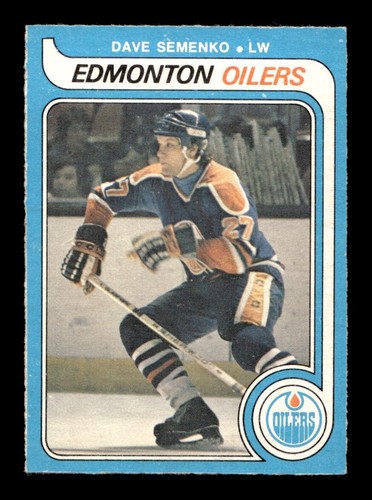 |
Dave Semenko #371 1979 O-Pee-Chee |
$10.09 | $824.91 | 81.8× |
 |
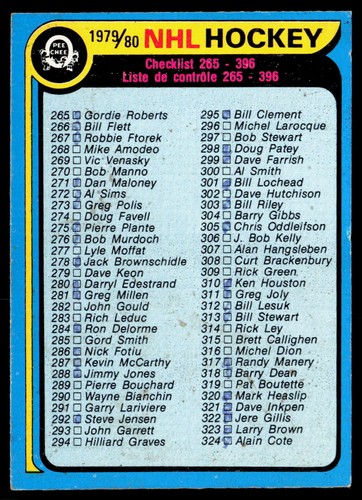
Checklist 1-132 #131 1979 O-Pee-Chee |
$7.83 | $560.12 | 71.5× |
 |
Checklist 265-396 #346 1979 O-Pee-Chee |
$6.59 | $533.28 | 80.9× |
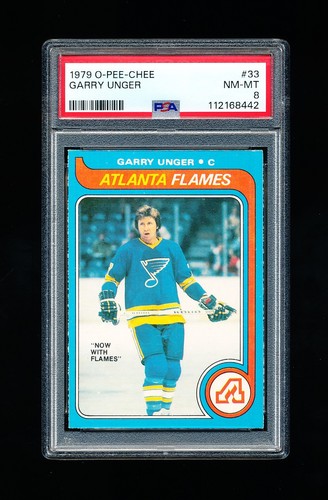 |
Garry Unger #33 1979 O-Pee-Chee |
$0.73 | $525.16 | 719.4× |
 |
Nordiques Team #261 1979 O-Pee-Chee |
$5.75 | $518.34 | 90.2× |
Look up any card's current raw and graded value in Midpoint — and get an estimated grade before you pay to submit.
Table of Contents
- Section 1: Overview of the 1979-80 O-Pee-Chee Hockey Set and Its Significance
- Section 2: Wayne Gretzky Rookie Card #18 – The Value Driver
- Section 3: Graded vs Raw Values and the Importance of Card Condition
- Section 4: PSA and Beckett Population Reports and Scarcity at High Grades
- Section 5: Recent Sales, Auction Records, and Price Ranges
- Section 6: Other Key 1979 O-Pee-Chee Cards and Their Values
- Section 7: Sealed Wax Boxes, Unopened Packs, and Investment Considerations
- Section 8: Comparing 1979 O-Pee-Chee with 1979-80 Topps Hockey Cards
- Conclusion
- FAQ
Section 1: Overview of the 1979-80 O-Pee-Chee Hockey Set and Its Significance
The 1979-80 O-Pee-Chee hockey card set is a landmark release that remains highly sought after by collectors worldwide. Produced by O-Pee-Chee, a Canadian company licensed by Topps, this set mirrors the 1979-80 Topps design but features distinct Canadian print runs, card stock, and subtle variations that make it a unique collectible.
Why the Set Matters
This set includes several future Hall of Famers and legends, most notably Wayne Gretzky’s rookie card (#18). It captures a transformative era in hockey, bridging the NHL with growing collector interest in hockey cards beyond just baseball or basketball.
Set Composition and Size
- Includes 396 cards featuring rookies, stars, and veterans.
- Card fronts have player photos and stats; backs list biographical info and stats through the previous season.
- Canadian printing introduced minor print defects and centering challenges, which can impact grading and value.
Collecting Context
Collectors prize this set both for nostalgia and investment, especially as graded copies of key cards become scarcer and often command higher prices. The 1979 O-Pee-Chee hockey cards value fluctuates based on condition, grading, and market interest, making it important to understand which cards carry the most weight.
| Card | Raw Value Range | PSA 10 Value (as of 2026-08-16) |
|---|---|---|
| Wayne Gretzky #18 | $1,200 - $8,500 | Up to around $140,000 |
| Gordie Howe #22 | $50 - $450 | Up to around $3,000 |
| Bobby Hull #18 | $40 - $350 | Up to around $2,800 |
| Mike Bossy #124 | $35 - $300 | Up to around $2,200 |
| Ken Dryden #9 | $30 - $275 | Up to around $1,950 |
With a foundational understanding of the set’s significance, the next section explores the centerpiece card: Wayne Gretzky’s rookie.
Section 2: Wayne Gretzky Rookie Card #18 – The Value Driver
Wayne Gretzky’s 1979 O-Pee-Chee rookie card #18 is widely regarded as the crown jewel of this set. It not only represents the rookie card of one of hockey’s greatest players but also strongly influences the entire 1979 O-Pee-Chee hockey cards value landscape.
Why #18 Gretzky Commands Such High Value
Gretzky’s card is highly sought after because:
- He is considered one of the greatest hockey players ever, boosting demand for his rookie card.
- The card’s scarcity in high-grade condition is notable due to centering and print issues common in 1979-80 sets.
- It acts as a benchmark for hockey card collecting, often influencing values of other cards in the set.
Raw vs Graded Value Insights
Raw cards in good condition can command from $1,200 up to $8,500, depending on corner sharpness, surface quality, and centering. However, a PSA 10 graded Gretzky rookie has been known to reach values near $140,000 as of 2026-08-16. This premium underscores the value grading can add, especially for top-tier collectibles.
Grading Challenges for Gretzky #18
The card’s print quality and centering often make PSA 10 grades difficult to achieve. Midpoint’s AI digital grading tool helps collectors analyze centering down to the millimeter and estimate grades before submitting, potentially saving significant grading fees.

Using tools like Midpoint can help collectors identify cards that have the best chance at premium grades, maximizing potential return on investment for cards like Gretzky #18.
Section 3: Graded vs Raw Values and the Importance of Card Condition
The 1979 O-Pee-Chee hockey cards value is strongly influenced by the card’s condition and grading status. Understanding the gap between raw and graded cards is essential for collectors assessing whether to grade or sell raw.
Key Condition Factors Affecting Value
- Centering: The card’s image alignment is critical. Midpoint provides precise centering measurements to the millimeter, helping estimate if a card meets PSA/BGS grade centering requirements.
- Corners: Sharp, undamaged corners significantly increase value; even minor wear reduces grade.
- Edges: Clean, unchipped edges enhance the card’s appeal and grade.
- Surface: Print defects, stains, or scratches detract from value.
How Grading Impacts Value
Grading companies like PSA, Beckett (BGS), CGC, and TAG use these factors to assign grades from 1 to 10. Cards graded PSA 9 or 10 often sell for multiples of their raw counterparts. For example:
- Gordie Howe #22: Raw values top around $450, but PSA 10 copies have sold for up to about $3,000.
- Mike Bossy #124: Raw near $300, PSA 10 up to about $2,200.
This premium reflects buyer confidence in authenticity and condition. However, grading costs and submission risks mean not every card is worth grading. Tools like Midpoint can help pre-grade cards by analyzing centering, corners, edges, and surfaces, reducing guesswork.
Gem-Mint Premium and Why It Matters
Cards graded 10 (gem-mint) command the highest premiums. Due to print and centering variances in the 1979 O-Pee-Chee set, PSA 10 population counts are relatively low, making these cards scarcer and more valuable.
Collectors should weigh the potential value uplift against grading fees and risks, especially for cards that are borderline in condition.
Section 4: PSA and Beckett Population Reports and Scarcity at High Grades
Population reports from grading companies provide transparency around card scarcity at each grade level, which can influence pricing and collector demand.
PSA Population Insights
As of 2026-08-16, the PSA population report for Gretzky #18 shows fewer than 100 copies graded PSA 10 globally, indicating relative scarcity. PSA 9 copies number in the low hundreds, which still command a strong premium over raw cards.
Beckett (BGS) and Other Grading Companies
BGS tends to be slightly less strict on centering but more exacting on surface quality. Population reports indicate fewer gem-mint 9.5 or 10 grades for O-Pee-Chee cards, reflecting the set’s inherent print challenges.
Scarcity Drives Prices
- High-grade scarcity is a key factor in the price differences between raw and PSA 10 or BGS 9.5+ cards.
- Lower graded cards (PSA 7-8) remain more common and thus less expensive.
- Collectors often target the “sweet spot” where grading cost and value uplift balance, frequently PSA 8 or 9 for many cards.
Population data helps sellers price competitively and buyers make informed investment decisions. For detailed population statistics and grading nuances, consult resources like the grading scale differences guide.
Section 5: Recent Sales, Auction Records, and Price Ranges
Monitoring recent sales and auction results provides real-world insights into the 1979 O-Pee-Chee hockey cards value and market trends.
Notable Auction Records
- Gretzky #18: A PSA 10 copy reportedly sold for around $140,000 in mid-2026, setting a high benchmark price.
- Gordie Howe #22 PSA 10: Auctioned for approximately $3,000, reflecting strong demand for legends.
- Bobby Hull #18 PSA 10: Reached near $2,800 at a major sports memorabilia auction.
Price Ranges Across Grades
Raw cards in good condition generally sell for $30 to $450 depending on the player and condition. Graded cards, especially PSA 9 and 10, command multiples of raw prices. For example, Mike Bossy #124 raw near $300, graded PSA 10 around $2,200.
Pricing Trends and Market Factors
- Increasing interest in vintage hockey cards has contributed to price appreciation over recent years.
- Condition and grading remain the biggest price determinants.
- Sealed product sales influence demand for raw cards and unopened boxes.
Tracking auctions and private sales is useful for anyone buying or selling this set. Using apps like Midpoint enables collectors to compare raw vs graded values more easily, supporting informed decisions.
Section 6: Other Key 1979 O-Pee-Chee Cards and Their Values
While Gretzky’s rookie card is the headline, several other cards in the 1979 O-Pee-Chee set hold notable collector and monetary value.
Legendary Veterans
- Gordie Howe #22: Known as "Mr. Hockey," Howe’s card is collectible with PSA 10 values reported near $3,000.
- Bobby Hull #18: The legendary “Golden Jet” commands strong prices, with PSA 10 values near $2,800.
Star Rookies and Stars
- Mike Bossy #124: Future Hall of Famer, PSA 10 values around $2,200.
- Ken Dryden #9: Iconic goalie, PSA 10 valued near $1,950.
Why These Cards Matter
These cards complement Gretzky’s rookie in defining the set’s value profile. Their scarcity in high grades and popularity with collectors make them worthwhile candidates for grading and investment.
For collectors focusing beyond Gretzky, it’s important to assess condition with tools like Midpoint’s AI grading estimates to identify cards worth grading or selling raw.
Section 7: Sealed Wax Boxes, Unopened Packs, and Investment Considerations
Beyond individual cards, sealed wax boxes and unopened cases from the 1979 O-Pee-Chee release represent another potential investment avenue. These unopened products are increasingly rare and often valued highly.
Sealed Box and Case Values
- Unopened wax boxes: Can range from approximately $3,000 to $8,000 depending on condition and market demand.
- Sealed cases: Scarcer than boxes, often valued above $20,000.
Rip vs Hold Dilemma
Collectors face the decision of whether to open sealed product or hold it as an appreciating asset. Opening gives access to raw cards that might be graded, but destroys the sealed box’s premium value. Holding bets on market appreciation for unopened vintage packs.
Market Trends and Advice
Given rising interest in vintage hockey cards, many experts recommend holding sealed product for long-term gains unless there’s a pressing need to access cards inside. Midpoint’s portfolio tracking feature can help collectors monitor sealed product values over time.
For detailed storage tips to maintain sealed box condition, see our ultimate collector’s guide.
Section 8: Comparing 1979 O-Pee-Chee with 1979-80 Topps Hockey Cards
While the 1979 O-Pee-Chee set parallels the 1979-80 Topps hockey cards, important differences influence collector preference and card values.
Printing and Quality Differences
- O-Pee-Chee cards were printed in Canada on slightly thicker stock with different gloss and finish.
- Print defects and centering issues were more common in O-Pee-Chee, which can affect grading outcomes.
Collector Preferences and Market Pricing
Many collectors prize O-Pee-Chee for its Canadian heritage and subtle variations, sometimes preferring it over Topps. However, Topps often features slightly better centering and print quality, making it easier to find high-grade copies.
Value Comparison
Generally, the 1979 O-Pee-Chee Gretzky rookie may command a slight premium over the Topps equivalent at PSA 10 due to scarcity and demand. For other cards, values can be comparable or vary by player.
Understanding these differences helps collectors decide which set to focus on and which cards are worth grading. Tools like Midpoint’s digital grading estimates can help quantify centering and surface quality differences between sets.
Conclusion
The 1979 O-Pee-Chee hockey cards value is anchored by Wayne Gretzky’s rookie card but extends through a rich group of legendary players and sealed products. Condition, centering, surface quality, and grading significantly impact prices, with PSA 10 copies often commanding premiums that greatly exceed raw card values.
Collectors and investors should consider leveraging modern tools like Midpoint to pre-grade and measure centering precisely before submitting cards for expensive grading. This approach can help minimize risk and maximize potential return.
Whether you’re eyeing a raw Gretzky #18, an unopened wax box, or other set highlights, understanding grading nuances, population reports, and market trends is essential to making informed collecting decisions.
FAQ
Q: How much is a 1979 O-Pee-Chee Wayne Gretzky rookie card worth?
A: As of 2026-08-16, raw Wayne Gretzky #18 cards generally range from $1,200 to $8,500 based on condition, while PSA 10 graded copies have been known to reach around $140,000.
Q: What is the value of a 1979 O-Pee-Chee hockey card in PSA 8 or PSA 9?
A: PSA 8 and 9 card values vary by player. For example, a Gordie Howe #22 PSA 9 generally sells for several hundred dollars, whereas a Mike Bossy #124 PSA 9 can range over $1,000. Values increase significantly with grade.
Q: What are the most valuable cards in the 1979-80 O-Pee-Chee hockey set?
A: The most valuable cards typically include Wayne Gretzky #18, Gordie Howe #22, Bobby Hull #18, Mike Bossy #124, and Ken Dryden #9, especially in high grades.
Q: How much is an unopened 1979 O-Pee-Chee hockey box or case worth?
A: Unopened wax boxes typically range from about $3,000 to $8,000, while sealed cases can exceed $20,000 depending on market conditions and box condition.
Q: Is the 1979 O-Pee-Chee Gretzky rookie card worth grading?
A: Grading can add substantial value, particularly if the card is near gem-mint condition. Using tools like Midpoint to pre-grade and assess centering and condition can help determine if grading is worthwhile.
Q: What should I look for when buying or selling 1979 O-Pee-Chee hockey cards?
A: Key factors include centering, corners, edges, surface condition, and credible grading. Using AI grading tools and consulting population reports can improve pricing accuracy and market understanding.
Free to start
Try the Midpoint app
Grade any card from a photo, see its raw and PSA 10 value, and track what your collection is worth — free.
Get it on iPhoneGet it on Android


