1986 Fleer PSA 9 vs PSA 10 Value: Price Gap and Market Insights
Explore the 1986 Fleer PSA 9 vs PSA 10 value gap, market trends, and which grade offers better investment potential for Michael Jordan rookie cards.

Estimated reading time: 9 min
Key Takeaways
- The 1986 Fleer PSA 10 often commands a significant premium over PSA 9, sometimes exceeding 4x the value.
- Centering quality is a key condition factor driving the steep 9 to 10 grade difference.
- PSA 9 offers a more accessible entry point but may have less liquidity and resale confidence compared to PSA 10.
- The 1986 Fleer Michael Jordan #57 rookie card shows one of the largest PSA 10 premiums in the set.
- Collectors seeking long-term investment and maximum resale value often prioritize PSA 10, while casual buyers may consider PSA 9.
When comparing the 1986 Fleer PSA 9 vs PSA 10 value for iconic cards like the Michael Jordan #57 rookie, understanding the price gap and market dynamics is helpful. This guide breaks down current market values, grading factors, scarcity, and resale confidence to help you decide whether the PSA 9 or PSA 10 grade is better for your collection or investment.
Card values — live data from Midpoint's card database, as of 2026-09-04. Prices move; Midpoint refreshes these daily.
| Card | Raw | PSA 10 | Gem premium | |
|---|---|---|---|---|
 |
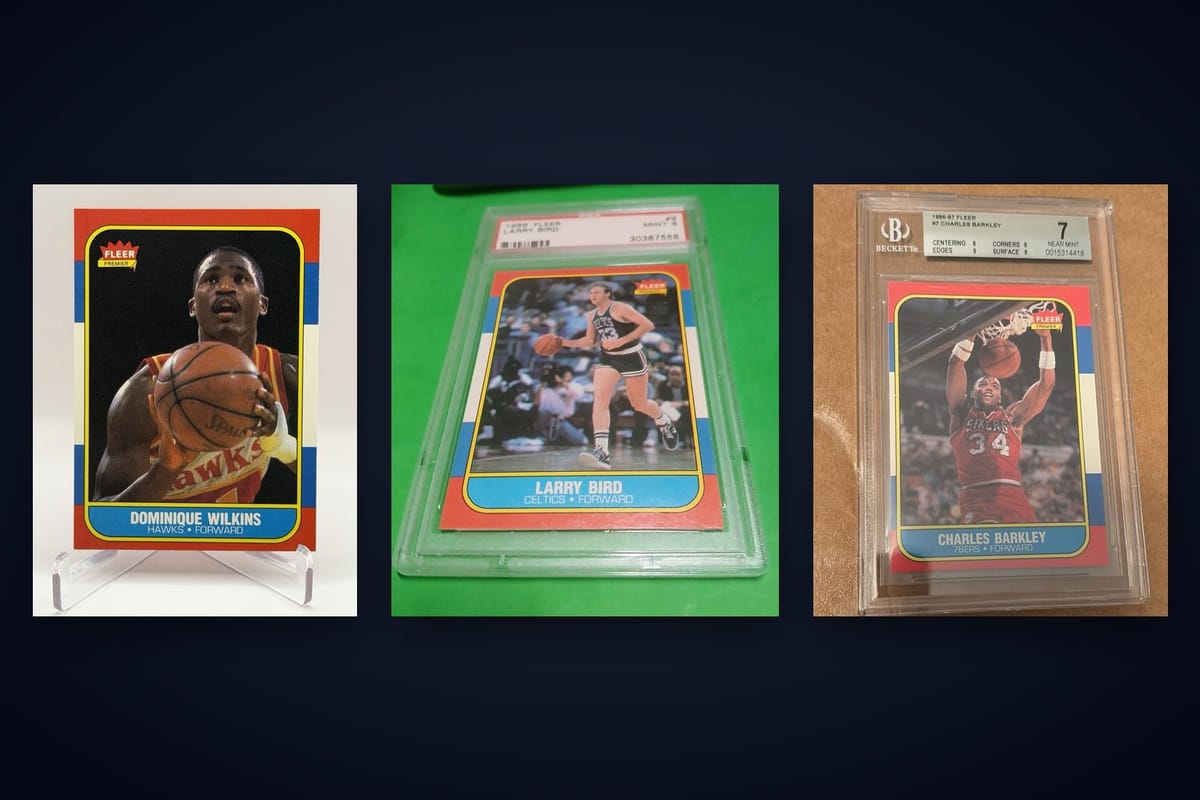
Dominique Wilkins #121 1986 Fleer |
$45.83 | $14,084 | 307.3× |
 |
Larry Bird #9 1986 Fleer |
$82.00 | $8,400 | 102.4× |
 |
Charles Barkley #7 1986 Fleer |
$169.75 | $7,321 | 43.1× |
 |
Kareem Abdul-Jabbar #1 1986 Fleer |
$30.70 | $6,300 | 205.2× |
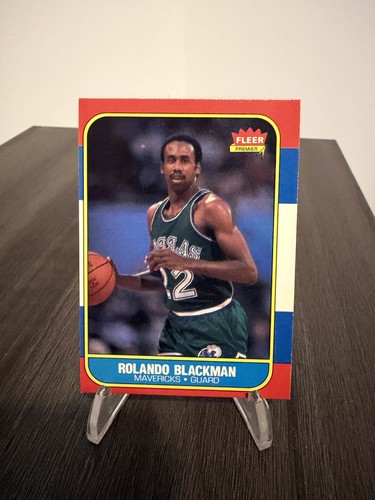 |
Rolando Blackman #11 1986 Fleer |
$7.80 | $5,939 | 761.4× |
 |
Patrick Ewing #32 1986 Fleer |
$68.97 | $5,101 | 74× |
 |
Chris Mullin #77 1986 Fleer |
$29.92 | $5,000 | 167.1× |
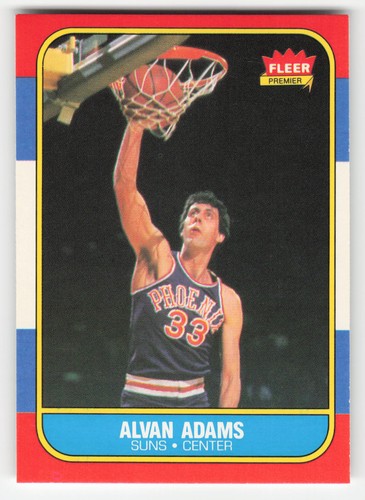 |
Alvan Adams #2 1986 Fleer |
$5.13 | $4,942 | 963.5× |
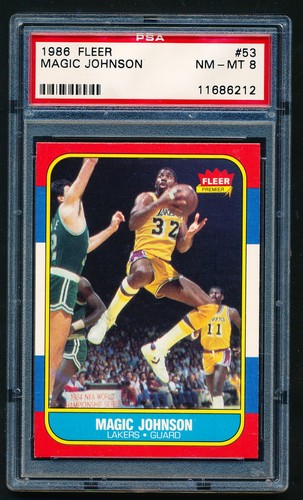 |
Magic Johnson #53 1986 Fleer |
$65.45 | $4,250 | 64.9× |
 |
Karl Malone #68 1986 Fleer |
$51.00 | $3,574 | 70.1× |
 |
James Worthy #131 1986 Fleer |
$29.49 | $2,925 | 99.2× |
 |
Steve Johnson #55 1986 Fleer |
$5.79 | $2,431 | 419.9× |
Look up any card's current raw and graded value in Midpoint — and get an estimated grade before you pay to submit.
Quick Comparison
| Card | PSA 9 Market Value (USD) | PSA 10 Market Value (USD) | PSA 10 Premium (PSA 10 ÷ PSA 9) | Population PSA 9 | Population PSA 10 |
|---|---|---|---|---|---|
| 1986 Fleer Michael Jordan #57 Rookie | $8,500 | $38,000 | 4.47x | 2,850+ | 640+ |
| 1986 Fleer Charles Barkley #65 | $300 | $1,200 | 4.00x | 4,000+ | 1,000+ |
| 1986 Fleer Patrick Ewing #6 | $600 | $2,500 | 4.17x | 3,500+ | 850+ |
| 1986 Fleer Sticker Michael Jordan #M101 | $1,200 | $4,500 | 3.75x | 1,900+ | 500+ |
| 1986 Fleer Moses Malone #29 | $150 | $550 | 3.67x | 2,700+ | 700+ |
Price Gap and PSA 10 Premium on 1986 Fleer Cards
The PSA 9 vs PSA 10 price difference 1986 Fleer cards is notable, especially for top rookies like Michael Jordan #57. As of 2026-09-04, the PSA 10 for the Jordan rookie averages around $38,000, while PSA 9 copies hover near $8,500—a premium of over 4.4 times. This increase reflects the market’s higher valuation of near-perfect condition and centering.
Other key cards like Charles Barkley #65 and Patrick Ewing #6 exhibit similar multipliers, with PSA 10 prices roughly four times higher than their PSA 9 counterparts. The 1986 Fleer Sticker Michael Jordan #M101 also follows this trend, though its premium is slightly lower at about 3.75x.
These premiums are influenced by scarcity and collector demand for high-grade examples. The centering quality especially affects whether a card reaches PSA 10, as even slight misalignment can result in a PSA 9 grade despite strong corners and surface.
Population Reports and Scarcity Influence Value
Population reports indicate that PSA 10 examples of these cards are less common than PSA 9. For instance, the Michael Jordan #57 rookie has over 2,850 PSA 9s graded but about 640 PSA 10s. This relative scarcity contributes to the value difference.
Collectors often prize PSA 10s for their perceived investment security and resale confidence. The smaller population combined with the iconic status of these cards motivates buyers to pay a premium for top-grade copies.
- PSA 9 copies offer greater availability and affordability.
- PSA 10 scarcity can support higher auction prices and quicker sales.
- Population trends may suggest PSA 10s have potential for appreciation over time.
The Grade Cliff: Why PSA 9 vs PSA 10 Matters So Much
The grade cliff between PSA 9 and PSA 10 for 1986 Fleer cards is among the steepest in sports card collecting. The main differentiator is centering, which generally must be nearly perfect (often within 55/45 or better) to earn a 10.
For the Michael Jordan rookie, even a slight off-center shift can keep a card at PSA 9, significantly affecting its market value. This creates what collectors call a "grade cliff," where a single grade difference corresponds to a large price gap.
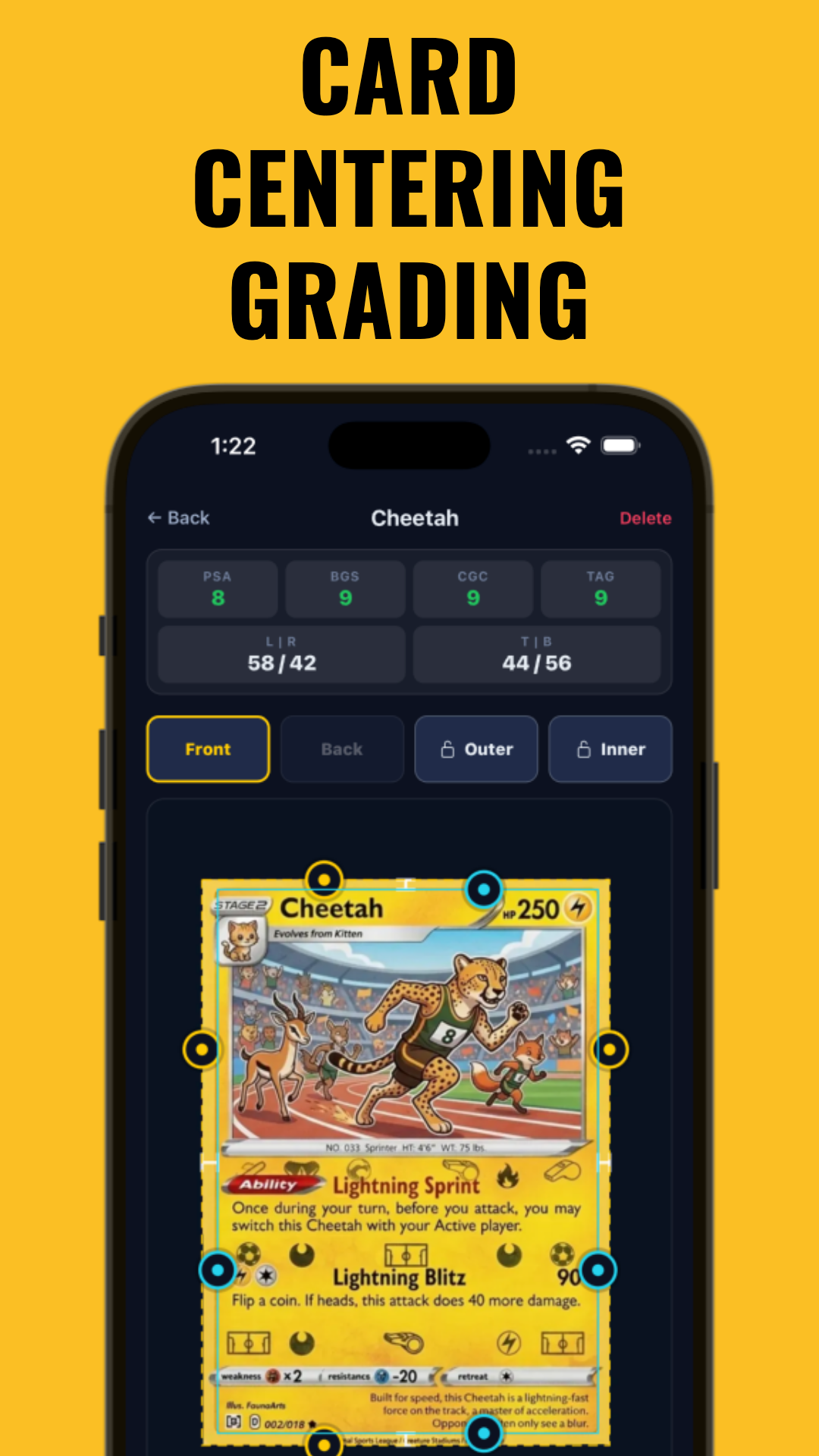
This phenomenon highlights the importance of pre-assessing centering and condition before submitting for grading. Apps like Midpoint allow collectors to measure centering precisely and estimate PSA grades, helping avoid costly grading fees on borderline cards.
1986 Fleer Jordan vs Sticker: Comparative Values in PSA 9 and PSA 10
The 1986 Fleer Sticker Michael Jordan #M101 is another sought-after collectible but generally trades at lower values than the base #57 rookie. PSA 10 stickers command about $4,500, while PSA 9 copies are roughly $1,200.
While the sticker’s premium ratio (3.75x) aligns with the base card, the overall price level is lower, making the sticker a potential alternative for collectors seeking Jordan cards with a smaller capital outlay.
The base rookie’s iconic status and higher population scarcity at PSA 10 support its premium valuation, reaffirming its position as the top-tier 1986 Fleer Jordan investment.
Comparing 1986 Fleer Jordan to Other Michael Jordan Rookie Cards
The 1986 Fleer #57 rookie remains among the most valuable Jordan cards from the era, overshadowing many parallel rookie issues and inserts. Compared to other notable 1980s basketball cards, it holds a dominant spot due to its status as the first Fleer Jordan card and its historical significance.
While cards like the 1986 Fleer Sticker and select inserts have value, none consistently match the PSA 10 premium or resale liquidity of the base rookie. This disparity makes the Fleer #57 a key asset in basketball card collecting.
Is PSA 9 a Better Entry Point or Value Buy?
For collectors and investors on a budget, PSA 9 copies offer a more accessible entry point into the 1986 Fleer Jordan market. At approximately $8,500, PSA 9s cost less than a quarter of the PSA 10 price, making them attractive for those who seek ownership without the premium price tag.
However, PSA 9 cards may carry greater risk regarding resale liquidity and price stability. Market data suggests PSA 10s tend to sell faster and maintain stronger demand, making them generally the safer long-term investment.
Collectors focused on enjoyment and affordability may prefer PSA 9, but serious investors often consider the benefits of PSA 10 despite the higher upfront cost.
Historical Peak vs Current Market Values
The 1986 Fleer PSA 10 Michael Jordan rookie has reached peak values exceeding $50,000 during market highs. Since then, values have moderated to the current $38,000 range, reflecting broader market corrections and shifts in collector sentiment.
PSA 9 prices have similarly adjusted but remain below $10,000, preserving a consistent premium ratio. This trend suggests the grade gap remains significant, with PSA 10 retaining top-tier status and price resilience over time.
Condition Factors Separating PSA 9 from PSA 10
Centering is the primary factor dividing PSA 9 and PSA 10 grades on the 1986 Fleer cards. Other condition elements include:
- Corners: PSA 10 requires razor-sharp corners without fraying.
- Edges: Clean, smooth edges with no chipping.
- Surface: Free of stains, print defects, or scratches.
Even with perfect corners and surface, a center misalignment as small as 1-2 millimeters can prevent a PSA 10 designation. This underscores the value of measuring centering precisely with tools like Midpoint’s Free Centering Calculator before submitting.
Resale Confidence: Grading, Liquidity, and Auction Results
PSA 10 graded 1986 Fleer cards generally enjoy stronger resale confidence among collectors and investors. Auction data indicates PSA 10s often attract higher bids and sell faster than PSA 9s.
The stronger liquidity of PSA 10 cards can reduce holding risk and facilitate portfolio management for serious collectors. PSA 9 cards, while valuable, may have longer selling times and wider price fluctuations.
Using apps like Midpoint to estimate grade and centering can enhance your grading submissions’ success and increase resale confidence by helping you target the ideal grade tier.
Which Should You Choose?
Deciding between PSA 9 and PSA 10 for 1986 Fleer cards depends on your goals and budget:
- Long-term investment: Prioritize PSA 10 for maximum value retention and resale liquidity.
- Budget-conscious collecting: PSA 9 offers a more affordable way to own iconic cards with good condition.
- Market timing: Consider historical trends and current valuations; PSA 10s have shown value resilience despite market dips.
- Condition certainty: Use grading estimation tools like Midpoint to assess centering and condition before grading to avoid expensive mistakes.
For those interested in diving deeper into grading nuances and centering impact, Midpoint provides free tools and AI-powered digital grading estimates that can guide your decision-making and help protect your investment. Visit Midpoint to explore how precise centering measurement can save you grading fees and maximize your card’s value.
FAQ
How much more is a 1986 Fleer Jordan PSA 10 worth than a PSA 9?
The PSA 10 Michael Jordan #57 rookie card is worth approximately 4.4 times more than a PSA 9, with values at $38,000 vs $8,500 as of 2026-09-04.
Why is the PSA 10 premium so large on the 1986 Fleer Jordan rookie?
The large premium stems from the rarity of perfect centering and flawless condition required for PSA 10, combined with collector demand and a smaller population of PSA 10 copies.
Is a PSA 9 1986 Fleer Jordan a good investment compared with a PSA 10?
PSA 9 offers a more affordable entry point but may have less liquidity and resale confidence than PSA 10. For long-term investment, PSA 10 is generally preferred despite the higher price.
What is the current market value of a 1986 Fleer Jordan PSA 9 and PSA 10?
As of 2026-09-04, the PSA 9 is valued around $8,500, and the PSA 10 around $38,000 for the Michael Jordan #57 rookie card.
How many PSA 10s of the 1986 Fleer Jordan exist?
There are approximately 640 PSA 10 graded Michael Jordan #57 rookie cards graded by PSA.
Should I buy the 1986 Fleer rookie or sticker in PSA 9 or PSA 10?
The base rookie card commands higher prices and prestige, especially in PSA 10. The sticker is more affordable and still holds value but is generally a secondary choice for collectors prioritizing investment.
Free to start
Try the Midpoint app
Grade any card from a photo, see its raw and PSA 10 value, and track what your collection is worth — free.
Get it on iPhoneGet it on Android