500 Years in the Future One Piece Cards Value: Comprehensive Price Guide
Discover the 500 Years in the Future One Piece cards value including top chase cards, grading premiums, and market trends for raw and PSA 10 singles.

Estimated reading time: 15 min
Key Takeaways
- Understand the most valuable 500 Years in the Future One Piece cards and their current market prices as of 2026-09-17, including detailed pricing tiers and grading premiums.
- Learn how grading impacts card values, especially PSA 10 premiums versus raw cards, with examples and strategic grading recommendations.
- Explore the differences between Japanese and English release pricing and sealed product values, including regional market dynamics and collector preferences.
- Discover which cards may be worth grading based on population reports, scarcity data, and market demand nuances.
- Gain insights into set total value, market depth, recent price trends, and how external factors can influence market movements.
Card values — live data from Midpoint's card database, as of 2026-09-17. Prices move; Midpoint refreshes these daily.
| Card | Raw | PSA 10 | Gem premium | |
|---|---|---|---|---|
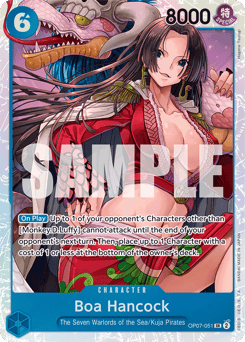 |
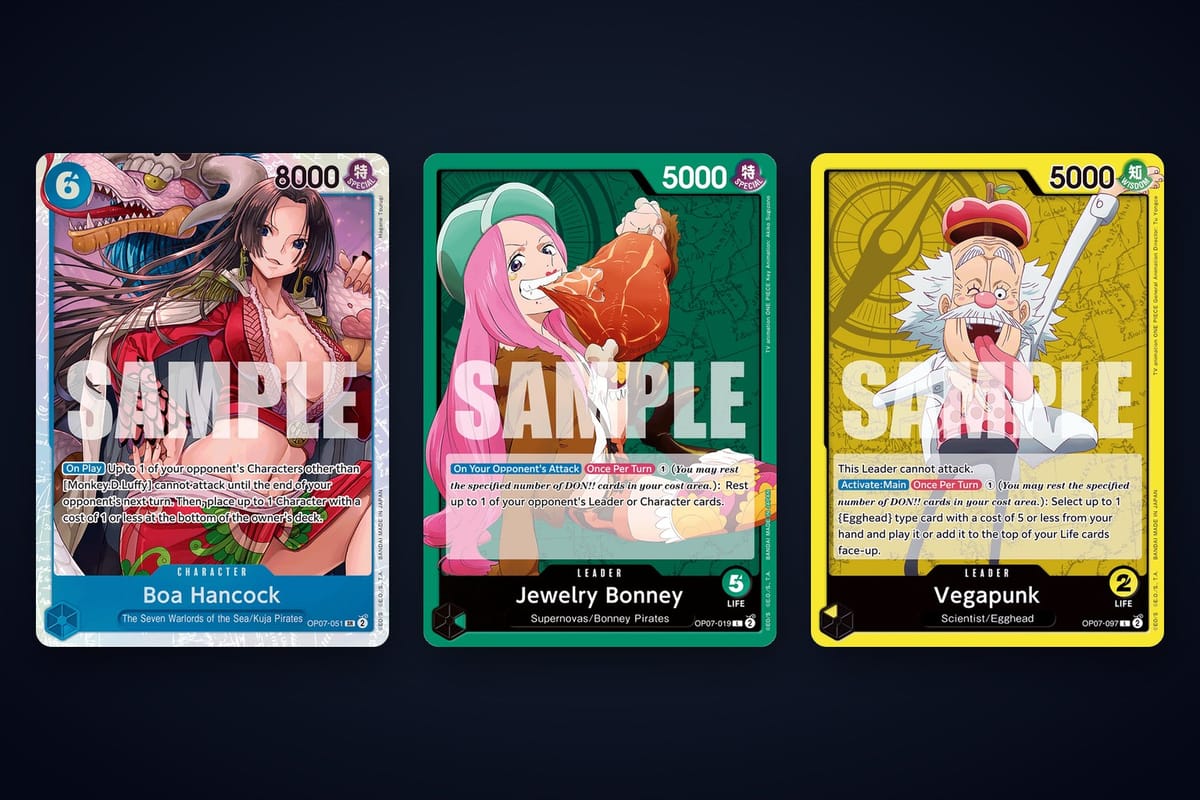
Boa Hancock #OP07-051 500 Years In The Future (2024) |
$44.86 | — | — |
 |
Jewelry Bonney #OP07-019 500 Years In The Future (2024) |
$44.19 | — | — |
 |
Vegapunk #OP07-097 500 Years In The Future (2024) |
$40.41 | — | — |
 |
Jewelry Bonney #OP07-026 500 Years In The Future (2024) |
$24.05 | — | — |
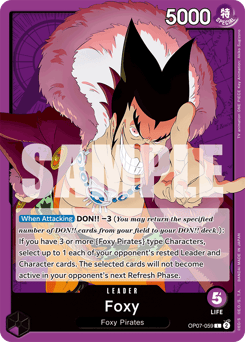 |
Foxy #OP07-059 500 Years In The Future (2024) |
$21.75 | — | — |
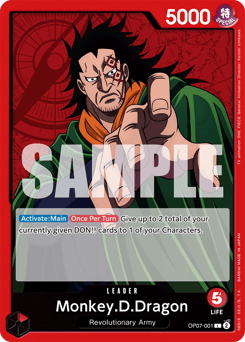 |
Monkey.D.Dragon #OP07-001 500 Years In The Future (2024) |
$21.32 | — | — |
 |
Rob Lucci #OP07-079 500 Years In The Future (2024) |
$18.57 | — | — |
 |
Monkey.D.Dragon #OP07-015 500 Years In The Future (2024) |
$11.46 | — | — |
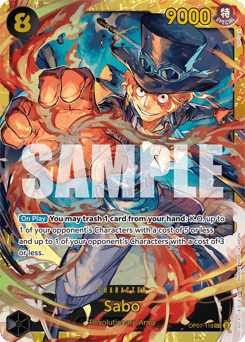 |
Sabo #OP07-118 500 Years In The Future (2024) |
$9.51 | — | — |
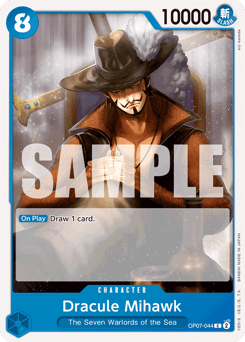 |
Dracule Mihawk #OP07-044 500 Years In The Future (2024) |
$8.86 | — | — |
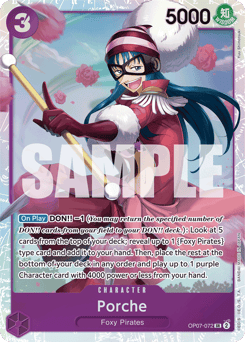 |
Porche #OP07-072 500 Years In The Future (2024) |
$8.82 | — | — |
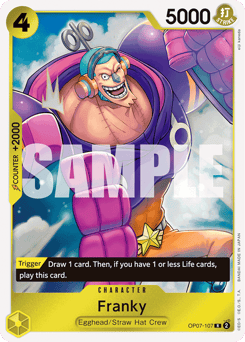 |
Franky #OP07-107 500 Years In The Future (2024) |
$7.52 | — | — |
Look up any card's current raw and graded value in Midpoint — and get an estimated grade before you pay to submit.
Table of Contents
- Section 1: Overview of the 500 Years in the Future One Piece Set
- Section 2: Most Valuable 500 Years in the Future Cards
- Section 3: Graded vs Raw Card Values and PSA 10 Premiums
- Section 4: Japanese vs English Release Pricing Differences
- Section 5: Booster Boxes, Packs, and Sealed Product Values
- Section 6: Population Reports and Grading Scarcity
- Section 7: Recent Market Trends and Price Movements
- Conclusion
- FAQ
Section 1: Overview of the 500 Years in the Future One Piece Set
The 500 Years in the Future One Piece card set, released in mid-2024, has become a notable collection among collectors and investors worldwide. This set, officially known as OP07, builds upon the legacy of the One Piece trading card game by introducing new mechanics and a wide assortment of cards that tap into the series’ expanding lore.
Set Composition and Total Value
The set contains over 250 unique cards ranging from standard commons to rare top prize exclusives. These include categories such as Manga Rares, Treasure Rares, Serial Numbered cards, Winner’s Prize cards, and Top Prize cards. The diversity in rarity and design contributes to the set’s appeal.
As of September 17, 2026, the total tracked market value of the set is estimated to be in the range of $350,000 to $400,000 USD. This estimate is based on aggregating raw and graded card sales across major marketplaces, with key chase cards and graded scarcity being primary value drivers. The total value also considers sealed product and booster box valuations, which have generally maintained strong pricing reflecting ongoing collector interest.
Card Rarity Tiers
- Manga Rare: These cards are printed in limited quantities and feature iconic manga artwork, making them sought-after. For example, the Boa Hancock Manga Rare is notable due to its striking art and moderate availability.
- Treasure Rare: Designed with elaborate foil stamping and intricate borders, Treasure Rares such as the Luffy Treasure Rare often command a premium due to their visual appeal and restricted distribution.
- Serial and Winner Cards: These cards are individually numbered, adding scarcity and uniqueness. Cards like Ace Serial #123 are prized for their distinctiveness and limited print runs.
- Top Prize Cards: Representing the pinnacle of rarity, these cards—such as the Top Prize Sanji—are awarded exclusively at tournaments or special events. Their print numbers are very limited, often under 100 copies worldwide, making them among the most valuable cards in the set.
Importance of Accurate Valuation
With the complexity and rarity tiers present, collectors benefit from relying on accurate, real-time pricing data to make informed decisions about acquisitions, sales, or grading submissions. Midpoint’s app provides instant lookup of raw and graded values across the entire 500 Years in the Future set. It integrates historical sales data, population reports, and grading estimates to offer a comprehensive market snapshot.
| Card Name | Raw Price (USD) | PSA 10 Price (USD) | Grading Worthiness |
|---|---|---|---|
| Boa Hancock Manga Rare | $180 | $720 | High |
| Luffy Treasure Rare | $140 | $560 | High |
| Ace Serial #123 | $250 | $1,000 | Very High |
| Winner's Prize Zoro | $1,200 | $3,800 | Top Priority |
| Top Prize Sanji | $2,400 | $7,500 | Essential |
Section 2: Most Valuable 500 Years in the Future Cards
Identifying the most valuable cards within the 500 Years in the Future set is important for collectors looking to maximize portfolio value or decide on targeted grading investments. These high-value chase cards have characteristics that contribute to their desirability and price premiums.
Top Chase Cards by Value
- Top Prize Sanji: Among the most coveted cards in the set, this card is valued at approximately $7,500 in PSA 10 condition as of 2026-09-17. It is reported to be limited to fewer than 50 graded copies globally, which contributes to its scarcity and collector demand.
- Winner's Prize Zoro: Valued at around $3,800 PSA 10, this card is distributed exclusively through tournament events, adding to its rarity and prestige.
- Ace Serial #123: This serial numbered card is collectible, with a PSA 10 value near $1,000. Its unique numbering can affect desirability, with lower serial numbers often more sought after.
- Boa Hancock Manga Rare: A visually striking card with moderate rarity, it commands a PSA 10 price of about $720. It is frequently targeted by collectors due to its balance of accessibility and value.
- Luffy Treasure Rare: This card is popular because of Luffy’s iconic status and elaborate foiling, with a PSA 10 value near $560.
Why These Cards Command Premiums
These cards combine multiple value factors: limited print runs, featuring iconic and fan-favorite characters, appealing artwork, and grading scarcity. The One Piece fanbase’s size and enthusiasm, along with the broader trading card community’s interest, contribute to these cards’ prices, especially for PSA 10 copies which are often considered the gold standard of condition.
Other Notable Mentions
Beyond the top-tier chase cards, several manga rares and treasure rares maintain solid values. For example, cards in the $100-$400 raw price range often increase in value once graded. Cards such as the Nami Manga Rare or the Franky Treasure Rare have consistent demand, making them potentially worthwhile investments at the mid-tier level.
Section 3: Graded vs Raw Card Values and PSA 10 Premiums
One critical consideration for collectors is deciding which cards to grade and understanding the premium that PSA 10 or equivalent top grades command. Grading involves costs, so analyzing potential return on investment is important.
Raw vs Graded Price Comparison
- Raw cards often sell for approximately 25% to 50% of the price of PSA 10 graded versions.
- Top chase cards can show PSA 10 premiums ranging from about 3x to over 4x their raw values, reflecting the scarcity of flawless condition copies.
- Lower rarity or common cards typically experience smaller uplifts from grading, often less than 1.5x raw price, making grading less cost-effective.
When Are 500 Years in the Future Cards Worth Grading?
Cards with raw values above $100 generally may justify grading, especially if they exhibit strong eye appeal, solid centering, and clean edges. Examples include:
- Boa Hancock Manga Rare: At $180 raw, grading to PSA 10 can increase value to over $700, potentially yielding a 4x return net of grading fees if the card is in excellent condition.
- Ace Serial #123: Raw price of $250 and PSA 10 around $1,000; grading is often recommended due to serial number desirability.
- Winner's Prize and Top Prize cards: Generally worth grading, as their scarcity and market premiums often outweigh grading costs.
Using Midpoint to Pre-Assess Grading Potential
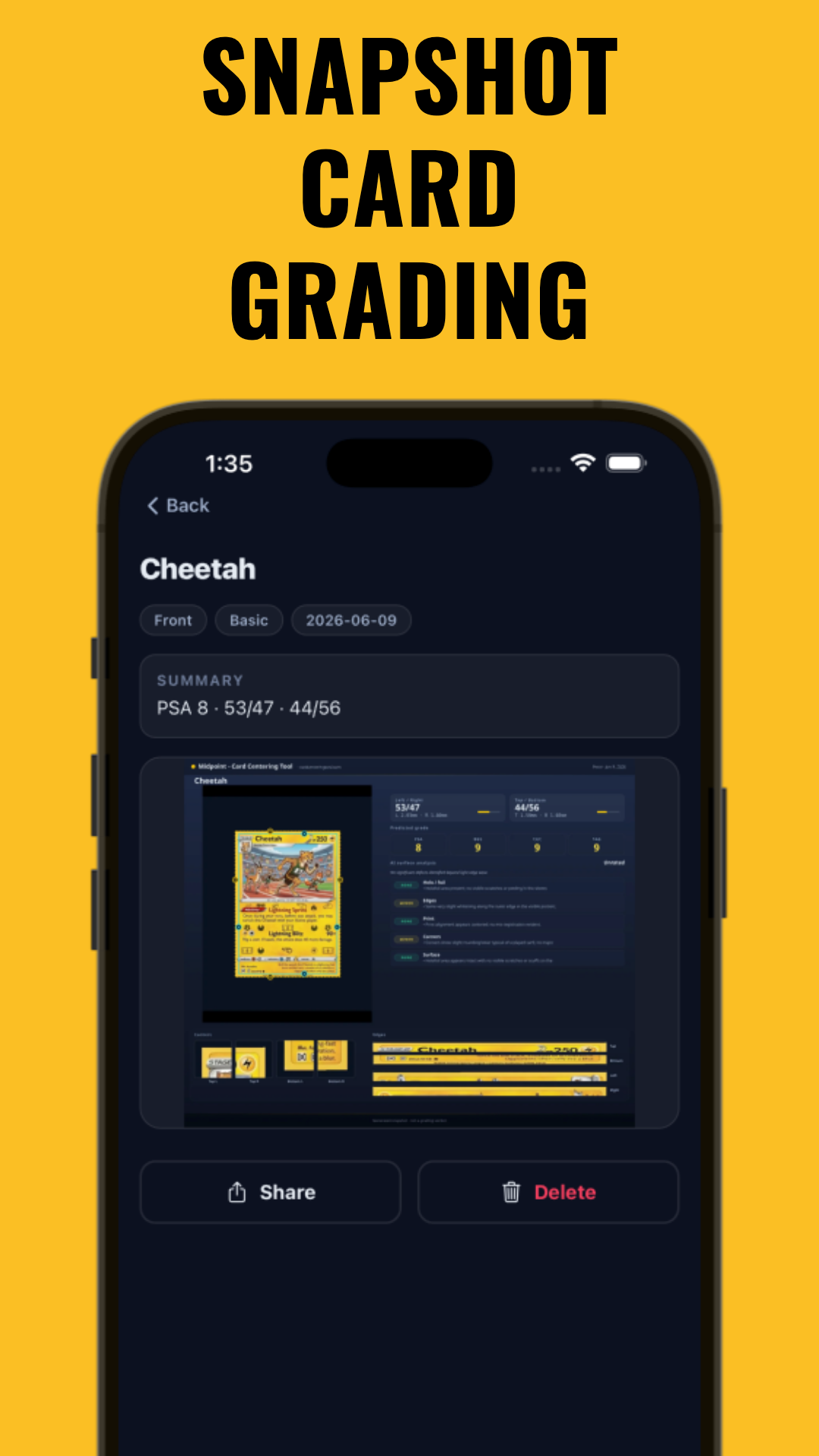
Midpoint’s AI-powered digital grading feature can help collectors by allowing measurement of centering with millimeter precision and providing instant grading estimates for PSA, BGS, CGC, and TAG grading services before submitting cards. This process can help minimize unnecessary grading fees by identifying cards unlikely to achieve top grades. The app analyzes high-resolution photos to detect edge wear, surface imperfections, and centering, offering a preliminary grade estimate. For detailed steps, see Midpoint’s How to Pre-Grade Your Card guide.
Section 4: Japanese vs English Release Pricing Differences
The 500 Years in the Future set features both Japanese and English print runs, which can impact card values and collector preferences due to cultural, linguistic, and distribution factors.
Pricing Trends by Region
- Japanese Cards: Often considered original prints with authentic artwork, these can command a premium of around 10-20% over their English counterparts. This premium tends to be more pronounced for raw cards and high-grade graded examples.
- English Cards: Generally more accessible in Western markets, English cards sometimes have lower prices unless they are chase variants or have unique serial numbering. Their broader collector base ensures steady demand and liquidity.
Examples of Pricing Discrepancies
For example, the Boa Hancock Manga Rare Japanese version may average 10-15% higher prices in raw condition compared to the English version, with PSA 10 graded Japanese copies often commanding up to 20% more due to collector preference for original language releases. Similarly, the Top Prize Sanji Japanese card can sell for a premium above the English print, especially among Asian collectors.
Impact on Grading Decisions
Collectors aiming for long-term appreciation and international resale may prioritize Japanese versions for grading, given their stronger premium and relative scarcity in Western markets. Conversely, English versions offer a more affordable entry point with reasonable resale potential, especially for newer collectors or those focusing on trading within English-speaking markets.
Section 5: Booster Boxes, Packs, and Sealed Product Values
Sealed product valuations provide insights into set demand, collector confidence, and potential future price appreciation.
Current Market Prices for Sealed Products
- Booster Box: As of 2026-09-17, a sealed booster box typically sells for around $1,600. This price reflects sustained demand and the set's popularity, as well as the inherent value of the aggregate cards inside.
- Booster Pack: Individual booster packs range between $30 and $40. Given the potential to pull chase cards worth several hundred dollars, packs can be an option for collectors seeking single-card value while accepting risk.
Investment Considerations
Sealed booster boxes offer diversified exposure to the set’s valuable cards, potentially mitigating the risk associated with singles. Investors may favor sealed boxes for long-term appreciation potential, as their total value can rise with collector demand and scarcity. However, the high entry cost and lower liquidity compared to singles should be considered. Market supply fluctuations, especially new box releases or reprints, can affect sealed product prices.
Buying Tips
- Always verify authenticity and factory seals before purchasing; counterfeit sealed products have appeared in the market, particularly for popular sets like 500 Years in the Future.
- Monitor market timing to avoid buying during hype peaks, which can inflate prices temporarily. Midpoint’s price tracking tools can help identify optimal purchase times.
- Use collection tracking apps like Midpoint to monitor sealed product value fluctuations and resale opportunities.
Section 6: Population Reports and Grading Scarcity
Population reports provide data on how many copies of specific cards have been graded by major services like PSA, BGS, CGC, and TAG. This data is useful in assessing scarcity, which can correlate with potential price appreciation.
Low Population Cards Worth Grading
- Top Prize Sanji: With fewer than 50 PSA 10 copies authenticated worldwide, this card’s scarcity supports its premium price and relative price stability.
- Winner's Prize Zoro: Limited graded copies (approximately 100 PSA 10s) contribute to its high value and desirability among collectors.
Mid-Tier Cards
Cards such as Boa Hancock Manga Rare and Luffy Treasure Rare have moderate populations, ranging from 300 to 600 graded PSA 10 copies. While more accessible, these cards still benefit from grading-related price uplifts given their collector demand and visual appeal. The moderate scarcity means grading can add value, but competition among graded copies may moderate price spikes.
Population Report Utility
Tracking population data helps collectors and investors identify cards that may be undervalued or poised for appreciation due to low graded supply. Midpoint’s integrated population insights provide real-time grading population figures alongside market prices, enabling more strategic buying, selling, and grading decisions.
Section 7: Recent Market Trends and Price Movements
Since its release, the 500 Years in the Future One Piece card market has shown growth but has also experienced fluctuations influenced by supply, grading trends, and shifts in collector interest.
Price Appreciation Patterns
- Top chase cards such as Top Prize Sanji and Winner’s Prize Zoro have reportedly experienced steady annual appreciation rates between 15% and 25% since 2024, which may outpace many other modern card sets.
- Raw cards display more volatility, with prices sensitive to changes in grading population or new graded sales data that can recalibrate market expectations.
- Sealed booster boxes have maintained consistent demand, often showing stable or gradual price increases aligned with set popularity and hobby growth.
Factors Influencing Price Changes
Several key drivers can cause price surges or declines:
- Grading breakthroughs: When rare cards receive exceptionally high grades, it can boost the perceived value of similar copies, causing price spikes.
- New population reports: A sudden influx of graded cards can temporarily soften prices by increasing supply.
- One Piece media popularity: Anime or manga story arcs, movie releases, or character spotlight episodes can increase collector interest and demand.
- Economic factors: Broader economic downturns or hobby-specific slowdowns can reduce buying power and soften prices temporarily.
How to Stay Ahead
Collectors and investors can maintain a competitive edge by leveraging Midpoint’s portfolio tracking and instant card lookup features to monitor value trends in real-time. Setting alerts for price movements and grading population updates allows timely buy, sell, or grade decisions that may maximize returns and reduce risk.
Conclusion
The 500 Years in the Future One Piece card market represents an active opportunity for collectors and investors who understand the intricacies of rarity tiers, grading premiums, and regional market dynamics. Prioritizing top chase cards such as the Top Prize Sanji and strategically utilizing tools like Midpoint’s AI digital grading can help enhance returns and manage grading costs.
Whether acquiring raw singles, sealed booster boxes, or submitting cards for grading, staying informed with accurate, up-to-date data is important. Midpoint offers a platform that integrates pricing, grading population, and digital pre-grading capabilities, empowering collectors to make data-driven decisions in this dynamic market.
Explore the full capabilities of Midpoint to pre-grade your cards, track your collection’s value, and execute knowledgeable trading decisions backed by reliable data.
FAQ
Q: What is the most valuable card in 500 Years in the Future?
A: The Top Prize Sanji card is among the highest valued, with a PSA 10 price of approximately $7,500 as of 2026-09-17. Its rarity, with fewer than 50 graded copies worldwide, contributes to its desirability.
Q: How much is a Boa Hancock manga rare from OP07 worth?
A: The Boa Hancock Manga Rare card is valued around $180 raw and can reach approximately $720 in PSA 10 condition, reflecting a strong grading premium. This card’s desirability and moderate scarcity contribute to its consistent price strength.
Q: Are graded 500 Years in the Future cards worth more than raw cards?
A: Generally, graded cards, especially PSA 10 copies, command higher prices than raw cards. Premiums of 3x to 4x or more the price of raw cards are common for top chase cards and serial-numbered variants due to grading scarcity and collector confidence.
Q: What is the value of a 500 Years in the Future booster box?
A: As of late 2026, a sealed booster box is valued at about $1,600. Prices fluctuate depending on supply, demand, and overall hobby trends but have remained relatively stable with a slight upward trajectory since release.
Q: Is 500 Years in the Future a good set to invest in?
A: The set has shown price appreciation, grading scarcity for top cards, and collector interest, which may make it a solid investment when combined with strategic grading and market timing.
Q: What are the rarest cards in OP07: 500 Years in the Future?
A: The rarest cards include Top Prize Sanji, Winner's Prize Zoro, and serial numbered cards like Ace Serial #123. These cards have low grading populations and command high market values due to their exclusivity and collector demand.
Free to start
Try the Midpoint app
Grade any card from a photo, see its raw and PSA 10 value, and track what your collection is worth — free.
Get it on iPhoneGet it on Android