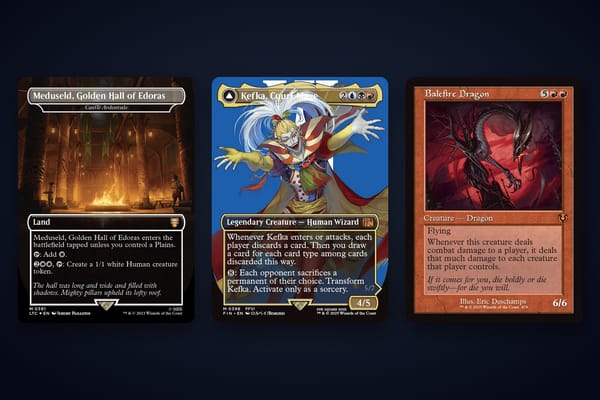
Aether Revolt MTG Cards Value: Ultimate Pricing & Grading Guide
Discover the most valuable Aether Revolt MTG cards, grading tips, and price guide to maximize your collection's worth with Midpoint's expert insights.

Estimated reading time: 15 min
Key Takeaways
- The most valuable Aether Revolt MTG cards often include Fatal Push, Chandra, Torch of Defiance, and Walking Ballista, with notable price differences between raw and graded copies, sometimes exceeding 7x in value for PSA 10 grades.
- Price variations by rarity and print type (foil, promo, prerelease) can significantly affect card value; for example, foil mythics often command higher prices than their nonfoil counterparts.
- PSA 10 graded copies generally command premium prices, especially for Commander staples and tournament-playable cards, highlighting the importance of condition and centering in grading outcomes.
- Sealed Aether Revolt booster boxes and packs hold investment potential, with market prices fluctuating based on condition, edition, and collector demand; unopened boxes can sell for several hundred dollars on the secondary market.
- Using tools like Midpoint to estimate grading and centering before submission can help collectors maximize returns and avoid unnecessary grading fees by targeting cards likely to achieve high grades.
Card values — live data from Midpoint's card database, as of 2026-08-09. Prices move; Midpoint refreshes these daily.
| Card | Raw | PSA 10 | Gem premium | |
|---|---|---|---|---|
 |
Walking Ballista #181 Aether Revolt (2017) |
$16.42 | — | — |
 |
Heroic Intervention #109 Aether Revolt (2017) |
$15.49 | — | — |
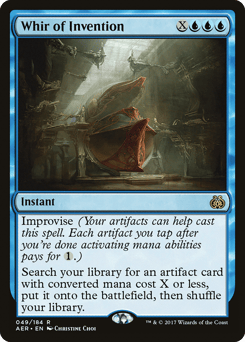 |
Whir of Invention #49 Aether Revolt (2017) |
$13.22 | — | — |
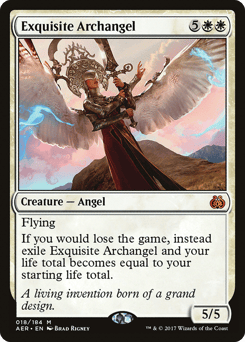 |
Exquisite Archangel #18 Aether Revolt (2017) |
$11.96 | — | — |
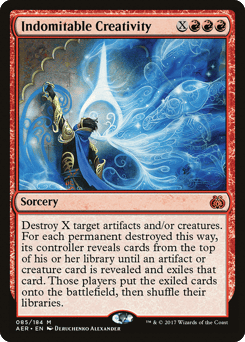 |
Indomitable Creativity #85 Aether Revolt (2017) |
$10.54 | — | — |
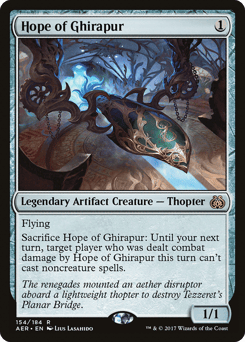 |
Hope of Ghirapur #154 Aether Revolt (2017) |
$9.47 | — | — |
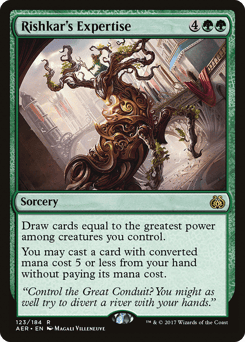 |
Rishkar's Expertise #123 Aether Revolt (2017) |
$7.38 | — | — |
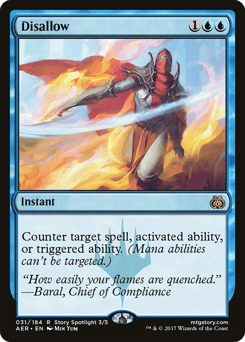 |
Disallow #31 Aether Revolt (2017) |
$7.02 | — | — |
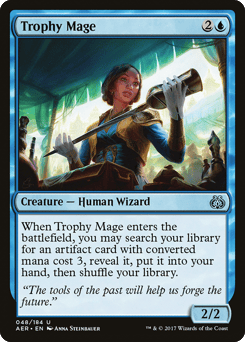 |
Trophy Mage #48 Aether Revolt (2017) |
$6.19 | — | — |
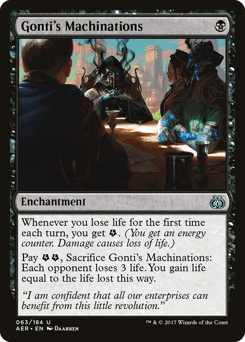 |
Gonti's Machinations #63 Aether Revolt (2017) |
$5.95 | — | — |
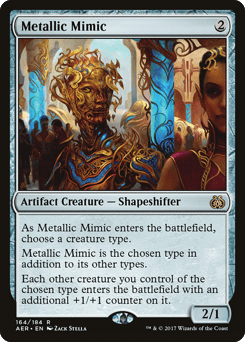 |
Metallic Mimic #164 Aether Revolt (2017) |
$5.91 | — | — |
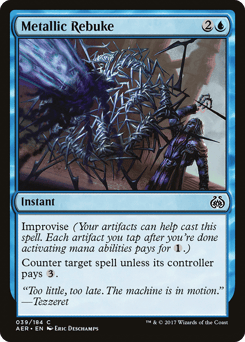 |
Metallic Rebuke #39 Aether Revolt (2017) |
$5.63 | — | — |
Look up any card's current raw and graded value in Midpoint — and get an estimated grade before you pay to submit.
Table of Contents
- Section 1: Overview of Aether Revolt MTG Cards Value
- Section 2: Price Breakdown by Rarity and Print Type
- Section 3: High-Value Cards and Their Market Drivers
- Section 4: Grading Impact – PSA 10 and Beyond
- Section 5: The Value of Sealed Aether Revolt Products
- Section 6: How Reprints, Bans, and Meta Affect Card Value
- Section 7: Using Midpoint for Smart Collecting and Grading Decisions
Section 1: Overview of Aether Revolt MTG Cards Value
Understanding the Aether Revolt MTG cards value landscape is important for collectors and investors. Released in January 2017 as the second set in the Kaladesh block, Aether Revolt introduced 184 cards, spanning commons, uncommons, rares, and mythics. The set followed the innovative mechanics and flavor of Kaladesh, focusing on energy counters and artifact synergies, which influenced its impact on various formats.
Set Composition and Market Overview
The Aether Revolt set contains 184 cards: 15 mythic rares, 53 rares, 60 uncommons, and 56 commons. This distribution reflects a standard modern set size, with a mix of cards that have influenced both casual and competitive play. Key inclusions like Fatal Push at rare, and mythics such as Chandra, Torch of Defiance and Walking Ballista, have maintained demand years after release.
The overall market value of the set fluctuates based on demand for particular cards, foil versus nonfoil versions, and graded versus raw conditions. As of mid-2026, a complete set of raw Aether Revolt cards generally ranges from around $200 to $350, depending on card condition and market trends. This value can increase when considering graded cards and special printings, as grading adds a layer of authenticity and condition verification that collectors value.
Raw Values vs. Graded Values
Raw cards (ungraded) from Aether Revolt vary in price. For example, Fatal Push nonfoil raw copies often average around $15, reflecting its ongoing Modern format relevance. PSA 10 graded copies of Fatal Push have been known to command prices significantly higher, sometimes exceeding $100, representing a premium over raw copies. Similarly, Chandra, Torch of Defiance raw nonfoil copies often trade near $20, with PSA 10 graded versions sometimes selling for over $100.
Midpoint’s AI-powered grading estimates provide a resource for collectors: by analyzing centering, edges, surface, and corners, Midpoint offers a probable grade estimate before submission. This helps collectors avoid grading fees on cards unlikely to achieve PSA 9 or 10, which typically do not justify the cost of grading, especially when fees, shipping, and potential return times are factored in.

Data Table Preview
The following data table (inserted automatically) provides a snapshot of key Aether Revolt cards with their respective prices, rarity, and graded versus raw values as of August 2026. For example, the table highlights that Walking Ballista raw copies average around $18, while PSA 10 graded cards can reach approximately $130.
Section 2: Price Breakdown by Rarity and Print Type
Rarity and print type have a substantial impact on Aether Revolt cards value. Collectors and traders should recognize these distinctions to price cards accurately and identify investment opportunities.
Mythic Rares
- Chandra, Torch of Defiance: Raw nonfoil copies typically trade between $18 and $22, depending on condition and demand. PSA 10 graded versions have been known to reach around $140, with some sales higher for cards with exceptional centering and surface quality.
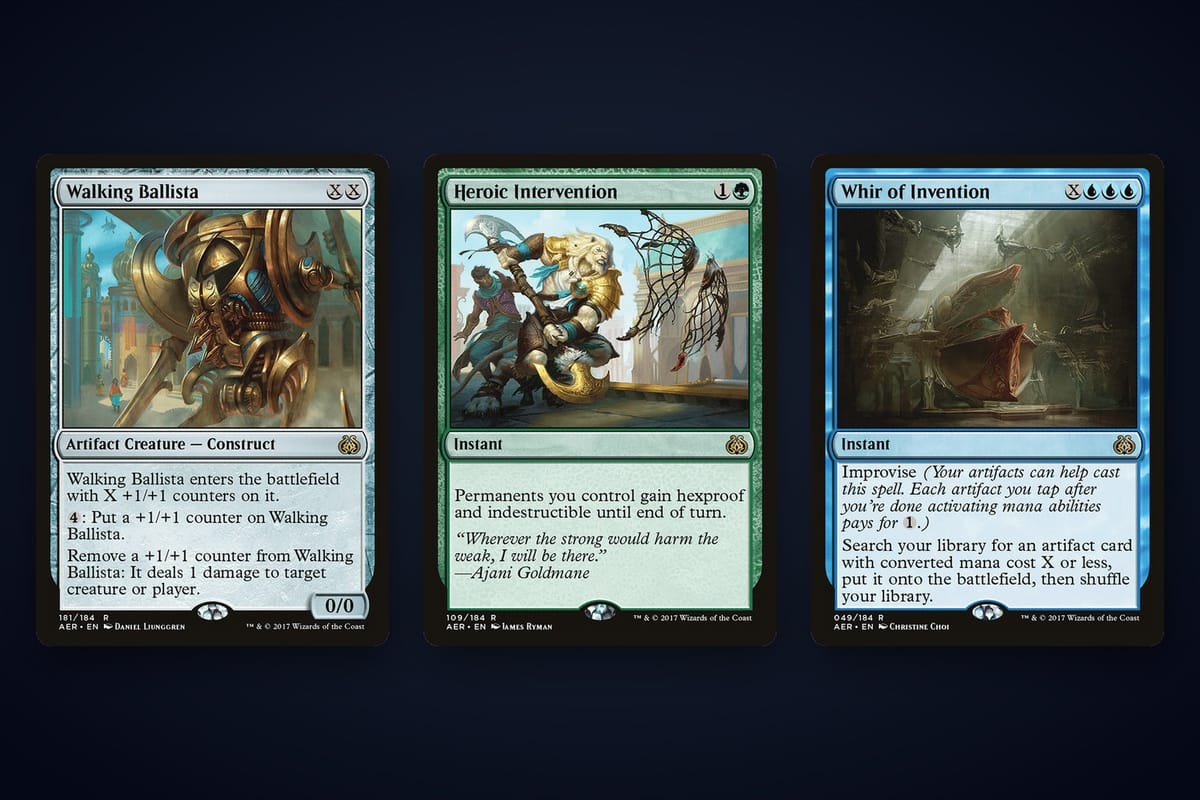
- Walking Ballista: A versatile card in multiple formats, raw prices hover around $18, while PSA 10 copies can approach $130. Foil versions of Walking Ballista often command higher prices, especially when graded PSA 10.
- Foil mythics generally command a premium due to scarcity and collector appeal. For Aether Revolt, foil mythics often trade for higher prices than their nonfoil equivalents. For example, a foil Chandra, Torch of Defiance PSA 10 can sell for significantly more in the secondary market.
Rares
- Fatal Push is a notable rare, with raw copies averaging around $15 and PSA 10 graded cards sometimes fetching over $100. Its popularity in Modern and Pioneer formats sustains demand.
- Other rares typically range from $1 to $10 raw. Foil versions of these rares often command higher prices, especially for cards with niche playability or collector interest.
- Examples include Heart of Kiran, which is popular in Commander and Modern, usually trading around $12 raw and higher when graded.
Uncommons and Commons
Most uncommons and commons carry minimal monetary value, often under $1. However, select chase cards that see occasional play in Commander or Modern may fetch a premium. Foil versions of these cards can increase value to a few dollars, but rarely more. For example, foil copies of Renegade Map, a useful utility card, might be worth a few dollars.
Promo, Prerelease, and Special Printings
Special printings such as prerelease stamped cards, promotional variants, and alternate art versions add collectible appeal. For instance, prerelease foil Fatal Push cards can be worth more than standard nonfoil printings. Other promos, such as alternate art versions of Chandra, Torch of Defiance, can similarly fetch premiums, especially in high-grade condition.
Collectors should carefully examine these variants, as they often have lower production numbers, increasing scarcity and value. These cards are good candidates for grading, provided they meet condition standards.
Section 3: High-Value Cards and Their Market Drivers
Identifying the most valuable Aether Revolt cards is important for maximizing collection value. Value drivers include tournament playability, Commander demand, and scarcity, which can fluctuate with meta changes and reprints.
Commander Staples
- Walking Ballista: Its versatile removal and combo potential make it a staple in Commander decks, driving raw prices around $18 and PSA 10 prices to about $130. Its foil versions are often more valuable.
- Heart of Kiran: As a powerful artifact vehicle, popular in Standard, Modern, and Commander, raw copies hover near $12, with graded copies often higher. Its presence in multiple formats supports sustained demand.
Tournament Playable Cards
- Fatal Push: A Modern and Pioneer staple, it is often among the highest priced rares from Aether Revolt. Its efficiency and versatility in removal keep demand and value relatively high.
- Chandra, Torch of Defiance: A strong mythic with consistent play in Modern, Pioneer, and occasionally Standard, contributing to its price stability. Raw copies often remain around $20, but PSA 10 copies can reach higher prices.
Speculative and Bulk Cards
The majority of bulk Aether Revolt cards hold nominal value, often below $0.10, but collectors can identify sleeper hits, foils, or mispriced cards worth grading. Some underappreciated uncommons that see casual play in Commander may rise in value if their popularity grows.
Moreover, foils from the set, even commons and uncommons, can have collectible value up to a few dollars in PSA 10 if well-centered and flawless. Monitoring emerging metagame trends and decklists can help spot potential breakout cards early.
Section 4: Grading Impact – PSA 10 and Beyond
The jump from raw to PSA 10 graded can significantly boost Aether Revolt MTG cards value. High-grade cards attract collectors and investors willing to pay premiums for condition assurance and authenticity.
PSA 10 Value Premiums
- Fatal Push PSA 10 copies often average around $100 or more, representing a premium over the raw price of about $15. This premium is typical for high-demand rares in excellent condition.
- Chandra, Torch of Defiance PSA 10 copies often average around $140, compared to about $20 raw, representing a significant premium. Cards with perfect centering and no surface flaws reach peak prices.
- This premium reflects the scarcity of perfect-condition cards and the confidence grading provides to buyers, especially in secondary markets and auction platforms.
Grading Considerations
Not all cards are worth grading. Grading fees typically range from $15 to $50 per card depending on turnaround speed and service level. Midpoint helps collectors identify which cards have probable PSA 10 value high enough to justify these costs.
Cards with poor centering, damaged edges, surface scratches, or whitening often do not grade highly, making grading an uneconomical choice. Midpoint’s AI grading examines these features, providing a risk assessment before submission.
Additionally, some cards may grade well at PSA 9 but fail to hit PSA 10, which can significantly impact resale value. Collectors should weigh these risks, especially for cards with modest raw prices.
Foil Grading
Foil cards often command higher grading fees due to increased susceptibility to surface defects and print imperfections. However, foil cards can also see larger value increases when graded, particularly PSA 10.
For example, a foil Fatal Push PSA 10 can exceed the raw foil price, sometimes nearly doubling it. This premium is driven by the rarity of flawless foils and collector demand.
Collectors should carefully inspect foil cards for surface scratches, print lines, and defects before grading due to these factors.
Section 5: The Value of Sealed Aether Revolt Products
Sealed products, including booster boxes and packs, are considered valuable investments due to their scarcity and potential for uncovering high-value cards in mint condition.
Booster Boxes
- An unopened Aether Revolt booster box can range in market price from several hundred dollars, depending on condition, edition, and seller reputation. Early sealed boxes from 2017 in pristine condition tend to command higher prices.
- Boxes are sought after by collectors wishing to complete sets or find chase cards in mint condition. Additionally, sealed boxes are attractive to speculators betting on future price appreciation as supply decreases.
- Boxes with intact factory seals and no damage maintain maximum value; any tears or dents can reduce price.
Individual Booster Packs
- Sealed booster packs generally sell for prices reflecting the potential to open valuable mythics, foils, and promo cards. These prices fluctuate based on rarity distributions and secondary market interest.
- Collectors and speculators often buy packs hoping to find graded PSA 10 cards worth multiples of the pack price, such as Fatal Push or Chandra.
- Specialty packs, such as prerelease or promotional packs, can command higher prices due to limited availability.
Sealed Promo and Special Products
Products like prerelease kits, Planeswalker decks, and special promos sealed in original packaging can fetch a premium, especially if unopened and in good condition. For example, sealed prerelease kits containing foil stamped cards can sell for higher prices depending on market demand.
Collectors should verify the authenticity and condition of these products, as packaging damage can impact value.
Section 6: How Reprints, Bans, and Meta Affect Card Value
Changes in tournament legality and reprints can influence the Aether Revolt cards worth grading and their price trajectory. Staying informed about these factors is important for timing purchases, sales, and grading submissions.
Banned and Restricted Status
Cards banned in popular formats typically see a decline in value due to reduced play demand. Key Aether Revolt cards like Fatal Push remain legal in Modern and Pioneer, supporting their value and market interest.
For example, Fatal Push was not banned in Modern and remains a staple removal spell, supporting its steady price floor. Conversely, if a card were banned, it might lose a significant portion of its value.
Reprints
Reprints in newer sets may temporarily lower prices for older printings due to increased supply. However, original Aether Revolt printings often retain premium value because many collectors and investors prefer first editions.
For instance, reprints of Walking Ballista in supplemental sets like Commander decks can cause short-term price dips, but original Aether Revolt versions often maintain a premium due to collector preference.
Meta Shifts
As competitive formats evolve, the demand for certain cards fluctuates. For example, if a deck featuring Chandra, Torch of Defiance surges in a major tournament, its price may spike temporarily. Conversely, if a card falls out of favor or is supplanted by newer cards, its value may decline.
Collectors and investors should monitor format updates, bannings, and popular decklists from events like the Magic Pro League to anticipate value changes.
Section 7: Using Midpoint for Smart Collecting and Grading Decisions
Midpoint is a useful tool for serious collectors aiming to maximize the value of their Aether Revolt MTG cards through grading estimates and portfolio tracking.
AI Digital Grading Before Submission
Midpoint's AI grading analyzes card centering, corners, edges, and surface quality with precision, providing an estimated PSA, BGS, CGC, or TAG grade. This predictive capability enables collectors to avoid costly grading submissions on cards unlikely to reach top grades.
For example, Midpoint can detect off-centering greater than 60/40, minor edge wear, or surface marks that may affect grading, helping users make informed decisions.
Price Lookup and Portfolio Tracking
With access to a large database of cards, including current market values for raw and graded Aether Revolt cards, Midpoint offers pricing insights. Users can catalog their collection digitally, track its value over time, and analyze market trends.
This portfolio tracking supports smart buying and selling decisions, helping users capitalize on market fluctuations or identify undervalued cards.
Centering Measurement to the Millimeter
Centering is one of the most critical grading factors. Midpoint's precise centering calculator, accessible via their Free Centering Calculator, helps collectors assess centering before submission, reducing grading risk and potential value loss.
Centering percentages close to 50/50 are ideal, with grading companies typically requiring a minimum of about 60/40 to qualify for PSA 10. Midpoint’s tool measures the distance from edges to the image border on all sides, providing exact percentages.
For more detailed insights on card grading and value impact, check out the How Centering Impacts Card Value post, which explores grading criteria and their influence on card prices in depth.
Conclusion
The Aether Revolt MTG cards value landscape offers opportunities for collectors and investors. High-demand mythics like Chandra, Torch of Defiance and rares like Fatal Push offer significant value growth, especially when graded PSA 10, where premiums can exceed several times raw prices.
Understanding price variations across rarity, print types, and grading conditions is key to maximizing returns. Foil variants and special promos add collectible appeal, while sealed products maintain investment potential due to scarcity and condition sensitivity.
Meta shifts, reprints, and tournament bans require attentive market monitoring to anticipate value changes. Tools like Midpoint empower collectors with AI-driven grading estimates and pricing data, making smart collecting and grading choices easier.
FAQ
Q: What is the most valuable card in Aether Revolt?
A: As of mid-2026, Chandra, Torch of Defiance and Fatal Push are among the most valuable Aether Revolt cards, especially in PSA 10 graded condition, with values often exceeding $100 each. Foil PSA 10 versions of these cards can fetch higher prices.
Q: Which Aether Revolt cards are worth money right now?
A: Key cards worth money include Fatal Push, Walking Ballista, Chandra, Torch of Defiance, and Heart of Kiran. Their value is driven by competitive play across Modern, Pioneer, and Commander formats.
Q: How much is a full Aether Revolt set worth?
A: A complete raw set of Aether Revolt cards typically ranges in the low hundreds of dollars ($200-$350), but grading and foil inclusion can increase this value, potentially doubling or tripling it depending on condition and grading quality.
Q: Are Aether Revolt foils worth more than regular copies?
A: Yes, foil cards generally command a premium, often higher than their nonfoil counterparts, especially for mythics and rares. Graded foil cards can see even greater premiums due to scarcity and condition sensitivity.
Q: What is the value of Aether Revolt booster boxes and packs?
A: Sealed booster boxes can sell for several hundred dollars, while individual booster packs range in price reflecting collector and investor interest. Condition and edition impact prices significantly.
Q: Which Aether Revolt promo cards are the most valuable?
A: Prerelease foil versions of cards like Fatal Push and promotional alternate arts often hold higher value than standard printings, making them strong candidates for grading and investment. Their limited print runs and collector appeal drive premiums.
Free to start
Try the Midpoint app
Grade any card from a photo, see its raw and PSA 10 value, and track what your collection is worth — free.
Get it on iPhoneGet it on Android