Basketball Card Prices Dropping September 2026: Market Insights & Strategies
Explore why basketball card prices are dropping September 2026 and how collectors can navigate the market dip with smart grading and buying tips.

Estimated reading time: 9 min
Key Takeaways
- Basketball card prices showing signs of decline in September 2026, influenced by market correction and increased supply.
- New releases and preorder box pricing can impact secondary market values.
- High-end boxes may retain value better than many singles amid market softness.
- Grading, especially PSA 10, generally commands premiums though growth appears moderated.
- Veterans, rookies, and modern stars exhibit varied price resilience in the current market.
The basketball card market in September 2026 is experiencing a period of price adjustments, with declines observed across various categories. This market correction appears to follow months of heightened interest, increased supply, and multiple new product releases. For collectors and investors, understanding the factors behind these price changes is important for navigating the market effectively.

Here’s a detailed look at some key factors influencing the basketball card market in September 2026 and strategies to consider when buying during this period, including the use of tools like Midpoint.
30-day price movers — live data from Midpoint's card database, as of 2026-09-17. Prices move; Midpoint refreshes these daily.
| Card | Raw | PSA 10 | 30-day | |
|---|---|---|---|---|
 |
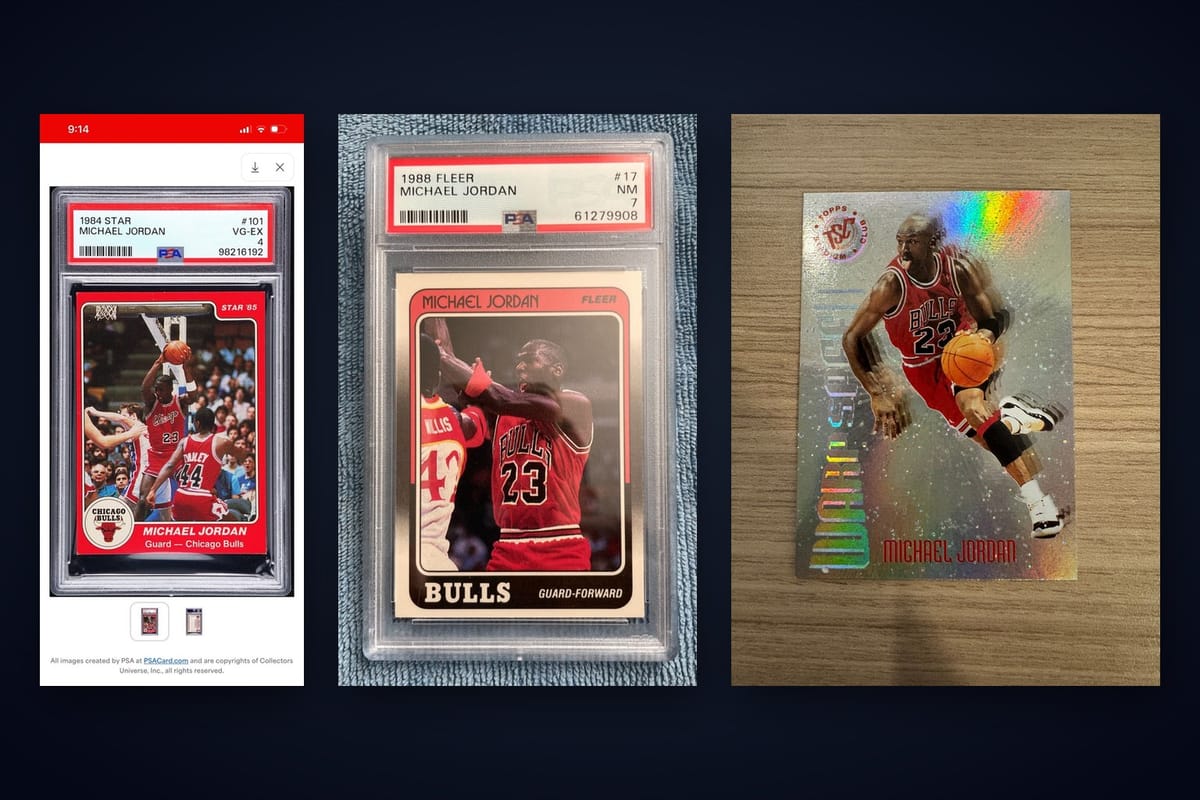
Michael Jordan #101 1984 Star |
$3,375 | — | -84.5% |
 |
Michael Jordan #7 1988 Fleer Sticker |
$61.40 | $21,500 | -59.3% |
 |
Michael Jordan #WS1 1995 Stadium Club Warp Speed |
$853.07 | $5,350 | -56% |
 |
Michael Jordan #2 1993 Ultra Power in the Key |
$415.25 | $13,850 | -42.9% |
 |
Michael Jordan #5 1993 Ultra Scoring Kings |
$2,327 | $16,451 | -30% |
 |
Kareem Abdul-Jabbar #1 1986 Fleer Sticker |
$34.69 | $20,202 | -24.7% |
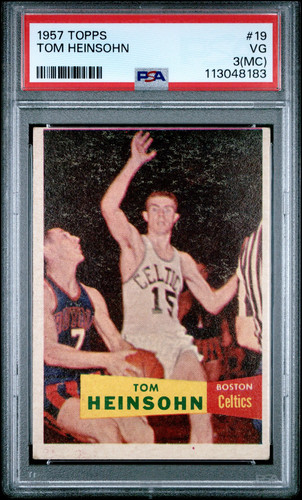 |
Tom Heinsohn #19 1957 Topps |
$100.49 | $21,444 | -24.5% |
 |
Michael Jordan #7 1997 Fleer Thrill Seekers |
$3,630 | $15,025 | -24.4% |
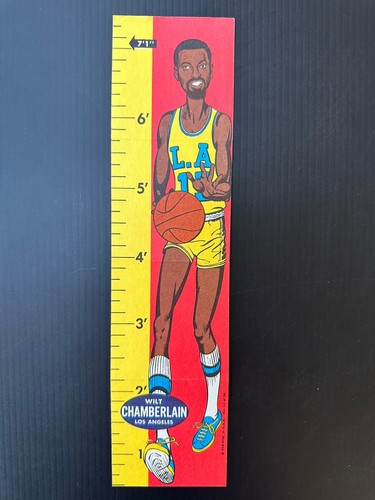 |
Wilt Chamberlain 1969 Topps Rulers |
$120.00 | $16,136 | -16.9% |
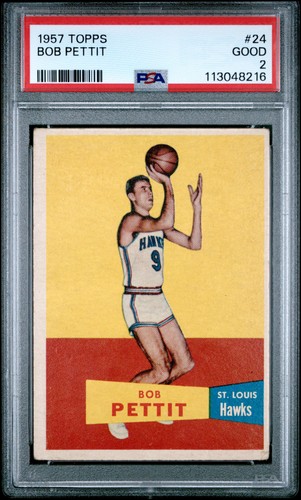 |
Bob Pettit #24 1957 Topps |
$98.18 | $21,335 | -12.6% |
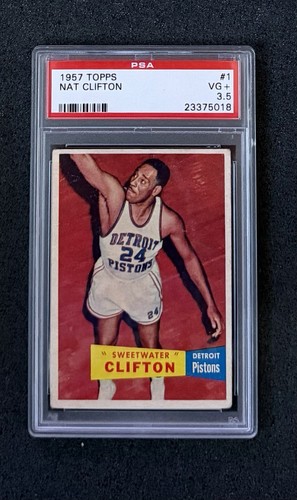 |
Nat Clifton #1 1957 Topps |
$138.75 | $29,104 | -11.1% |
 |
Michael Jordan #4 1997 Hoops Frequent Flyer Club |
$279.40 | $1,575 | -10% |
Look up any card's current raw and graded value in Midpoint — and get an estimated grade before you pay to submit.
1. Market Correction and Oversupply Driving Prices Down
After a surge earlier in 2026, basketball card prices have shown declines in September 2026, which may be attributed to a market correction. Increased supply from multiple product launches and reprints has contributed to a more saturated market, potentially softening demand.
Collectors have observed declines in raw card prices and PSA 10 graded values as supply appears to outpace buying interest. For example, the 2025-26 Panini Prizm Luka Doncic rookie cards have reportedly declined approximately 15-20% in raw and graded prices as of 2026-09-17, reflecting increased inventory and changing market sentiment.
- Oversupply from multiple print runs and chase sets can reduce scarcity.
- Some collectors may delay purchases, waiting for prices to stabilize.
- Secondary market saturation on platforms like eBay may increase listing pressure and affect sell-through rates.
2. Impact of New September 2026 Releases on Card Prices
New releases in September 2026 have mixed effects. While fresh product launches generate excitement, they also add more cards competing for collector dollars, which can pressure prices of older inventory.
Preorder prices for popular boxes like the 2026-27 Panini Select Basketball have remained near MSRP, but secondary market box prices have softened by around 10-12%. This gap may reflect cautious buyer sentiment amid market uncertainty.
- New releases increase available inventory and collector options.
- Some hype remains for rookie-heavy sets but may fade after launch.
- Collectors often wait for market stabilization before committing fully to new products.
3. High-End Basketball Boxes and Sets Retain More Value
While many singles have softened, high-end basketball boxes and sets appear to retain value relatively better. Limited edition releases, autographed memorabilia cards, and premium brand boxes from Panini and Topps tend to experience less dramatic price declines.
For example, 2025-26 Panini National Treasures Basketball boxes have remained above $1,200 on the secondary market as of 2026-09-17, compared to a roughly 20% drop on typical base card singles.
- Scarcity and exclusivity support high-end box pricing.
- Autograph and memorabilia cards often provide a price floor due to collector interest.
- High-end products may be less affected by short-term market fluctuations.
4. Grading, PSA 10 Premiums, and Condition Influence Prices
Grading continues to be an important factor during the market adjustment, with PSA 10 grades generally commanding a premium, though growth appears to have slowed. Cards with strong centering, sharp edges, and clean surfaces tend to maintain more stable prices.
Using AI grading tools like Midpoint, collectors can digitally pre-grade cards to estimate PSA, BGS, CGC, or TAG grades before investing in submissions. This can help identify cards with strong centering and surface quality that may be undervalued.
- PSA 10 Luka Doncic rookie cards reportedly dropped about 12%, less severe than raw counterparts.
- Condition-sensitive cards may show smaller declines than lower-grade examples.
- Digital pre-grading can help avoid overpaying for submissions unlikely to achieve top grades (learn how to pre-grade your card).
5. Veterans, Rookies, and Modern Stars Show Varied Value Retention
Different player segments appear to be reacting differently to the market changes. Veterans like LeBron James and Stephen Curry generally hold moderate value due to legacy, though some key cards have seen declines of 8-10%.
Rookie cards from the 2025-26 class tend to be more volatile, with some like Victor Wembanyama experiencing declines around 15-20%, while modern stars such as Ja Morant have shown steadier prices supported by ongoing interest.
- Legacy veterans’ cards may offer stability but limited short-term gains.
- Rookies can be more volatile but may present buying opportunities during dips.
- Modern stars with strong narratives may retain value better.
6. Auction Results and eBay Prices Reveal Real Market Direction
Comparing auction house record sales with everyday eBay sold prices suggests some divergence. While auction results occasionally report record sales, broader market data indicates falling prices and increasing listing volumes.
This divergence suggests that hype-driven record sales may not fully represent mass market trends, which appear to be softening. Collectors are advised to monitor sell-through rates and average sale prices on eBay to better understand demand.
- Auction record sales often involve rare, high-grade cards not typical of the broader market.
- eBay sell-through rates have reportedly declined 5-7% in September 2026.
- Listing pressure may indicate cautious buyer behavior and inventory buildup.
7. Sell-Through, Inventory, and Listing Pressure Signal Cooling Demand
On platforms like eBay, increased inventory and listing pressure for basketball cards correspond with slower sell-through rates. This trend may reflect less aggressive buying and more cards available for sale.
The increased supply can create downward price pressure, especially on popular raw and mid-grade cards. For example, 2024-25 Panini Prizm Jordan Poole cards have shown a 22% increase in listings with a 10% decline in sell-through as of 2026-09-17.
- Rising inventory without matching demand can push prices lower.
- Buyers may have more negotiating power during market dips.
- Collectors can find deals by monitoring listing activity.
8. Players and Cards Defying the Downtrend
Some basketball cards appear to resist the general trend of falling prices. Limited low-population cards, rookie autographs with strong narratives, and well-centered PSA 10 cards may maintain or even increase in value.
For instance, the 2025-26 Panini Prizm Paolo Banchero Rookie Autograph PSA 10 has reportedly risen about 5% despite the overall market decline, highlighting the importance of scarcity and condition.
- Low-population cards may be more insulated from oversupply.
- Strong rookie narratives can drive collector interest.
- Top condition PSA 10 cards benefit from grading premiums and demand.
9. Real-Time Price Guide Updates and Market Databases
Price guides and market databases are updating values frequently to reflect the fast-changing basketball card market in September 2026. Collectors can use these tools to track price movements and identify potential buying opportunities.
Apps like Midpoint provide comprehensive raw vs graded value comparisons across 250,000+ cards, plus portfolio tracking to monitor collection value fluctuations over time.
- Real-time data helps avoid overpaying in volatile markets.
- Portfolio trackers reveal long-term trends and dips.
- Accurate centering measurement tools improve grading confidence (learn how AI improves card centering analysis).
Conclusion
Basketball card price declines in September 2026 appear to reflect a market correction influenced by oversupply, new releases, and changing hype levels. While many raw and graded cards face price softness, collectors may find opportunities to acquire undervalued cards, particularly those with strong centering and condition.
Advanced tools like Midpoint can assist collectors in digitally pre-grading and tracking their collections, potentially avoiding costly grading errors during downturns. Focusing on high-end boxes, scarce rookie autographs, and PSA 10 cards with excellent centering may help maximize value retention.
FAQ
Q: Why are basketball card prices showing declines in September 2026?
A: The declines are likely due to a market correction influenced by increased supply, multiple product releases, and cooling hype following earlier price run-ups.
Q: Are basketball cards a bad investment right now?
A: While prices are declining, the market dip may offer buying opportunities for well-selected cards and boxes, especially those with strong grading and scarcity. Patience and research remain important.
Q: Which basketball cards tend to hold value better in 2026?
A: High-end boxes, limited low-population cards, and PSA 10 graded rookie autographs from in-demand players generally tend to retain value better amid market softness.
Q: Do PSA 10 basketball cards still command a premium during a market drop?
A: Yes, PSA 10 cards typically maintain a premium over raw cards, though growth may be slower. Condition and centering remain important for value.
Q: Are new 2026 basketball card releases causing prices to fall?
A: New releases increase supply and collector options, which can contribute to price pressure on older cards and overall market softness.
Q: Is it better to buy singles or sealed boxes when basketball card prices are declining?
A: High-end sealed boxes often hold value better, but buying well-graded singles with good centering can also be a smart strategy during dips. Using grading tools like Midpoint can help assess condition before purchase.
Free to start
Try the Midpoint app
Grade any card from a photo, see its raw and PSA 10 value, and track what your collection is worth — free.
Get it on iPhoneGet it on Android