Best 1969 Basketball Cards: Top Rookie & Veteran Values
Discover the best 1969 basketball cards worth money, rookie gems, PSA 10 values, and grading tips to build your vintage collection with Midpoint.

Estimated reading time: 12 min
Key Takeaways
- The 1969 Topps Basketball set is notable with 99 tall-boy cards featuring stars like Lew Alcindor and Walt Frazier.
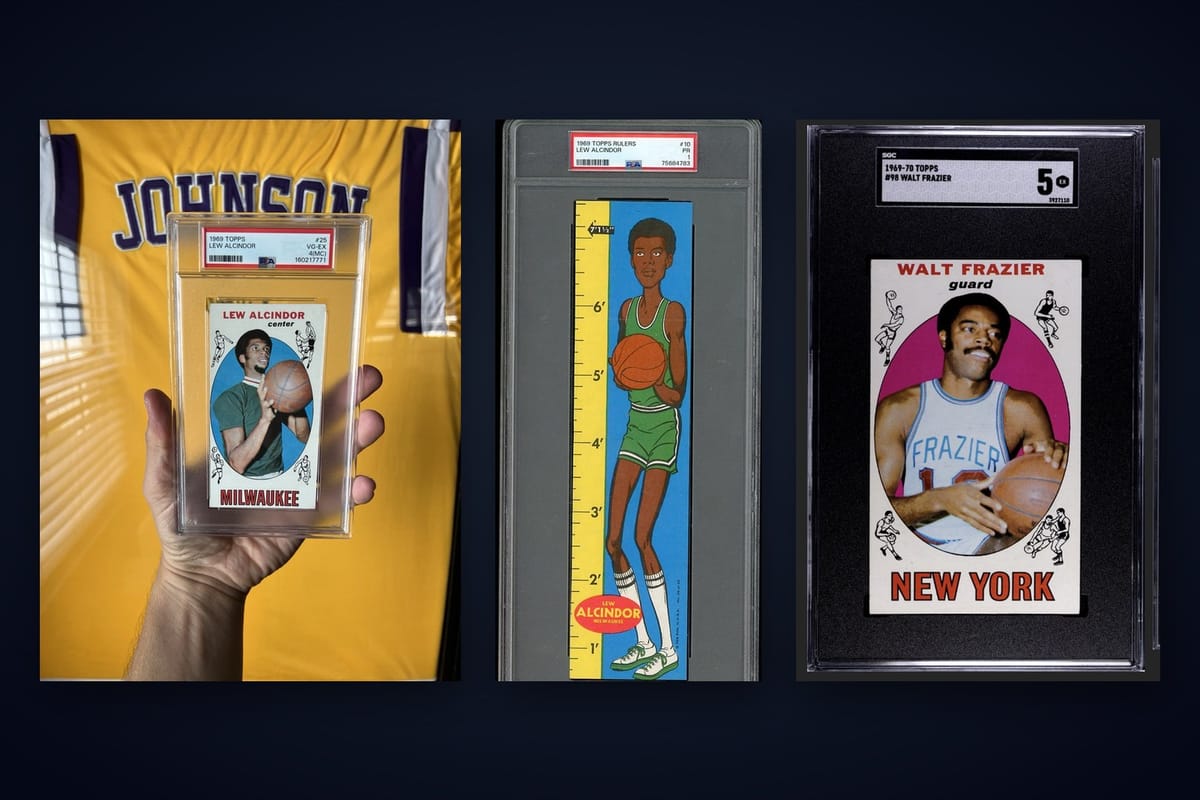
- Lew Alcindor (Kareem Abdul-Jabbar) #25 is widely regarded as the most valuable rookie card, especially in PSA 10 condition.
- Other key rookies include Walt Frazier #98, John Havlicek, Earl Monroe, and Wes Unseld.
- Veteran cards of Wilt Chamberlain #1, Oscar Robertson #50, and Jerry West #90 are also valued by collectors.
- Condition and centering significantly impact value; using Midpoint’s AI grading tool can help pre-assess before professional grading.
The 1969 Topps Basketball set remains a centerpiece for collectors due to its tall-boy design, one-series format, and the emergence of future Hall of Famers. Whether you’re hunting the best 1969 basketball cards for investment or personal passion, understanding which cards tend to hold higher value and what grading factors matter can save you time and money. This guide breaks down notable rookie and veteran cards, their market considerations, condition pitfalls, and grading strategies—all informed by Midpoint’s comprehensive database.
Card values — live data from Midpoint's card database, as of 2026-11-01. Prices move; Midpoint refreshes these daily.
| Card | Raw | PSA 10 | Gem premium | |
|---|---|---|---|---|
 |
Lew Alcindor #25 1969 Topps |
$399.96 | $248,279 | 620.8× |
 |
Lew Alcindor 1969 Topps Rulers |
$353.06 | $47,748 | 135.2× |
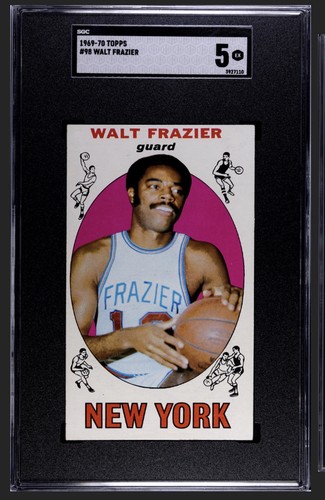 |
Walt Frazier #98 1969 Topps |
$86.76 | $21,519 | 248× |
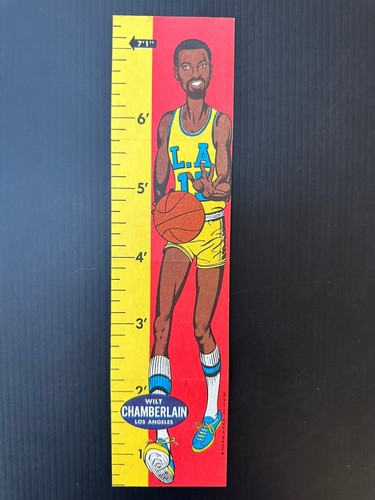 |
Wilt Chamberlain 1969 Topps Rulers |
$120.00 | $16,136 | 134.5× |
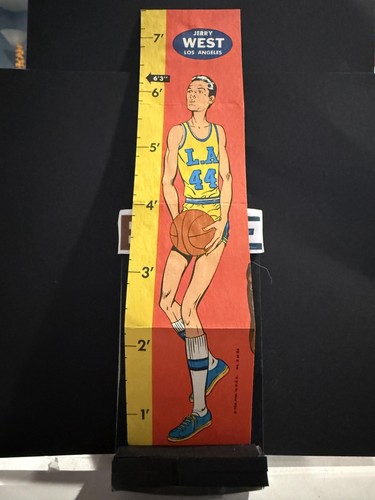 |
Jerry West #2 1969 Topps Rulers |
$115.00 | $14,732 | 128.1× |
 |
Dave DeBusschere #85 1969 Topps |
$10.00 | $12,000 | 1200× |
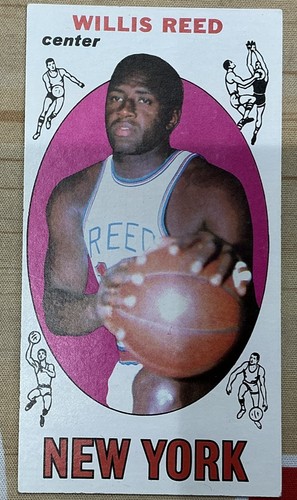 |
Willis Reed #60 1969 Topps |
$11.50 | $11,828 | 1028.5× |
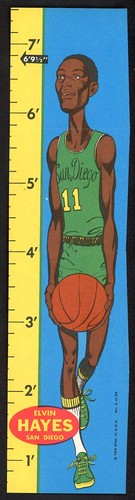 |
Elvin Hayes #4 1969 Topps Rulers |
$44.03 | $10,762 | 244.4× |
 |
Bill Bradley #43 1969 Topps |
$23.15 | $9,229 | 398.7× |
 |
Earl Monroe #80 1969 Topps |
$29.25 | $8,640 | 295.4× |
 |
Walt Frazier #17 1969 Topps Rulers |
$60.99 | $8,283 | 135.8× |
|
Wes Unseld #56 1969 Topps |
$14.74 | $8,247 | 559.5× |
Look up any card's current raw and graded value in Midpoint — and get an estimated grade before you pay to submit.
1. 1969 Topps Basketball Set Overview
The entire 1969 Topps Basketball set features 99 cards, all in a unique tall-boy size measuring about 1.5 inches wider and taller than typical cards at the time. This single series encompasses every major NBA team’s roster, making it a comprehensive snapshot of the era.
The set’s design simplicity masks the challenge collectors face: oversized cards often suffer from edge wear and centering issues, which can significantly affect grading outcomes. The distribution of players includes rookies, veterans, and stars, with some cards more sought after than others.
- 99-card checklist covering all NBA teams
- Single-series format with no insert subsets
- Oversized “tall boy” dimensions prone to condition challenges
- Team distribution includes Celtics, Lakers, Knicks, and more
2. Top 1969 Basketball Rookie Cards Worth Money
Rookie cards from 1969 are prized for spotlighting players who defined the NBA’s future. The most valuable and collectible rookies from this year generally include:
- Lew Alcindor (Kareem Abdul-Jabbar) #25: The #25 card is widely considered the crown jewel and commands some of the highest prices. As of late 2026, raw copies can fetch thousands, with PSA 10 versions often exceeding $15,000 due to rarity and demand.
- Walt Frazier #98: A key rookie, Frazier’s card is a top pick for collectors of Knicks history and defensive legends.
- John Havlicek #85: Although a veteran by 1969, his card remains highly valued and is a must-have for Celtics fans.
- Earl Monroe #73: Known as the “Pearl,” Monroe’s card is important for both investment and nostalgia.
- Wes Unseld #88: A durable Hall of Famer whose rookie card is in demand.
These rookies are among the most sought-after in the 1969 basketball rookie cards category and are often graded PSA 10 by collectors aiming to maximize value.
3. Most Valuable 1969 Basketball Cards and Market Prices
Beyond rookies, several veteran cards command high prices due to player legacy and card condition rarity. Here are top contenders ranked by Midpoint’s data as of late 2026:
- Wilt Chamberlain #1: The set’s first card is a cornerstone with strong raw and PSA 10 values.
- Oscar Robertson #50: The “Big O” card is highly prized for its historical significance.
- Jerry West #90: Known as “Mr. Clutch,” West’s card holds premium pricing.
- Elgin Baylor, Dave Bing, Nate Thurmond, Len Wilkens: These veterans also rank among the notable 1969 basketball cards by value.
Market prices vary widely based on condition, with PSA 10 copies often selling for multiple times raw values. The premium for gem mint condition underlines the importance of careful grading.
4. Understanding 1969 Basketball Cards PSA 10 Grading
PSA 10 is the highest grade from Professional Sports Authenticator and significantly boosts a card’s value. However, for 1969 Topps basketball cards, achieving PSA 10 can be challenging due to:
- Poor centering common in tall-boy cards
- Rounded corners and edge chipping from oversized handling
- Surface imperfections like stains and gum residue
Using Midpoint’s AI grading and centering tools allows collectors to estimate their card’s PSA, BGS, CGC, or TAG grade before paying for professional grading. This pre-grade step helps avoid costly mistakes and identify cards with true gem potential.

5. Condition Problems and Their Impact on Card Value
1969 basketball cards often suffer condition issues that reduce their grading and market value. Key problems include:
- Poor centering: Many cards have uneven borders, sometimes off by several millimeters.
- Corner wear: Rounded or frayed corners are common due to age and oversized format.
- Surface damage: Stains, creases, and gum or wax residue can lower grades substantially.
- Print quality: Some cards show print defects affecting eye appeal.
Collectors should inspect cards carefully and consider using Midpoint's free centering calculator and AI surface grading before submitting cards to PSA or BGS.
6. How to Identify Authentic 1969 Topps Tall Boys
Authenticity is critical for vintage cards. Genuine 1969 Topps tall boys have specific dimensions: approximately 1.5 inches taller and wider than standard cards of that era. Verify card size with a ruler or Midpoint’s digital measurement tools.
Beware of reprints or altered cards that mimic the tall-boy format but differ slightly in size or printing. Authentic cards also show typical aging signs consistent with their era but should not look artificially aged or altered.
7. Buying and Collecting Strategies for 1969 Basketball Cards
When building a collection of the best 1969 basketball cards, consider these tactics:
- Raw vs graded: Raw cards are generally less expensive but carry more risk; graded cards provide assurance of condition and authenticity.
- Set-building approach: Decide if you want to collect the full 99-card set or focus on key rookies and veterans.
- Auction research: Monitor recent sales on platforms like eBay or auction houses to track price trends.
- Storage: Proper storage is essential to preserve condition; see Midpoint’s ultimate guide on storing valuable cards.
- Pre-grading: Use Midpoint to estimate grades digitally and prioritize cards worth grading professionally.
Conclusion
The best 1969 basketball cards represent a blend of basketball history and collectible rarity. From Lew Alcindor’s iconic rookie card to veterans like Wilt Chamberlain and Jerry West, this set offers something for many vintage collectors and investors. Condition and grading remain decisive factors in value, making tools like Midpoint useful for accurate pre-grading and centering analysis. Whether you’re building your first set or expanding a legacy collection, knowing which cards tend to hold higher value and how to preserve them can help ensure your investment pays off.
FAQ
Q: What are the most valuable 1969 Topps basketball cards?
A: Lew Alcindor (Kareem Abdul-Jabbar) #25 is widely considered the most valuable, followed by rookie cards of Walt Frazier #98, John Havlicek, and veterans like Wilt Chamberlain #1 and Jerry West #90.
Q: How much is a 1969 Lew Alcindor rookie card worth?
A: As of late 2026, raw copies can sell for several thousand dollars, while PSA 10 graded versions often exceed $15,000 due to high demand and rarity.
Q: Is Walt Frazier’s 1969 Topps card a rookie card?
A: Yes, Walt Frazier’s #98 card is considered a key rookie card from the 1969 set and is highly collectible.
Q: How many cards are in the 1969 Topps basketball set?
A: The set consists of 99 cards featuring a single series of tall-boy sized cards covering all NBA teams.
Q: Why are 1969 Topps basketball cards called tall boys?
A: They are called tall boys because they are larger than standard cards, about 1.5 inches taller and wider, giving a tall-boy appearance.
Q: What is the rarest 1969 Topps basketball card?
A: While the set is generally evenly distributed, high-grade PSA 10 cards of Lew Alcindor #25 and other rookies are among the rarest and most valuable.
Free to start
Try the Midpoint app
Grade any card from a photo, see its raw and PSA 10 value, and track what your collection is worth — free.
Get it on iPhoneGet it on Android