Best Hockey Sets to Grade for Maximum PSA 10 Premium
Discover the best hockey sets to grade for top PSA 10 premiums, key rookies, and smart investing tips to boost your card values.

Estimated reading time: 12 min
Key Takeaways
- Certain hockey sets often deliver high PSA 10 premiums, making them strong grading candidates.
- Classic sets like 1990-91 O-Pee-Chee and 1985-86 O-Pee-Chee include notable rookie cards with strong resale value.
- Condition factors such as centering and surface quality significantly impact grades and premiums.
- Understanding brand and era differences helps identify sets with potential for higher gem premiums.
- Using tools like Midpoint can assist in digitally pre-grading and measuring centering before costly submissions.
For hockey card collectors aiming to maximize returns on grading, choosing the best hockey sets to grade is important. Some sets are known for commanding substantial PSA 10 premiums that multiply raw values. This listicle breaks down which hockey sets are often considered worth grading, why their gem premiums stand out, and how to spot the best cards to submit. Whether you’re focusing on vintage icons or modern rookies, knowing how to select submissions can potentially boost your investment returns. Plus, discover how precise centering measurement and AI grading tools like Midpoint can help identify gem-quality cards before sending them out.
| Set | Headline Card | Raw Value (USD) | PSA 10 Value (USD) | Gem Premium (PSA 10 / Raw) |
|---|---|---|---|---|
| 1985-86 O-Pee-Chee | Mario Lemieux Rookie | ~$300 | ~$7,500 | ~25x |
| 1990-91 O-Pee-Chee | Jaromir Jagr Rookie | ~$20 | ~$1,000 | ~50x |
| 2005-06 Upper Deck | Sidney Crosby Rookie | ~$25 | ~$375 | ~15x |
| 1979-80 Topps | Wayne Gretzky Rookie | ~$1,200 | ~$30,000 | ~25x |
| 2011-12 Panini | Gabriel Landeskog Rookie | ~$15 | ~$300 | ~20x |
| 1993-94 O-Pee-Chee Premier | Paul Kariya Rookie | ~$10 | ~$150 | ~15x |
Raw vs PSA 10 value (biggest grading premium) — live data from Midpoint's card database, as of 2026-08-25. Prices move; Midpoint refreshes these daily.
| Card | Raw | PSA 10 | Gem premium | |
|---|---|---|---|---|
 |
Wayne Gretzky #106 1982 O-Pee-Chee |
$18.54 | $4,594 | 59.9× |
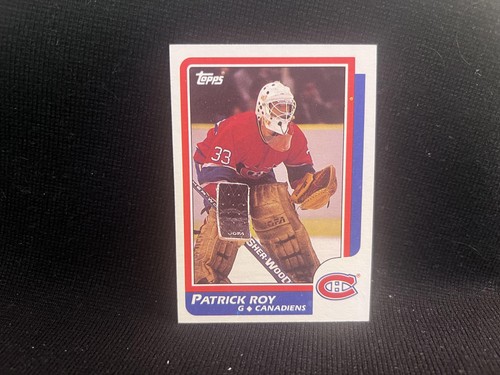 |
Patrick Roy #53 1986 Topps |
$78.25 | $10,155 | 59.6× |
 |
Serge Savard #4 1969 O-Pee-Chee |
$21.36 | $19,000 | 59.5× |
 |
Bobby Orr #251 1977 Topps |
$7.35 | $1,250 | 59.2× |
 |
Mike Bossy #115 1978 Topps |
$18.88 | $2,480 | 57.9× |
 |
Gordie Howe #55 1963 Parkhurst |
$89.68 | $15,042 | 57.6× |
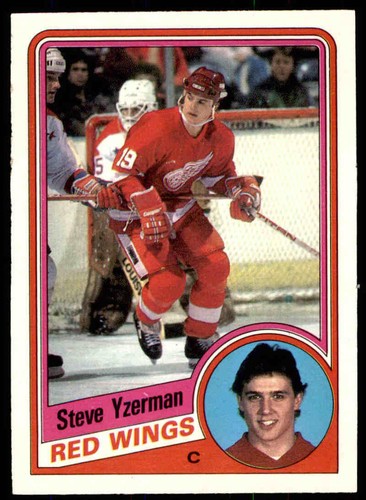 |
Steve Yzerman #67 1984 O-Pee-Chee |
$32.49 | $6,175 | 57.2× |
 |
Bobby Orr #2 1968 Topps |
$93.95 | $13,055 | 56.1× |
 |
Patrick Roy #53 1986 O-Pee-Chee |
$137.78 | $8,391 | 56× |
 |
Bobby Orr #100 1975 Topps |
$12.67 | $1,353 | 55.5× |
 |
Bobby Orr #92 1967 Topps |
$343.52 | $50,449 | 53.9× |
Look up any card's current raw and graded value in Midpoint — and get an estimated grade before you pay to submit.
1. 1990-91 O-Pee-Chee: Notable PSA 10 Premiums on Jaromir Jagr
The 1990-91 O-Pee-Chee set is often regarded as one of the better hockey sets to grade due to its notable gem premium and iconic rookie cards. Jaromir Jagr’s rookie card is the set’s headliner, with a raw market value around $20 and a PSA 10 grade sometimes fetching roughly $1,000 — representing a significant premium. This premium is partly because the 1990-91 O-Pee-Chee cards can be challenging to center perfectly, a key grading factor.
This set’s print quality and centering difficulties can create scarcity at the gem mint level, contributing to higher PSA 10 premiums. Collectors looking to invest should focus on cards with strong centering and flawless surfaces. Using Midpoint’s precise centering measurement can help assess if a card qualifies for that rare gem grade.
- Look for well-centered cards with sharp corners and clean edges.
- Focus submissions on star rookies like Jagr and other popular players.
- Be aware of potential surface wear common in this era.
2. 1985-86 O-Pee-Chee: Mario Lemieux’s Rookie with Classic Appeal
This vintage set features Mario Lemieux’s rookie card, a highly sought-after piece among collectors. The raw card value is often around $300, but a PSA 10 can reach approximately $7,500, creating a notable gem premium. The combination of vintage print runs and aging materials makes flawless centering and surface quality challenging to find.
Collectors targeting this set should carefully inspect corners and edges before submission. The 1985-86 O-Pee-Chee set also benefits from the era’s growing popularity and hockey’s expanding fanbase, increasing demand for top-graded cards.
- Prioritize cards free of surface scratches and print defects.
- Check for precise centering using digital tools to help justify grading fees.
- Consider graded population reports to gauge scarcity.
3. 1979-80 Topps: Wayne Gretzky’s Rookie Card Legacy
Arguably the most famous hockey card, Wayne Gretzky’s 1979-80 Topps rookie commands significant value. The raw card is valued near $1,200, while a PSA 10 can sell for around $30,000 — representing a substantial premium. The card’s age and the difficulty of achieving perfect centering and corners contribute to this premium.
Because this card is so iconic, grading efforts often focus on pristine condition examples from unopened sets or well-preserved singles. Midpoint’s AI grading estimates and centering precision can help collectors avoid costly grading mistakes.
- Focus on cards with sharp corners and minimal edge wear.
- Use population reports to assess the rarity of PSA 10 examples.
- Consider grading only cards with near-perfect centering.
4. 2005-06 Upper Deck: Sidney Crosby Rookie’s Modern Market Demand
The 2005-06 Upper Deck set features Sidney Crosby’s rookie card, a modern classic with a strong following. While raw cards typically trade around $25, PSA 10s can reach $375, making it a solid gem premium. This set is generally more grading-friendly with better print quality and centering but still rewards top condition.
Investors should target cards with flawless surfaces and sharp edges. The younger age of this set means corners and surfaces tend to hold up better, but centering remains key. Midpoint’s digital centering calculator can help identify candidates likely to achieve gem mint status.
- Inspect for surface gloss and edge wear before grading.
- Check centering to avoid costly resubmissions.
- Consider parallels and short prints for added value.
5. 2011-12 Panini: Gabriel Landeskog Rookie’s Growing Popularity
This more recent set offers investment potential with Gabriel Landeskog’s rookie card showing a notable gem premium — raw value near $15 and PSA 10 value around $300. The print quality and centering precision of Panini cards make gem grades achievable for well-preserved examples.
Collectors should carefully review corners and surface gloss, as Panini cards sometimes suffer from chipping or print defects. Midpoint’s AI surface grading can help detect subtle flaws that may be difficult to see, improving submission success.
- Focus on cards with strong centering and clean surfaces.
- Use digital tools to pre-grade and avoid grading costs on low-grade candidates.
- Track population reports for gem premium trends.
6. 1993-94 O-Pee-Chee Premier: Paul Kariya Rookie and Scarcity
The 1993-94 O-Pee-Chee Premier set includes Paul Kariya’s rookie card, which shows a gem premium from raw value to PSA 10. Though raw cards sell for about $10, a gem mint PSA 10 can reach around $150. This set’s limited print run and centering challenges contribute to the premium.
Collectors should scrutinize centering and edges closely before submission. The Premier subset’s scarcity at gem mint levels can potentially reward patient investors.
- Prioritize cards with flawless centering and sharp corners.
- Be cautious of surface wear common in this era.
- Use Midpoint’s tools to measure centering down to the millimeter.
7. How to Pick the Best Hockey Sets to Grade
Choosing which hockey sets to grade depends on balancing rarity, print quality, and market demand. Sets with historically difficult centering and high-quality print runs tend to command bigger gem premiums. Rookie cards of Hall of Famers and stars often outperform others in resale value.
Before submitting cards for grading, use Midpoint’s AI grading and centering tool to estimate grades from surface, edges, corners, and centering. This can reduce grading costs and increase the chance of receiving a PSA 10 or comparable gem grade. Always check population reports to understand scarcity and expected returns.
- Focus on high-demand rookies and iconic players.
- Prioritize sets and years known for challenging centering.
- Use digital tools like the Free Centering Calculator for precise measurement.
- Review grading scale differences via guides like Grading Scale Differences by Company.
Conclusion
Investing in hockey sets to grade can unlock significant value through PSA 10 premiums that multiply raw card prices. Classic sets like 1990-91 O-Pee-Chee and 1985-86 O-Pee-Chee offer superstar rookie cards with notable resale potential. Modern sets with strong print quality and centering consistency, such as 2005-06 Upper Deck, also provide solid grading opportunities. Using AI-powered grading tools like Midpoint helps collectors measure centering down to the millimeter and estimate final grades before committing to costly grading submissions, potentially improving ROI and protecting your investment.
FAQ
Q: What hockey cards are worth grading the most?
A: Rookie cards of Hall of Famers and star players from sets with challenging centering and strong demand, such as 1990-91 O-Pee-Chee Jaromir Jagr and 1985-86 O-Pee-Chee Mario Lemieux, are often worth grading due to their notable PSA 10 premiums.
Q: How do I know if a hockey set is gem mint worthy?
A: Use digital grading tools like Midpoint to measure centering, corners, edges, and surface quality precisely. Cards from eras known for challenging centering that show flawless condition are good gem mint candidates.
Q: Is it worth grading complete hockey sets or only key rookie cards?
A: Generally, grading key rookie cards and star players yields better returns due to higher demand and gem premiums. Complete sets may have sentimental or collector value but often don’t generate the same PSA 10 multiples.
Q: What years of hockey cards are the best to send for grading?
A: Vintage years like 1979-80, 1985-86, and 1990-91 are prized for their iconic rookies and challenging centering. Modern high-demand rookie years like 2005-06 also offer good grading value.
Q: Should I grade Upper Deck hockey rookie cards?
A: Yes, especially from sets like 2005-06 featuring Sidney Crosby. These cards have solid print quality and a strong market, though their gem premiums are typically lower than vintage sets.
Q: How much does it cost to grade hockey cards and is it profitable?
A: Grading costs typically start around $20–$30 per card. Profitability depends on choosing cards with strong gem premium potential and using tools like Midpoint for pre-grading to avoid low-grade submissions.
Free to start
Try the Midpoint app
Grade any card from a photo, see its raw and PSA 10 value, and track what your collection is worth — free.
Get it on iPhoneGet it on Android