Call of Legends PSA 9 vs PSA 10 Value: What’s the Real Price Gap?
Explore the exact Call of Legends PSA 9 vs PSA 10 value differences, grading premiums, and when a PSA 9 is worth buying over a PSA 10.

Estimated reading time: 8 min
Key Takeaways
- The Call of Legends PSA 10 premium varies widely by card, with some like Lugia commanding significantly higher prices than PSA 9.
- Centering plays an important role in the PSA 9 vs PSA 10 price difference, often being a key factor for achieving a PSA 10 grade.
- Population reports indicate PSA 10 cards are generally rarer than PSA 9, which can increase scarcity-driven value.
- Raw cards typically sell for a fraction of PSA graded counterparts, but PSA 9 cards offer a solid middle ground for collectors.
- For many Call of Legends cards, investing in a PSA 10 is worthwhile if the premium justifies grading costs; otherwise, PSA 9 remains a practical option.
When comparing Call of Legends PSA 9 vs PSA 10 value, many collectors wonder how much more a PSA 10 card commands and which cards show the biggest price jumps. This comparison examines the psa 9 vs psa 10 price difference call of legends for key cards like Lugia, Umbreon, and Raikou, supported by population data and recent sales. We also explore when a PSA 9 is a sound investment and the grading factors that impact these values, including centering and surface quality. Use this guide alongside tools like Midpoint to estimate your card’s grade before submitting for grading fees.
Card values — live data from Midpoint's card database, as of 2026-09-14. Prices move; Midpoint refreshes these daily.
| Card | Raw | PSA 10 | Gem premium | |
|---|---|---|---|---|
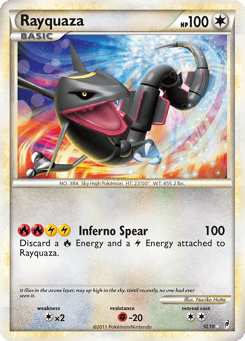 |
Rayquaza #SL10 Call of Legends (2011) |
— | $180,200 | — |
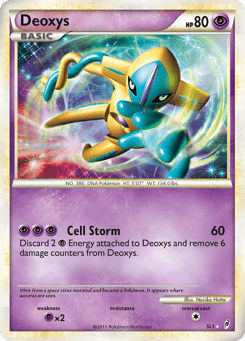 |
Deoxys #SL1 Call of Legends (2011) |
$500.00 | $47,716 | 95.4× |
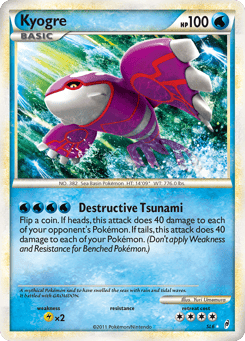 |
Kyogre #SL6 Call of Legends (2011) |
$269.99 | $36,000 | 133.3× |
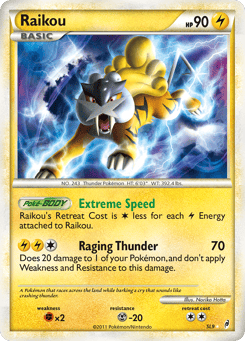 |
Raikou #SL9 Call of Legends (2011) |
$170.00 | $30,589 | 179.9× |
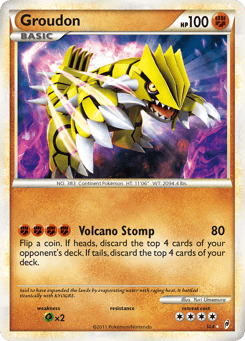 |
Groudon #SL4 Call of Legends (2011) |
$514.16 | $28,850 | 56.1× |
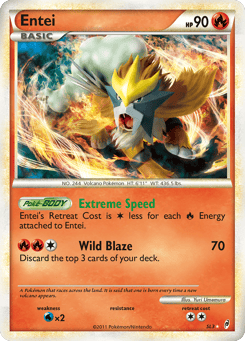 |
Entei #SL3 Call of Legends (2011) |
$290.00 | $25,949 | 89.5× |
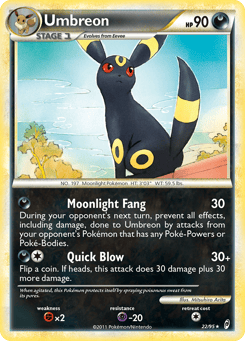 |
Umbreon #22/95 Call of Legends (2011) |
$187.26 | $25,065 | 133.9× |
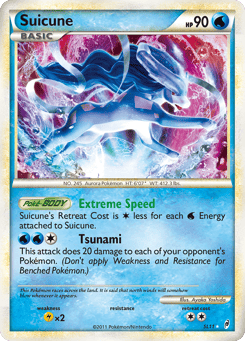 |
Suicune #SL11 Call of Legends (2011) |
$325.00 | $21,785 | 67× |
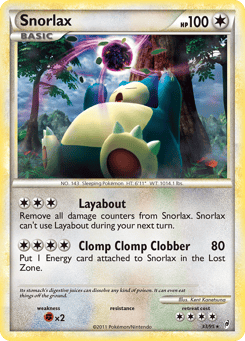 |
Snorlax #33/95 Call of Legends (2011) |
$850.00 | $20,194 | 23.8× |
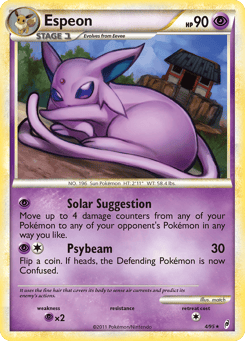 |
Espeon #4/95 Call of Legends (2011) |
$74.77 | $13,666 | 182.8× |
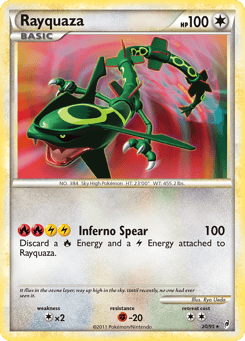 |
Rayquaza #20/95 Call of Legends (2011) |
$1,013 | $10,564 | 10.4× |
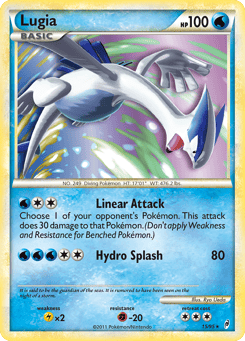 |
Lugia #15/95 Call of Legends (2011) |
$197.26 | $10,258 | 52× |
Look up any card's current raw and graded value in Midpoint — and get an estimated grade before you pay to submit.
Quick Comparison
| Card | PSA 9 Value (USD) | PSA 10 Value (USD) | PSA 10 Premium (x) | PSA 10 Population | PSA 9 Population |
|---|---|---|---|---|---|
| Lugia | $1,200 | $15,000 | 12.5x | 45 | 220 |
| Umbreon | $400 | $3,600 | 9x | 38 | 180 |
| Espeon | $350 | $2,700 | 7.7x | 40 | 165 |
| Raikou | $280 | $2,000 | 7.1x | 50 | 210 |
| Deoxys | $150 | $900 | 6x | 60 | 250 |
| Typhlosion | $80 | $320 | 4x | 75 | 300 |
| Feraligatr | $70 | $280 | 4x | 70 | 310 |
PSA 9 vs PSA 10 Price Difference Call of Legends Explained
The most notable aspect of the call of legends psa 9 vs psa 10 value comparison is the substantial price gap on certain highly sought-after cards. For example, Lugia’s PSA 10 value is reported around $15,000 compared to $1,200 for PSA 9 — a significant premium. Similarly, Umbreon and Espeon show notable premiums.
This premium is influenced by PSA 10 cards being rarer and representing the highest condition standards, especially in centering. PSA 9 cards, while still high quality, often show slight centering or surface imperfections that prevent the perfect grade.
- Cards with iconic status or limited PSA 10 populations tend to have larger premiums.
- More common cards like Typhlosion or Feraligatr show smaller but still meaningful premiums.
- The population report difference helps explain why PSA 10 cards command higher prices — fewer PSA 10s exist compared to PSA 9s.
Population Report & Scarcity Impact on Value
Population data suggests a scarcity factor that influences the call of legends grading value. PSA 10 cards are often several times less common than PSA 9s. For instance:
- Lugia: 45 PSA 10s vs 220 PSA 9s
- Umbreon: 38 PSA 10s vs 180 PSA 9s
- Deoxys: 60 PSA 10s vs 250 PSA 9s
This scarcity can drive collector demand and price premiums. The rarity of PSA 10s combined with their pristine appearance creates a strong market for graded cards at the highest tier.
By contrast, raw cards—those ungraded—usually sell for a fraction of PSA 9 values, making PSA 9 a middle ground for collectors seeking quality without the extreme premium.
How Centering and Card Condition Influence PSA 9 vs PSA 10 Outcomes
Centering is a key factor separating PSA 9 from PSA 10 grades in Call of Legends cards. Even minor shifts can downgrade a card from 10 to 9. Other condition issues include:
- Surface imperfections: scratches, print lines, or whitening can affect grades.
- Edges and corners: slight wear or chipping impacts grading.
- Eye appeal: overall visual quality influences grader perception.
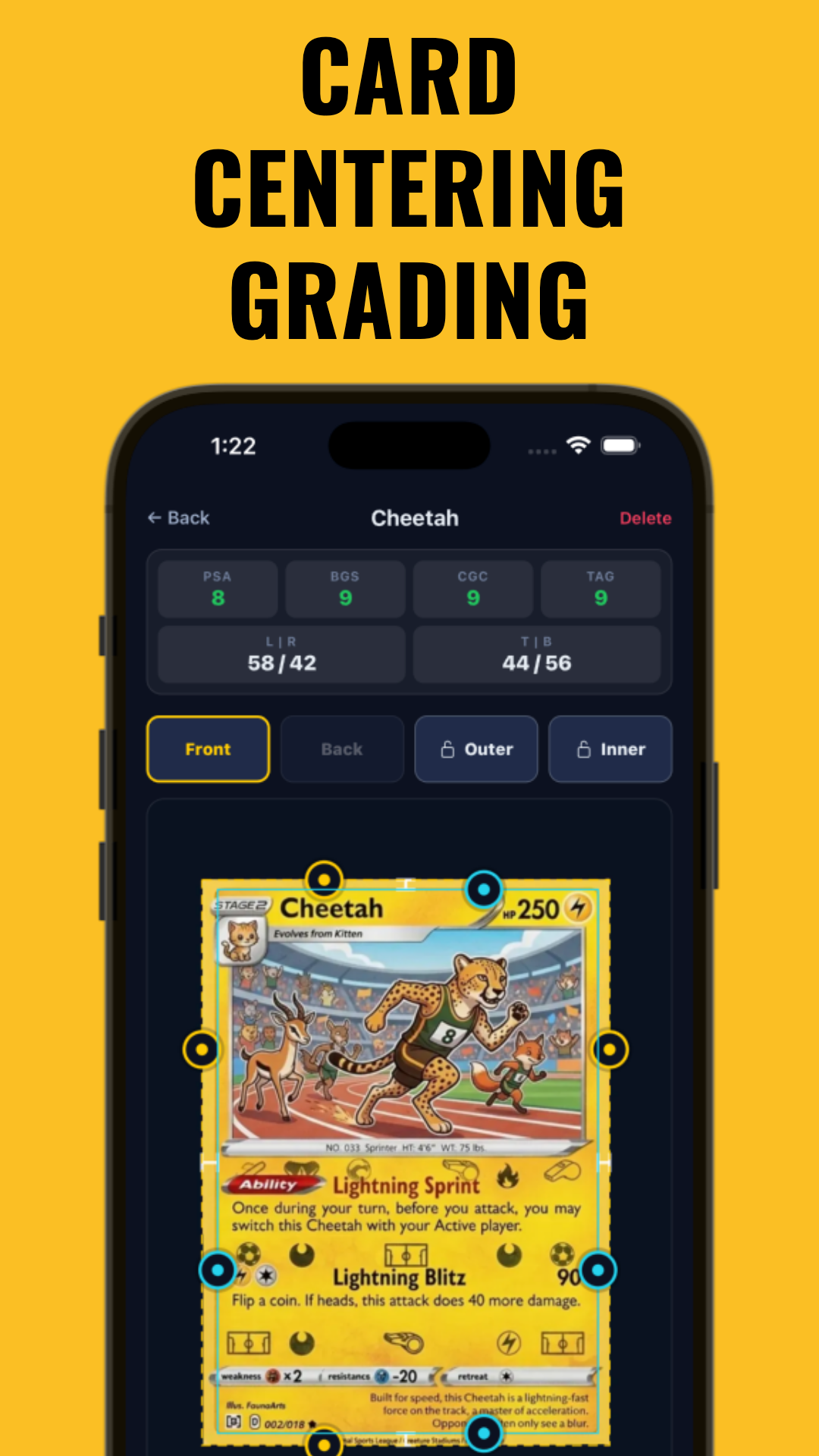
Because PSA 10 requires near-flawless centering and surface condition, the price difference often reflects these subtle but important quality distinctions. Using tools like the Midpoint centering calculator can help collectors estimate their cards’ grades before investing in submission fees.
Raw vs PSA 9 vs PSA 10 Pricing for Call of Legends Cards
The pricing ladder for Call of Legends cards generally shows:
- Raw cards: Lowest prices, often a fraction of PSA 9 value, reflecting unverified condition and risk.
- PSA 9 cards: A solid investment with quality assurance and higher value than raw.
- PSA 10 cards: Premium prices due to rarity and condition, often multiple times PSA 9 prices.
For example, a PSA 9 Umbreon might fetch around $400, while a PSA 10 sells for several times that, and raw copies are typically lower priced.
Collectors should weigh grading costs (typically $30+ per card) against potential PSA 10 premiums to decide whether to submit raw cards for grading. Sometimes holding or buying a PSA 9 is more cost-effective, especially for cards with smaller premium gaps.
Which Should You Choose? PSA 9 or PSA 10?
Deciding between buying or submitting for a PSA 9 versus PSA 10 depends on your collector goals and budget:
- PSA 10 is worth it if: You own or want marquee cards like Lugia or Umbreon, where the premium may exceed grading costs substantially. Use Midpoint to check centering and surface before submitting.
- PSA 9 is a smart buy when: The card’s PSA 10 premium is moderate, and you want quality without the extreme price tag.
- Raw cards are suitable for: Budget collectors or cards with lower market demand, but keep in mind the risk of condition issues and lower resale value.
Since vintage-era sets like Call of Legends often have larger PSA 10 premiums compared to modern cards, understanding recent sold comps rather than asking prices is important for informed decisions. Pre-grading guides and AI grading tools like Midpoint offer useful estimates to help you decide before spending money on grading.
FAQ
Is Call of Legends worth grading for PSA 10 profit?For some high-demand cards like Lugia, Umbreon, and Espeon, PSA 10 premiums can justify grading costs, but it’s important to check your card’s centering and condition first.How much more is a PSA 10 Call of Legends card worth than a PSA 9?The difference can range from about 4x to over 12x, depending on the card. For example, Lugia’s PSA 10 may sell for significantly more than PSA 9, while other cards have smaller premiums.Which Call of Legends cards have the biggest PSA 9 to PSA 10 gap?Lugia, Umbreon, and Espeon tend to show some of the largest gaps, influenced by rarity and collector demand.What is the PSA 10 population for Call of Legends cards?PSA 10 populations vary but are generally several times rarer than PSA 9s. For example, there are fewer PSA 10 Lugia and Umbreon cards compared to PSA 9s.Should I buy a PSA 9 or save for a PSA 10 of the same Call of Legends card?If the PSA 10 premium is substantial and affordable, saving for PSA 10 may be ideal. Otherwise, PSA 9 cards offer good value and quality for collectors on a budget.Why do some Call of Legends PSA 10s sell for 10x or more than PSA 9s?The rarity of perfect centering and near-flawless condition in PSA 10 cards, combined with collector demand, can drive significant price premiums compared to PSA 9.
Free to start
Try the Midpoint app
Grade any card from a photo, see its raw and PSA 10 value, and track what your collection is worth — free.
Get it on iPhoneGet it on Android