Duel Terminal Preview Yugioh Cards Value: Complete Guide & Price Insights
Explore Duel Terminal Preview Yugioh cards value, top chase cards, grading tips, and price trends to maximize your collection’s worth and investment potential.

Estimated reading time: 15 min
Key Takeaways
- Duel Terminal Preview Yugioh cards are collectible and can have investment value, especially graded PSA 10 variants.
- Wave 1 and Wave 2 cards differ in rarity and demand, which can impact market prices.
- Top chase cards include Blue-Eyes White Dragon, Dark Magician, and Red-Eyes Black Dragon, often commanding premium prices.
- Condition factors like centering, corners, edges, and surface wear significantly affect card value.
- Using AI grading tools like Midpoint can help estimate grading potential and guide smarter submissions.
Card values — live data from Midpoint's card database, as of 2026-09-01. Prices move; Midpoint refreshes these daily.
| Card | Raw | PSA 10 | Gem premium | |
|---|---|---|---|---|
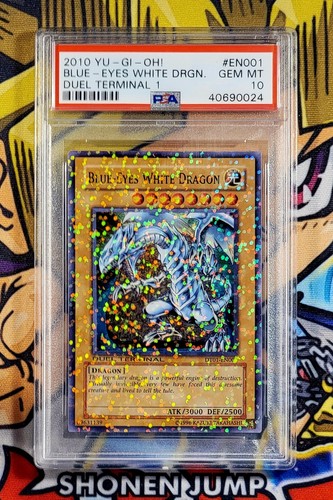 |
Blue-Eyes White Dragon DTP1-EN001 YuGiOh Duel Terminal Preview |
$1,375 | $85,060 | 61.9× |
 |
Soul Exchange DTP1-EN010 YuGiOh Duel Terminal Preview |
$100.00 | $2,789 | 27.9× |
 |
Buster Blader DTP1-EN006 YuGiOh Duel Terminal Preview |
$195.51 | $1,500 | 7.7× |
 |
Harpie Lady 1 DTP1-EN027 YuGiOh Duel Terminal Preview |
$219.97 | $398.02 | 1.8× |
 |
Malevolent Nuzzler DTP1-EN011 YuGiOh Duel Terminal Preview |
$73.09 | — | — |
 |
Inferno Fire Blast DTP1-EN015 YuGiOh Duel Terminal Preview |
$192.82 | — | — |
 |
Big Piece Golem DTP1-EN023 YuGiOh Duel Terminal Preview |
$109.99 | — | — |
 |
Dust Tornado DTP1-EN016 YuGiOh Duel Terminal Preview |
$95.00 | — | — |
 |
Reinforcements DTP1-EN019 YuGiOh Duel Terminal Preview |
$89.95 | — | — |
 |
Nobleman of Extermination DTP1-EN012 YuGiOh Duel Terminal Preview |
$125.00 | — | — |
 |
Cyber Dragon DTP1-EN009 YuGiOh Duel Terminal Preview |
$450.00 | — | — |
 |
Swift Gaia the Fierce Knight DTP1-EN026 YuGiOh Duel Terminal Preview |
$95.00 | — | — |
Look up any card's current raw and graded value in Midpoint — and get an estimated grade before you pay to submit.
Table of Contents
- Section 1: Duel Terminal Preview Set Overview and Release Context
- Section 2: Comprehensive Card List with Rarities and Waves
- Section 3: Current Market Prices and Price Guide Analysis
- Section 4: Most Valuable Duel Terminal Preview Cards to Chase
- Section 5: Condition and Grading Impact on Value
- Section 6: Scarcity, Print Runs, and Authenticity Identification
- Section 7: Investment Appeal and Collection Strategies
- Conclusion
- FAQ
Section 1: Duel Terminal Preview Set Overview and Release Context
Understanding Duel Terminal Preview
The Duel Terminal Preview is a unique Yu-Gi-Oh promotional set released to showcase upcoming Duel Terminal cards with special print runs, parallel foiling, and exclusive artwork. It serves as a prelude to the Duel Terminal series, which are arcade-based booster packs featuring collectible cards. This set is sought-after due to its limited availability and distinctive visual style.
Unlike regular booster sets, Duel Terminal Preview cards are printed with specific arcade machine playability in mind. The print runs are limited, with certain cards released in waves to stagger availability and build anticipation. The artwork often includes holographic foiling techniques that differ from standard sets, such as metallic glints and unique textures designed to stand out under arcade lighting conditions. Collectors value these features for their aesthetic appeal and relative rarity.
Wave 1 vs Wave 2 Releases
The Duel Terminal Preview set was released in two distinct waves. Wave 1 introduced the initial batch of cards, including staples like Blue-Eyes White Dragon and Dark Magician. Wave 2 followed with additional cards, often rarer and with more experimental parallel versions. The wave distinctions influence scarcity and collector demand, making Wave 1 cards generally easier to find but Wave 2 cards often more prized for their rarity.
Wave 1 release volumes were higher, ensuring broader distribution across the arcade networks in Japan. These cards serve as the foundational roster, so while available in larger numbers, top-tier cards remain scarce in pristine condition. Wave 2 introduced lower print runs, including ultra-rare parallel foils that feature alternate holographic patterns and occasionally alternate artwork. This wave’s scarcity is compounded by less distribution and higher demand, leading to more substantial price premiums.
Collectors should note that some Wave 2 cards were only available through specific arcade events or limited-time promotions, further restricting supply. This exclusivity adds a layer of challenge for collectors aiming to complete the set or obtain specific chase variants.
Release Context and Market Impact
Released in a period when Duel Terminal arcade machines were gaining traction in Japan, these preview cards offer a glimpse into the set’s mechanics and design philosophy. Their release sparked collector interest, driving prices up especially on graded copies. This context makes understanding the Duel Terminal Preview Yugioh cards value useful for collectors and investors alike.
The Duel Terminal Preview cards filled a niche between standard retail booster sets and arcade-exclusive content, creating demand among players seeking competitive advantage and collectors chasing limited print runs. The timing coincided with renewed interest in physical TCG collecting globally, which further boosted secondary market activity. The surge in grading submissions following the release highlighted the set’s perceived potential, with grading services reporting population report increases and strong sales for PSA 10 copies.
Because Duel Terminal Preview cards were initially region-locked to Japanese arcades, their international availability was constrained, fueling import demand and pushing prices higher outside Japan. This disparity remains a factor in pricing and availability, with international collectors often paying premiums for verified authentic copies.
Section 2: Comprehensive Card List with Rarities and Waves
Wave 1 Card Compilation
Wave 1 includes iconic cards such as:
- Blue-Eyes White Dragon (#1, Ultra Rare)
- Dark Magician (#2, Ultra Rare)
- Red-Eyes Black Dragon (#3, Rare)
- Exodia the Forbidden One (#5, Secret Rare)
These cards are foundational Duel Terminal staples and form the core of Wave 1’s collectible appeal. Each card features distinct foiling patterns consistent with Ultra Rare or Secret Rare designations, such as holographic name text and textured foiling on the artwork. Print runs for Wave 1 cards are estimated to be limited but accessible to dedicated collectors.
For example, the Blue-Eyes White Dragon Ultra Rare features a signature foil stamp and a slight embossing on the dragon’s wings, distinguishing it from other printings. The Exodia the Forbidden One Secret Rare variant showcases a diagonal holographic foil pattern that is uncommon in other Duel Terminal releases.
Wave 2 Card Compilation
Wave 2 introduced newer cards and rarer print variants, including:
- Red-Eyes Black Dragon (Alternate parallel, Wave 2 #3, Secret Rare)
- Dark Magician Girl (#7, Ultra Rare)
- Black Luster Soldier (#9, Super Rare)
- Blue-Eyes Alternative White Dragon (#11, Rare)
The wave distinction is important when tracking card value and rarity. Wave 2 print runs were more limited, with some parallel versions estimated at fewer than a few thousand copies worldwide. Alternate parallel foils in Wave 2 include rainbow sheen patterns and alternate border colors, which are sought after due to their visual distinctiveness and relative scarcity.
Notably, Dark Magician Girl in Wave 2 features a holographic effect where sparkles shift color under different lighting angles, a feature absent from earlier versions. Black Luster Soldier and Blue-Eyes Alternative White Dragon were released both in standard and parallel variants, with the latter attracting higher market interest because of the rarity of their foiling.
Collecting complete Wave 2 sets often requires significant investment and patience, as these cards frequently surface in smaller quantities during auctions and private sales.
Rarity Breakdown and Parallel Versions
Cards in the Duel Terminal Preview set are distributed in rarities ranging from Rare to Secret Rare and Ultra Rare. Parallel versions with alternate foiling and artwork variants exist primarily in Wave 2, increasing scarcity. Collectors should verify rarity symbols and holographic patterns carefully to assess value.
Rarity also affects grading population reports. For example, PSA reports show that Ultra Rare cards have a substantial portion of submissions graded PSA 9 or 10, while Secret Rare and rarer parallels often see higher percentages, reflecting better condition retention among collectors. However, some parallel variants have population reports below 100 graded copies worldwide, underscoring their rarity.
It is worth noting that some cards exist exclusively as parallel versions in Wave 2, meaning no standard print exists for those rarities, which further compounds their collectibility and price premiums.
Section 3: Current Market Prices and Price Guide Analysis
Raw vs Graded Market Values
As of 2026-09-01, raw Duel Terminal Preview cards vary widely in price depending on the card and condition. For example:
- Blue-Eyes White Dragon raw copies range roughly from $150 to $300 depending on centering and surface condition.
- Dark Magician raw cards generally fall between $120 and $250.
- Less iconic cards like Black Luster Soldier may be priced around $40-$80 raw.
Graded cards, particularly PSA 10, often command a significant premium. For instance, a Duel Terminal Preview Blue-Eyes White Dragon PSA 10 value can reach around $1,200 or more, reflecting the rarity of perfect condition submissions.
Price fluctuations in the raw market can be influenced by factors such as visible edge whitening, centering offsets exceeding 60/40 ratios, and the presence of surface scratches. Cards with minor imperfections often see price reductions compared to near-mint raw copies.
On the graded market, PSA 10 copies have shown appreciation over time, while PSA 9 copies trade at roughly 60-70% of PSA 10 values. PSA 8 and below see diminishing returns, highlighting the importance of submitting only the best-condition cards for grading.
Price Guide Insights
Price guides show a clear gap between raw and graded prices, emphasizing the importance of condition and grading. Cards graded PSA 9 to 10 show the most dramatic value increases, while lower grades tend to offer modest premiums over raw pricing.
For example, the Red-Eyes Black Dragon Wave 2 Secret Rare parallel has raw market prices averaging $350 to $500, but PSA 10 graded copies can command $850 to $950. This near doubling illustrates the value grading adds, especially for rarer variants.
Price guide data also reveals that some lesser-known cards, such as Blue-Eyes Alternative White Dragon, have shown steady growth in raw and graded markets due to increasing collector interest and lower print runs.
Marketplaces and Sales Trends
Price tracking from marketplaces like eBay and specialized auction houses reveals an upward trend in Duel Terminal Preview card values over recent years, particularly for Wave 2 rarities. This trend indicates growing collector interest and potential investment appeal.
Recent auction results include a PSA 10 Blue-Eyes White Dragon selling for around $1,350 in mid-2026, a notable increase compared to previous years. Similarly, Wave 2 Dark Magician Girl PSA 10 cards have risen in price over recent years.
Marketplace liquidity remains strong for top chase cards, with many sellers reporting quick sales within days of listing. This liquidity benefits investors looking to enter or exit positions efficiently.
However, some lower-demand cards or poor condition copies tend to linger longer, emphasizing the importance of condition and card selection for investment purposes.
Section 4: Most Valuable Duel Terminal Preview Cards to Chase
Blue-Eyes White Dragon
Blue-Eyes White Dragon is among the most valuable cards in the Duel Terminal Preview set. Its iconic status and scarcity of top-grade copies push PSA 10 prices over $1,200. The card’s strong demand makes it a top chase target.
This card’s value is bolstered by its role as a flagship monster in Yu-Gi-Oh’s history and its limited Duel Terminal Preview print run. Collectors prize clean centering and scratch-free surfaces, with perfect corner sharpness essential to achieving PSA 10 status. Given that only a fraction of submitted copies reach PSA 10, raw collectors can expect a significant value increase upon grading success.
Dark Magician
Dark Magician consistently ranks as another high-value collectible, with PSA 10 copies fetching $800-$1,000. Its broad appeal and pivotal role in the Yu-Gi-Oh meta sustain its premium.
Dark Magician’s foil textures and artwork details are scrutinized heavily during grading. The Duel Terminal Preview version is especially sought after due to its unique foiling and limited print run. PSA 9 graded copies are common enough to serve as more affordable entry points, trading between $500-$700 depending on market fluctuations.
Red-Eyes Black Dragon
The Red-Eyes Black Dragon from Wave 1 and especially Wave 2 parallel versions are sought after, with PSA 10 values ranging from $600 to $900. Rarity and visual appeal drive this card’s market strength.
Wave 2 alternate parallel Secret Rare versions with distinct foiling effects and alternate border colors generate particular collector interest. These versions are rarer than their Wave 1 counterparts and command higher premiums. Raw copies in excellent condition can still fetch upwards of $500, with graded copies pushing prices near $900 in PSA 10 condition.
Other High-End Pulls
- Exodia the Forbidden One (Secret Rare) commands $400-$700 raw, significantly higher graded.
- Dark Magician Girl from Wave 2 is a niche chase with premium pricing between $300 and $600 graded.
- Blue-Eyes Alternative White Dragon offers good value potential as a rarer Wave 2 card, priced $250+ raw.
These cards serve as secondary chase targets, with potential for future appreciation due to their lower print runs and increasing collector interest. For example, Dark Magician Girl PSA 10 copies have risen steadily in recent years, reflecting growing popularity among female character collectors.
Section 5: Condition and Grading Impact on Value
Centering and Its Importance
Centering is a critical factor in card grading and value. Cards with nearly perfect centering receive higher grades and attract premium prices. The Duel Terminal Preview set often exhibits slight centering variances due to print runs, making precise measurement important.
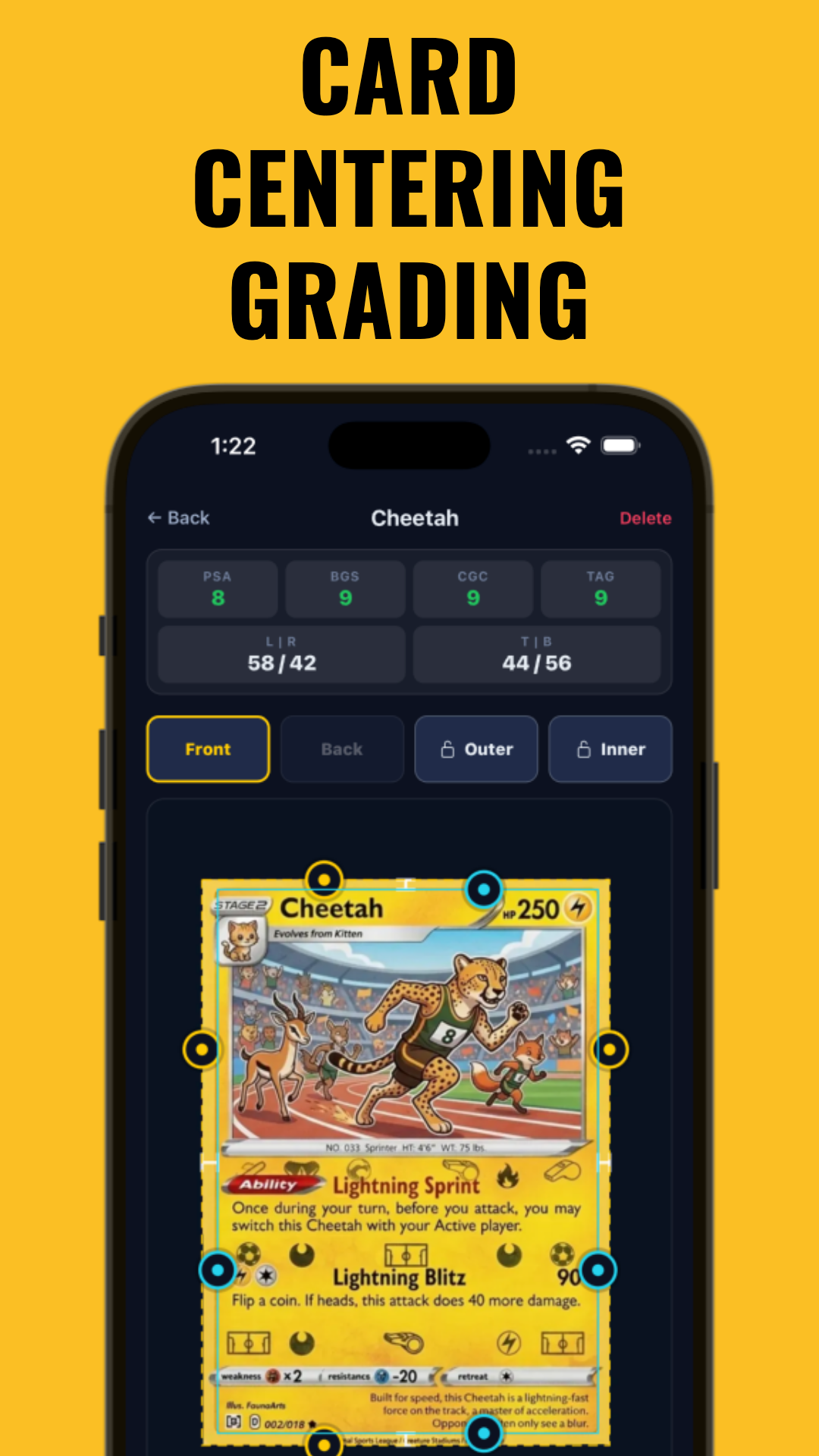
Centering is typically measured as the percentage of border space around the card’s image. For PSA, near-perfect centering is often defined as at least 60/40 ratio or better on all sides. Cards with off-centering beyond this range risk being graded PSA 9 or lower. For Duel Terminal Preview cards, common centering deviations happen due to the foiling process and print alignment.
Using AI-assisted centering tools like Midpoint allows collectors to objectively evaluate centering before submission, potentially increasing chances of receiving a high grade and avoiding unnecessary grading fees for cards unlikely to achieve PSA 10.
Corners, Edges, and Surface Wear
Beyond centering, the condition of corners and edges dramatically influences grading outcomes. Surface scratches, print defects, or whitening reduce the value even on rare cards. Collectors should inspect cards carefully or use AI tools for precise condition analysis.
For Duel Terminal Preview cards, edge whitening is a common issue due to the foiling layers, which can chip or wear with handling. Corners must remain sharp and free of dings or rounding. Surface defects such as print scratches, scuff marks, or minor stains are penalized during grading and can drop a card’s grade by a full point or more.
Collectors often use soft gloves and protective sleeves to minimize handling damage. Pre-grading evaluation with AI tools helps identify subtle surface wear that might not be visible to the naked eye but impacts grading.
Grading PSA 10 Value Premiums
Cards graded PSA 10—the highest grade—can command 3x to 5x the value of raw cards, especially for Duel Terminal Preview’s chase cards. For example, the PSA 10 Blue-Eyes White Dragon is often valued at $1,200+, compared to raw copies averaging around $200.
This premium reflects the rarity of mint-condition cards and the confidence buyers place in graded cards for authentication and preservation. PSA 9 grades, while still desirable, typically sell for 50-70% of PSA 10 prices.
Utilizing AI-based grading estimation apps like Midpoint before submission helps collectors evaluate likely grades and avoid costly grading fees on lower-grade cards. These apps analyze high-resolution scans or photos to provide objective centering scores and highlight potential defects, enabling more informed grading decisions.
Section 6: Scarcity, Print Runs, and Authenticity Identification
Limited Print Runs and Scarcity Effects
Duel Terminal Preview cards were printed in restricted quantities, especially Wave 2 parallel variants. This scarcity drives collector demand and price premiums. Cards with lower population reports on grading services typically achieve higher market prices.
Estimated print runs for Wave 1 cards range from approximately 10,000 to 15,000 copies per variant, while Wave 2 parallels often fall below a few thousand copies, with some ultra-rare variants numbering fewer than 1,000. These limited quantities are supported by official Konami releases and grading population reports, which track the number of PSA-graded cards and their grade distributions.
Scarcity is further compounded by the fact that many Duel Terminal Preview cards were used in arcade play, leading to wear or damage, reducing the number of pristine cards available.
How to Identify Authentic Duel Terminal Preview Cards
Authenticity verification is crucial. Genuine Duel Terminal Preview cards feature specific holographic patterns, set symbols, and unique print textures. Counterfeits often lack these subtle details or have incorrect font and border colors.
Collectors should examine the following to confirm authenticity:
- Holographic Foil Pattern: Official Duel Terminal Preview cards display consistent and sharp holographic foils that shift under light. Counterfeits often have blurry or inconsistent foil patterns.
- Set Symbol and Card Numbering: The Duel Terminal Preview set includes unique set symbols and numbering; verifying these against official checklists is essential.
- Border and Font Consistency: Authentic cards have precise border widths and consistent font styles and colors. Differences in these can indicate counterfeit or altered cards.
- Card Stock and Texture: The cardstock used is thicker and has a distinct texture compared to regular booster cards. Handling and feel can help distinguish authenticity.
Using a magnifying glass or loupe can help detect print artifacts or inconsistencies. Additionally, comparing suspected cards with verified authentic examples helps identify discrepancies.
Recognizing Rare Parallel Versions
Wave 2 introduced rare parallel foiling and alternate artworks. Collectors should familiarize themselves with these variants by referencing official set checklists and marketplaces to spot rarities and assess value accurately.
Rare parallels may include features such as:
- Alternate holographic foiling styles, e.g., rainbow or prismatic effects.
- Different border colors or foil text colors.
- Alternate artwork with subtle design changes or artist signatures.
Documentation and databases maintained by collector communities are valuable for identifying these variants. Cross-referencing population reports and recent sales helps verify authenticity and market value.
Section 7: Investment Appeal and Collection Strategies
Strong Demand and Liquidity
The Duel Terminal Preview set appeals to both nostalgic collectors and investors due to the iconic characters and relative rarity of the cards. High-grade versions of chase cards maintain liquidity in marketplaces, making them potential additions to portfolios.
Because of the limited print runs and unique foiling, these cards can outperform similar rarity cards from standard booster sets. Their appeal spans multiple collector demographics, including players, investors, and fans of specific archetypes or characters.
Liquidity is supported by marketplace activity on platforms like eBay, TCGPlayer, and specialized auction houses. High-grade PSA 10 and 9 cards often sell within weeks, sometimes days, at or above guide prices.
Which Cards Are Worth Grading?
Cards with high raw value and good condition candidates—especially Blue-Eyes White Dragon, Dark Magician, and rare Wave 2 variants—are typically worth grading. Using tools like Midpoint to pre-grade and measure centering can help maximize grading success rates and return on investment.
Collectors should avoid grading cards with visible surface wear, off-centering beyond PSA standards, or damaged corners, as these factors drastically reduce grading outcomes and resale value. Prioritizing cards with strong raw market demand and minimal condition issues optimizes grading costs.
Investment strategies may include:
- Purchasing low-grade or raw cards in excellent condition for grading submission.
- Targeting rare parallel versions with lower population reports.
- Holding cards long-term to capitalize on set appreciation as Duel Terminal Preview gains historical significance.
Set-Value Comparison to Other Duel Terminal Releases
Compared to other Duel Terminal sets, the Preview set holds a premium due to its unique position as a teaser and limited print run. Its cards often outperform later Duel Terminal releases in price appreciation and collector interest.
Later Duel Terminal sets tend to have higher print runs and less unique foiling, leading to softer price growth. The Preview set’s role as an exclusive introduction to the Duel Terminal mechanic and its limited regional release contribute to its collector cachet.
Collectors aiming to preserve and maximize value should also consider expert storage advice such as How to Store Valuable Cards: The Ultimate Collector's Guide. Proper storage includes using acid-free sleeves and top loaders, maintaining stable temperature and humidity, and avoiding direct sunlight to prevent fading and warping.
Conclusion
The Duel Terminal Preview Yugioh cards value depends on the intersection of rarity, condition, and grading. With iconic chase cards like Blue-Eyes White Dragon and Dark Magician leading the pack, understanding the nuances of Wave 1 vs Wave 2, grading premiums, and authenticity is important for collectors and investors. Leveraging AI-powered tools such as Midpoint to measure centering and estimate grading can enhance decision-making and optimize returns. As the Duel Terminal Preview set continues to be sought after, informed collecting and grading strategies remain valuable.
FAQ
Q: What is the most valuable Duel Terminal Preview Yu-Gi-Oh card?
A: The most valuable card is generally considered to be Blue-Eyes White Dragon, especially in PSA 10 condition, where it can fetch over $1,200 as of 2026-09-01.
Q: How much is Blue-Eyes White Dragon from Duel Terminal Preview worth?
A: Raw copies typically range from $150 to $300, while PSA 10 graded copies can reach $1,200 or more.
Q: What cards are in Duel Terminal Preview Wave 1 and Wave 2?
A: Wave 1 features core cards like Blue-Eyes White Dragon, Dark Magician, and Red-Eyes Black Dragon. Wave 2 includes rarer parallel variants and cards like Dark Magician Girl and Blue-Eyes Alternative White Dragon.
Q: Are Duel Terminal Preview cards worth getting graded?
A: Yes. High-value chase cards in excellent condition often see significant price premiums when graded PSA 9 or 10, making grading worthwhile.
Q: Why are Duel Terminal Preview cards so expensive?
A: Limited print runs, iconic card selection, and rarity of parallel foils create scarcity and collector demand, driving prices higher.
Q: How can I tell if my Duel Terminal Preview card is authentic or a rare parallel version?
A: Check for specific holographic patterns, set symbols, and foiling consistent with official Duel Terminal Preview releases. Refer to official checklists and reputable marketplaces for verification.
Free to start
Try the Midpoint app
Grade any card from a photo, see its raw and PSA 10 value, and track what your collection is worth — free.
Get it on iPhoneGet it on Android