Football Card Prices Dropping September 2026: What Collectors Must Know
Explore why football card prices are dropping September 2026, which cards fell most, and strategies to buy the dip smartly with Midpoint.

Estimated reading time: 8 min
Key Takeaways
- Football card prices have declined in September 2026 amid increased supply and shifting rookie hype.
- Raw cards and PSA 10 graded examples both show price drops, particularly in high-profile rookies and recent releases.
- 2026 Topps and Bowman products appear to be experiencing faster price declines compared to Prizm and Donruss.
- Collectors may consider grading well-centered raw cards during this dip using AI tools like Midpoint to potentially maximize future value.
- Market trackers and weekly sales data provide useful insight for timing buys and sales amid the downtrend.
September 2026 marks a notable point in the football card market cycle as prices cool off after a summer of heightened rookie quarterback hype and NFL season openers. Football card prices dropping in September 2026 reflect shifting supply-demand dynamics, reprints, and the natural settling of initial excitement. For collectors and investors, understanding which football cards are losing value, why, and how to navigate the dip can help inform decisions. This listicle breaks down key factors behind the market correction, highlights which cards and products are most affected, and offers actionable advice on buying and selling strategies using tools like Midpoint.
30-day price movers — live data from Midpoint's card database, as of 2026-09-04. Prices move; Midpoint refreshes these daily.
| Card | Raw | PSA 10 | 30-day | |
|---|---|---|---|---|
 |
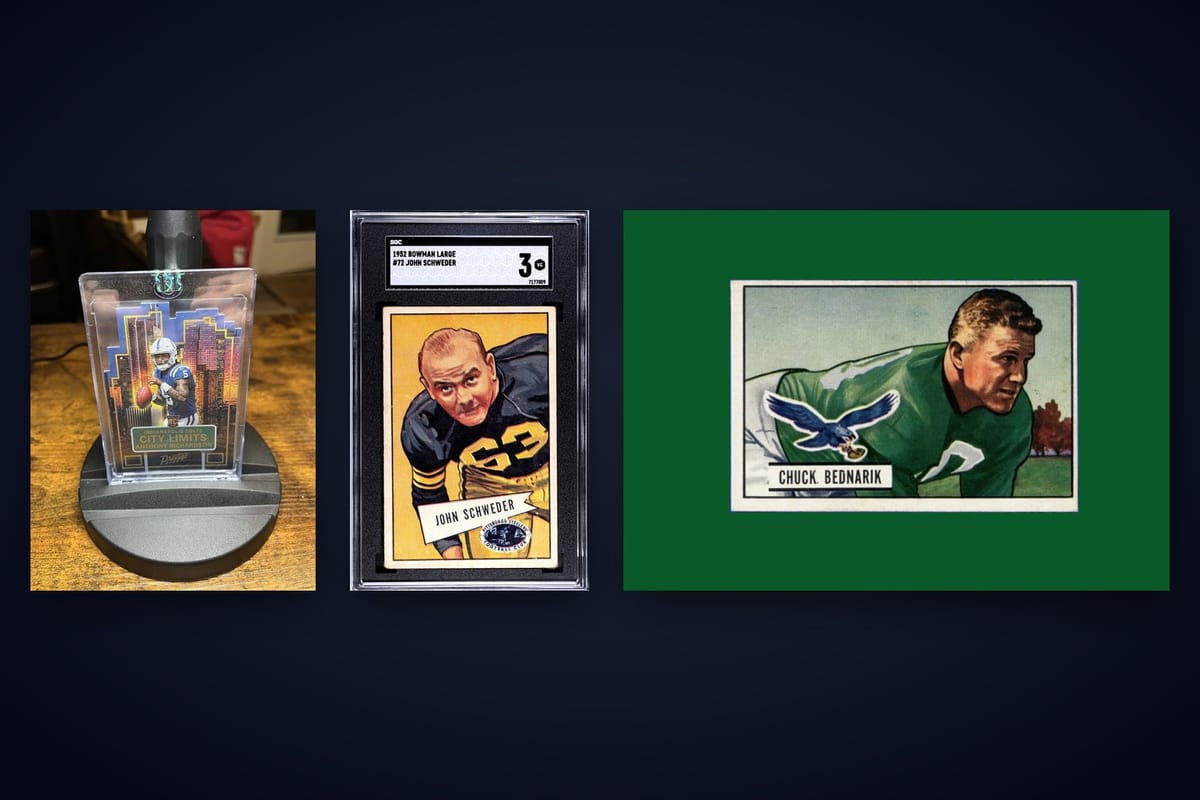
Anthony Richardson #CL-3 2023 Panini Prestige City Limits |
$26.23 | $95.12 | -26.6% |
 |
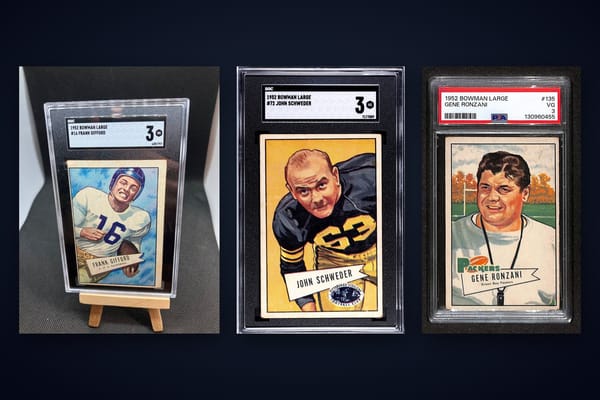
John Schweder #72 1952 Bowman Large |
$160.56 | $39,007 | -24.3% |
 |
Chuck Bednarik #12 1951 Bowman |
$43.61 | $10,337 | -21.3% |
 |
Bart Starr #119 1957 Topps |
$587.50 | $128,225 | -21.2% |
 |
Bob Hendren #1 1949 Leaf |
$11.74 | $3,289 | -20.8% |
 |
Gale Sayers #38 1966 Philadelphia |
$137.71 | $21,244 | -18.7% |
 |
Ben Roethlisberger #23 2017 Panini Donruss Optic Aka |
$11.99 | $58.08 | -17% |
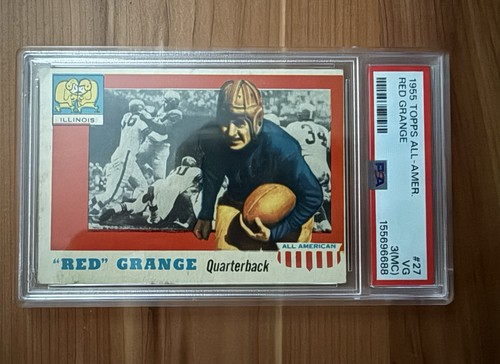 |
Red Grange #27 1955 Topps All American |
$92.71 | $22,735 | -15.9% |
 |
Jim Brown #71 1961 Topps |
$118.60 | $21,559 | -15.2% |
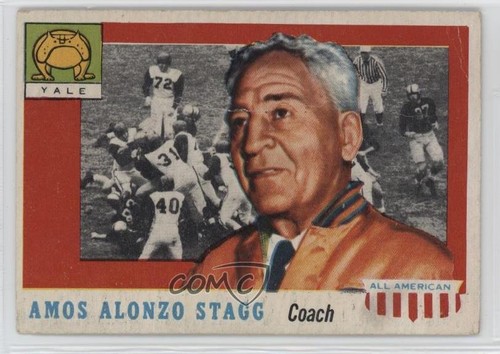 |
Amos Alonzo Stagg #38 1955 Topps All American |
$19.39 | $3,590 | -14.3% |
 |
Paul Hornung #151 1957 Topps |
$348.45 | $72,685 | -13.4% |
 |
Paul Campbell #71 1948 Leaf |
$40.69 | $11,121 | -12.4% |
Look up any card's current raw and graded value in Midpoint — and get an estimated grade before you pay to submit.
1. September 2026 Football Card Market Correction Explained
The football card market in September 2026 has experienced a correction characterized by falling prices across many raw and graded cards. Several factors contribute to this decline:
- Supply increase: New releases and reprints add to market availability, increasing supply.
- Rookie hype fading: Initial excitement around rookie quarterbacks from the 2026 NFL Draft has moderated after Week 1 performances.
- Market normalization: Collectors often sell cards to realize profits or cut losses after earlier price rises.
As of early September 2026, median sale prices for raw base rookie cards reportedly dropped by roughly 15-25% compared to August, while PSA 10 graded versions saw declines estimated around 10-20%, varying by player and set.
2. Impact of Rookie Quarterback Hype and Week 1 NFL Performance
Rookie quarterbacks traditionally influence football card demand. In 2026, cards of prospects like CJ Stroud and Bryce Young increased in value during the pre-season and immediately after Week 1. However, inconsistent performances and defensive adjustments contributed to market corrections.
For example, CJ Stroud's 2026 Bowman rookie card raw prices reportedly fell by about 22%, and PSA 10 sales declined near 18% in September. Other rookies with less media attention or slower season starts experienced similar or steeper drops.
Collectors should monitor game performance and hype shifts when evaluating card values.
3. Recent Completed Sales and Weekly Sales Comparisons
Tracking completed sales is important for understanding current market prices. Notable data as of early September 2026 include:
- Tom Brady 2026 Topps base PSA 10 cards showed relative stability with a modest dip around 5%, reflecting enduring star power.
- Patrick Mahomes Prizm autographs, despite a general market downturn, declined approximately 7%, indicating resilience among elite veterans.
- Raw rookie cards saw sharper declines; for example, Bryce Young's 2026 Donruss base raw card prices reportedly dropped about 25% week-over-week.
Using tools like Midpoint’s card lookup and sales comps can help collectors verify current market trends before buying or selling.
4. Price Differences Between Raw, PSA 10, and Other Graded Cards
Graded cards often hold value better during downtrends due to quality assurance and collector confidence, but they are still subject to price drops. Key observations include:
- Raw cards can lose 20-30% or more as supply increases and perceived risk rises.
- PSA 10 graded cards tend to drop less severely, usually around 10-20%, due to their premium status.
- BGS 9.5 and CGC graded cards show intermediate declines reflecting differing population reports and grading company reputations.
Before submitting cards for grading, collectors may find AI digital grading tools like Midpoint useful to estimate centering and condition, potentially avoiding costly submissions with poor grade prospects.
5. Which 2026 Release Products Are Holding Up or Dropping Fastest?
Among 2026 football card products, price movements vary:
- Topps and Bowman: These legacy sets appear to face steeper declines, with raw bases dropping up to around 25%, and autographs declining 15-20%.
- Prizm: More stable, with base card prices down about 10% and autographs dipping near 12%, reflecting strong brand recognition.
- Donruss: Moderate declines averaging around 15%, especially in rookie parallels and autographs.
Collectors focusing on mid-tier products might find value opportunities during this dip.
6. New-Release Box and Case Prices Versus Singles
Box and case prices have generally followed singles downward but at a slower pace. As of September 2026:
- 2026 Topps hobby box prices dropped about 12% from peak summer levels.
- Bowman hobby boxes declined nearly 18%, reflecting weaker raw card demand.
- Singles, especially raw rookies, depreciated faster—up to 25% in some cases.
This divergence suggests collectors and investors may favor sealed product for longer-term holds while liquidating individual cards more quickly.
7. Median Sale Ranges for Base Cards, Parallels, Autographs, and Low-Numbered Rookies
September 2026 median sale price ranges indicate:
- Base rookie cards: approximately $15-$40 raw, $60-$120 PSA 10 depending on player and set.
- Parallels and inserts: 20-30% lower than spring highs, with some exceptions based on scarcity.
- Autographed cards: holding better with median sales around $120-$250 in PSA 10 condition.
- Low-numbered rookies: larger volatility, some dropping 30% or more due to supply influx.
Collectors should weigh scarcity and condition carefully when buying during this period.
8. How Supply, Release Timing, and Checklist Depth Affect Short-Term Price Drops
Products with deep checklists and frequent reprints, like Bowman, show accelerated price erosion. Early releases with limited supply, such as flagship 2026 Topps, tend to decline more slowly. Timing also matters:
- Cards released just before or during the NFL season face more immediate supply pressure.
- Later releases with rookies from mid-rounds see less hype and sharper price declines.
Understanding these factors helps anticipate which cards may rebound faster post-correction.
9. Market Trackers and Price-Guide Data Sources
Reliable market data is important. Collectors use:
- Completed sales tracking on platforms like eBay and dedicated card marketplaces.
- Price guides with weekly updates to reflect rapid changes.
- Apps like Midpoint offering comprehensive lookup with raw vs graded values and centering analysis to inform grading decisions.
Midpoint’s portfolio tracking also helps collectors monitor collection value trends and identify optimal sell or hold moments.
10. Buying and Selling Strategy During a Downtrend: Hold, Sell, or Wait?
When football card prices are dropping, collectors face choices:
- Hold: If confident in player potential and card scarcity, holding through the dip may yield gains.
- Sell: Lock in profits or cut losses on overhyped or low-demand cards.
- Buy the dip: Acquire well-centered raw cards at lower prices, then grade them to add value later. Using Midpoint’s AI grading estimates before submission can reduce grading costs and improve success rates.
Strategic decisions depend on individual goals, card quality, and market signals.
Conclusion
The football card market’s September 2026 correction reflects natural price adjustments after a hype-driven summer. Understanding which cards and products are dropping fastest, the causes behind falling football card prices, and how grading quality impacts value can help collectors make informed decisions. Tools like Midpoint empower collectors to pre-grade cards digitally, track portfolio value, and identify opportunities to buy the dip wisely. Whether you choose to hold, sell, or grade and wait, staying informed with real-time data and AI insights is important to navigating this downtrend successfully.
FAQ
Q: Why are football card prices dropping in September 2026?
A: Prices are dropping due to increased supply from new releases and reprints, fading rookie quarterback hype after early NFL games, and market normalization as collectors take profits or cut losses.
Q: Which football cards are dropping the most right now?
A: Raw rookie cards from 2026 Topps and Bowman appear to be experiencing the largest declines, with some dropping over 25%. Autographed and low-numbered cards also show volatility.
Q: Are rookie quarterback cards still worth buying during the dip?
A: Buying well-centered raw rookie cards at lower prices and grading them later can be a considered long-term strategy, especially when using AI grading tools like Midpoint to assess card quality beforehand.
Q: Do graded football cards hold value better than raw cards when prices fall?
A: Generally, yes. PSA 10 and other top-graded cards tend to decline less sharply than raw cards due to guaranteed condition and collector confidence, but all categories are affected to some extent.
Q: Is now a good time to buy 2026 Topps or Bowman football cards?
A: It depends on your goals. Prices have dropped significantly, offering value opportunities, but these sets have seen faster declines so risk may be higher. Assess card condition carefully before purchasing.
Q: Which football card sets are safest during a market correction?
A: Prizm and Donruss tend to hold up better than Topps and Bowman during corrections due to brand strength and checklist depth. Veteran player cards also show greater stability.
Free to start
Try the Midpoint app
Grade any card from a photo, see its raw and PSA 10 value, and track what your collection is worth — free.
Get it on iPhoneGet it on Android