Football Card Prices Dropping September 2026: What Collectors Must Know
Explore why football card prices are dropping September 2026, which segments fall most, and how to buy the dip smartly with Midpoint insights.

Estimated reading time: 12 min
Key Takeaways
- Football card prices are showing signs of cooling, influenced by increased supply, reduced hype, and grading market factors.
- Rookie and parallel cards appear to be experiencing some of the sharper declines in September 2026.
- PSA 10 graded cards generally maintain better value compared to raw copies, though pricing gaps may fluctuate.
- September releases and NFL season momentum are important factors influencing market shifts.
- Using Midpoint’s AI grading tools can assist collectors in making informed decisions during market fluctuations.
In September 2026, the football card market is experiencing notable changes. Football card prices dropping September 2026 has many collectors and investors asking: why the sudden cooling? Which football cards are losing value the fastest? And importantly, how can collectors leverage this dip to build a stronger portfolio? This detailed guide breaks down recent market shifts, referencing sales data where available, and offers strategies to navigate the current football card market using tools like Midpoint.
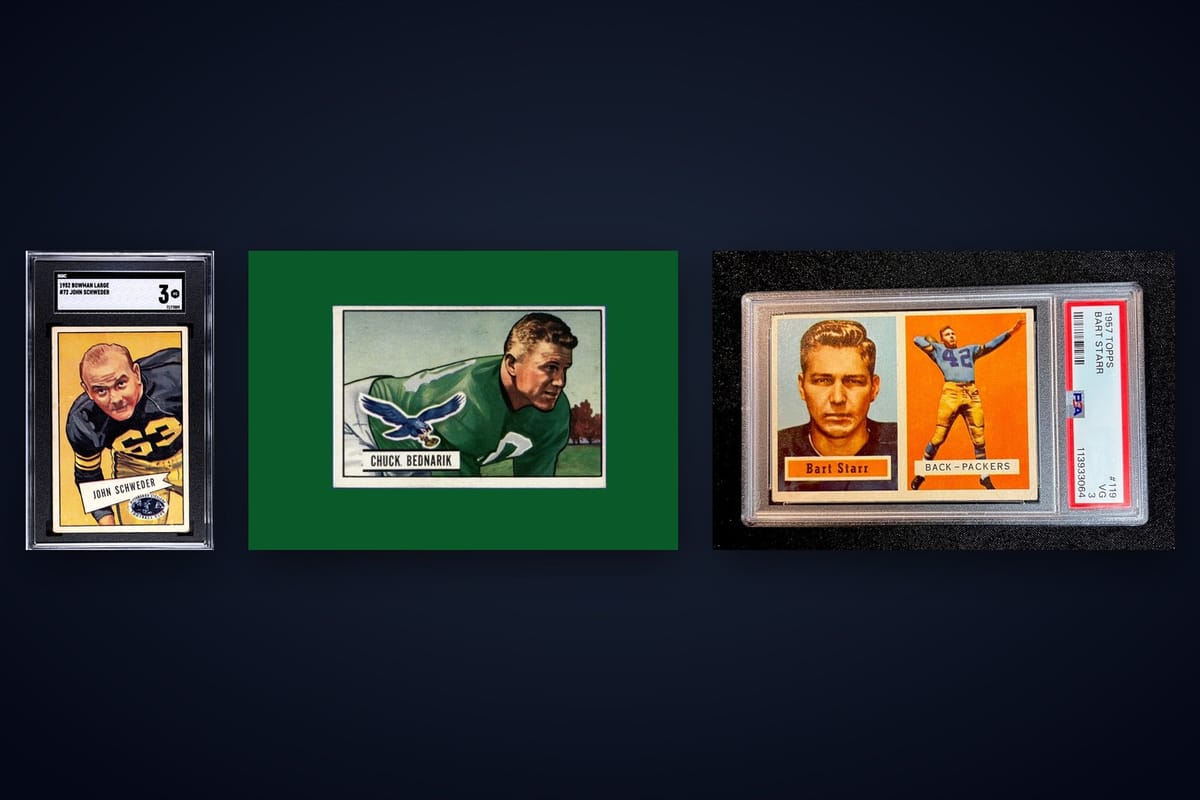
30-day price movers — live data from Midpoint's card database, as of 2026-09-15. Prices move; Midpoint refreshes these daily.
| Card | Raw | PSA 10 | 30-day | |
|---|---|---|---|---|
 |
John Schweder #72 1952 Bowman Large |
$160.56 | $39,007 | -24.3% |
 |
Chuck Bednarik #12 1951 Bowman |
$43.61 | $10,337 | -21.3% |
 |
Bart Starr #119 1957 Topps |
$587.50 | $128,225 | -20.9% |
 |
Gale Sayers #38 1966 Philadelphia |
$137.71 | $21,244 | -18.7% |
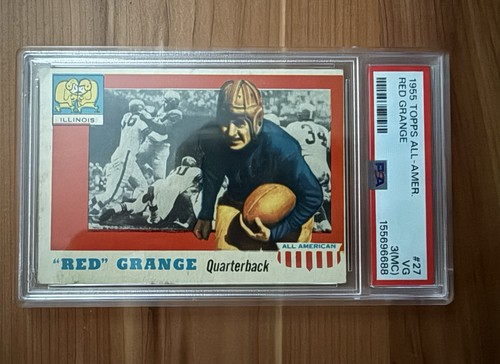 |
Red Grange #27 1955 Topps All American |
$92.71 | $22,735 | -15.9% |
![Josh Cribbs [Prizm] #47 2012 Panini Prizm card](https://i.ebayimg.com/images/g/lb0AAeSwWhJo4bZU/s-l500.jpg) |
Josh Cribbs [Prizm] #47 2012 Panini Prizm |
$11.47 | — | -15.5% |
 |
Jim Brown #71 1961 Topps |
$118.60 | $21,559 | -15.2% |
 |
Paul Hornung #151 1957 Topps |
$348.45 | $72,685 | -13.4% |
 |
Paul Campbell #71 1948 Leaf |
$40.69 | $11,121 | -12.4% |
 |
Joe Namath #65 1968 Topps |
$26.06 | — | -11.2% |
 |
Don Hutson #97 1955 Topps All American |
$168.35 | $43,200 | -8.8% |
![Jaxson Dart [Silver] #332 2025 Panini Prizm card](https://i.ebayimg.com/images/g/kCMAAeSw~H9qsXts/s-l500.jpg) |
Jaxson Dart [Silver] #332 2025 Panini Prizm |
$81.56 | $645.00 | -8.7% |
Look up any card's current raw and graded value in Midpoint — and get an estimated grade before you pay to submit.
1. Football Card Prices Dropping September 2026: Market Overview
As of 2026-09-15, the football card market shows signs of a downtrend following months of heightened interest. This adjustment may be related to increased supply from new releases, reprints, and a natural reduction in hype after the NFL draft season. The cooling prices suggest the market is balancing after earlier speculative growth.
Recent sales data indicates that some popular football card segments have softened in price, particularly raw cards and mid-tier graded examples. For example, the 2026 Panini Chronicles rookie cards reportedly saw declines in average sale price over the past 30 days. Meanwhile, vintage base cards, which had been relatively steady, experienced minor declines as collector focus shifts.
- Supply increases from September releases and preorders may reduce scarcity.
- Hype reduction post-draft and early NFL season may dampen speculative buying.
- Grading bottlenecks and changing PSA 10 premiums can impact sell-through rates.
2. What’s Causing Football Card Prices to Drop?
Factors contributing to falling football card prices in September 2026 include increased supply, waning hype, and grading market dynamics. The market saw numerous new products, especially from Topps and Panini, increasing availability. Collectors who bought early hype-driven cards may be reassessing value as rookie performances and quarterback buzz stabilize.
Grading also plays a role. PSA 10 prices tend to be more resilient, but the gap between raw and top-graded cards may be narrowing due to increased grading volume and longer turnaround times. This dynamic can affect sell-through rates and lead some sellers to adjust prices.
- Increased product releases in September 2026 raise raw card supply.
- Hype around rookies and quarterbacks may cool after Week 1 NFL action.
- Grading backlogs can reduce premium pricing for newly graded cards.
3. Which Football Card Segments Are Falling Most?
Not all football card segments are equally affected. Rookie and parallel cards appear to be experiencing some of the sharper declines, with rookie cards from 2026 Topps and Panini Chronicles reportedly down in both raw and PSA 10 grades. Base cards show moderate declines, while vintage cards have been relatively stable, with only minor decreases.
Specifically, the 2026 Panini Chronicles Rookies parallels have seen notable raw price declines and drops in PSA 10 sales. Base cards from the same set also experienced declines. This suggests collectors may be focusing more on condition and grading quality amid the dip.
- Rookie cards showing declines in raw and PSA 10 prices.
- Parallels experiencing sharper declines than base cards.
- Vintage and low-population cards maintaining relative price stability.
4. Review of Recent Sales Data and 30-Day Price Movers
Examining recent data, some of the larger negative movers include:
- 2026 Panini Chronicles Rookie Parallels: notable raw and graded declines.
- 2026 Topps Football Base Cards: moderate raw and graded declines.
- 2026 Panini Prizm Base Rookies: significant raw and graded declines.
On the positive side, some sealed product lines like the 2026 Topps Football Hobby Boxes have held value better, likely due to collector interest in unopened merchandise. Overall market momentum suggests cautious selling and selective buying.
5. How September Releases and Preorders Affect Football Card Values
September releases increase market supply, which can temporarily depress prices for existing cards. Preorder hype often inflates early value, but once cards ship and become widely available, prices tend to normalize or dip. This pattern is observed in the 2026 Topps Football release, where preorder premiums diminished within weeks of product availability.
Collectors should monitor sealed product pricing and release calendars closely to time purchases effectively. Buying dips during post-release supply surges may yield long-term gains if selected cards have strong fundamentals.
6. Impact of Quarterback Buzz, Rookie Performance, and NFL Momentum
Quarterback hype and rookie on-field performance influence card values. Early season momentum can revive interest, but September 2026 saw mixed rookie performances, tempering enthusiasm. Quarterbacks with steady Week 1 showings tended to maintain better card pricing, while others saw declines.
Collectors tracking player performance alongside market trends can identify undervalued cards to consider buying. Using Midpoint’s collection tracking and grading estimate tools may help align buying decisions with current NFL developments.
7. PSA 10 vs Raw Pricing Gaps and Grading Changes
PSA 10 graded football cards generally command premiums, but the gap with raw pricing may be tightening. This is attributed to longer grading turnaround times and increased submissions diluting PSA 10 scarcity. For example, 2026 Topps Football Rookie cards in PSA 10 reportedly dropped less than raw versions, narrowing the premium gap.
Midpoint’s AI grading technology allows collectors to pre-grade cards digitally, helping to identify high-potential candidates for PSA or BGS grading. This approach can assist in maximizing grading ROI during market fluctuations.
8. How Football Card Prices Compare to Other Sports Markets
Compared with basketball and baseball cards, football cards appear to be experiencing a sharper correction in September 2026. Basketball cards show more stable pricing, possibly due to ongoing playoff narratives, while baseball cards are in a seasonal lull. Football’s season start adds volatility but also potential buying opportunities.
This context can help collectors diversify portfolios and avoid overexposure to one sport’s market fluctuations.
9. 2026 Topps Football Products: Winners and Losers
Within the 2026 Topps football line, Hobby Boxes and limited parallels tend to hold better value, while base and common rookie cards face steeper declines. The Topps Chrome Rookie cards showed raw price drops, whereas the Topps Heritage parallels experienced larger declines.
Collectors looking to buy the dip might consider targeting well-centered, low-population parallels and sealed hobby boxes for potentially better long-term stability.
10. What Collectors Should Watch Next
Upcoming releases, sealed product pricing, and mid-season NFL momentum will likely shape the next market phase. Collectors should monitor grading turnaround times and use tools like Midpoint’s centering calculator and AI grading to pre-grade cards before investing in costly submissions.
Timing buys during dips, focusing on condition and supply dynamics, and staying informed on player performance remain important strategies.

Conclusion
Football card prices dropping September 2026 present both challenges and opportunities. The market adjustment driven by increased supply, reduced hype, and grading dynamics means collectors should be strategic. Using Midpoint’s AI-powered grading estimates and centering tools can help collectors identify undervalued cards with strong grading potential, supporting confident buying decisions. Staying updated on NFL season momentum and release schedules can further enhance decision-making. For dedicated collectors, this period may offer a chance to refine portfolios with well-graded, high-quality cards positioned for future appreciation.
FAQ
Q: Why are football card prices dropping in September 2026?
A: Prices are influenced by a combination of increased supply from new releases, fading hype after the NFL draft and early season, and grading market factors that affect premiums on mid-tier cards.
Q: Which football cards are falling the fastest right now?
A: Rookie and parallel cards from 2026 Topps and Panini Chronicles appear to be experiencing some of the steeper declines, with raw prices and PSA 10 prices both showing decreases in September 2026.
Q: Are rookie football cards still worth buying during a market dip?
A: Buying quality rookie cards during a dip can be a reasonable strategy if focusing on well-centered, low-population parallels or PSA 10 candidates, which tend to hold better long-term value.
Q: Do graded football cards hold value better than raw cards when prices cool?
A: Generally, PSA 10 graded cards maintain premiums better, though the gap between raw and graded prices may fluctuate due to grading backlogs and submission volumes.
Q: Which 2026 football card releases are best to buy or avoid?
A: Sealed hobby boxes and low-population parallels from Topps and Panini are often considered better buys, while common base and mass-produced rookie cards may be more volatile.
Q: Is now a good time to buy football cards, or should collectors wait?
A: The current market dip may offer buying opportunities if collectors use grading tools like Midpoint to identify well-centered, high-potential cards. Waiting could risk missing favorable entry points as prices stabilize or rise later in the season.
Free to start
Try the Midpoint app
Grade any card from a photo, see its raw and PSA 10 value, and track what your collection is worth — free.
Get it on iPhoneGet it on Android