Football Card Prices Rising September 2026: Top Market Movers
Explore why football card prices are rising September 2026, top trending cards, grading impacts, and how to navigate the market with Midpoint.

Estimated reading time: 8 min
Key Takeaways
- Football card prices have shown upward trends in September 2026, influenced by rookie QB demand and supply factors.
- Notable sales of rookie and breakout star cards are contributing to market enthusiasm.
- Grading bottlenecks and fee changes from PSA, Beckett, and SGC can affect card values.
- Numbered parallels and autographs often outperform base cards in recent price trends.
- Midpoint’s AI grading and portfolio tools assist collectors in making informed buy, hold, or sell decisions.
September 2026 has seen notable movements in football card prices, reflecting a dynamic market influenced by rookie quarterbacks, breakout stars, and grading factors. Whether you’re a seasoned collector or new to the hobby, understanding which football cards are increasing in value and why can help you make informed decisions to maximize your collection's potential. This listicle breaks down key trends, top-performing cards, grading impacts, and how preseason performance is influencing short-term pricing, all with data as of 2026-09-04.
30-day price movers — live data from Midpoint's card database, as of 2026-09-04. Prices move; Midpoint refreshes these daily.
| Card | Raw | PSA 10 | 30-day | |
|---|---|---|---|---|
 |
Buford Ray #108 1948 Bowman |
$118.84 | $46,086 | +97% |
 |
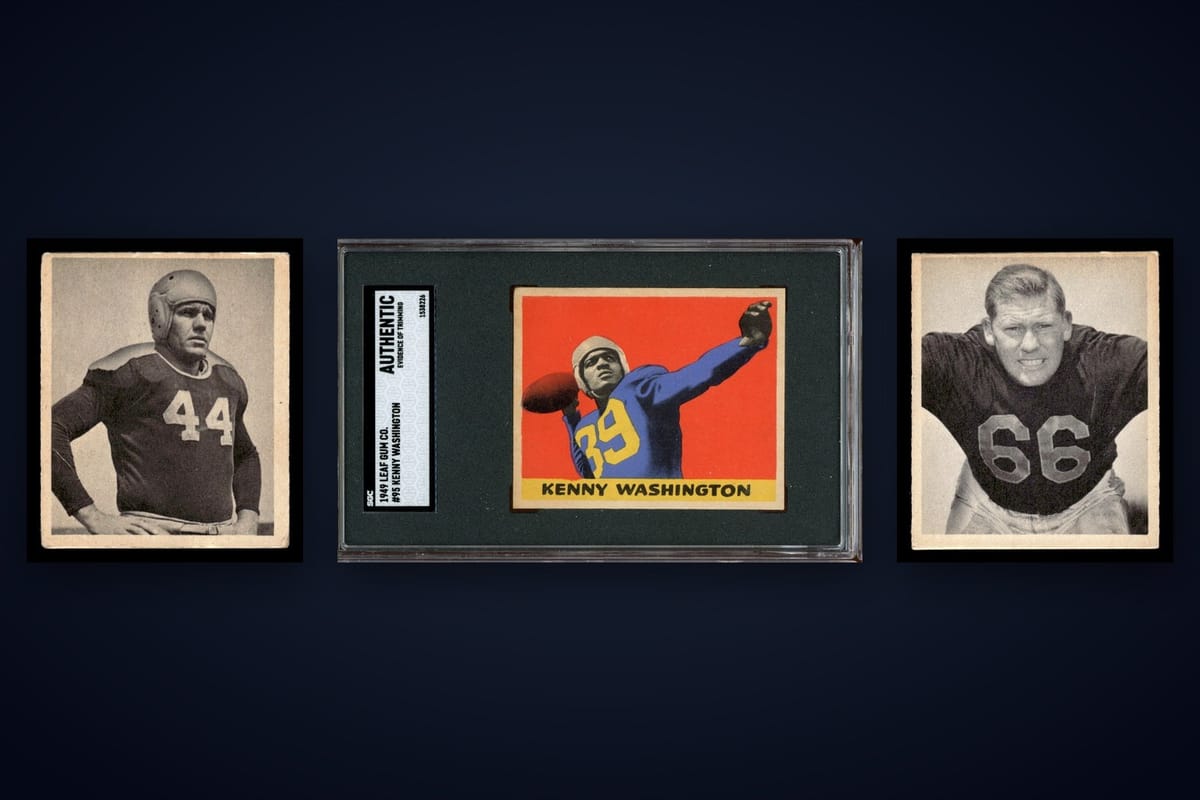
Kenny Washington #95 1949 Leaf |
$107.77 | $28,585 | +47.9% |
 |
Bulldog Turner #36 1948 Bowman |
$83.28 | $23,466 | +47% |
 |
Jim Brown #62 1958 Topps |
$550.00 | $153,619 | +45.4% |
 |
Paul Hornung #151 1957 Topps |
$348.45 | $72,685 | +42.9% |
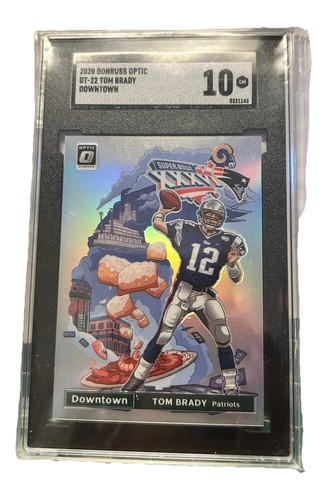 |
Tom Brady #DT-22 2020 Panini Donruss Optic Downtown |
$2,000 | $20,800 | +37.9% |
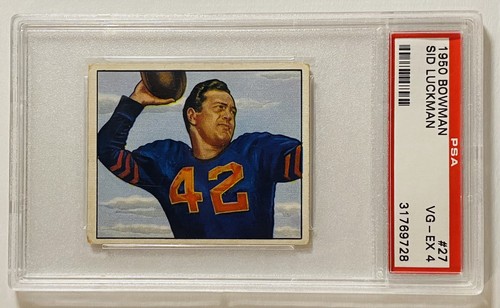 |
Sid Luckman #27 1950 Bowman |
$66.84 | $19,586 | +33.6% |
 |
John Unitas #138 1957 Topps |
$361.88 | $82,929 | +33.5% |
 |
Dick Butkus #31 1966 Philadelphia |
$284.88 | $42,832 | +29.7% |
 |
Tom Brady #130 2000 Spx |
$2,663 | $19,300 | +28.9% |
 |
Sid Luckman #1 1948 Leaf |
$214.96 | $58,598 | +26.6% |
![Tom Brady [Championship Ticket Autograph] #144 2000 Playoff Contenders card](https://i.ebayimg.com/images/g/f9sAAOSw7i1iC1yQ/s-l500.jpg) |
Tom Brady [Championship Ticket Autograph] #144 2000 Playoff Contenders |
$2,719 | $789,096 | +19.8% |
Look up any card's current raw and graded value in Midpoint — and get an estimated grade before you pay to submit.
1. Football Card Market September 2026: Rising Prices Explained
The football card market in September 2026 is characterized by an upswing in prices, especially for rookie quarterbacks and breakout candidates. This trend is influenced by fan enthusiasm, scarcity of low-numbered and autographed cards, and preseason performances boosting card demand. For a detailed analysis, see our Football Card Prices Rising September 2026: Top Market Movers.
For example, some 2026 Rookie QB Silvers and numbered parallels have seen increases in PSA 10 values over the last month, often outpacing base cards. Supply constraints due to grading bottlenecks may also restrict new graded card availability, potentially pushing prices higher.
- Rising raw card demand supports stronger base card prices.
- Scarcer parallels and autos often command premium price jumps.
- Grading delays from PSA, Beckett, and SGC can exacerbate supply tightness.
2. Recent Record Sales and Headline-Grabbing Football Card Comps
Several notable sales have captured collector attention, contributing to overall market confidence. For more on recent market trends, check out our Football Card Prices Rising September 2026: Top Market Moves post.
For instance, a 2026 Rookie QB Auto #12 PSA 10 sold for around $1,200 as of early September, reflecting a significant gain in recent weeks.
Similarly, breakout star WR numbered parallels have posted strong comps, with one 2026 Silvers #8 graded BGS 9.5 fetching approximately $650, a high mark for that subset. These sales help set benchmarks that influence seller asking prices across platforms.
- Top rookie QB autos lead notable sales.
- Strong comps lift parallel and holo card prices.
- Collectors use recent comps as pricing references for buying and selling.
3. Which Player Cards Are Leading the Rise?
Rookie quarterbacks remain a popular segment, with cards of top 2026 draft picks showing notable gains. Cards like the #12 Rookie QB Auto and Silvers numbered parallels are trending positively.
Beyond rookies, breakout candidates such as rising star wide receivers and versatile tight ends have also seen price appreciation, especially for autographed and low-pop parallels.
- Rookie QB cards have seen recent value increases in PSA 10 grades.
- Breakout WR and TE autos gaining momentum.
- Low-numbered parallels show scarcity-driven premiums.
4. Grading Bottlenecks and Price Increases Impact Values
PSA, Beckett, and SGC have increased grading fees and face longer turnaround times, creating bottlenecks that can limit the flow of freshly graded cards to market. This scarcity can drive up prices for already graded high-grade cards.
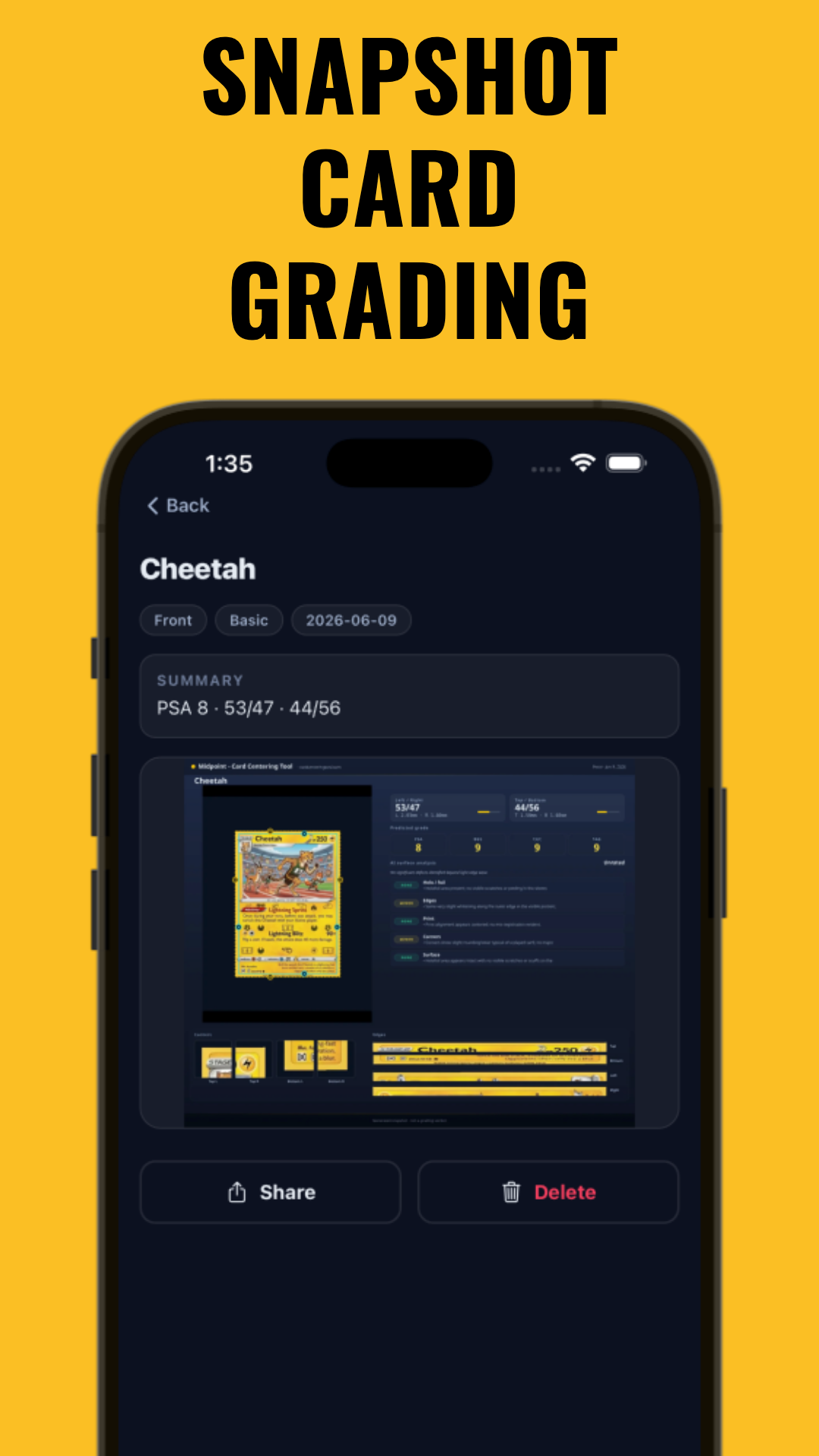
Collectors are also increasingly using AI grading tools like Midpoint to estimate card grades before submitting, which may reduce grading risks and improve timing strategies.
- Longer grading queues can restrict new supply.
- Higher fees encourage selective grading submissions.
- Midpoint’s AI estimates help avoid costly grading mistakes (how to pre-grade your card).
5. Supply, Demand, and Scarcity of Low-Numbered Parallels vs Base Cards
Scarcity of low-numbered parallels is a key factor pushing prices higher compared to more abundant base cards. Numbered parallels with prints under 100 copies have seen notable increases in raw and PSA 10 values.
Base cards remain relatively stable but are seeing modest gains thanks to overall market strength and rookie hype. Collectors often prioritize limited parallels and autographs for rarity and potential future upside.
- Low-numbered parallels show strong price gains.
- Base cards benefit from rookie demand but generally lag behind parallels.
- Collectors weigh scarcity heavily in buy, sell, or grade decisions.
6. Preseason and Training Camp Performance Influence Short-Term Prices
Player performance in preseason and training camp events can have a short-term impact on card prices. Players impressing early in training camp have sometimes seen their card prices increase within weeks.
This trend favors breakout candidates and rookies who exceed expectations, creating market momentum that collectors can watch closely.
- Strong training camp news can boost rookie and breakout candidate cards.
- Collectors monitor preseason reports to anticipate price moves.
- Short-term price swings create opportunities for timely buying or selling.
7. Strongest Football Card Types Right Now: Autos, Silvers, Holos, Numbered Parallels
Autographed cards remain highly sought-after, with Silvers and holo parallels also commanding premium prices. Numbered parallels, especially those under 50 copies, often outperform typical base cards.
This hierarchy is reflected in recent sales data, where autos and silvers have increased notably, while base cards have seen more modest growth.
- Autos lead with highest price appreciation.
- Silvers and holos attract premium collector interest.
- Numbered parallels benefit from scarcity-driven demand.
8. How to Determine Real Market Value: Sold Comps vs Live Asking Prices
Distinguishing true market value requires focusing on sold comps rather than inflated live asking prices. Sold data reflects what buyers are actually paying.
Tools like Midpoint provide comprehensive raw and graded market values and track portfolio performance, helping collectors spot fair prices and avoid overpaying.
- Sold comps reveal actual market trends.
- Live asking prices can be artificially high.
- Midpoint’s extensive card lookup database aids in verifying values.
9. 2026 Football Release Calendar and New Product Drops Impact
New product releases scheduled for late 2026 are influencing current prices as collectors anticipate fresh rookies and parallels entering the market. Early buzz around these releases helps sustain upward price momentum.
Collectors often use grading pre-evaluation tools to decide which cards to grade from new sets, timing submissions to maximize value.
- Upcoming releases drive collector excitement and demand.
- Selective grading of new cards can capture early price spikes.
- Monitoring release calendars helps plan buying and grading strategies.
Conclusion
Football card price movements in September 2026 reflect a market influenced by rookie quarterback demand, breakout stars, grading constraints, and scarcity of premium parallels. Savvy collectors may benefit by leveraging data-driven tools like Midpoint for grading estimates, market value tracking, and portfolio management. Understanding recent sales, grading impacts, and player performance trends can help inform buy, hold, or sell decisions as the 2026 season progresses.
For anyone navigating this fast-moving market, using Midpoint’s AI grading and comprehensive card database can be a helpful advantage—check it out at Midpoint to start mastering your collection today.
FAQ
Q: Why are football card prices rising in September 2026?
A: Prices have risen due to demand for rookie quarterbacks, breakout player cards, limited supply caused by grading delays, and scarcity of low-numbered parallels driving collector interest.
Q: Which football cards are going up the most right now?
A: Rookie QB autographs, silver parallels, and low-numbered parallel cards have experienced notable price increases, with some rising significantly in recent weeks.
Q: Are rookie quarterback cards still a good buy in 2026?
A: Rookie QB cards remain a popular segment with continued interest driven by new talent and preseason performance, making them candidates for investment and grading.
Q: How do grading company price increases affect football card values?
A: Higher grading fees and longer turnaround times can reduce new graded supply, potentially pushing up prices for existing graded cards, especially those with top grades.
Q: Is now a good time to buy football cards before prices climb further?
A: Monitoring preseason trends and using grading pre-evaluation tools like Midpoint can help identify promising cards before prices rise further.
Q: What football card releases in 2026 are worth watching for price spikes?
A: Late 2026 releases featuring new rookies and premium parallels are anticipated and may create price spikes, especially for autographed and low-numbered cards.
Free to start
Try the Midpoint app
Grade any card from a photo, see its raw and PSA 10 value, and track what your collection is worth — free.
Get it on iPhoneGet it on Android