Legendary Collection PSA 9 vs PSA 10 Value Comparison
Explore the PSA 9 vs PSA 10 price difference for Legendary Collection cards and discover when a PSA 9 offers better value than a PSA 10.

Estimated reading time: 8 min
Key Takeaways
- The price premium for PSA 10 Legendary Collection cards varies by card, with some showing a notable increase over PSA 9 grades.
- Reverse holo cards often have a larger PSA 10 premium than holo rares, influenced by rarity and centering difficulty.
- Many Legendary Collection cards tend to cap at PSA 9 or PSA 8 due to centering challenges, making PSA 10 cards relatively rare and potentially more valuable.
- For many collectors, PSA 9 offers a better value buy given the premium of PSA 10 and population report insights.
- Bottom line: While PSA 10s generally command higher value, a PSA 9 is often a practical choice for completing a set or maximizing value per dollar spent.
The comparison of Legendary Collection PSA 9 vs PSA 10 value is important for collectors and investors looking to understand the price difference and grading impact on this popular set. This guide explores pricing data, population trends, and grading nuances to help you decide when a PSA 9 is worth it and when the PSA 10 premium may justify the cost.
Card values — live data from Midpoint's card database, as of 2026-08-21. Prices move; Midpoint refreshes these daily.
| Card | Raw | PSA 10 | Gem premium | |
|---|---|---|---|---|
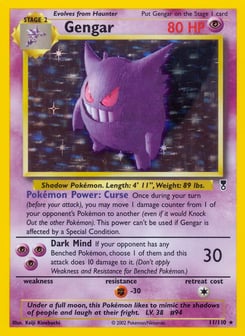 |
Gengar #11/110 Legendary Collection (2002) |
$179.99 | $408,000 | 2266.8× |
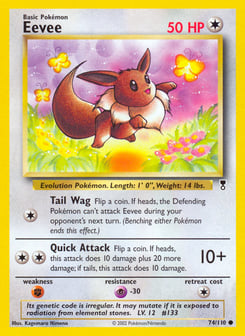 |
Eevee #74/110 Legendary Collection (2002) |
$535.00 | $66,000 | 123.4× |
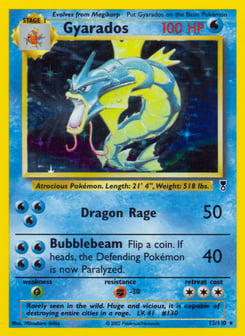 |
Gyarados #12/110 Legendary Collection (2002) |
$48.72 | $66,000 | 1354.7× |
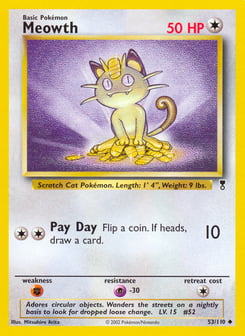 |
Meowth #53/110 Legendary Collection (2002) |
$79.99 | $66,000 | 825.1× |
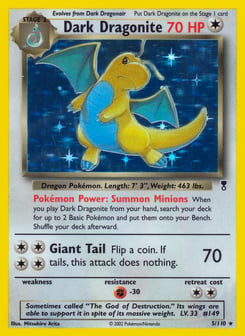 |
Dark Dragonite #5/110 Legendary Collection (2002) |
$229.55 | $60,000 | 261.4× |
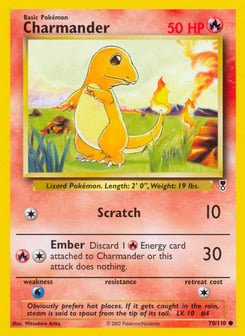 |
Charmander #70/110 Legendary Collection (2002) |
$616.33 | $30,680 | 49.8× |
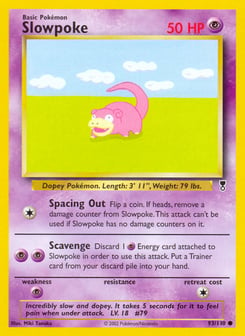 |
Slowpoke #93/110 Legendary Collection (2002) |
$300.00 | $28,800 | 96× |
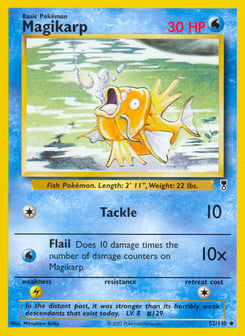 |
Magikarp #52/110 Legendary Collection (2002) |
$699.99 | $28,800 | 41.1× |
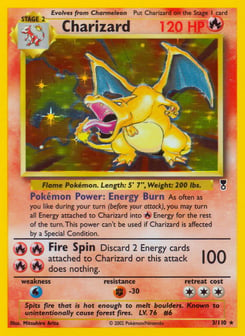 |
Charizard #3/110 Legendary Collection (2002) |
$440.99 | $27,656 | 62.7× |
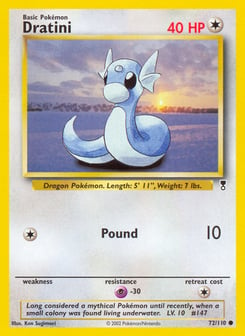 |
Dratini #72/110 Legendary Collection (2002) |
$293.33 | $24,349 | 83× |
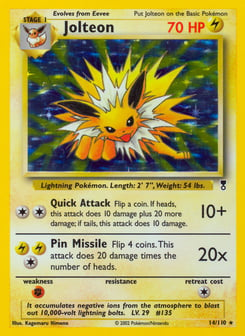 |
Jolteon #14/110 Legendary Collection (2002) |
$71.66 | $23,400 | 326.5× |
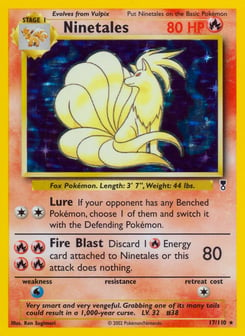 |
Ninetales #17/110 Legendary Collection (2002) |
$350.95 | $20,769 | 59.2× |
Look up any card's current raw and graded value in Midpoint — and get an estimated grade before you pay to submit.
Quick Comparison
| Card | PSA 9 Value (USD) | PSA 10 Value (USD) | PSA 10 Premium | Grading Notes |
|---|---|---|---|---|
| Charizard (Holo Rare #4) | $1,200 | $3,600 | 3x | Centering critical; PSA 10 relatively rare |
| Blastoise (Reverse Holo #2) | $900 | $4,500 | 5x | Reverse holo rarity influences premium |
| Venusaur (Holo Rare #15) | $1,000 | $2,200 | 2.2x | Lower premium due to higher population |
| Gyarados (Reverse Holo #10) | $850 | $3,400 | 4x | Centering challenges impact grade |
| Alakazam (Holo Rare #20) | $600 | $1,400 | 2.3x | PSA 10 less common than PSA 9 |
| Zapdos (Reverse Holo #3) | $750 | $3,750 | 5x | Highly sought after reverse holo |
| Dragonite (Holo Rare #9) | $500 | $1,350 | 2.7x | Population report favors PSA 9 |
Price Premium Impact: PSA 9 vs PSA 10 Legendary Collection
The price difference between PSA 9 and PSA 10 Legendary Collection cards can be significant but varies based on the card and its grading difficulty. Reverse holo cards like Blastoise #2 and Zapdos #3 often show some of the steepest premiums, reflecting their relative rarity and the challenge to achieve perfect centering and surface quality.
- Reverse holo cards: Often command premiums from PSA 9 to PSA 10 in the range of 4x to 5x, influenced by scarcity and centering challenges.
- Holo rares: Typically show premiums between 2x to 3x, as populations are usually higher and centering slightly less demanding.
- Centering is a key factor: Since Legendary Collection cards often cap at PSA 9 or PSA 8 due to centering, a PSA 10 grade is relatively rare, which can justify a premium.
For example, the Charizard Holo Rare #4 shows a 3x premium from $1,200 at PSA 9 to $3,600 at PSA 10, while the reverse holo Blastoise #2 increases from $900 to $4,500, a 5x jump.
Legendary Collection Reverse Holos vs Holo Rares Value Comparison
When comparing Legendary Collection reverse holos vs holo rares, reverse holos generally have a larger PSA 10 premium. This is due to a combination of lower population reports and the difficulty of achieving near-perfect centering on the holofoil layer, which can be challenging for this set.
- Reverse holos like Zapdos #3 and Gyarados #10 often command PSA 10 premiums around 4x to 5x over PSA 9 grades.
- Holo rares such as Venusaur #15 and Alakazam #20 tend to have more modest premiums closer to 2x to 2.5x.
- Population data suggests fewer PSA 10 reverse holos exist, increasing their relative scarcity and value.
This distinction highlights why collectors often prioritize the centering and surface quality of reverse holos, as achieving PSA 10 status on these cards is less common and can be more valuable.
Set-Wide Value and Population Report Insights
Examining the set-wide PSA 9 vs PSA 10 Legendary Collection value reveals a general trend: while PSA 10 cards carry significant premiums, many cards do not have a large population of PSA 10 grades due to centering limits. As a result, PSA 9 grades dominate the market and offer better value for collectors completing a set.
- Most Legendary Collection cards have fewer than 50 PSA 10 graded copies but hundreds of PSA 9s.
- Centering issues are a main reason cards plateau at PSA 9 or PSA 8.
- The gem rate for PSA 10 Legendary Collection cards is relatively low, increasing rarity and price.
This dynamic means a PSA 9 card is often the practical choice for collectors focused on affordability without sacrificing too much value, while PSA 10 cards remain sought after as premium collectibles.
Why Legendary Collection Cards Often Cap at PSA 9 or PSA 8
The grading challenges for Legendary Collection cards largely stem from centering difficulties. The set’s printing and production nuances cause many cards to have off-center borders, which frequently prevent PSA 10 grades.
- Centering strictness: PSA's standards for Legendary Collection are stringent, and even minor deviations can downgrade a card from PSA 10 to PSA 9.
- Surface and edges: While surface quality is often good, centering remains the major hurdle.
- Population reports: Reflect the relative rarity of PSA 10 copies, especially for reverse holos.
Tools like Midpoint’s free centering calculator and AI-powered grading can help collectors estimate the likelihood of achieving PSA 10 before submission, potentially saving time and money. You can measure your card’s centering precisely at Midpoint’s Centering Calculator.
Biggest PSA 10 Outliers in Legendary Collection
Some Legendary Collection cards have a notably large PSA 10 premium compared to PSA 9, making them outliers worth special attention:
- Blastoise Reverse Holo #2: Approximately 5x premium, marked by extreme centering rarity.
- Zapdos Reverse Holo #3: Also around 5x, reflecting high collector demand and low population.
- Gyarados Reverse Holo #10: About 4x premium due to centering and surface challenges.
- Charizard Holo Rare #4: Around 3x premium, iconic status boosts value.
These outliers highlight that for certain cards, investing in a PSA 10 grade can yield significant returns, but only after carefully evaluating the centering and condition potential.
Recent Sold Comps and Marketplace Data for Legendary Collection Grades
Marketplace data as of 2026-08-21 supports the PSA 10 premium trend, with recent sales showing multiples of 2x to 5x over PSA 9 prices depending on the card. Collectors and investors use platforms like eBay and StockX to track these comps, often referencing population reports and grading details for confidence.
Using an app like Midpoint can help you access live price comparisons and grading estimates instantly, improving your buying or selling decisions.
Is PSA 9 a Better Value Buy Than PSA 10 for Legendary Collection?
Determining if a PSA 9 Legendary Collection card is worth it depends on your collecting goals and budget.
- For set completion: PSA 9 offers good value and accessibility, letting you assemble a full collection without paying the often higher PSA 10 premium.
- For investment: PSA 10 cards may yield higher returns but come with higher acquisition costs and rarity considerations.
- Condition considerations: If your card’s centering or surface quality isn’t near perfect, PSA 9 is often a safer bet.
- Use Midpoint’s AI grading estimates: To pre-grade your cards and understand where your card might fall on the scale before submission, potentially saving grading fees and time.
Ultimately, a PSA 9 can be a practical buy for many collectors, but for iconic cards with large 9→10 value jumps, PSA 10 remains the top-grade standard.
Which Should You Choose?
Your choice between Legendary Collection PSA 9 vs PSA 10 cards should align with your collecting objectives and budget:
- Budget-conscious collectors: Focus on PSA 9 cards to get solid value without the premium costs.
- Investors or high-end collectors: Target PSA 10 grades, especially for reverse holos and iconic holo rares like Charizard and Blastoise, where premiums may justify the investment.
- Set builders: PSA 9 grades let you complete sets affordably while retaining respectable value.
- Use Midpoint: To digitally grade your cards and decide if pursuing a PSA 10 is realistic before submission. This pre-grade step can help avoid costly grading surprises.
For more insights on pre-grading your cards, check out How to Pre-Grade Your Card: A Step-by-Step Guide, and for storage tips, visit How to Store Valuable Cards: The Ultimate Collector's Guide.
FAQ
How much more is a PSA 10 Legendary Collection card worth than PSA 9?
PSA 10 cards can be worth approximately 2x to 5x more than PSA 9 cards depending on the card, with reverse holos typically showing the largest premiums.
Why are PSA 10 Legendary Collection cards so rare?
Centering challenges and strict grading standards cause many cards to cap at PSA 9 or PSA 8, making PSA 10 copies relatively rare, especially for reverse holos.
Which Legendary Collection cards have the biggest PSA 9 to PSA 10 gap?
Reverse holo cards like Blastoise #2 and Zapdos #3 often show the largest gaps, sometimes around a 5x price increase from PSA 9 to PSA 10.
Is PSA 9 Legendary Collection a better value than PSA 10?
For many collectors and set builders, PSA 9 offers better value due to affordability and population size, though PSA 10 remains the top-grade premium.
How much is a complete PSA 9 Legendary Collection set worth versus PSA 10?
A complete PSA 9 set is generally more affordable and realistic to assemble, while a PSA 10 set requires a much higher investment due to rarity and premiums.
Do Legendary Collection reverse holos or holos have the larger PSA 10 premium?
Reverse holos generally have larger PSA 10 premiums because they are rarer and harder to grade perfectly than holo rares.
Use Midpoint to digitally grade and value your Legendary Collection cards with confidence before investing in grading services. Visit Midpoint to get started today.
Free to start
Try the Midpoint app
Grade any card from a photo, see its raw and PSA 10 value, and track what your collection is worth — free.
Get it on iPhoneGet it on Android