MTG Card Prices Dropping November 2026: 9 Biggest Dips
MTG card prices dropping November 2026: see which Star Trek cards slid, why supply and reprints cool prices, and how to buy the dip without overpaying.

Estimated reading time: 8 min
Key Takeaways
- Several Star Trek singles, including U.S.S. Enterprise-D, Hugh, Locutus, Mr. Spock and Command Chair, are among the cards reported to be losing value as supply from opened product reaches the market.
- Falling MTG card prices usually come from supply, reprints and fading hype, not from a collapse in demand for the game.
- Not everything is sliding: Arzakon, Urza, Chief Artificer and a few other cards have held up or climbed.
- A dip is only an opportunity if you buy with a plan. For grading, a cheap copy that centers well is the smartest play.
MTG card prices dropping in November 2026 is not a surprise to anyone who has watched a new set's first weeks. Prices often start high on hype, then supply catches up. This guide ranks the cards and forces behind the slide so you can tell a temporary dip from a real downtrend. The card movements described here reflect reporting as of 2026-11-11. This article does not include specific price figures, so check a current price tracker for live numbers.
30-day price movers — live data from Midpoint's card database, as of 2026-11-11. Prices move; Midpoint refreshes these daily.
| Card | Raw | PSA 10 | 30-day | |
|---|---|---|---|---|
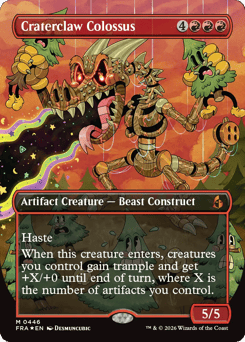 |
Craterclaw Colossus #446 Reality Fracture (2026) |
$19.41 | — | -80.4% |
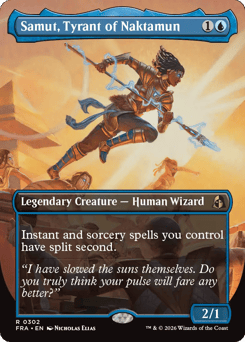 |
Samut, Tyrant of Naktamun #302 Reality Fracture (2026) |
$15.82 | — | -58.8% |
 |
Kwia Vigorbloom #410 Reality Fracture (2026) |
$25.43 | — | -55.5% |
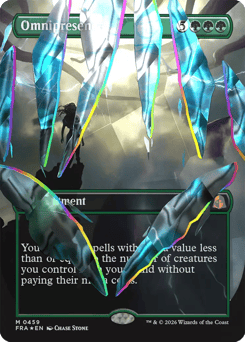 |
Omnipresence #459 Reality Fracture (2026) |
$273.46 | — | -54.1% |
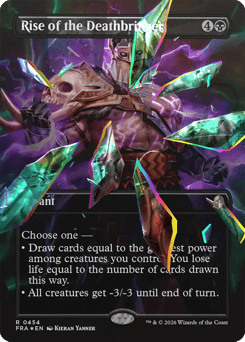 |
Rise of the Deathbringer #454 Reality Fracture (2026) |
$100.58 | — | -48.4% |
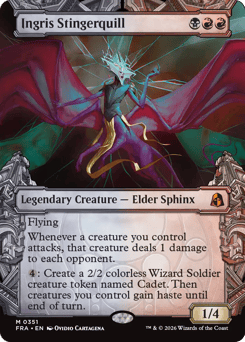 |
Ingris Stingerquill #351 Reality Fracture (2026) |
$12.85 | — | -47.9% |
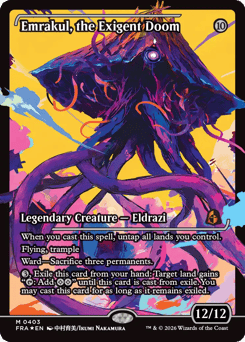 |
Emrakul, the Exigent Doom #403 Reality Fracture (2026) |
$39.34 | — | -45.5% |
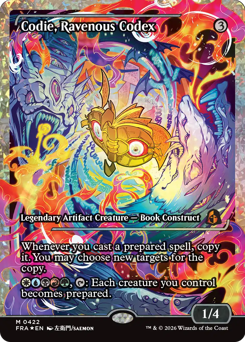 |
Codie, Ravenous Codex #422 Reality Fracture (2026) |
$144.50 | — | -45.4% |
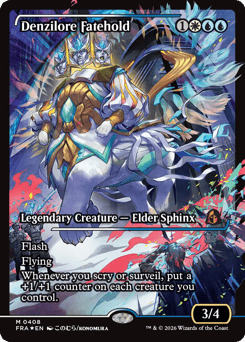 |
Denzilore Fatehold #408 Reality Fracture (2026) |
$17.74 | — | -44.4% |
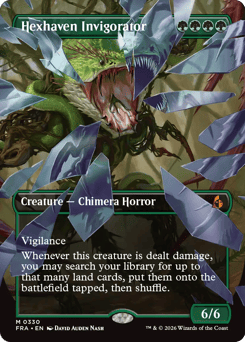 |
Hexhaven Invigorator #330 Reality Fracture (2026) |
$19.16 | — | -44.3% |
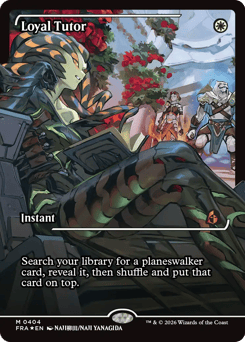 |
Loyal Tutor #404 Reality Fracture (2026) |
$18.68 | — | -42.9% |
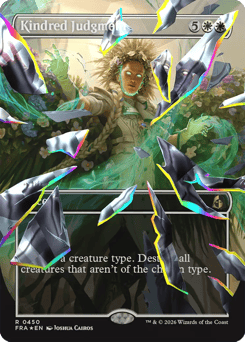 |
Kindred Judgment #450 Reality Fracture (2026) |
$104.36 | — | -41.7% |
Look up any card's current raw and graded value in Midpoint — and get an estimated grade before you pay to submit.
1. U.S.S. Enterprise-D: The Poster Child for Post-Release Decline
U.S.S. Enterprise-D is a headline card of the Star Trek release, which makes it a clear example of falling MTG card prices after release. Early demand for a headline card is driven by pre-orders and first-week scarcity. Once boxes are opened at scale, more copies reach the market.
That is the standard post-release curve. The earliest buyers often pay the highest premium, and the market then reprices to what players and Commander fans actually need.
- What to check: compare the current raw price with its launch-week level in a price tracker.
- What to ask: is it a Commander staple or a collector trophy? Trophies can keep falling until supply stabilizes.
2. Hugh: Fan-Favorite Characters Don't Guarantee a Floor
Hugh is on the decliners list too. Nostalgic characters often spike when a set is announced and cool off when the nostalgia buyers have been served.
This is a core reason MTG cards lose value early: hype often fades faster than supply shrinks. A beloved character in a set that is printed heavily has little scarcity to hold the price.
- Check whether the card sees real Commander or tournament play.
- Look at the gap between raw and PSA 10 value in Midpoint's card lookup. A narrow gap can mean the market doesn't see grading upside.
3. Locutus: Borg Hype Meets Real Supply
Locutus appears to follow the same pattern. Strong thematic appeal likely drove early prices, and increased supply is now pulling them down.
For a card like this, the question is whether it has a deck that wants it or only a story that sells it. Cards with a home in Commander decks tend to find a floor sooner. Pure fan-appeal cards can keep sliding until something changes demand, such as a reprint or a ban shake-up.
4. Mr. Spock: Iconic Names Still Obey Supply and Demand
Mr. Spock is another headline name on the decliners list. It shows that character recognition alone doesn't protect a price once the print run is out in the wild.
- Watch for: flattening. When the daily drop shrinks, the market may be finding its level.
- Be wary of: catching a card on its way down just because the percentage drop looks big.
Big percentage drops mean the card was priced high to begin with. They do not automatically mean it is cheap now.
5. Command Chair: Commander Products Add Pressure
Command Chair is a useful reminder that Commander-focused products can add a lot of copies to the market. Precon-driven supply can push down singles that looked scarce at launch.
Commander players buy singles to upgrade decks, but a card included in a widely sold product tends to have a ceiling. Commander products, Play Boosters, Collector Boosters and Secret Lair drops also behave differently:
- Play Boosters: high volume, so supply can swell quickly.
- Collector Boosters: premium treatments often hold value better, but they are chased heavily by collectors, so prices can be more volatile.
- Commander products: add steady supply for staples and can cap prices.
- Secret Lair: limited-time drops, so scarcity works differently and the price depends on the drop's reception.
6. Reprint-Hit Singles: The List and Commander Products
Reprints are one of the strongest forces behind falling MTG card prices. When a card appears in The List or in a Commander product, its supply grows without any change in demand. The price tends to adjust accordingly.
The effect is not always immediate. Often a reprint is announced, the price slips on speculation, and then it may drop further once the product ships and copies are opened.
- Before buying any single, check whether a reprint is plausible. Staples in recent Commander decks are prime candidates.
- Treat any card whose only appeal is rarity as vulnerable.
- Prefer cards with unique printings, like specific foils or promos, where a reprint doesn't touch the same version.
If you are weighing grading, a reprint risk matters less for a rare treatment that stays distinct from the new printing.
7. Black Friday Discounts on Booster Boxes: A Double-Edged Sword
Retailer discounts on sealed boxes can be a significant November influence. When boxes get cheaper, more people may open them, and opened boxes produce more singles. Cheaper sealed product can put pressure on the singles market.
Nobody can promise where prices land through Black Friday, so treat any forecast skeptically. What you can do is watch two signals:
- Sealed price trend: if boxes keep getting discounted, singles from that set may soften further.
- Liquidity: cards that sell constantly tend to hold prices better than cards with few sales.
Tournament demand and Commander popularity can offset some of this. A card that is needed in a competitive deck or a popular Commander build may recover faster than one with no deck demand.
8. Cards Still Rising: Arzakon, Urza, Chief Artificer and Other Gainers
The November market is not uniformly red. Arzakon and Urza, Chief Artificer are among the cards that have gone up despite the broader decline. That suggests demand for playable, deck-defining cards persists even when the market cools.
Gainers often share a trait. They solve a problem in a popular deck, or they anchor a Commander archetype that keeps getting new players.
- Gaining cards are not automatically safe buys. Chasing a rise can mean paying the peak.
- Use them as a signal for where real demand lives, then look for similar cards that have not moved yet.
9. How to Buy the Dip: Grade a Cheap Copy That Centers Well
Falling prices can be a good moment to buy the dip, especially if you grade. A lower raw price shrinks your cost basis. If a cheap copy also has strong centering, your upside from a high grade improves.
Centering is the part you can measure before paying anything. Our guide on how centering impacts card value explains why it often decides whether a card is worth submitting. To check a copy yourself, follow the steps in how to pre-grade your card.

- Pick a card that has fallen but still has real deck demand.
- Compare raw against PSA 10 value in a lookup. A wide gap is where grading pays.
- Measure centering on the copies you can buy. Midpoint measures centering and gives instant PSA, BGS, CGC and TAG estimates before you spend on grading.
- Only submit copies whose centering, corners, edges and surface all look strong.
Remember that grading fees, wait times and a PSA 10 that does not materialize can all erase the savings. Not every dip card is a grading candidate.
Conclusion
MTG card prices dropping in November 2026 is mostly a supply story. Star Trek singles like U.S.S. Enterprise-D, Hugh, Locutus, Mr. Spock and Command Chair show how fast hype can fade once boxes are opened. Reprints and discounted sealed product can add more pressure, while cards like Arzakon and Urza, Chief Artificer show demand still exists where decks need it.
A dip is an opportunity only when the card has real demand, limited reprint risk and a price you can justify. If you grade, let measurable centering guide your choice. For the details of each company's standards, see grading scale differences by company, and try Midpoint free on iOS and Android to track your collection's value as the market moves.
FAQ
Q: Why are MTG card prices dropping in November 2026?
A: Mainly supply. New-set singles tend to fall as opened product reaches the market, reprints add copies, and launch hype fades. Black Friday sealed discounts can add further pressure.
Q: Which MTG cards dropped the most in price this week?
A: Among the reported decliners are Star Trek cards such as U.S.S. Enterprise-D, Hugh, Locutus, Mr. Spock and Command Chair (as of 2026-11-11). Check a current price tracker for exact figures.
Q: Are Star Trek MTG cards still falling after release?
A: Many appear to be. Increased supply after release is pushing several headline singles down, though playable cards with deck demand tend to stabilize sooner.
Q: Will MTG card prices keep dropping through Black Friday 2026?
A: Nobody can say for sure. Discounted sealed product can add supply and keep singles soft, but cards with strong tournament or Commander demand can hold up.
Q: Should I buy MTG singles while prices are down?
A: Only with a plan. Favor cards with real deck demand and low reprint risk, and avoid buying purely because the percentage drop looks large. For grading, choose a cheap copy with strong centering.
Q: How do reprints and increased supply affect MTG card prices?
A: More copies with unchanged demand tend to lower prices. Inclusion in The List, a Commander product or a heavily opened set can cut a single's value, while distinct treatments are usually less affected.
Free to start
Try the Midpoint app
Grade any card from a photo, see its raw and PSA 10 value, and track what your collection is worth — free.
Get it on iPhoneGet it on Android