MTG Card Prices Dropping November 2026: 9 Things to Know
MTG card prices dropping November 2026? See why falling MTG card prices hit Star Trek and Commander singles, and how to buy the dip or sell smart.

Estimated reading time: 8 min
Key Takeaways
- MTG card prices dropping in November 2026 is often largely a supply story: mass openings, reprints and holiday inventory clearing can all push singles down at once.
- Newly released sets, especially Star Trek singles and Commander cards, often lose value fastest because supply tends to peak right after launch.
- A dip is not the same as lost demand. Check sold listings, 7-day and 30-day trends, format demand and reprint risk before you buy or sell.
- Raw, foil, alternate-art and PSA 10 copies can fall at different speeds. A cheap raw copy that centers well can be a smart grading candidate.
MTG card prices dropping in November 2026 has a lot of collectors asking whether Magic is cooling off or just taking a seasonal breather. Often it is the second, though no one can say for certain. Still, MTG cards losing value can sting if you opened a pile of new singles at peak price.
This guide covers the causes behind falling MTG card prices, the card types most exposed, and how to use the MTG card market in November 2026 to your advantage. Every card name below is an example to verify yourself, not a price claim, so check current sold prices and note the date you looked.
30-day price movers — live data from Midpoint's card database, as of 2026-11-13. Prices move; Midpoint refreshes these daily.
| Card | Raw | PSA 10 | 30-day | |
|---|---|---|---|---|
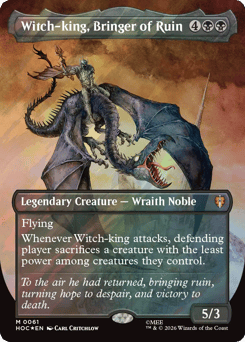 |
Witch-king, Bringer of Ruin #61 The Hobbit Eternal (2026) |
$21.33 | — | -35% |
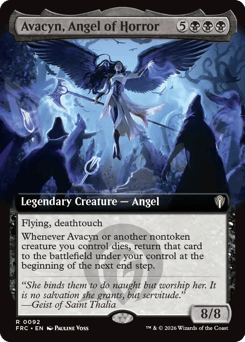 |
Avacyn, Angel of Horror #92 Reality Fracture Commander (2026) |
$17.10 | — | -22.8% |
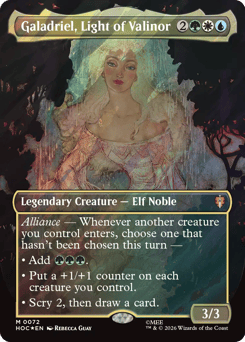 |
Galadriel, Light of Valinor #72 The Hobbit Eternal (2026) |
$143.83 | — | -17.1% |
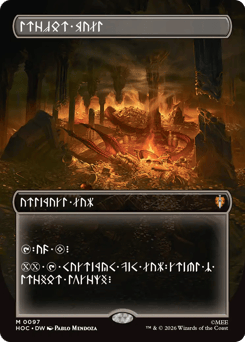 |
Treasure Vault #97 The Hobbit Eternal (2026) |
$68.80 | — | -16.3% |
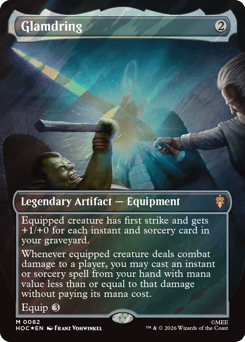 |
Glamdring #82 The Hobbit Eternal (2026) |
$13.37 | — | -16.2% |
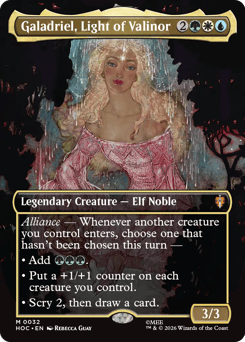 |
Galadriel, Light of Valinor #32 The Hobbit Eternal (2026) |
$37.25 | — | -15.4% |
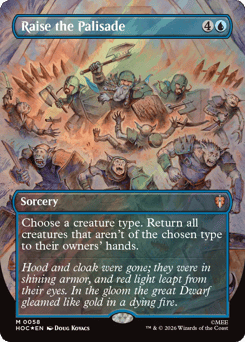 |
Raise the Palisade #58 The Hobbit Eternal (2026) |
$20.83 | — | -15% |
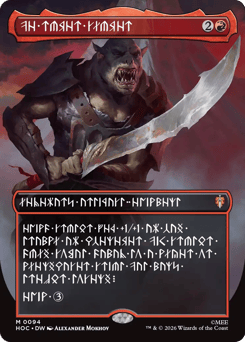 |
The Reaver Cleaver #94 The Hobbit Eternal (2026) |
$77.19 | — | -14.1% |
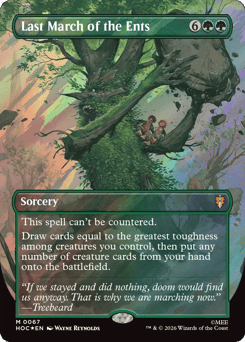 |
Last March of the Ents #67 The Hobbit Eternal (2026) |
$45.61 | — | -13.9% |
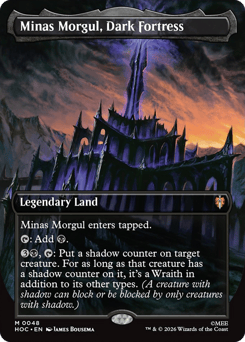 |
Minas Morgul, Dark Fortress #48 The Hobbit Eternal (2026) |
$13.81 | — | -12.2% |
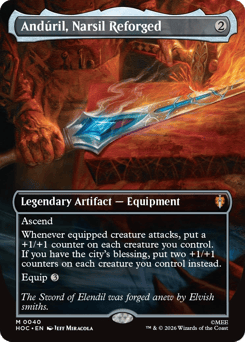 |
Andúril, Narsil Reforged #40 The Hobbit Eternal (2026) |
$11.46 | — | -12.1% |
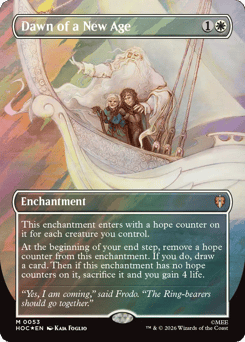 |
Dawn of a New Age #53 The Hobbit Eternal (2026) |
$12.40 | — | -11.5% |
Look up any card's current raw and graded value in Midpoint — and get an estimated grade before you pay to submit.
1. Start With the Data: A 30-Day, Raw vs PSA 10 Check
Before you act on any headline, pin down the window you are measuring. A card that looks like it crashed over a week may be flat over a month, or the reverse. Record the date of every price you check so you always know what you are comparing against.
Build the same habit for your own cards:
- Compare 7-day and 30-day trends. A 7-day dip inside a flat 30-day line is noise. A steady 30-day slide is a trend.
- Use sold listings, not asking prices. Asking prices lag and can sit unsold for weeks.
- Look at raw and PSA 10 separately. They often move at different speeds (see item 7).
- Note the marketplace. Different marketplaces and vendors price differently, so compare like with like.
You can look up raw versus graded values for over 1.5 million cards, Magic included, in Midpoint, which makes this check fast.
2. Star Trek Singles and Commander Cards Are Exposed
New, hyped sets are the classic home of MTG cards losing value. Star Trek singles and the Commander cards tied to them are the kind of cards that tend to be most exposed, so check any of them individually rather than assuming.
The reason is structural. Early prices reflect scarcity and excitement before most of the supply exists. Once sealed product is opened at scale, copies can flood the market and the price tends to find a new floor.
- Commander-first cards depend on casual demand, which is broad but price-sensitive.
- Thematic crossover cards can get a launch bump from fans of the franchise, and that bump may fade.
- Set-wide softness matters. When most of a set drifts down together, it points to supply, not a problem with one card.
Check the current numbers for any of these before you assume anything. A card can look "cheap" and still have further to fall.
3. Mass Openings and Falling Sealed-Box Prices
Singles prices tend to follow sealed product. In the first weeks after a release, large numbers of boxes get opened, and every opened box adds copies of the chase cards to the market.
Watch the sealed side for clues:
- Sealed box prices falling can mean retailers are discounting, which often signals ample supply.
- Heavy opening can push down the singles you would otherwise hold as a store of value.
- Sealed prices stabilizing can be an early sign that singles are near a floor.
If you bought singles at launch, you were effectively paying a hype premium. That premium is what may be deflating now.
4. Reprints Through The List, Commander Products and Supplemental Sets
Reprint risk is the quiet killer of MTG prices. A card is only scarce until Wizards of the Coast prints it again (Reserved List cards are the exception). Supplemental releases such as The List and Commander products add supply without disrupting Standard.
Ask three questions before holding a card long term:
- Has it been reprinted before? A card with a reprint history is more likely to get another.
- Is it a Commander staple? Staples are prime candidates for Commander precon inclusion.
- Is it only in one expensive printing? Single-printing cards carry the most downside if a reprint lands.
A reprint does not always crash a card. High-demand staples can hold up, while lesser cards can fall hard. The key is that the downside risk is real and asymmetric.
5. Standard Rotation, Metagame Shifts and Playability
Constructed staples live and die by tournament demand. When a card rotates out of Standard, or the metagame moves away from a strategy, demand from players tends to drop and prices often follow.
Standard-driven cards usually track rotation news and format health, while Commander favorites are generally more sensitive to casual demand and reprint risk than to tournament results. Check where each card you care about sits today rather than assuming it moves like the rest of the market.
- Rotating soon: expect demand to soften as players sell before rotation.
- Metagame loses a deck: the key cards for that archetype can cool quickly.
- Ban announcements: they can move prices sharply in either direction.
Playability is the best demand anchor you have. A card people actually sleeve up tends to hold value better than one people only admire.
6. November Seasonality, Holiday Clearing and Black Friday
Part of what looks like a crash may just be the calendar. Collectors and stores often clear inventory heading into the holidays, and Black Friday discounts can pull prices lower. Some collectors also report that winter is a softer stretch for hobby markets, though this varies year to year.
What that can mean in practice:
- More sellers, same number of buyers pushes prices down on the margin.
- Discount events can reset what buyers consider a fair price.
- Cash-needy sellers may list below market to move cards before the holidays.
Seasonal softness is often temporary. It is a reason to buy carefully, not a reason to panic-sell.
7. Raw, Foil, Alternate-Art and PSA 10 Prices Fall Differently
One card has many prices. In a decline they rarely move in lockstep.
- Raw nonfoil: the most supplied version, so often the first to slide.
- Foils: usually carry a premium, but that premium can compress when supply grows.
- Alternate-art and showcase versions: priced on collector appeal, which can hold up better or fade faster depending on hype.
- PSA 10 copies: a thinner market means fewer sales, so prices can look stable until a few sales reset them.
The gap between raw and PSA 10 matters because it sets your grading math. Compare it using current sold prices, and keep in mind that grading fees vary by company and service level but eat into any spread. For how company scales differ, see this guide to grading scale differences by company.
8. Temporary Correction vs Long-Term Loss of Demand
This is the most useful skill in a falling market. Use these signals to tell the difference.
Signs of a temporary correction:
- The card is still played, or still a Commander staple.
- Sales volume holds up even as prices dip.
- No reprint is announced and supply is not obviously growing.
- The 30-day line is flattening after an early drop.
Signs of lost demand:
- The card is rotating out or the strategy fell out of the metagame.
- It has been or is likely to be reprinted.
- Sold listings keep trending down and volume is thin.
- It was only ever a novelty or hype pick.
Recovery is never guaranteed. Cards with real play demand and limited supply tend to have the best odds of bouncing back after the post-release correction.
9. MTG Cards to Buy the Dip: A Practical Checklist
If you want to buy the dip, discipline beats instinct. Run any target through this checklist:
- Demand: is there a format that actually wants this card?
- Reprint risk: low is good. High means wait.
- Trend: a flattening 30-day line beats a falling knife.
- Sold prices: buy near recent sales, not at optimistic asks.
- Timing: Black Friday discounts may offer better entries than early November.
Scale in rather than buying everything at once, and avoid pouring money into cards that only look cheap relative to launch hype. If you are sitting on the other side, selling cards you do not play before further softening is reasonable, but do not dump staples with solid demand into a seasonal low.
10. Grade a Cheap Copy That Centers Well
A dip is also a chance to buy a copy worth grading cheaply. When the raw price is low, a well-centered copy has more upside if it reaches a high grade, because the grading fee is a smaller share of your total cost.
Centering is the first thing to check, since it is easy to measure and impossible to fix. Our guide on how centering impacts card value explains why, and you can run a quick check with the free centering calculator.

Midpoint also gives estimated PSA, BGS, CGC and TAG grades from centering, corners, edges and surface, so you can decide before you pay to submit. For the full workflow, follow this step-by-step pre-grading guide.
- Skip copies with obvious off-center borders, since they rarely reach the top grade.
- Prioritize cards with a large raw-to-PSA 10 gap.
- Protect whatever you buy from the start so you do not lose condition.
Conclusion
MTG card prices dropping in November 2026 is best read as a mix of supply, reprint risk, rotation effects and seasonal softness, not a verdict on Magic itself. New Star Trek singles and Commander cards are likely among the most exposed, while staples with real play demand are generally better placed to recover.
Track the cards you care about, use sold listings and 30-day trends, and treat the dip as an opportunity only when demand and reprint risk back it up. To track your portfolio and check centering before you grade, try Midpoint, free on iOS and Android.
FAQ
Q: Why are MTG card prices dropping in November 2026?
A: Several forces can overlap: mass openings and growing supply of new sets, falling sealed-box prices, reprints through The List and Commander products, Standard rotation and metagame shifts, and seasonal holiday selling and Black Friday discounts.
Q: Which MTG cards are losing the most value right now?
A: Newly released singles tend to fall fastest, especially Star Trek cards and Commander cards. Check current sold prices for the specific cards you care about before you act.
Q: Why are Star Trek MTG cards dropping so fast?
A: Launch prices often include a hype and scarcity premium. As boxes are opened and supply spreads, that premium tends to fade, and set-wide softness can follow.
Q: Is this a good time to buy the dip on MTG cards?
A: It can be, if the card has real format demand, low reprint risk and a flattening 30-day trend. Buy near recent sold prices and consider waiting for Black Friday discounts.
Q: Will MTG card prices recover after the November 2026 drop?
A: Some may, mainly cards with steady play demand and limited supply. Cards facing rotation, reprints or fading hype may not recover. No recovery is guaranteed.
Q: Should I sell my MTG cards before Black Friday or wait?
A: Consider selling cards you do not play or that face reprint or rotation risk, since seasonal pressure may continue. Hold staples with solid demand rather than selling into a seasonal low.
Free to start
Try the Midpoint app
Grade any card from a photo, see its raw and PSA 10 value, and track what your collection is worth — free.
Get it on iPhoneGet it on Android