One Piece Card Prices Rising November 2026: Top Movers
One Piece card prices rising November 2026: the risers, fallers, raw vs PSA 10 gaps, and whether to buy, hold, sell or grade, with values as of 2026-11-06.

Estimated reading time: 9 min
Key Takeaways
- One Piece card prices rising in November 2026 are concentrated in a handful of scarce, character-driven or tournament-linked cards, not the whole market.
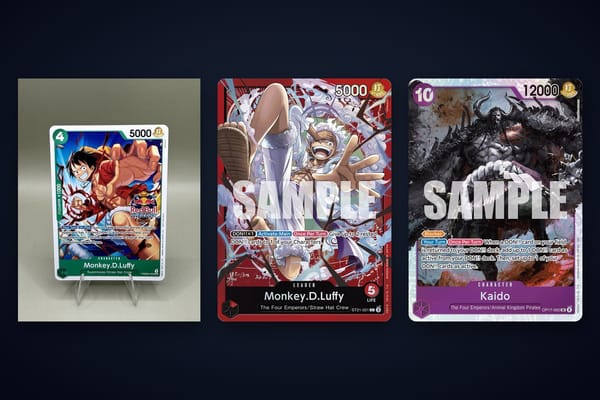
- Nojiko EB-05-057, San-Gorou OP-05-065, Koby Treasure Cup and Celebration Pack Chopper are the names reported as November movers.
- OP-17 singles show the other side of the market: new-set supply and fading momentum can pull many cards down.
- Raw and PSA 10 prices tell different stories. A rising graded price does not always mean the raw card is rising too.
- Verify any spike on sold listings before buying, and pre-grade before you pay to submit.
The One Piece card market in November 2026 is moving unevenly. One Piece card prices rising in November 2026 are a real pattern, but only in specific pockets: promos, event cards, alt arts and fan-favorite characters. This guide walks through the trending One Piece cards, the weak spots, and how to decide whether to buy, hold, sell or grade. Raw and PSA 10 values in the table in this post are as of 2026-11-06, so check that table for exact numbers. The prose below sticks to direction and context rather than repeating them.
30-day price movers — live data from Midpoint's card database, as of 2026-11-06. Prices move; Midpoint refreshes these daily.
| Card | Raw | PSA 10 | 30-day | |
|---|---|---|---|---|
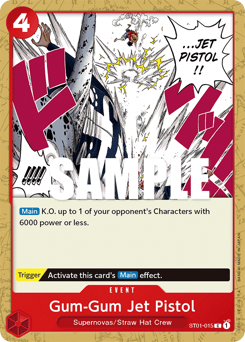 |
Gum-Gum Jet Pistol #ST01-015 Straw Hat Crew (2022) |
$27.74 | $507.03 | +24.9% |
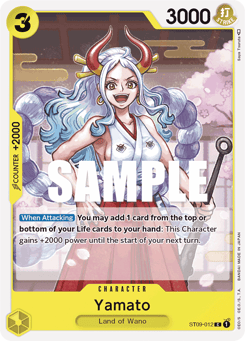 |
Yamato #ST09-012 Yamato (2023) |
$16.22 | $117.28 | +19.5% |
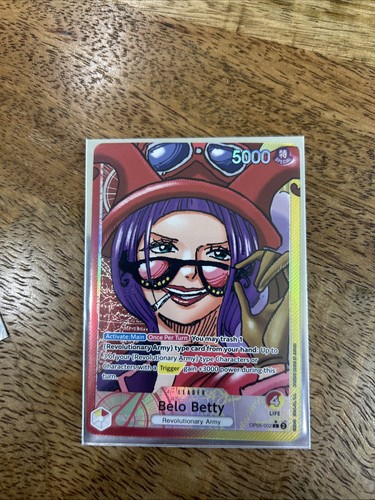 |
Belo Betty [Alternate Art] OP05-002 One Piece Awakening of the New Era |
$29.69 | $60.00 | +16.5% |
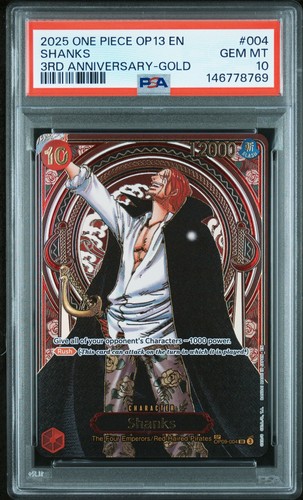 |
Shanks [Gold] OP09-004 One Piece Carrying on His Will |
$1,440 | $2,748 | +14.8% |
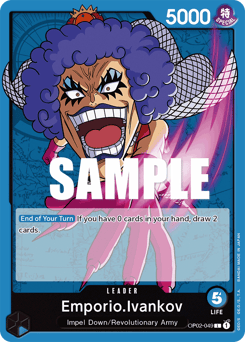 |
Emporio.Ivankov #OP02-049 Paramount War (2023) |
$39.65 | $93.33 | +5.2% |
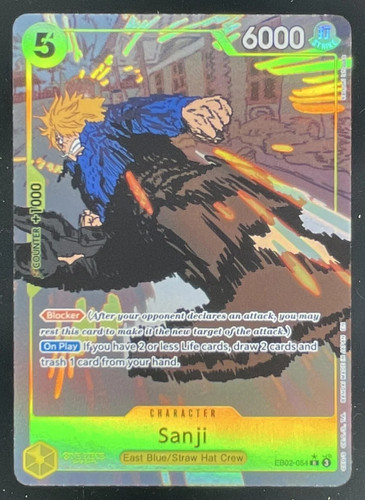 |
Sanji [Promotion Pack EX] EB02-054 One Piece Japanese Extra Booster Anime 25th Collection |
$37.32 | $119.92 | 0% |
 |
Silvers Rayleigh [Manga] OP08-118 One Piece Two Legends |
$480.00 | $892.50 | 0% |
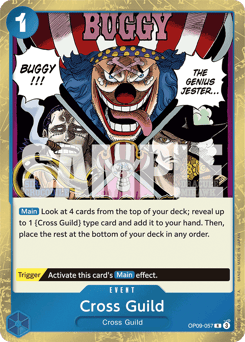 |
Cross Guild #OP09-057 Emperors In The New World (2024) |
$285.87 | $435.97 | -0.4% |
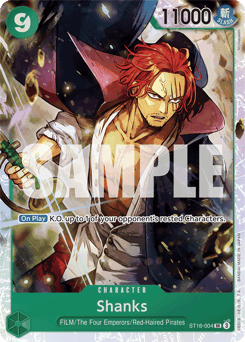 |
Shanks #ST16-004 GREEN Uta (2024) |
$163.41 | $279.21 | -2.6% |
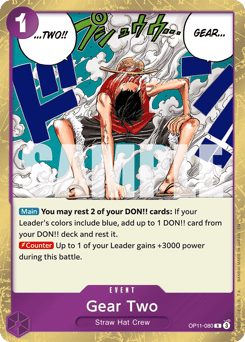 |
Gear Two #OP11-080 A Fist Of Divine Speed (2025) |
$251.31 | $433.08 | -2.7% |
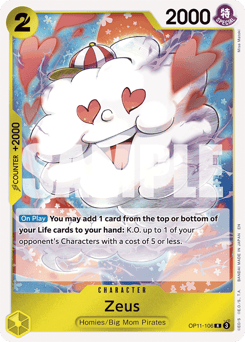 |
Zeus #OP11-106 A Fist Of Divine Speed (2025) |
$28.06 | $86.19 | -5.3% |
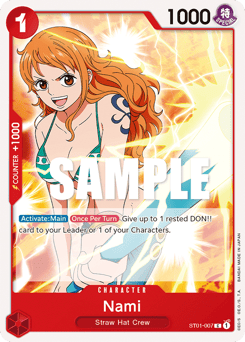 |
Nami #ST01-007 Straw Hat Crew (2022) |
$229.65 | $391.93 | -5.5% |
Look up any card's current raw and graded value in Midpoint — and get an estimated grade before you pay to submit.
1. Nojiko EB-05-057: A Character Card Gaining Attention
Nojiko EB-05-057 is one of the cards named among November's risers. Nojiko is not a headline-grabbing Straw Hat, which is what makes the move interesting. Mid-tier characters can have shallow supply on the market, so a small burst of buying may move the price quickly.
Cards like this often rise when a few listings sell out and the next lowest ask is much higher. That is a thin-market move, not necessarily a sign of broad demand.
- What to check: how many copies sold in the last 30 days, not just the current asking price.
- Raw vs graded: compare the raw price to the PSA 10 price in the table before deciding to grade.
- Risk: thin-market spikes can reverse once a few sellers list.
2. San-Gorou OP-05-065: Older-Set Strength
San-Gorou OP-05-065 comes from OP-05, a set that is now well past its release window. When an older-set card climbs, supply is often part of the story. Most of those packs were opened long ago, and copies in clean condition can keep getting absorbed by collectors and players.
Older-set risers tend to be steadier than new-set spikes, because the price is not riding release hype. That can make them better candidates for a hold than for a quick flip, though nothing is guaranteed.
- Look at the 90-day trend, not just the last week.
- Check whether the price rise is across raw and graded or only one of them.
- Be careful with condition: centering and surface on older prints vary a lot.
3. Koby Treasure Cup: Tournament-Linked Scarcity
Koby Treasure Cup is a tournament-linked card, and those behave differently from pack pulls. Supply is capped by who played, who won and who kept their copy. Nobody can open more boxes to create more of them.
That scarcity is why championship and event cards often show sharp percentage changes on small volume. One or two sales can reset the visible price. Treat a single sale as a data point, not a trend.
- Wait for several sold listings at a similar level before trusting a price.
- Watch condition notes. Event cards can arrive with edge wear or off-center cuts.
- Confirm authenticity, especially on high-value promos.
4. Celebration Pack Chopper: Popularity Meets Limited Supply
Celebration Pack Chopper combines two common price drivers: a very popular character and a limited-distribution product. Chopper is a consistent fan favorite, so demand can come from both players and collectors who simply want the character.
Popular-character cards often hold value better than cards that rely on competitive play alone. Competitive demand can fade after a ban or a shift in the meta, while fan demand tends to be more durable.
- Good sign: price rising while listings stay scarce.
- Warning sign: price rising on a single buyer's repeated purchases.
5. High-Value Promo, Championship and Alt-Art Cards
Beyond the four named risers, the broader group of promo, championship, alternate-art and foil cards makes up much of the market's top end. These cards drive headlines about the most expensive One Piece cards, and they are also often the most volatile.
Their prices usually move for a few reasons: very low supply, collector chasing, and grading. A rare alt art with few graded copies can jump when one collector decides to complete a set.
- Check the table in this post for raw and PSA 10 figures as of 2026-11-06.
- Expect wide bid-ask gaps on the rarest cards.
- Check grading for low population cards before assuming a scarce card is an easy win.
6. OP-17 Singles: The Fallers and Weak Spots
Not every One Piece card is going up. OP-17 singles are reported among the weaker performers in November, and that is a familiar pattern. New sets bring a flood of supply as boxes are opened. Early prices are often inflated by hype, then drift down as more copies reach the market.
Many OP-17 cards appear to be losing momentum rather than collapsing. That distinction matters. A card sliding gently may be finding its real level, while one dropping fast may be a casualty of overpricing at launch.
- Compare 30-day and 90-day changes for each card, not only the week.
- Bulk rares and commons from new sets often do not recover.
- Only chase chase cards, such as top alt arts, when you are comfortable with release-window volatility.
7. Raw vs PSA 10: How Grading Distorts Apparent Increases
One of the most misunderstood parts of the One Piece card market in November 2026 is the gap between raw and graded prices. A PSA 10 premium reflects the odds of hitting a perfect grade as well as the card itself. If most copies come back as PSA 9, the PSA 10 tends to get a large premium.
That is also why a rising PSA 10 price can look like a market surge while the raw price barely moves. Sometimes it just means fewer PSA 10s are listed.
- Look at the raw price and the PSA 10 price side by side in the table.
- Subtract grading fees and shipping before calling a graded price a profit.
- Centering is a common reason a card misses a 10. Read how centering impacts card value.
Before you pay $30 or more per card, run it through Midpoint to get an estimated PSA, BGS, CGC and TAG grade from centering, corners, edges and surface.
8. Booster Boxes, Cases and Singles Economics
Price moves in singles feed back into sealed product. When a few chase cards rise, the expected value of a box rises with them. When most of a set's singles fall, as reportedly with OP-17 right now, box math gets worse.
Release windows are often the most volatile time. Box prices often run high early, then settle as supply arrives. Singles from the same set may dip at the same time.
- Boxes: compare the box price to the realistic value of the top few hits, not the best-case pull.
- Cases: more packs, which smooths out luck somewhat, but a larger capital commitment.
- Singles: usually the cheaper way to get a specific card, especially after launch hype fades.
9. Why Prices Are Moving: The Real Drivers
When you see One Piece cards going up in value, it is rarely one cause. The main forces that can drive movement like November's are:
- Scarcity: promos and event cards have fixed supply.
- Tournament demand: competitive-viable cards can rise before big events.
- Character popularity: fan favorites like Chopper tend to keep a demand floor.
- New set releases: they can pull attention and money away from older cards, or lift them if a new card synergizes.
- Reprints: a common way for a price to deflate.
- Grading: low population graded copies can rise sharply.
- Buyout activity: in thin markets, one buyer clearing the cheapest listings can lift prices fast.
Real demand shows up as many different buyers over time. Manipulation, or just thin-market noise, shows up as a spike on very few sales that fades quickly.
10. Where to Verify Prices Before You Buy
Never trust a single number. Cross-check at least three sources:
- TCGplayer: market price and recent sales for the US market.
- Cardmarket: useful for European pricing and price trends.
- eBay sold listings: a good test of what people actually paid, especially for graded cards.
- Market-tracking indexes: daily and weekly indexes show direction across many cards at once.
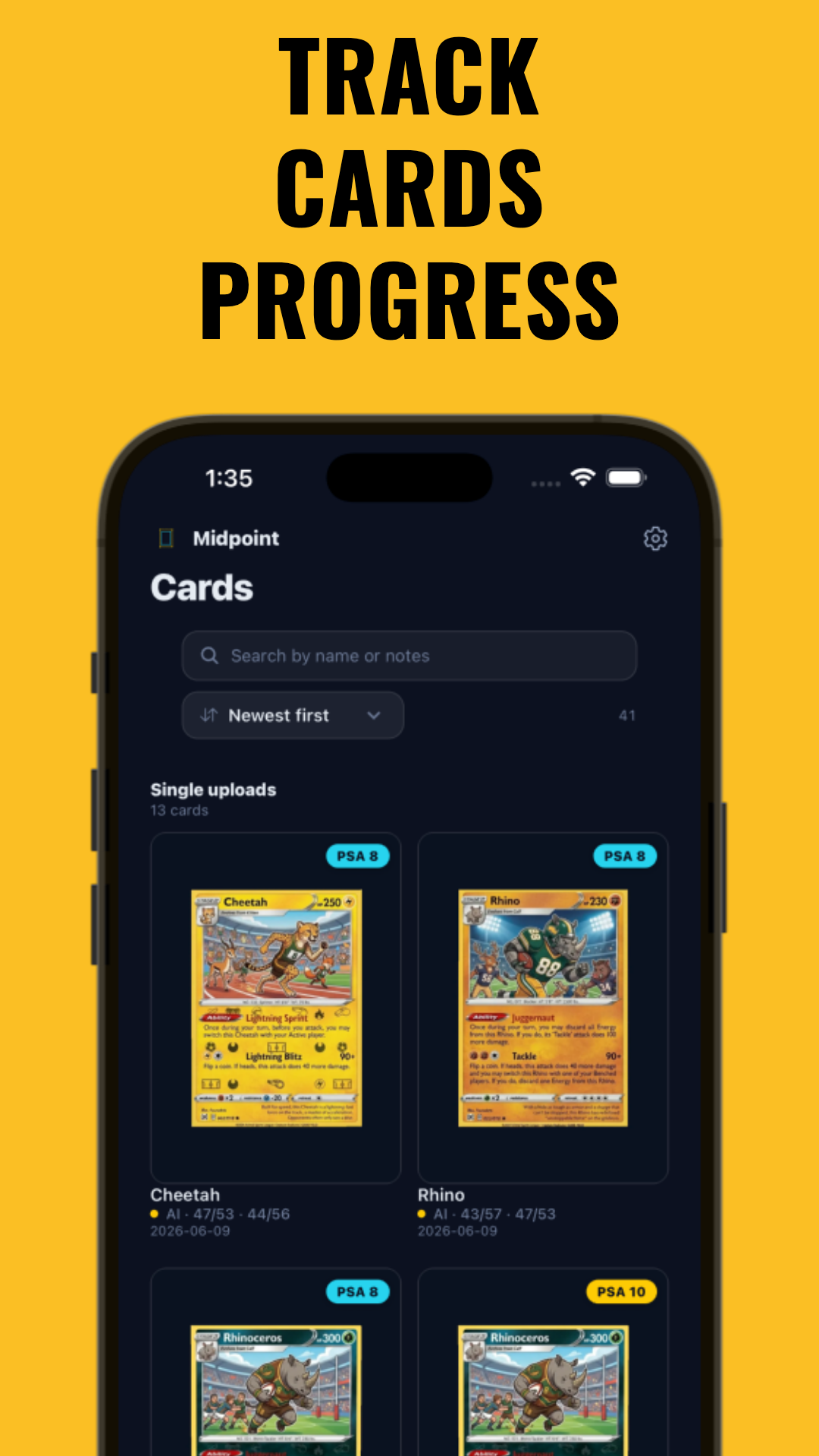
Asking prices are not sold prices. Filter for sold, and check the dates. For your own cards, Midpoint lets you look up raw and graded values and track your collection's value over time.
11. Will the Spikes Last? Buy, Hold, Sell or Grade
Not every riser is sustainable. Here is a simple framework for the November One Piece card market.
- Buy: cards where price is up on many sales and supply is still scarce, such as fan-favorite promos. Avoid buying at a peak after a one-day jump.
- Hold: older-set cards with a steady 90-day trend, like San-Gorou OP-05-065.
- Sell: thin-market spikes you own, especially if a reprint is plausible.
- Grade: only if the raw-to-PSA 10 gap beats fees and your card is likely to hit the grade. Use a step-by-step pre-grade first.
No one can promise which cards will keep rising. The safest approach is to size positions small, verify sales, and protect what you hold with proper storage.
Conclusion
One Piece card prices rising in November 2026 is a story about specific cards: Nojiko EB-05-057, San-Gorou OP-05-065, Koby Treasure Cup and Celebration Pack Chopper, set against weakness in OP-17 singles. Check the table for raw and PSA 10 values as of 2026-11-06, confirm them against sold listings, and decide whether to buy, hold, sell or grade. If grading is on the table, measure centering and estimate grades with Midpoint before you pay to submit.
FAQ
Q: Why are One Piece card prices rising in November 2026?
A: The rises are concentrated in scarce promos, tournament cards and fan-favorite characters. Limited supply, tournament demand, character popularity and grading can all contribute, while new-set supply appears to be pushing some OP-17 singles down.
Q: Which One Piece cards increased the most in price this week?
A: Nojiko EB-05-057, San-Gorou OP-05-065, Koby Treasure Cup and Celebration Pack Chopper are among the named November risers. See the table for values as of 2026-11-06 and confirm with sold listings.
Q: Is OP-17 a good One Piece set to buy right now?
A: Many OP-17 singles appear to be losing momentum, so buying singles at launch prices is risky. Compare 30-day and 90-day trends first, and be selective about chase cards.
Q: What is the most expensive One Piece card in November 2026?
A: It is usually a rare promo, championship or alternate-art card, and the answer depends on whether you mean raw or graded. Check the table in this post for values as of 2026-11-06.
Q: Are One Piece card price increases driven by real demand or market manipulation?
A: Both can happen. Real demand shows up as many buyers over time, while thin-market spikes on a few sales can be a single buyer or low supply. Verify on TCGplayer, Cardmarket and eBay sold listings.
Q: Should I buy One Piece cards now or wait for prices to drop?
A: It depends on the card. Scarce, popular cards may keep their value, while new-set singles and sudden spikes often cool off. Avoid buying right after a one-day jump and verify recent sales first.
Free to start
Try the Midpoint app
Grade any card from a photo, see its raw and PSA 10 value, and track what your collection is worth — free.
Get it on iPhoneGet it on Android