Pokemon Card Prices Dropping September 2026: What Collectors Must Know
Explore why Pokemon card prices are dropping in September 2026 and which cards to buy the dip. Get expert tips on grading and market trends.

Estimated reading time: 8 min
Key Takeaways
- September 2026 sees broad price declines, especially in some modern sealed and overprinted sets.
- Vintage and Japanese cards generally show more resilience amid market volatility.
- Price corrections reflect cooling hype and increased supply, rather than a full market crash.
- Graded PSA 10 cards often maintain premiums better than raw cards.
- Collectors can consider capitalizing on dips by pre-grading well-centered cards with tools like Midpoint.
September 2026 marks a notable shift in the Pokémon card market, with prices dropping across many popular categories. Understanding which cards are losing value fastest and why can help collectors make informed buying and grading decisions. This update delves into the latest market data as of 2026-09-19, revealing falling Pokémon card prices, the effects of the 30th anniversary releases, and how grading may impact value. Whether you're a seasoned collector or considering buying the dip, these insights offer useful guidance.
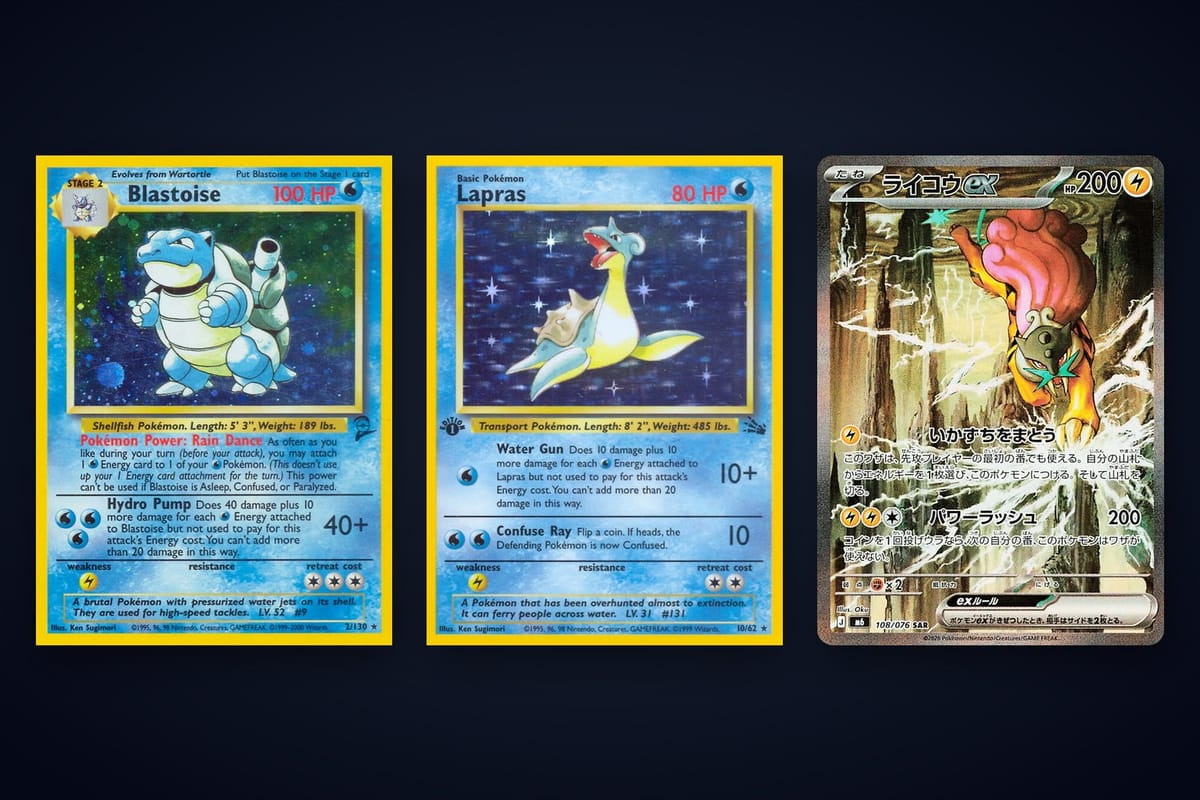
30-day price movers — live data from Midpoint's card database, as of 2026-09-19. Prices move; Midpoint refreshes these daily.
| Card | Raw | PSA 10 | 30-day | |
|---|---|---|---|---|
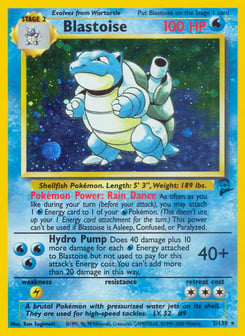 |
Blastoise #2/130 Base Set 2 (2000) |
$155.36 | $357.86 | -82% |
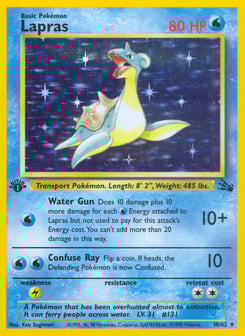 |
Lapras #10/62 Fossil (1999) |
$28.59 | $1,071 | -73.7% |
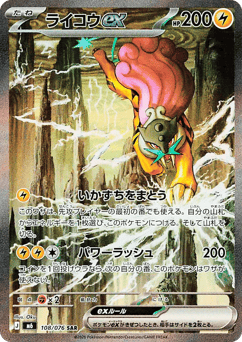 |
ライコウex #108/076 ストームエメラルダ (2026) |
$5,000 | — | -64.3% |
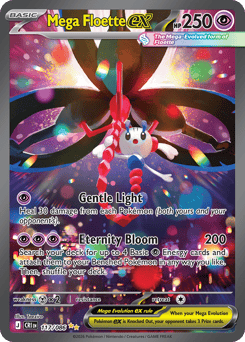 |
Mega Floette ex #117/086 Chaos Rising (2026) |
$24.75 | $102.23 | -48% |
 |
グラードン #084/076 ストームエメラルダ (2026) |
$900.00 | — | -47.1% |
 |
Mega Dragalge ex #118/086 Chaos Rising (2026) |
$29.81 | $137.66 | -34.4% |
 |
Misty's Vitality #111/084 Pitch Black (2026) |
$11.69 | $276.00 | -33.8% |
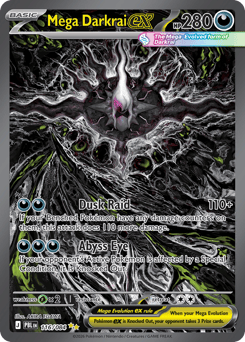 |
Mega Darkrai ex #116/084 Pitch Black (2026) |
$186.91 | $1,189 | -31.5% |
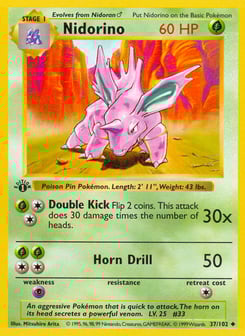 |
Nidorino #37/102 Base (1999) |
$30.51 | $712.57 | -31% |
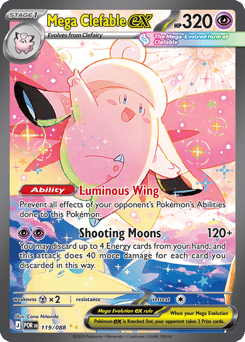 |
Mega Clefable ex #119/088 Perfect Order (2026) |
$51.21 | $107.94 | -27.4% |
 |
Cinccino ex #119/086 Chaos Rising (2026) |
$52.20 | $204.71 | -25.9% |
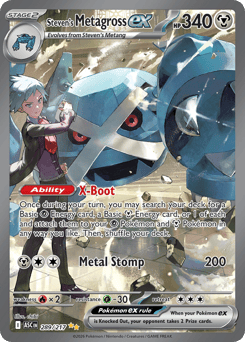 |
Steven's Metagross ex #289/217 Ascended Heroes (2026) |
$73.97 | $226.40 | -25.7% |
Look up any card's current raw and graded value in Midpoint — and get an estimated grade before you pay to submit.
1. September 2026 Market Overview: Falling Pokémon Card Prices
As of September 2026, the Pokémon card market exhibits a downward trend in prices, particularly for some modern sealed products and certain overprinted sets. According to Midpoint’s extensive database, some sealed sets like Sword & Shield—Battle Styles have reportedly dropped by over 20% in the last 30 days. Similarly, singles from recent expansions have softened due to increased supply and waning hype.
However, this decline is not uniform. Vintage cards, especially those from the early 1990s Base Set and Japanese promo cards, have generally held more stable value. The market split between categories highlights different collector motivations and supply-demand dynamics.
- Modern sealed products down approximately 15-25%
- Vintage Base Set singles down roughly 5-10%
- Japanese cards stable or up slightly in some niche segments
2. The Market Split: Modern Singles vs. Vintage and Japanese Cards
The Pokémon card market in September 2026 is divided into distinct segments. Modern singles from recent sets have seen sharper declines, while vintage and Japanese cards have shown more resilience. For example, raw Charizard VMAX cards from the 2023 Scarlet & Violet set reportedly dropped nearly 18% in value, but 1999 Base Set Charizard PSA 10 prices only slipped about 6%.
Japanese cards, often sought after for rarity and print quality, have benefited from steady collector interest. Cards like the 1998 Japanese Promo Pikachu remain relatively stable or have appreciated slightly despite overall market softness.
- Raw modern singles losing value faster than vintage
- Graded vintage cards tend to maintain stronger price floors
- Japanese cards appear less impacted by Western market trends
3. Which Pokémon Cards Are Losing Value Fastest?
Some sets are more affected than others. Midpoint data indicates that the fastest declining cards are from heavily reprinted or overhyped modern sets. Examples include:
- Scarlet & Violet - Paldea Evolved: Raw card prices reportedly dropped around 22% in 30 days.
- Sword & Shield - Evolving Skies: PSA 10 cards fell by about 19%.
- Celebrations 30th Anniversary sealed boxes: Experienced volatile short-term price swings with an overall decline near 15%.
This trend reflects both increased supply from reprints and a correction following 2021-2023 hype cycles. Collectors should exercise caution about chasing modern sealed products at this time.
4. Price Corrections vs. Market Crash: What’s Really Happening?
Despite some headlines about crashing Pokémon card prices, the market appears to be undergoing a correction rather than a crash. The decline is concentrated in overprinted modern products and hyped releases, while vintage and graded cards have shown only moderate pullbacks.
Supply factors, such as the 30th anniversary reprints, have increased availability, causing short-term volatility. This correction may help balance the market, potentially making it more sustainable for long-term collectors.
- Correction driven primarily by oversupply, not collapsing demand
- Hype-driven cards adjust more sharply
- Vintage cards demonstrate relative market resilience
5. The 30th Anniversary Release: Impact on Demand and Supply
The 30th anniversary releases in 2026 have created short-term supply surges, leading to falling prices in some categories. Limited edition Celebrations sets saw initial spikes but have since retreated as more boxes entered circulation.
Collectors tracking these fluctuations can time their purchases or sales more effectively. The increased supply also encourages grading of raw cards with strong centering, as certified examples may hold value better post-dip.
6. Recent Winners and Losers: Set-Level and Card-Level Changes
Recent data from Midpoint reveals some winners and losers among sets and individual cards:
- Losers: Scarlet & Violet - Paldea Evolved raw card prices down around 22%, Sword & Shield - Evolving Skies PSA 10 down about 19%.
- Winners: 1999 Base Set Charizard PSA 10 relatively stable, Japanese 1998 Promo Pikachu raw cards up approximately 5%.
Understanding these trends allows collectors to focus on potentially undervalued cards and avoid segments experiencing declines.
7. Graded Cards vs. Raw Cards: PSA 10 Premiums and Pricing Impact
Graded cards continue to command significant premiums, especially PSA 10 examples. While raw cards have generally dropped more steeply, PSA 10 Charizard from the 1999 Base Set declined only about 6% compared to roughly 12% for raw copies. This difference highlights the potential importance of grading for preserving value.
Collectors can use apps like Midpoint to measure centering and get AI-based grading estimates before investing $30+ in professional grading. This strategy may maximize return by submitting well-centered, high-potential cards.
8. Auction Headlines and Record Sales: Vintage vs. Broad-Market Softness
While the broad market softens, vintage auction results have shown resilience. Rare cards like 1st Edition Base Set Shadowless Charizard continue to fetch high prices. Meanwhile, modern sealed products face weaker auction demand and lower realized prices.
This divergence suggests collectors value rarity and provenance more than recent hype, reinforcing the vintage segment’s relative strength.
9. Seasonality and Forecast: What to Expect for Late 2026
Historically, Pokémon card prices experience seasonal fluctuations, with year-end festivities and holidays often boosting demand. However, the September 2026 dip points to a cautious market going into Q4.
Collectors should watch for stabilizing prices in October and November, especially for vintage and graded cards. Modern sealed products may continue to adjust until supply normalizes.
10. How Collectors Can Use the Dip: Grading and Buying Strategies
Price drops create opportunities for savvy collectors. Buying the dip can be effective when combined with grading well-centered cards to maximize value retention. Using Midpoint’s AI grading and centering measurement tools can help identify undervalued raw cards worth submitting for professional grading.
Steps to capitalize on the market dip:
- Identify quality raw cards with good centering and minimal wear
- Use Midpoint to get instant PSA, BGS, CGC, and TAG grade estimates
- Submit only high-potential cards to grading to optimize cost-effectiveness
- Monitor market trends and auction results to time sales or trades
For more on grading impact, see our detailed guide on Card Grade Impact on Insurance Value.

Conclusion
September 2026’s Pokémon card price drops appear to reflect a market correction driven by oversupply, fading hype, and 30th anniversary reprints. While modern sealed products and some recent singles face sharper declines, vintage and Japanese cards remain relatively stable. Graded PSA 10 cards tend to maintain better value, underscoring the potential importance of professional grading for long-term collectors.
Collectors looking to buy the dip should focus on well-centered raw cards and leverage AI grading tools like Midpoint to estimate grades before submitting. This approach may minimize grading costs and maximize returns in a volatile market environment. Staying informed and strategic will help you navigate the evolving Pokémon card market through the rest of 2026 and beyond.
FAQ
Q: Are Pokémon card prices dropping in September 2026?
A: Yes, many Pokémon card prices are falling in September 2026, especially some modern sealed products and overhyped recent singles. Vintage and Japanese cards generally show more stable pricing.
Q: Which Pokémon card sets are losing value the fastest right now?
A: Sets like Scarlet & Violet - Paldea Evolved and Sword & Shield - Evolving Skies are experiencing some of the fastest price declines, with some raw cards reportedly dropping over 20% in the last 30 days.
Q: Is the Pokémon card market crashing or just correcting?
A: The market appears to be undergoing a correction driven by oversupply and fading hype, not a full crash. Vintage and graded cards remain relatively resilient amid broader softness.
Q: Are modern sealed Pokémon products dropping more than vintage cards?
A: Yes, modern sealed products have seen sharper declines compared to vintage cards, which generally hold value better due to rarity and collector demand.
Q: Do graded Pokémon cards still hold value better than raw cards?
A: Graded PSA 10 cards tend to maintain a premium and show less price volatility compared to raw cards, making grading a commonly recommended strategy in this market.
Q: What is causing Pokémon card prices to fall in 2026?
A: Falling prices are likely due to increased supply from reprints, especially for the 30th anniversary, fading hype from past booms, and market corrections balancing demand and supply.
Free to start
Try the Midpoint app
Grade any card from a photo, see its raw and PSA 10 value, and track what your collection is worth — free.
Get it on iPhoneGet it on Android