Pokemon Legend Cards Value: A Complete Collector’s Guide
Discover the true Pokemon Legend cards value, top sets, grading tips, and how to spot valuable PSA 10 Legend cards for maximum returns.

Estimated reading time: 9 min
Key Takeaways
- Pokemon LEGEND cards come in two halves that form a full image, which can affect their value.
- Complete Legend pairs and high grades from grading companies often command higher premiums.
- HeartGold SoulSilver and Legendary Collection sets contain sought-after Legend cards like Lugia and Ho-Oh.
- Centering, surface wear, and authenticity are important factors for grading and pricing.
- Use tools like Midpoint for AI-powered grading estimates before submitting your cards.
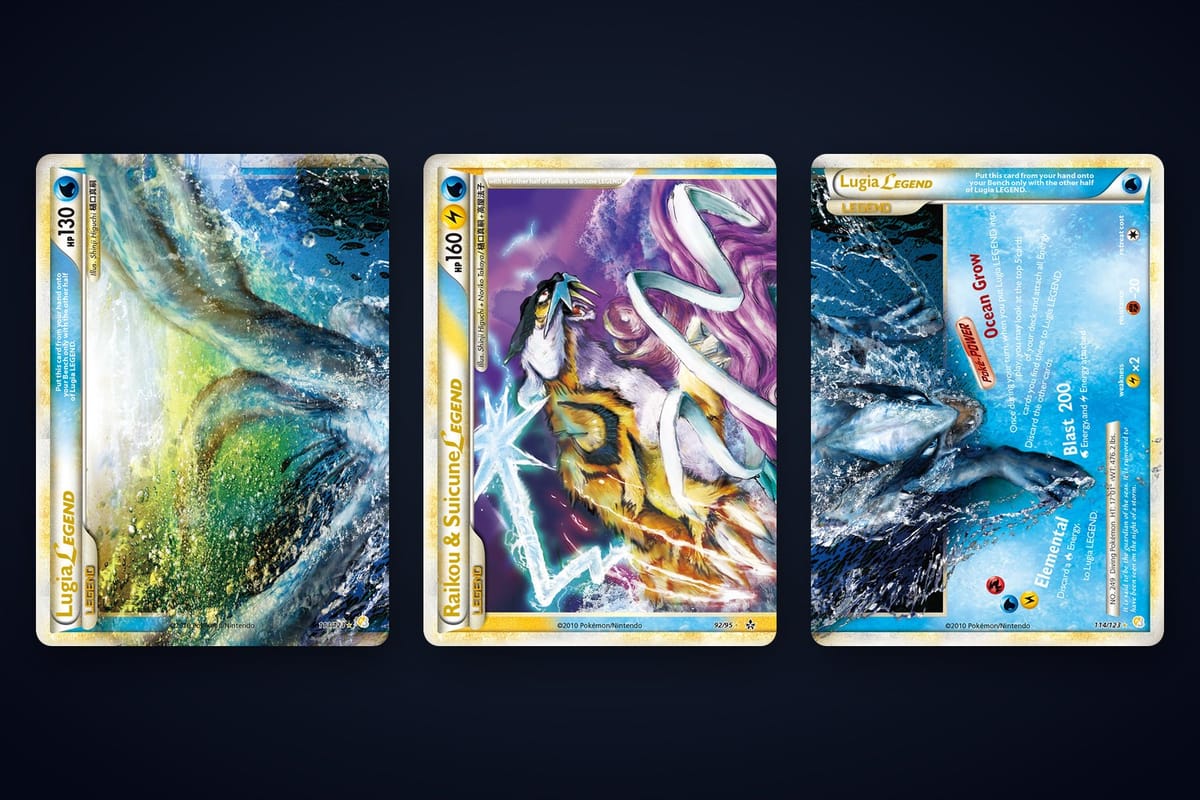
Pokemon LEGEND cards are unique collectibles that appeal to serious fans and investors alike. These cards come as two halves that combine to display a full artwork, and their value depends heavily on completeness, condition, and grading. This guide will dive deep into what influences pokemon legend cards value, how to identify valuable cards, and practical tips on grading and selling them. Whether you’re holding a raw Lugia LEGEND card or hunting for the rarest PSA 10 HeartGold SoulSilver LEGEND cards, understanding these dynamics can help you better assess your collection’s worth.
Card values — live data from Midpoint's card database, as of 2026-09-08. Prices move; Midpoint refreshes these daily.
| Card | Raw | PSA 10 | Gem premium | |
|---|---|---|---|---|
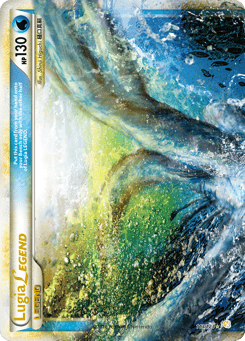 |
Lugia LEGEND #113/123 HeartGold & SoulSilver (2010) |
$365.00 | $10,106 | 27.7× |
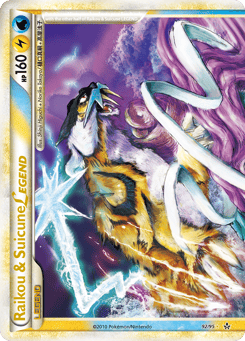 |
Raikou & Suicune LEGEND #92/95 HS—Unleashed (2010) |
$161.71 | $9,951 | 61.5× |
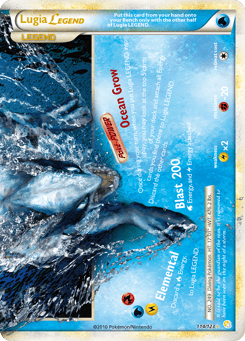 |
Lugia LEGEND #114/123 HeartGold & SoulSilver (2010) |
$321.99 | $8,227 | 25.6× |
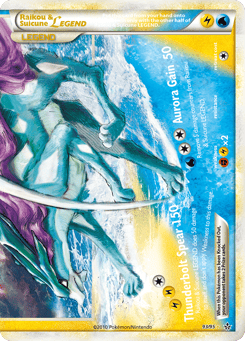 |
Raikou & Suicune LEGEND #93/95 HS—Unleashed (2010) |
$153.24 | $6,010 | 39.2× |
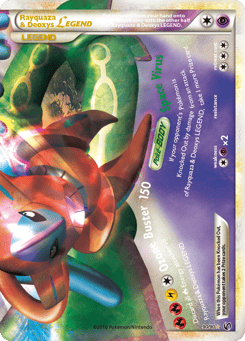 |
Rayquaza & Deoxys LEGEND #90/90 HS—Undaunted (2010) |
$264.30 | $6,000 | 22.7× |
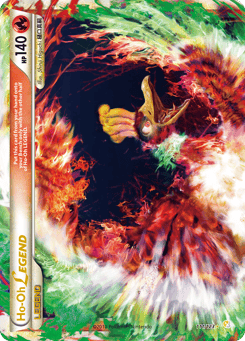 |
Ho-Oh LEGEND #111/123 HeartGold & SoulSilver (2010) |
$208.00 | $5,781 | 27.8× |
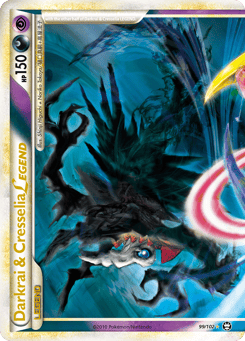 |
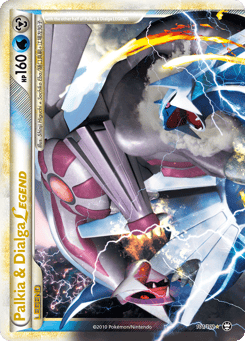
Darkrai & Cresselia LEGEND #99/102 HS—Triumphant (2010) |
$202.09 | $4,189 | 20.7× |
 |
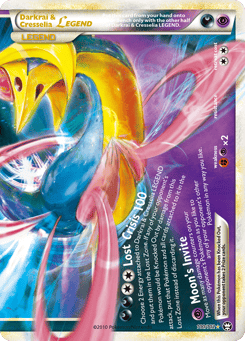
Palkia & Dialga LEGEND #101/102 HS—Triumphant (2010) |
$130.30 | $3,977 | 30.5× |
 |
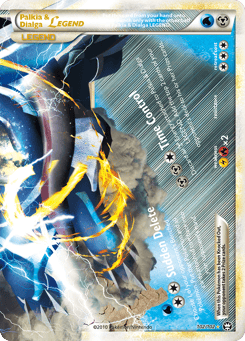
Darkrai & Cresselia LEGEND #100/102 HS—Triumphant (2010) |
$162.33 | $3,885 | 23.9× |
 |
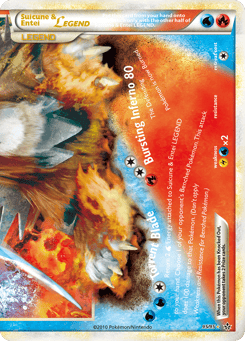
Palkia & Dialga LEGEND #102/102 HS—Triumphant (2010) |
$131.46 | $3,673 | 27.9× |
 |
Suicune & Entei LEGEND #95/95 HS—Unleashed (2010) |
$180.00 | $2,520 | 14× |
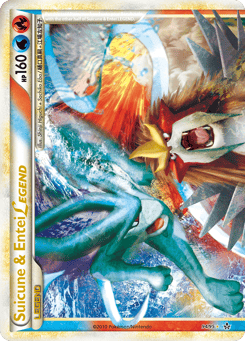 |
Suicune & Entei LEGEND #94/95 HS—Unleashed (2010) |
$279.99 | $2,397 | 8.6× |
Look up any card's current raw and graded value in Midpoint — and get an estimated grade before you pay to submit.
1. What Are Pokemon LEGEND Cards and How Do the Two Halves Work?
Pokemon LEGEND cards are oversized cards split into two halves—top and bottom—that when placed together form a full image of a legendary Pokémon. This design was introduced to showcase iconic Pokémon in epic artwork, making the cards visually striking and collectible.
Each half is sold and traded separately, but many collectors seek to own the complete pair for maximum value. An incomplete single half can still have some worth, especially if it’s a top half featuring popular Pokémon, but the full pair generally commands a premium.
- The halves are marked distinctly as “LEGEND [TOP]” or “LEGEND [BOTTOM]”.
- Both halves must match perfectly in set and edition to be considered complete.
- Collectors often display or sell the pair together.
2. How to Identify Complete LEGEND Pairs Versus Single Halves
When evaluating your Legend cards, completeness is key. To identify a complete pair, check the card names, set symbols, and numbering. For example, the HeartGold SoulSilver Lugia LEGEND cards come as two halves numbered 1/64 (top) and 2/64 (bottom).
If you only have one half, verify which half it is and its condition. Sometimes single halves, especially the top halves of popular Pokémon like Ho-Oh, can still have some value but typically significantly less than the full pair.
- Look for matching set codes and card numbers on both halves.
- Verify the artwork lines up perfectly when paired.
- Be cautious of incomplete pairs sold as singles at inflated prices.
3. The Most Valuable Pokemon LEGEND Cards by Set and Pokémon
Some LEGEND cards are generally worth more due to rarity, popularity, and set origin. Top contenders include:
- Lugia LEGEND (HeartGold SoulSilver HGSS) - Highly sought after, especially PSA 10 copies, with values reported in the market reaching high amounts. Raw pairs may sell for a few hundred dollars, while PSA 10 graded pairs often command significantly higher prices.
- Ho-Oh LEGEND (HeartGold SoulSilver) - Similar to Lugia in appeal; raw pairs typically sell for a few hundred dollars, with PSA 10 graded pairs fetching higher prices.
- Rayquaza LEGEND (Call of Legends) - Valued for the dynamic artwork and legendary status; raw pairs often sell for moderate amounts, with PSA 10 graded copies commanding higher prices.
- Legendary Birds (Articuno, Zapdos, Moltres LEGEND from Legendary Collection) - Collectible with raw pairs selling for lower amounts and PSA 10 pairs commanding higher prices.
These values reflect market trends including sold comps and TCGplayer data tracked by Midpoint, providing collectors with pricing information that can vary over time.
4. How Condition Grading Affects Pokemon LEGEND Cards Value
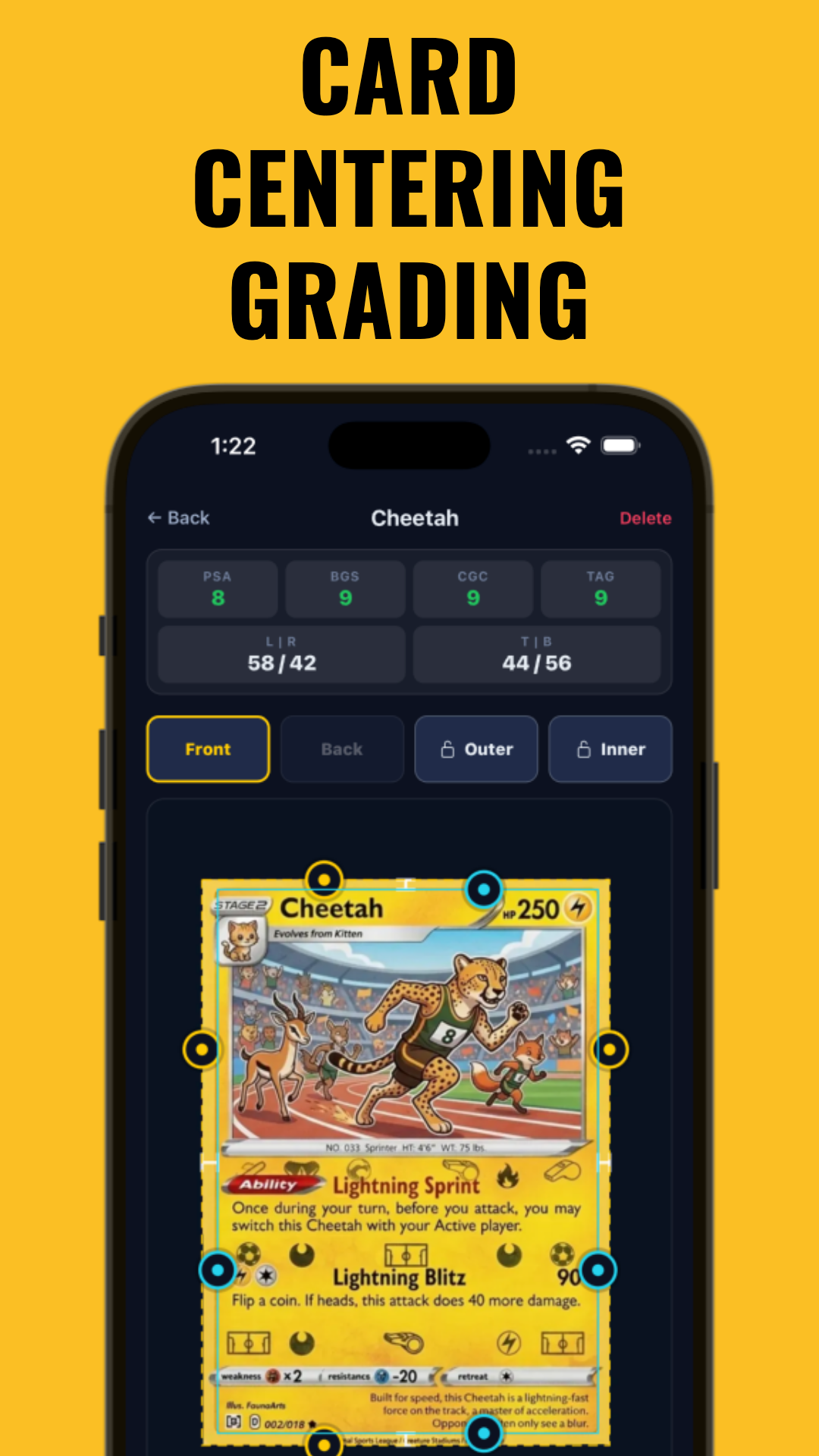
Condition is a major factor in pricing, with grading companies like PSA, BGS, and CGC assigning scores up to 10. Legend cards’ large format and split halves make centering and surface wear more challenging, which can affect the ability to achieve top grades.
Centering is especially critical: even slight off-centering can reduce a card’s grade and value. Surface issues such as scratches, whitening, or print defects also lower a card’s desirability.
- Raw cards typically sell for less than PSA 10 graded prices.
- PSA 10 Legend cards can command multiple times the value of raw copies.
- Use digital tools like Midpoint’s AI grading to estimate potential grades before submitting.
5. Price Ranges for Common, Mid-Tier, and Chase Legend Pairs
Legend cards value spans a broad spectrum depending on rarity, set, and condition.
- Common Legend pairs: Cards like Legendary Birds from older sets may sell raw for moderate amounts and graded pairs for higher prices.
- Mid-tier Legend pairs: Rayquaza LEGEND cards from Call of Legends typically range in moderate price ranges raw and higher when graded.
- Chase Legend pairs: HeartGold SoulSilver Lugia and Ho-Oh LEGEND pairs are top-tier, with raw values higher and PSA 10 values significantly higher.
6. Why Popular Pokémon Like Lugia, Ho-Oh, and Rayquaza Command Premiums
The premium for these Pokémon stems from their iconic status in the franchise and their limited print runs in popular sets. Lugia and Ho-Oh’s starring roles in the HeartGold SoulSilver era give their Legend cards nostalgic and collector-driven demand.
Rayquaza’s dynamic design and role in the Call of Legends set make it another fan favorite, while the Legendary Birds’ trio appeals to nostalgia from the original base sets.
- Fanbase size and nostalgia influence demand and prices.
- Scarcity and print volume affect availability and value.
- Condition challenges on these large cards can make PSA 10 copies less common.
7. How Set and Era Affect Pokemon LEGEND Cards Value
Sets like HeartGold SoulSilver (HGSS) and Legendary Collection are often regarded as the most desirable for Legend cards because of their print quality, artwork, and popularity. HGSS LEGEND cards tend to command higher prices than Call of Legends or later sets due to their iconic status.
Legend cards from more recent sets generally have higher populations and lower prices, while early era cards remain sought after.
- HGSS LEGEND cards are highly regarded among collectors.
- Legendary Collection cards have nostalgic appeal but may have slightly lower market prices.
- Call of Legends cards offer a middle ground in value and rarity.
8. Market-Price Methods Used by Ranking Pages for LEGEND Cards
Trusted price guides and ranking pages use a combination of sold comps, TCGplayer listings, and PriceCharting-style data to estimate Legend cards value. These methods factor in condition, grading status, and completeness of pairs.
Midpoint aggregates live market data and grading estimates, providing collectors with up-to-date pricing and grading insights, helping to avoid overpaying or undervaluing cards.
9. Checking Whether a LEGEND Card Is Worth More Sealed, Raw, or Graded
Most Legend cards are sold raw or graded since they are not typically sealed as singles. Complete pairs in raw condition can sell well, but grading often elevates value significantly, especially PSA 10.
Some collectors may prefer raw pairs in excellent condition due to grading costs or personal preference, but professional grading typically increases liquidity and final sale price.
- Use Midpoint’s AI grading tool to assess before investing in grading fees.
- Consider market demand for graded versus raw cards in your set.
- Completeness and condition are key factors in determining value.
10. Tips for Pricing and Selling Pokemon LEGEND Cards
When selling Legend cards, ensure you have the complete pair and assess condition carefully. Centering, surface wear, and edges are common PSA 10 blockers, so use tools like Midpoint’s precise centering measurement and AI surface grading to pre-grade your cards.
Good photography and accurate descriptions help attract serious buyers. Also, reference recent sold comps on platforms like TCGplayer to set realistic prices.
- Verify authenticity and completeness before listing.
- Use Midpoint for instant PSA, BGS, CGC, and TAG grade estimates to support your asking price.
- Store cards carefully; see our ultimate collector’s guide for best practices.
Conclusion
Understanding pokemon legend cards value requires knowing how the two halves work, the importance of completeness, and the impact of grading. Popular LEGEND cards like Lugia and Ho-Oh from the HeartGold SoulSilver set are highly regarded, especially in PSA 10 condition. Using AI-powered tools like Midpoint can help you measure centering and estimate grading before costly submissions, helping you maximize your cards’ value with greater confidence. Whether you’re a seasoned collector or just starting, mastering these factors can help you navigate the Legend card market more effectively.
FAQ
Q: What is a Pokémon LEGEND card and why does it come in two halves?
A: A Pokémon LEGEND card is a special oversized card split into two halves—top and bottom—that combine to form a full image of a legendary Pokémon. This design highlights the Pokémon’s artwork and adds collectible value.
Q: Are single LEGEND halves worth anything, or do you need both halves to sell it?
A: Single halves do have some value, especially top halves featuring popular Pokémon, but the full pair is generally much more valuable and preferred by collectors. Selling or buying complete pairs maximizes value.
Q: What is the most valuable Pokémon LEGEND card?
A: The HeartGold SoulSilver Lugia LEGEND card is often considered the most valuable, particularly in PSA 10 condition, where it can command high prices depending on market conditions.
Q: How much is a Ho-Oh or Lugia LEGEND card worth?
A: Raw Ho-Oh or Lugia LEGEND pairs typically sell for several hundred dollars, with PSA 10 graded pairs commanding prices that can be significantly higher.
Q: Do graded LEGEND cards sell for much more than raw copies?
A: Yes, PSA 10 graded LEGEND cards can sell for multiple times the value of raw cards due to condition certainty and collector demand.
Q: How do I know if my Pokémon LEGEND card is complete and authentic?
A: Verify that you have both top and bottom halves from the same set and edition. Check card numbers, set symbols, and artwork alignment. Using digital grading apps like Midpoint can help confirm authenticity and condition.
Free to start
Try the Midpoint app
Grade any card from a photo, see its raw and PSA 10 value, and track what your collection is worth — free.
Get it on iPhoneGet it on Android