Raw vs Graded Card Value: A Complete Comparison Guide
Explore raw vs graded card value, grading impact, pricing tips, and when to sell. Use Midpoint for instant PSA/BGS estimates and pricing across 250k+ cards.


Estimated reading time: 9 min
Key Takeaways
- Raw vs graded card value differs mainly due to condition assessment, population, and authenticity trust.
- Grading often adds significant premiums, especially PSA 10 grades, but fees and risks mean not all cards benefit.
- Midpoint app provides fast AI-based grading estimates and comprehensive price lookups across 250,000+ cards.
- Use population reports and scarcity data to understand true value and avoid overpaying for grading.
- Bottom line: Sell raw cards when condition is average or grading costs outweigh premiums; grade high-condition or rare cards to potentially maximize value.
When comparing raw vs graded card value, collectors and sellers want to know how much their cards are worth and whether grading will increase that worth enough to justify the cost. This guide compares raw and graded card prices, explains what makes a card valuable, and shows you how to price cards for sale accurately. Using Midpoint — an app with AI digital grading and a vast database — you can quickly check raw and graded values, centering, corners, edges, and surface grades before deciding to grade or sell.
Raw vs PSA 10 value (biggest grading premium) — live data from Midpoint's card database, as of 2026-08-30. Prices move; Midpoint refreshes these daily.
| Card | Raw | PSA 10 | Gem premium | |
|---|---|---|---|---|
 |
Lew Alcindor #75 1970 Topps |
$104.50 | $198,000 | 1894.7× |
 |
Robin Yount #223 1975 Topps |
$26.99 | $50,772 | 1881.1× |
 |
Hank Aaron #390 1963 Topps |
$123.31 | $210,000 | 1703× |
 |
Joe Namath #65 1968 Topps |
$29.11 | $46,800 | 1607.7× |
 |
Wilt Chamberlain #1 1969 Topps |
$124.15 | $190,960 | 1538.1× |
 |
Willie Mays #1 1966 Topps |
$33.50 | $51,041 | 1523.6× |
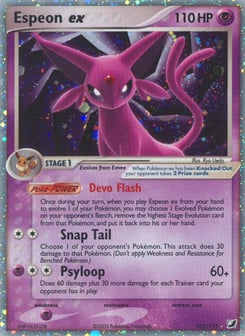 |
Espeon ex #102/115 Unseen Forces (2005) |
$39.75 | $59,085 | 1486.4× |
 |
1973 Rookie Third Basemen #615 1973 Topps |
$140.35 | $204,000 | 1453.5× |
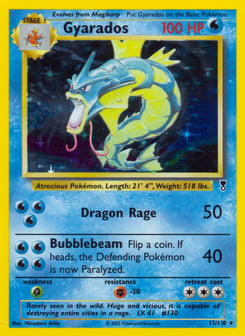 |
Gyarados #12/110 Legendary Collection (2002) |
$48.72 | $66,000 | 1354.7× |
 |
Jerry Rice #161 1986 Topps |
$53.90 | $72,500 | 1345.1× |
![Derek Jeter [Foil] #279 1993 SP card](https://i.ebayimg.com/images/g/TnIAAeSw5ctqe8Vv/s-l500.jpg) |
Derek Jeter [Foil] #279 1993 SP |
$136.50 | $183,000 | 1340.7× |
 |
Carl Yastrzemski #287 1961 Topps |
$75.50 | $97,600 | 1292.7× |
Look up any card's current raw and graded value in Midpoint — and get an estimated grade before you pay to submit.
Quick Comparison
| Dimension | Raw Cards | Graded Cards |
|---|---|---|
| Condition Assessment | Subjective, varies by seller/buyer | Standardized by PSA, BGS, CGC, TAG |
| Price Transparency | Wide price range, harder to verify | Population reports and grades available |
| Resale Value | Generally lower, but variable | Often higher, especially PSA 9/10 grades |
| Grading Fees | None | $20-$100+ plus shipping and insurance |
| Risk | Risk of counterfeit or damaged cards | Certified authenticity reduces risk |
| Price Premiums | None | PSA10 premiums can be very high in some cases |
| Market Demand | Depends on buyer trust and condition | Higher demand for top grades and rarity |
What Drives Raw vs Graded Card Value?
Understanding the raw vs graded card value difference starts with what grading companies evaluate and how that impacts buyer confidence.
- Condition factors: Grading companies assess centering, corners, edges, and surface condition. For example, perfect centering and sharp corners can significantly increase grade and value. Midpoint’s AI grading tool estimates these before submission, helping to avoid grading fees on low-potential cards.
- Population reports: These track how many cards have each grade. Scarce high grades (like PSA 10) often command premiums because collectors value rarity. For instance, the Lew Alcindor #75 (1970 Topps) raw card is around $104.50, while a PSA 10 has sold for very high prices — though such extreme premiums are exceptional and can fluctuate.
- Authentication and trust: Graded cards guarantee authenticity and condition, reducing buyer uncertainty. Raw cards require buyer trust, which can lower prices.
- Market demand: Star players, popular characters, or landmark sets typically have higher demand, especially graded in top condition. For example, Espeon ex #102/115 (Unseen Forces 2005) shows a raw price of about $39.75 versus a PSA 10 that has sold for much higher prices, though such premiums vary widely and are not guaranteed.
How to Compare Raw Card Prices to Graded Comps
Comparing raw and graded values isn’t as simple as multiplying by a fixed premium. Factors to consider include:
- Grade distribution: Is the card commonly graded PSA 9, or are PSA 10s rare? A PSA 9 may add modest value over raw, but PSA 10 premiums can be very high in some cases.
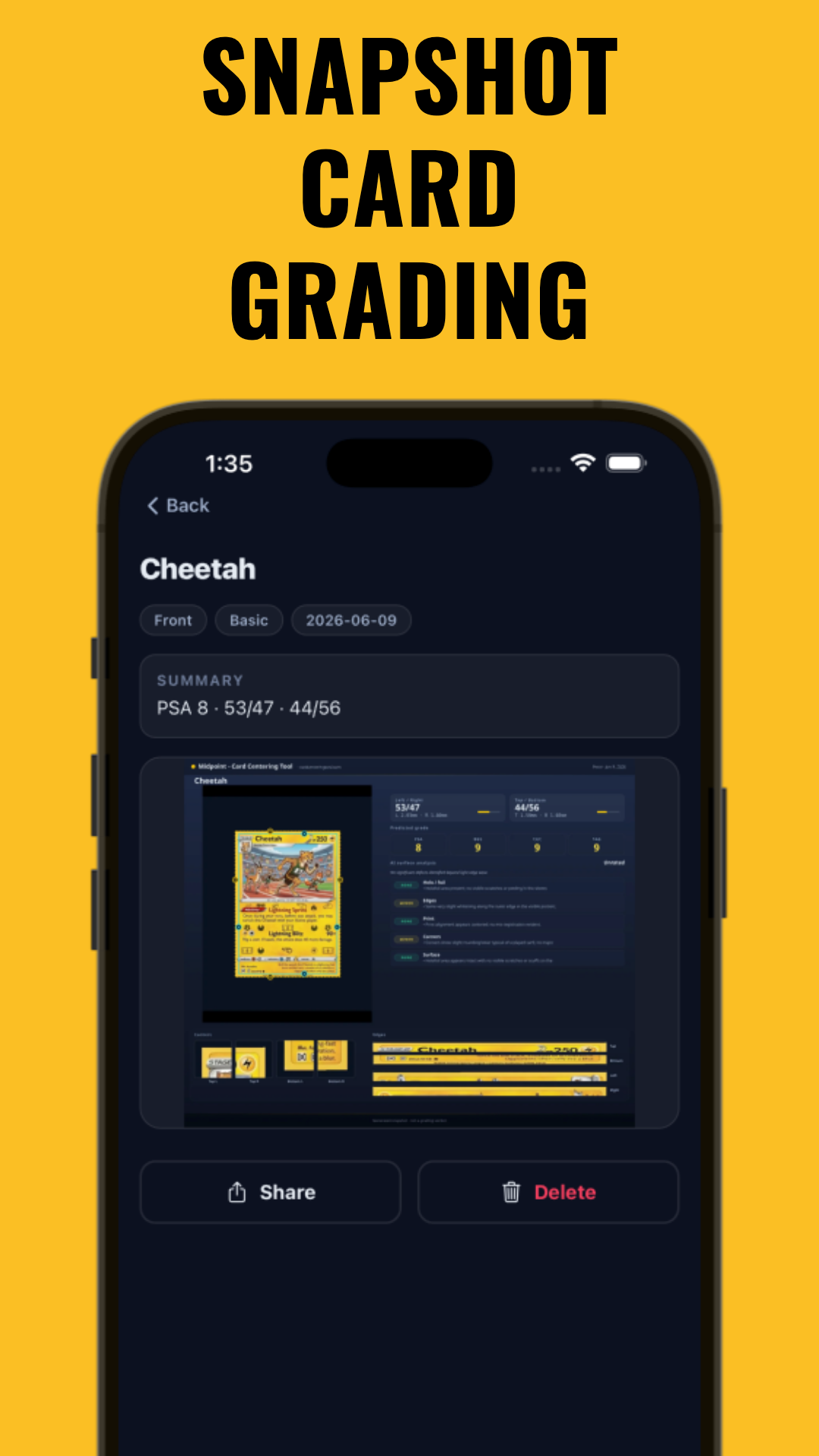
- Condition of your raw card: Is the centering perfect? Are corners and edges sharp? Midpoint’s card centering tool helps measure centering down to the millimeter, providing a PSA/BGS/CGC/TAG grade estimate.
- Current market trends: Prices fluctuate. For example, Robin Yount #223 raw price dropped 39.5% in 30 days as of 2026-08-30, so watch trends before submitting to grade.
- Grading fees and risks: Fees can add $30-$100+ depending on service speed and card. Shipping and insurance add costs and risk loss or damage.
- Population and scarcity: Use population reports to assess if grading will uncover a rare high grade or just confirm an average condition.
For example, Derek Jeter [Foil] #279 (1993 SP) raw is about $136.50 and PSA 10 has sold for very high prices, but recent price dropped 28.3% in 30 days. Weigh grading cost and timing carefully.
When Does Grading Increase Value vs When It Does Not?
Grading adds value mainly when:
- Your card is high quality: Well-centered, sharp edges, and no surface issues can score 9 or 10 grades, often commanding top prices.
- The card is rare or highly collectible: Rookie cards, limited sets, or star players tend to benefit more.
- Population reports show scarcity: Few PSA 10 examples exist, so your card’s rarity may drive premiums.
Conversely, grading may not increase value or could reduce it if:
- Your card is average or below average condition, likely to score PSA 7 or below.
- Grading fees plus shipping/insurance exceed expected premium.
- The card is common with many high-grade examples, making premiums minimal.
Midpoint’s AI grading estimates and population insights help avoid these costly mistakes.
Condition Factors That Drive a Card’s Final Grade
Four main condition factors influence grading:
- Centering: Perfect centering is often the hardest to achieve and commands premiums. Midpoint’s centering calculator measures down to 0.01 mm, providing a reliable PSA centering estimate.
- Corners: Sharp, unbent corners are critical. Even slight wear can drop grades.
- Edges: Chips or fraying lower grades.
- Surface: Scratches, stains, or print defects reduce grade.
Midpoint’s AI analyzes these factors instantly, so you know if your card is a strong grading candidate. Learn more about how centering impacts card value.
Grading Fees, Shipping, Insurance, and Break-Even Math
Grading costs vary by company and service level:
- Submission fees: $20-$100+ per card depending on turnaround
- Shipping: $5-$20+ depending on carrier and value
- Insurance: Recommended for high-value cards, $5-$50+
Calculate break-even by comparing expected grading premium minus total costs. For example, if your raw card is $100 and PSA 9 comps are $150, but grading costs $60 total, the net gain is only $40, which may not justify the wait and risk.
Use Midpoint’s grading fee guides and price lookup to run these calculations before submitting cards.
When Should You Sell Raw Instead of Graded?
Consider selling raw when:
- Your card condition is average or questionable.
- Grading fees and risks outweigh expected price increase.
- You need quick liquidity or the card is less rare.
Raw sales can be optimized by accurately pricing your card through Midpoint’s raw vs graded value lookup and using its AI grading preview to justify pricing to buyers.
Which Should You Choose?
Your choice depends on your card’s condition, rarity, and your selling goals:
- Grade high-condition, rare cards: Submit for grading to potentially maximize value and buyer trust.
- Sell average or common cards raw: Avoid grading fees and sell faster.
- Use Midpoint: Check your card’s AI grade estimate and price across raw and graded markets instantly to make informed decisions.
For collectors and sellers who want insights on raw vs graded card value, Midpoint is a useful tool. It helps you measure centering precisely (free centering calculator), estimate PSA/BGS/CGC/TAG grades instantly, and compare prices for over 250,000 cards across Pokémon, sports, Magic: The Gathering, and more. Visit Midpoint today to get started.
FAQ
Is it worth grading a raw card before selling it?It depends on your card’s condition, rarity, and grading costs. High-condition, rare cards often gain significant premiums after grading, while average-condition cards may not cover grading fees.How much more is a graded card worth than a raw card?Premiums vary widely. PSA 10 cards can sell for many times raw prices, as seen with Lew Alcindor #75 (1970 Topps) at very high multiples. Lower grades have smaller premiums.Should I buy a raw card or a graded card?Graded cards offer authentication and condition assurance, usually worth paying more for. Raw cards can be cheaper but carry condition or authenticity uncertainty.What grade does a raw card need to get to be profitable?Typically, PSA 9 or 10 grades offer enough premium to justify grading costs. Use tools like Midpoint to estimate your card’s likely grade before submitting.Do PSA 9 cards sell for about the same as raw cards?PSA 9 cards usually sell for more than raw, but premiums are much smaller than PSA 10s. Sometimes a raw card and PSA 9 price can be close, depending on population and demand.When does a raw card sell for more than a graded card?Rarely, but it can happen if the graded card is a low grade or if the raw card is a rare variant not recognized by grading. Also, grading damage or incorrect grade assignment can lower graded card value.
Free to start
Try the Midpoint app
Grade any card from a photo, see its raw and PSA 10 value, and track what your collection is worth — free.
Get it on iPhoneGet it on Android