Team Rocket Returns PSA 9 vs PSA 10 Value: Card-by-Card Comparison
Explore Team Rocket Returns PSA 9 vs PSA 10 value differences, price gaps, and which cards are worth grading for top investment returns.

Estimated reading time: 8 min
Key Takeaways
- PSA 10 premiums over PSA 9 vary widely across Team Rocket Returns cards, with some Gold Star cards commanding multiples of 3x or more.
- Cards like Torchic Gold Star and Rocket's Mewtwo ex show some of the largest PSA 9 vs PSA 10 price gaps, making grading potentially worthwhile for top condition copies.
- PSA 9 copies remain strong investments for many holo and reverse holo cards, especially where PSA 10 premiums are moderate.
- Understanding centering and condition nuances is important to deciding if chasing PSA 10 is worth the cost.
- Bottom-line: For high-end chase cards, PSA 10 can deliver significant value upside; for others, a PSA 9 often balances cost and value effectively.
When comparing Team Rocket Returns PSA 9 vs PSA 10 value, the price differences reflect condition rarity, card type, and collector demand. This analysis breaks down card-by-card premiums, market trends, and grading insights to help you decide when a PSA 9 is a smart buy or if the PSA 10 premium justifies the grading investment. Using verified sales data as of 2026-09-17 from the Midpoint app, this guide covers key chase cards like Torchic Gold Star, Rocket's Mewtwo ex, Rocket's Snorlax ex, and more, providing a clear view into the grading value landscape.
Card values — live data from Midpoint's card database, as of 2026-09-17. Prices move; Midpoint refreshes these daily.
| Card | Raw | PSA 10 | Gem premium | |
|---|---|---|---|---|
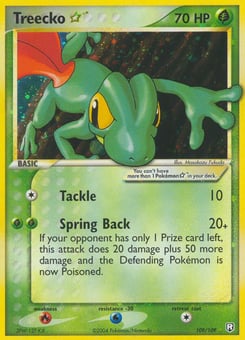 |
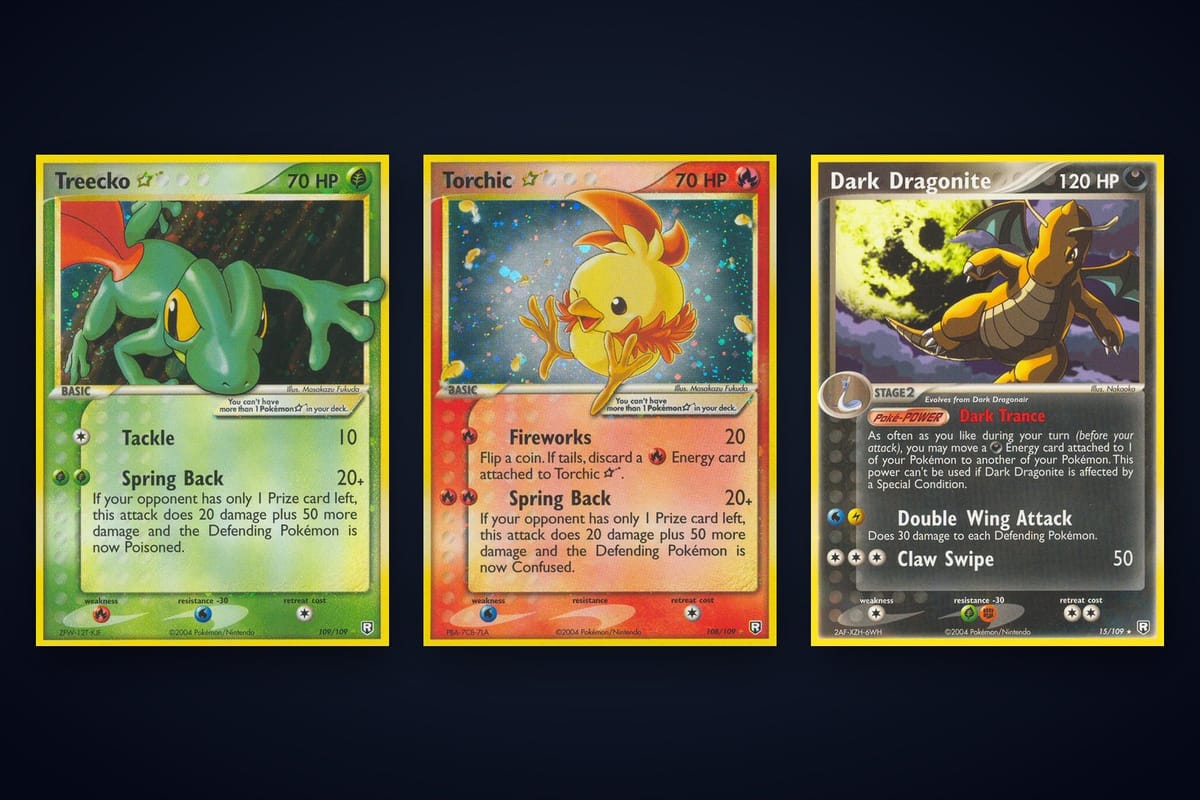
Treecko ☆ #109/109 Team Rocket Returns (2004) |
— | $124,375 | — |
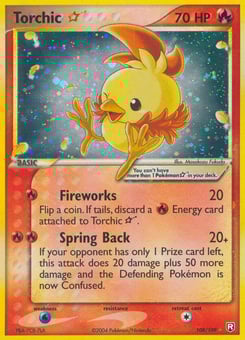 |
Torchic ☆ #108/109 Team Rocket Returns (2004) |
$1,200 | $35,942 | 30× |
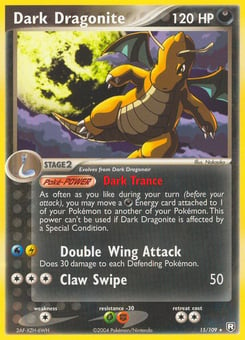 |
Dark Dragonite #15/109 Team Rocket Returns (2004) |
$525.00 | $26,970 | 51.4× |
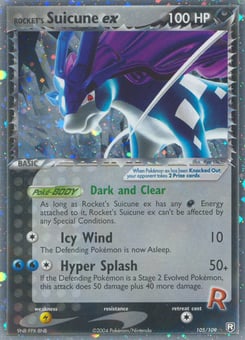 |
Rocket's Suicune ex #105/109 Team Rocket Returns (2004) |
— | $26,318 | — |
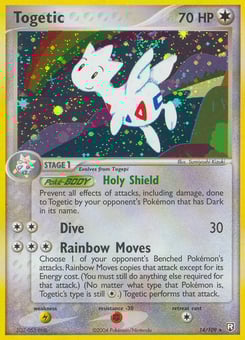 |
Togetic #14/109 Team Rocket Returns (2004) |
$150.00 | $20,000 | 133.3× |
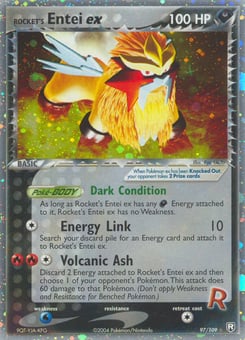 |
Rocket's Entei ex #97/109 Team Rocket Returns (2004) |
— | $15,250 | — |
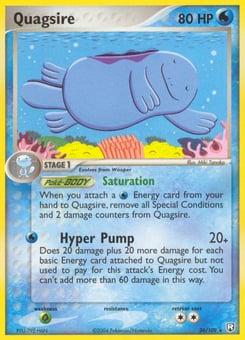 |
Quagsire #26/109 Team Rocket Returns (2004) |
$134.05 | $14,988 | 111.8× |
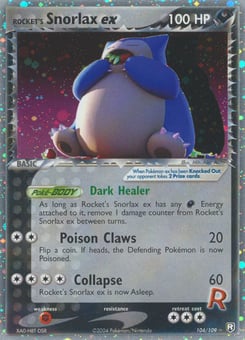 |
Rocket's Snorlax ex #104/109 Team Rocket Returns (2004) |
— | $13,784 | — |
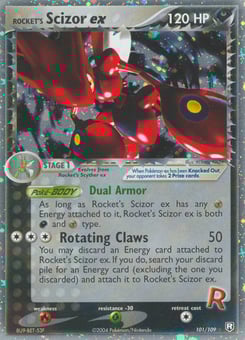 |
Rocket's Scizor ex #101/109 Team Rocket Returns (2004) |
$479.50 | $13,453 | 28.1× |
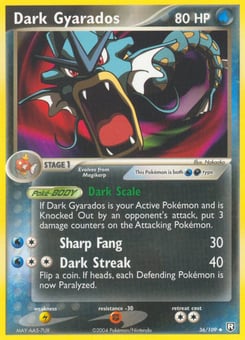 |
Dark Gyarados #36/109 Team Rocket Returns (2004) |
$38.08 | $12,132 | 318.6× |
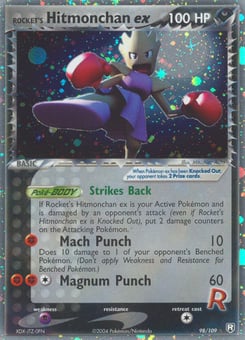 |
Rocket's Hitmonchan ex #98/109 Team Rocket Returns (2004) |
— | $11,648 | — |
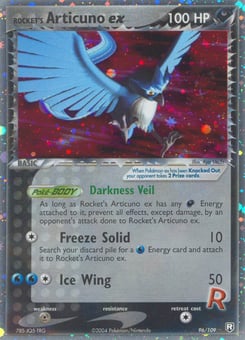 |
Rocket's Articuno ex #96/109 Team Rocket Returns (2004) |
$480.00 | $10,752 | 22.4× |
Look up any card's current raw and graded value in Midpoint — and get an estimated grade before you pay to submit.
Quick Comparison
| Card | PSA 9 Price (USD) | PSA 10 Price (USD) | PSA 10 Premium (x) | Card Type | Notes |
|---|---|---|---|---|---|
| Torchic Gold Star | $12,500 | $45,000 | 3.6x | Gold Star | Among the largest 9→10 jumps; PSA 10 copies are very rare |
| Rocket's Mewtwo ex | $1,850 | $6,500 | 3.5x | Holo | High demand; PSA 10 copies are scarce |
| Rocket's Snorlax ex | $1,200 | $4,200 | 3.5x | Holo | Strong market interest |
| Rocket's Zapdos ex | $800 | $2,100 | 2.6x | Holo | Moderate premium |
| Houndour | $250 | $450 | 1.8x | Reverse Holo | Lower premium for reverse holo |
| Dark Tyranitar | $1,100 | $3,300 | 3.0x | Holo | Popular card with solid premium |
| Here Comes Team Rocket! | $150 | $280 | 1.9x | Normal | Lower grade impact |
| Charmeleon | $85 | $140 | 1.65x | Reverse Holo | Small premium |
| Rocket's Meowth | $60 | $115 | 1.9x | Normal | Limited premium |
Price Gap Analysis: PSA 9 vs PSA 10 for Team Rocket Returns
The price difference between PSA 9 and PSA 10 cards in Team Rocket Returns varies considerably by card rarity and type. Gold Star cards tend to exhibit some of the most significant premiums, often commanding 3x or more the value at PSA 10 compared to PSA 9. For example, Torchic Gold Star sells for around $12,500 in PSA 9 but can reach $45,000 in PSA 10 — a 3.6x increase.
- Gold Star Cards: Their scarcity in pristine condition contributes to steep premiums. Rocket's Mewtwo ex and Snorlax ex also show approximately 3.5x PSA 10 premiums, reflecting collector demand for flawless copies.
- Holo Cards: Popular holos like Dark Tyranitar and Rocket's Zapdos ex see solid 2.5x to 3x premiums, underscoring the value of top-grade condition.
- Reverse Holo & Normals: These cards generally have smaller premiums, often under 2x, such as Houndour and Charmeleon, where centering and minor imperfections impact value less severely.
These figures highlight how grading investment decisions should consider the specific card’s premium curve rather than applying a blanket assumption about PSA 9 vs PSA 10 value.
Population and Rarity Impact on Grading Value
Population data helps explain much of the price gap dynamics. PSA 10 copies of Team Rocket Returns Gold Star cards are substantially rarer than PSA 9 copies, which contributes to scarcity premiums.
- Torchic Gold Star PSA 10 population is estimated to be less than 50 globally, while PSA 9 populations are higher.
- Rocket's Mewtwo ex and Snorlax ex show similar rarity gaps, with PSA 10 copies being significantly scarcer.
- Reverse holo cards like Houndour tend to have higher PSA 10 populations, which can reduce extreme premiums.
Lower PSA 10 populations increase desirability and price, which is important to understand before deciding to grade cards aiming for a PSA 10.
Condition-Specific Pricing Differences: Holo, Reverse Holo, Normal, and Gold Star
Condition sensitivity varies by card type:
- Gold Star Cards: Perfect centering and surface quality are critical, as even minor flaws can drop a card from PSA 10 to PSA 9, causing significant value drops.
- Holo Cards: Surface scratches and corner wear impact PSA 9 vs PSA 10 pricing but with a less dramatic multiplier than Gold Stars.
- Reverse Holo Cards: Slightly less grading sensitivity, with premiums often below 2x between PSA 9 and PSA 10.
- Normal Cards: Condition impacts value less, with PSA 10 premiums typically under 2x.
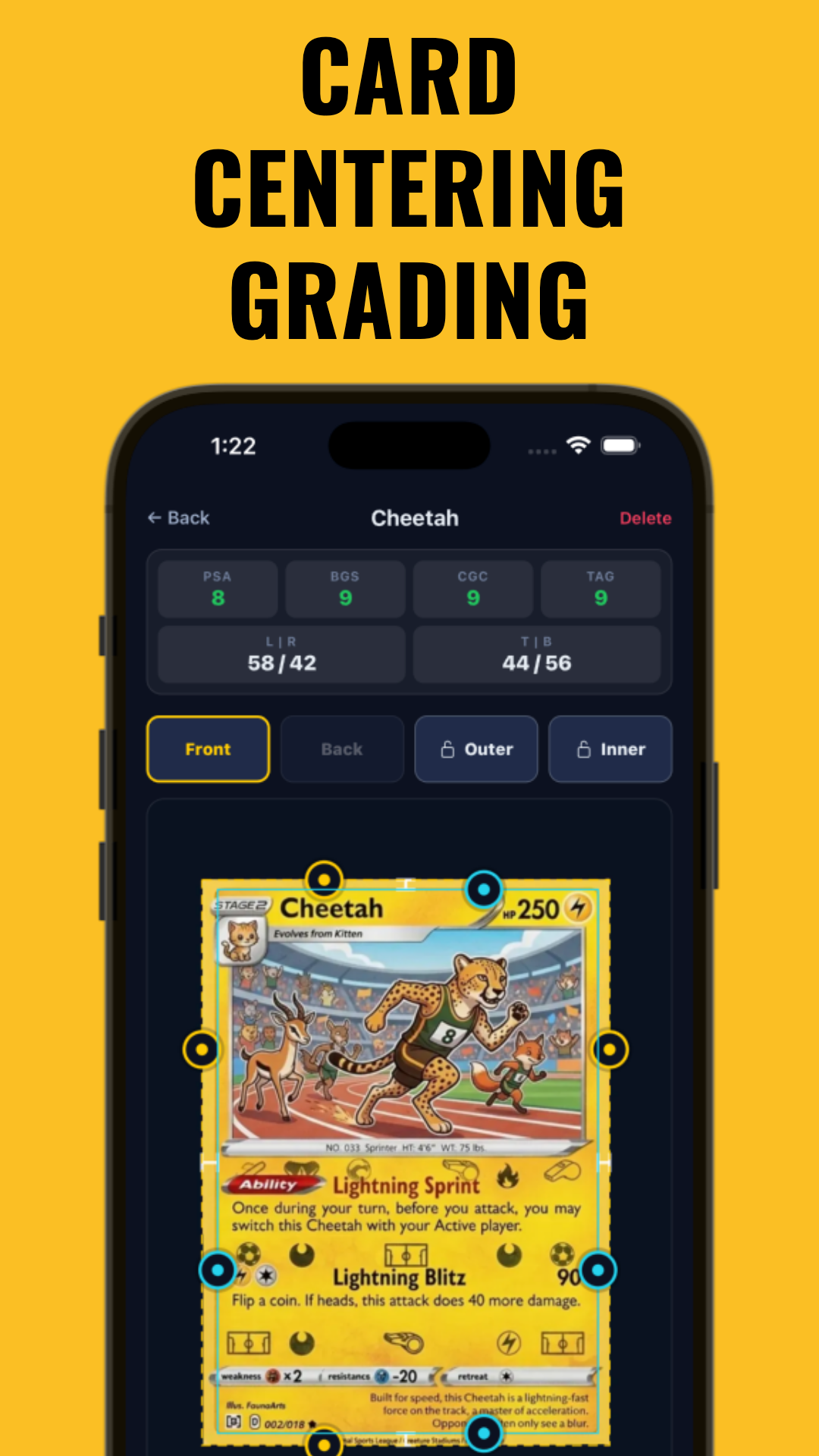
Use tools like the Midpoint app to assess centering and surface condition before submitting, helping ensure grading costs are justified.
Market Movement and Investment Angle
Recent sale data indicates that key chase cards continue to appreciate, with PSA 10 copies commanding significant premiums that can justify grading investments:
- Torchic Gold Star: Continues to set auction records, with PSA 10 prices generally rising.
- Rocket's Mewtwo ex and Snorlax ex: Both have strong market interest, with PSA 10 demand often outpacing PSA 9 supply.
- Mid-tier Cards: Cards like Rocket's Zapdos ex and Dark Tyranitar show stable markets, but PSA 9 copies remain solid entry points for investment.
The investment strategy depends on your risk tolerance and whether you can source near-mint raw cards likely to achieve PSA 10 grades.
Raw vs Graded Value: Is Grading Worth It?
Grading costs often exceed $30 per card, so the value uplift from PSA 9 to PSA 10 should justify this expense.
- Gold Star cards often merit grading due to outsized PSA 10 premiums.
- For holo and reverse holo cards with moderate premiums, grading is riskier unless the card is pristine.
- Using digital grading tools like Midpoint helps estimate your card’s likely grade, potentially preventing costly grading mistakes.
Which Should You Choose?
Choosing between a PSA 9 and PSA 10 Team Rocket Returns card depends on your collecting or investing goals:
- Collectors Seeking Top Condition: Aim for PSA 10 on marquee Gold Star cards like Torchic Gold Star and Rocket's Mewtwo ex to maximize value and prestige.
- Budget-Conscious Buyers: PSA 9 copies offer strong value for holos and reverse holos, especially where PSA 10 premiums are under 2x.
- Investors: Focus on cards with the largest PSA 9 vs PSA 10 premiums, using digital grading estimates from Midpoint to identify candidates worth grading.
- Casual Traders: Raw or PSA 9 cards often provide a better cost-to-value ratio unless the card’s condition is truly pristine.
For more on how centering impacts card value and grading decisions, see How Centering Impacts Card Value: A Detailed Guide.
FAQ
How much more is a PSA 10 Team Rocket Returns card worth than a PSA 9?PSA 10 cards typically command premiums ranging from about 1.6x for normal cards up to around 3.6x for Gold Star cards like Torchic Gold Star, depending on rarity and demand.Which Team Rocket Returns cards have the biggest PSA 9 vs PSA 10 price gap?Torchic Gold Star, Rocket's Mewtwo ex, and Rocket's Snorlax ex show some of the largest 9→10 price gaps, often exceeding 3.5x.Is it worth grading Team Rocket Returns cards to chase PSA 10?For high-end Gold Star cards and popular holo cards with strong PSA 10 demand, grading can be worth the investment. For others, PSA 9 copies often offer better value for cost.What is the current PSA 9 value of Torchic Gold Star from Team Rocket Returns?As of 2026-09-17, the PSA 9 value is approximately $12,500 USD.What are Rocket's Mewtwo ex and Rocket's Snorlax ex worth in PSA 9 and PSA 10?Rocket's Mewtwo ex is about $1,850 in PSA 9 and $6,500 in PSA 10; Rocket's Snorlax ex is about $1,200 in PSA 9 and $4,200 in PSA 10.Do reverse holo Team Rocket Returns cards grade and sell differently than normal versions?Yes, reverse holos typically have smaller PSA 10 premiums (often under 2x) and higher population counts, making them less scarce and generally less expensive to grade.
Free to start
Try the Midpoint app
Grade any card from a photo, see its raw and PSA 10 value, and track what your collection is worth — free.
Get it on iPhoneGet it on Android