Unlimited Edition MTG Cards Value: Complete 2026 Price Guide
Discover the Unlimited Edition MTG cards value, top chase cards, grading tips, and price trends for raw and graded collectibles in 2026.

Estimated reading time: 18 min
Key Takeaways
- Unlimited Edition MTG cards value varies widely by card, condition, and grading status, with some cards appreciating significantly over time.
- Top chase cards like Black Lotus and Moxen command the highest prices raw and graded, often reaching six figures at the PSA 10 level.
- Graded Unlimited cards can fetch 2-5x raw prices, especially PSA 10 copies, but the premium depends on specific card demand and grading population.
- Complete Unlimited sets can carry significant market premiums compared to individual cards, reflecting the rarity of assembling all cards in high grade.
- Using tools like Midpoint’s AI grading can help identify cards worth submitting for grading, optimizing investment and avoiding unnecessary grading costs.
Card values — live data from Midpoint's card database, as of 2026-08-09. Prices move; Midpoint refreshes these daily.
| Card | Raw | PSA 10 | Gem premium | |
|---|---|---|---|---|
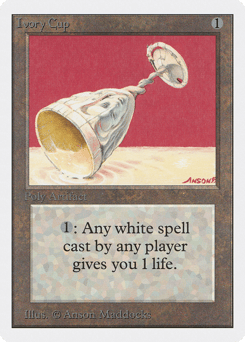 |
Ivory Cup #252 Unlimited Edition (1993) |
$2.50 | — | — |
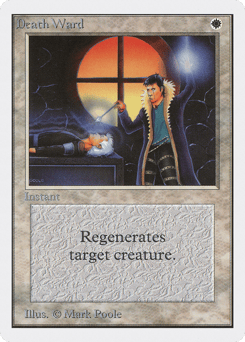 |
Death Ward #18 Unlimited Edition (1993) |
$0.77 | — | — |
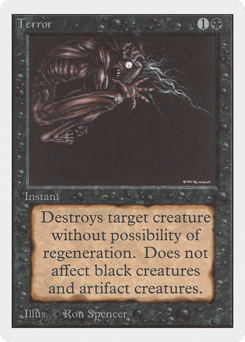 |
Terror #131 Unlimited Edition (1993) |
$3.37 | — | — |
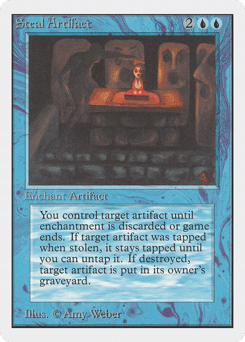 |
Steal Artifact #82 Unlimited Edition (1993) |
$2.98 | — | — |
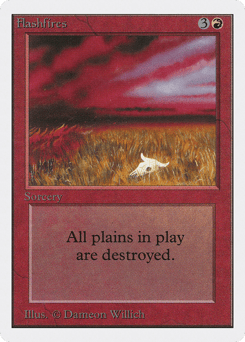 |
Flashfires #152 Unlimited Edition (1993) |
$2.90 | — | — |
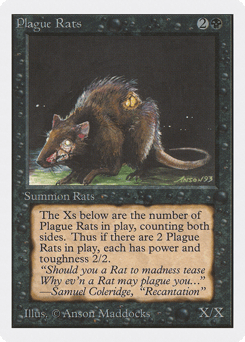 |
Plague Rats #122 Unlimited Edition (1993) |
$2.01 | — | — |
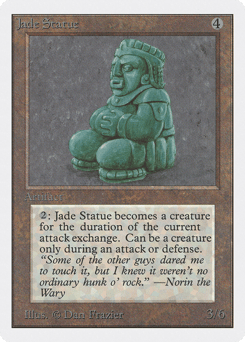 |
Jade Statue #254 Unlimited Edition (1993) |
$15.22 | — | — |
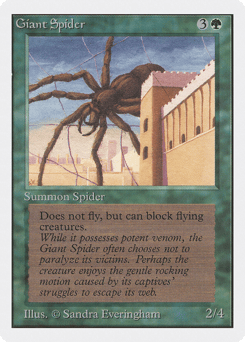 |
Giant Spider #199 Unlimited Edition (1993) |
$0.81 | — | — |
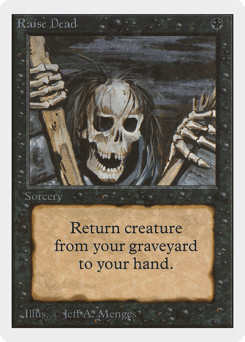 |
Raise Dead #123 Unlimited Edition (1993) |
$0.75 | — | — |
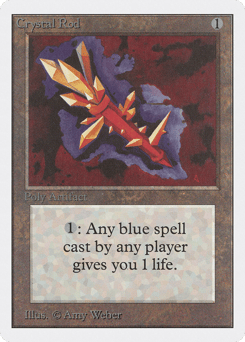 |
Crystal Rod #240 Unlimited Edition (1993) |
$3.65 | — | — |
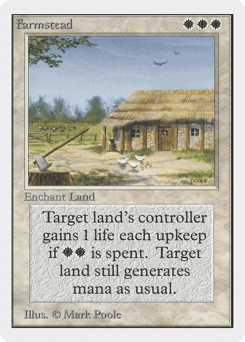 |
Farmstead #20 Unlimited Edition (1993) |
$19.77 | — | — |
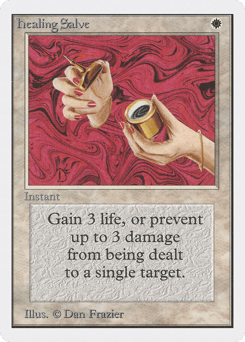 |
Healing Salve #23 Unlimited Edition (1993) |
$0.79 | — | — |
Look up any card's current raw and graded value in Midpoint — and get an estimated grade before you pay to submit.
Table of Contents
- Section 1: Understanding Unlimited Edition MTG Cards Value
- Section 2: Most Valuable Unlimited Edition Cards and Their Market Prices
- Section 3: How Card Condition Influences Unlimited Edition Values
- Section 4: Grading Impact: PSA 10 Value and Beyond
- Section 5: Comparing Unlimited Edition with Alpha, Beta, and Revised Sets
- Section 6: Complete Unlimited Edition Sets: Market Value and Trends
Conclusion
FAQ
Section 1: Understanding Unlimited Edition MTG Cards Value
The Unlimited Edition Overview
The Unlimited Edition MTG cards value reflects one of the earliest print runs of Magic: The Gathering, released in 1993. This set followed Alpha and Beta, featuring a white border distinguishing it from the earlier black-bordered printings. Despite its similarity in card list and artwork to Beta, the Unlimited Edition has a distinct collector base, where price dynamics depend heavily on rarity, card condition, and grading.
Unlike Alpha and Beta, which were printed in much smaller quantities, Unlimited had a significantly larger print run—estimated at over 35 million cards—making it more widely available. However, the white border and slight print quality differences set it apart aesthetically and influence collector preferences. This edition is often the first vintage set accessible to many collectors due to its relative availability and pricing.
Rarity Breakdown and Impact on Value
Unlimited Edition cards fall into four rarity categories: commons, uncommons, rares, and basic lands. Typically, rares and iconic cards hold the highest values, with commons and uncommons remaining relatively affordable. Basic lands in Unlimited are plentiful and usually have nominal value unless in pristine condition or graded highly.
- Commons and Uncommons: Affordable but can hold nostalgic or set-completion value. For example, commons like "Llanowar Elves" or uncommons like "Swords to Plowshares" are widely collected but rarely exceed $5 unless graded in Gem Mint condition.
- Rares: Most collector and investor interest—prices vary widely. Rares such as "Shivan Dragon" or "Serra Angel" typically range from $10 to several hundred dollars depending on condition, but the Power Nine rares command exponentially higher prices.
- Basic Lands: Low value unless graded in top condition. A PSA 10 Unlimited Island or Swamp may fetch $50-$100, mainly due to scarcity of perfect condition cards rather than playability.
Price Guide Methodology
Prices for Unlimited Edition MTG cards are tracked using a combination of recent sales data, active marketplace listings, and grading population reports. Midpoint’s database aggregates over 250,000 cards and offers live price estimates for raw and graded copies, updated as of 2026-08-09. This dynamic pricing approach aims to provide collectors with accurate insights into current market trends.
The pricing model incorporates several key factors:
- Recent sales velocity and volume: Cards with frequent sales provide more reliable pricing signals.
- Grading population rarity: Cards with fewer PSA 10 copies tend to command higher premiums.
- Market demand fluctuations: Tournament play, reprints, and meta shifts can influence prices.
- Condition tiers: Pricing is stratified by Near Mint, Excellent, Played, and other conditions.
For example, Black Lotus raw prices can fluctuate by several thousand dollars within months depending on market interest and grading trends.
| Card Name | Raw Value (USD) | PSA 10 Value (USD) | Graded vs Raw Premium |
|---|---|---|---|
| Black Lotus | $15,000 | $120,000 | 8x |
| Mox Sapphire | $1,900 | $11,000 | 5.8x |
| Time Walk | $3,800 | $28,000 | 7.4x |
| Ancestral Recall | $6,500 | $55,000 | 8.5x |
| Timetwister | $2,200 | $18,000 | 8.2x |
Section 2: Most Valuable Unlimited Edition Cards and Their Market Prices
Top Chase Cards Worth Collecting
The most valuable Unlimited Edition cards represent the Power Nine — legendary cards that are highly sought after by collectors and players alike. These include Black Lotus, Moxen (Mox Sapphire, Mox Jet, Mox Ruby, Mox Pearl, Mox Emerald), Time Walk, Ancestral Recall, and Timetwister.
- Black Lotus: The crown jewel, with raw copies averaging around $15,000 and PSA 10 copies reaching six figures. Due to extreme scarcity, recent auction sales have occasionally exceeded $130,000 for pristine copies.
- Moxen: Mox Sapphire leads the group at approximately $1,900 raw and over $11,000 graded PSA 10. Mox Jet and Mox Pearl also trade between $1,200-$1,800 raw, with PSA 10 prices approaching $8,000-$10,000.
- Time Walk: A powerful card at roughly $3,800 raw value and $28,000 in PSA 10 condition, highly prized for its game-breaking ability and rarity.
- Ancestral Recall: High raw price near $6,500, soaring to $55,000 graded PSA 10. Its popularity among vintage players keeps demand strong.
- Timetwister: Less common, valued at about $2,200 raw and $18,000 graded PSA 10, often considered one of the hardest Power Nine cards to find in top condition.
Other Valuable Rares
Beyond the Power Nine, several rares like "Wheel of Fortune," "The Tabernacle at Pendrell Vale," and "Library of Alexandria" maintain strong prices, often ranging from $500 to $5,000 raw. For example, "Wheel of Fortune" Unlimited rares can fetch around $900-$1,200 raw and $4,000-$5,000 graded PSA 10.
Iconic creatures like "Shivan Dragon" and "Serra Angel" can command $50-$200 raw and $300-$600 in PSA 10, especially if they exhibit perfect centering and no surface flaws.
Collector demand often hinges on condition and grading population reports, with graded examples commanding premiums of 2-5x raw values depending on the card.
Commons and Uncommons with Niche Value
While commons and uncommons rarely reach high price points, cards like the "Chaos Orb" (due to its unique status as a physically destructive card) or early limited-print cards can fetch collector interest. For example, "Chaos Orb" Unlimited commons may sell for $50-$100 raw if in excellent condition, rising to $300+ graded PSA 10.
Such cards generally serve set-completion or nostalgia purposes rather than investment. Some uncommons like "Swords to Plowshares" and "Counterspell" have modest playability value in legacy formats, occasionally pushing prices to $20-$50 raw.
Section 3: How Card Condition Influences Unlimited Edition Values
Importance of Card Condition
Condition remains the single most critical factor affecting Unlimited Edition MTG cards value. Minor edge wear, centering imperfections, or surface scratches can drastically reduce a card’s worth. Collectors typically grade cards using established scales, with Near Mint and Mint conditions fetching the highest prices.
Even subtle imperfections such as slight whitening on edges or minor scuffing can reduce a card’s grade from PSA 10 to PSA 9 or lower, resulting in a loss of 40-60% in value for high-end cards. For example, a Black Lotus PSA 9 might sell for around $50,000-$70,000, significantly less than a PSA 10.
Cards graded as Played or Poor condition often command only a fraction of Near Mint value, making condition assessment vital for sellers and buyers.
Centering and Edge Wear Effects
Centering — the alignment of the card’s border — is especially pivotal. Cards with perfect or near-perfect centering command substantial premiums, while off-centered cards can lose 20-40% or more of their value. Edges and corners must be free from dings or whitening to maintain grade integrity.
For example, a Mox Sapphire with centering measured at 60/40 or worse may be graded PSA 8 or below, reducing its value from $11,000 PSA 10 to $4,000-$6,000. Centering is measured as the percentage of the border width on each side, with balanced borders considered ideal.
Surface wear such as scratches, print defects, or staining also negatively impacts value and grading outcomes.
Using AI Tools for Pre-Grading
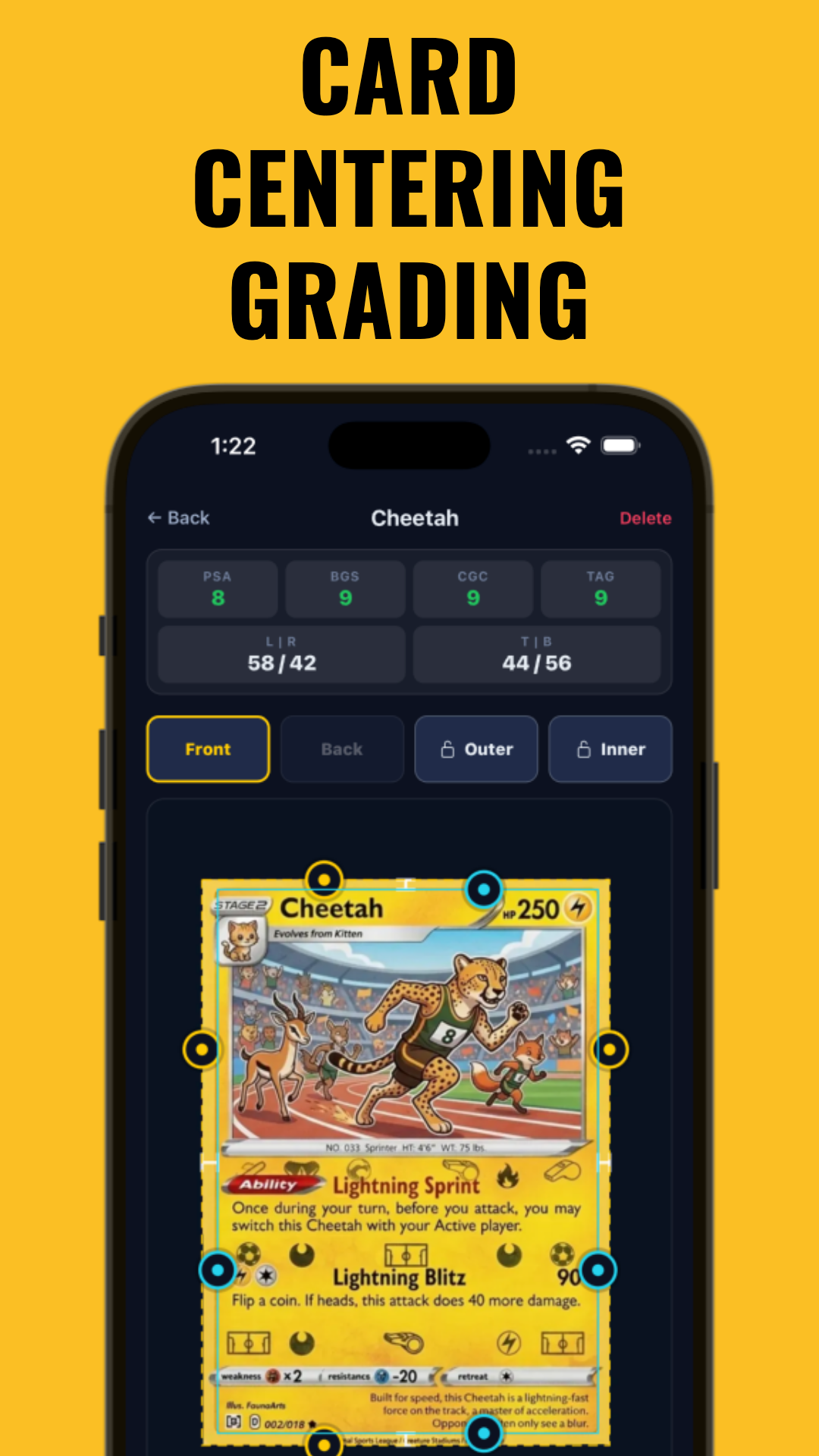
Tools like Midpoint enable collectors to measure card centering down to the millimeter and receive AI-based grading estimates across PSA, BGS, CGC, and TAG scales. This can help prioritize which Unlimited Edition cards are worth submitting for costly professional grading, potentially saving hundreds of dollars and maximizing ROI.
Midpoint’s AI analyzes high-resolution scans or photos to detect edge wear, corner sharpness, surface gloss, and centering metrics, providing a comprehensive pre-grade score. This allows collectors to avoid submitting cards unlikely to achieve high grades, and instead focus on those with the best value upside.
Section 4: Grading Impact: PSA 10 Value and Beyond
Why PSA 10 Matters
PSA 10 (Gem Mint) grades represent the holy grail in card collecting. Unlimited Edition cards graded PSA 10 can command 4-8x the value of raw cards, as seen with the Black Lotus (from $15,000 raw to $120,000 PSA 10). The scarcity of flawless copies drives this premium, and grading population reports indicate relatively few PSA 10 Unlimited Black Lotus cards exist.
PSA 10 cards are characterized by perfect centering (approximately 60/40 or better on all sides), flawless surfaces with no scratches or print defects, and sharp corners free of wear. This extreme rarity often makes PSA 10 copies the most sought-after by collectors and investors.
Other Grading Companies and Value Differences
Besides PSA, companies like Beckett (BGS), CGC, and TAG also grade Unlimited Edition cards. While PSA tends to command the highest market premiums, BGS especially is favored for its subgrades and case quality. BGS grades cards on four subgrades: centering, edges, corners, and surface, providing a nuanced picture of card condition.
For example, a BGS 9.5 with a 10 in centering might trade at a similar or slightly higher price than a PSA 10 in some cases. CGC and TAG are newer entrants gaining traction, offering competitive grading turnaround times and modern case designs.
Midpoint’s AI grading estimates these different grading scales, offering collectors a comprehensive view before submission. This allows for strategic decisions such as choosing the grading company that maximizes potential value for specific cards.
Grading Cost vs. Value Gain
Submitting an Unlimited Edition card for grading typically costs $30 or more, plus shipping. High-value cards like the Power Nine almost always justify this expense. However, mid-tier cards or cards with condition issues may not recoup grading costs. Using Midpoint’s digital grading tools can clarify this decision by projecting estimated final grades and values.
For instance, submitting a Black Lotus raw at $15,000 can yield a PSA 10 valued at $120,000, clearly justifying grading fees. Conversely, a common Unlimited rare card valued at $10 raw may not increase enough in value post-grading to cover the $30+ costs.
Collectors should also consider turnaround times and potential risks such as damage during shipping or differing grader opinions. Pre-submission AI grading reduces uncertainty and helps avoid wasted fees.
Section 5: Comparing Unlimited Edition with Alpha, Beta, and Revised Sets
Value Positioning
Unlimited Edition MTG cards value generally sits below Alpha and Beta but above Revised. Alpha’s extreme scarcity and imperfect print runs make it the most valuable, with Beta close behind. Unlimited’s white border and larger print run reduce rarity, but its historical significance and early print status maintain strong prices.
Alpha’s print run was approximately 2.6 million cards, making it the rarest and most expensive, often commanding 3-5x the value of Unlimited cards for identical cards. Beta, printed at roughly 7.3 million cards, is intermediate in scarcity and pricing. Revised, with even larger print runs and later release, generally commands lower prices.
Condition and Print Differences
Alpha cards often have rounded corners and fragile edges, leading to lower survivability in top condition. This results in fewer PSA 10 copies available and higher grading premiums. Beta shares many traits with Alpha but was produced in larger quantities, resulting in a somewhat larger population of high-grade cards.
Unlimited’s square corners and white border make condition assessment more straightforward, often resulting in higher population of PSA 10 cards. The white border is sometimes less visually appealing to collectors, influencing demand. Additionally, print quality in Unlimited is generally lower than Beta's, with some color saturation and registration issues.
Collector Preferences
Some collectors prefer Unlimited for its clean borders and easier condition grading, while others prize Alpha and Beta for their scarcity and original artwork quality. The market reflects these preferences, with Unlimited cards offering a more accessible entry point for high-value cards like Black Lotus.
For example, a PSA 10 Beta Black Lotus may sell for $250,000+, significantly higher than the $120,000 Unlimited PSA 10. However, the larger population of Unlimited PSA 10 copies can provide more liquidity and trading opportunities.
Section 6: Complete Unlimited Edition Sets: Market Value and Trends
Set Completion Premiums
Owning a complete Unlimited Edition set can command a significant market premium over the sum of individual cards. Collectors value the cohesiveness and rarity of assembling all cards in high-grade condition. Complete sets, especially graded, may sell for tens of thousands of dollars more than individual component prices combined.
For example, a raw Unlimited set might be valued around $70,000-$85,000, but a fully PSA graded set with most cards in Mint or Near Mint condition can command $100,000-$150,000 or more. The premium is driven by the difficulty of sourcing high-grade copies of every card, including commons and uncommons often overlooked.
Market Data and Trends
As of 2026-08-09, complete Unlimited Edition sets range from approximately $80,000 to $150,000 depending on grading and condition. The rise in vintage MTG collecting fuels demand, with set-level tracking tools available in apps like Midpoint to monitor portfolio values over time.
Set sales have seen steady appreciation averaging 5-8% annually over the past five years. Notably, graded complete sets have tended to outperform raw sets, emphasizing the importance of condition and grading investment.
Market trends indicate increasing interest among institutional investors and high-net-worth collectors, driving liquidity and price stability for premium sets.
Tips for Building a Complete Set
- Focus on grading high-value rares first to protect investment. Power Nine cards and iconic rares should be prioritized for grading submission and preservation.
- Use AI tools to pre-grade commons and uncommons to decide which cards justify grading costs. Many low-value cards do not benefit significantly from grading and can be stored raw.
- Maintain pristine storage conditions to preserve card quality — see our Ultimate Collector's Guide for best practices. Use acid-free sleeves, top loaders, and temperature-controlled environments to avoid degradation.
- Sequence acquisitions strategically, buying undervalued cards during market dips and selling high-demand pieces to fund grading or complete gaps.
- Leverage portfolio tracking tools in Midpoint to analyze set value trends, identify undervalued cards, and optimize buy/sell timing.
Conclusion
The Unlimited Edition MTG cards value landscape offers both exciting investment potential and challenges for collectors. The Power Nine cards stand out as the most valuable chase pieces, with PSA 10 graded copies commanding substantial premiums over raw counterparts. Card condition, especially centering and edges, plays a pivotal role in pricing, making pre-grading tools like Midpoint useful for informed decisions.
Compared to Alpha, Beta, and Revised sets, Unlimited balances scarcity and accessibility, offering collectors a practical entry into vintage MTG cards. For those aiming to complete the entire set, grading strategy and portfolio tracking are key to maximizing value over time.
Whether you’re buying, selling, or submitting cards for grading, understanding detailed Unlimited Edition price guides and leveraging AI centering analysis can empower you to navigate this vibrant market with confidence. Staying updated on market trends, grading population reports, and condition assessment remains important to success in this niche but rewarding collecting sector.
FAQ
Q: How much is an Unlimited Edition MTG card worth?
A: Unlimited Edition cards vary widely in value. Common cards may be worth a few dollars, while top rares like Black Lotus can fetch around $15,000 raw and up to $120,000 graded PSA 10, as of 2026-08-09. Value depends on card rarity, condition, and grading status.
Q: What are the most valuable Unlimited Edition cards?
A: The most valuable include the Power Nine: Black Lotus, Mox Sapphire, Mox Jet, Mox Ruby, Mox Pearl, Mox Emerald, Time Walk, Ancestral Recall, and Timetwister. These cards command the highest market prices due to scarcity and playability.
Q: Is Unlimited Edition more valuable than Revised, Beta, or Alpha?
A: Unlimited is generally less valuable than Alpha and Beta but more valuable than Revised. Alpha remains the rarest and most expensive, with Beta close behind. Unlimited offers a balance of accessibility and vintage appeal.
Q: How does card condition affect Unlimited Edition card prices?
A: Condition dramatically impacts value. Cards in Mint or Near Mint condition can be worth several times more than heavily played copies, especially when graded PSA 10. Even slight imperfections can reduce value by 40-60% or more.
Q: What is the value of a complete Unlimited Edition set?
A: Complete sets can range from approximately $80,000 to $150,000 depending on condition and grading, reflecting a premium over individual card sums. Graded complete sets typically command higher prices.
Q: Where can I find the current prices for Unlimited Edition MTG cards?
A: Current prices are available via collector apps like Midpoint, which provide live raw and graded value estimates backed by recent sales data. These tools enable real-time market insights and portfolio tracking.
Free to start
Try the Midpoint app
Grade any card from a photo, see its raw and PSA 10 value, and track what your collection is worth — free.
Get it on iPhoneGet it on Android