
Unnumbered Promos Pokémon Cards Value: The Essential 2026 Guide
Discover the value of Unnumbered Promos Pokémon cards, how to identify rare promos, PSA 10 vs raw prices, and which cards are worth grading in 2026.

Estimated reading time: 13 min
Key Takeaways
- Unnumbered Promos Pokémon cards are among the rarest and most valuable TCG collectibles, with significant value gaps between raw and PSA 10 grades.
- Identifying unnumbered promos involves checking year, artwork, distribution method, and the absence of a set number.
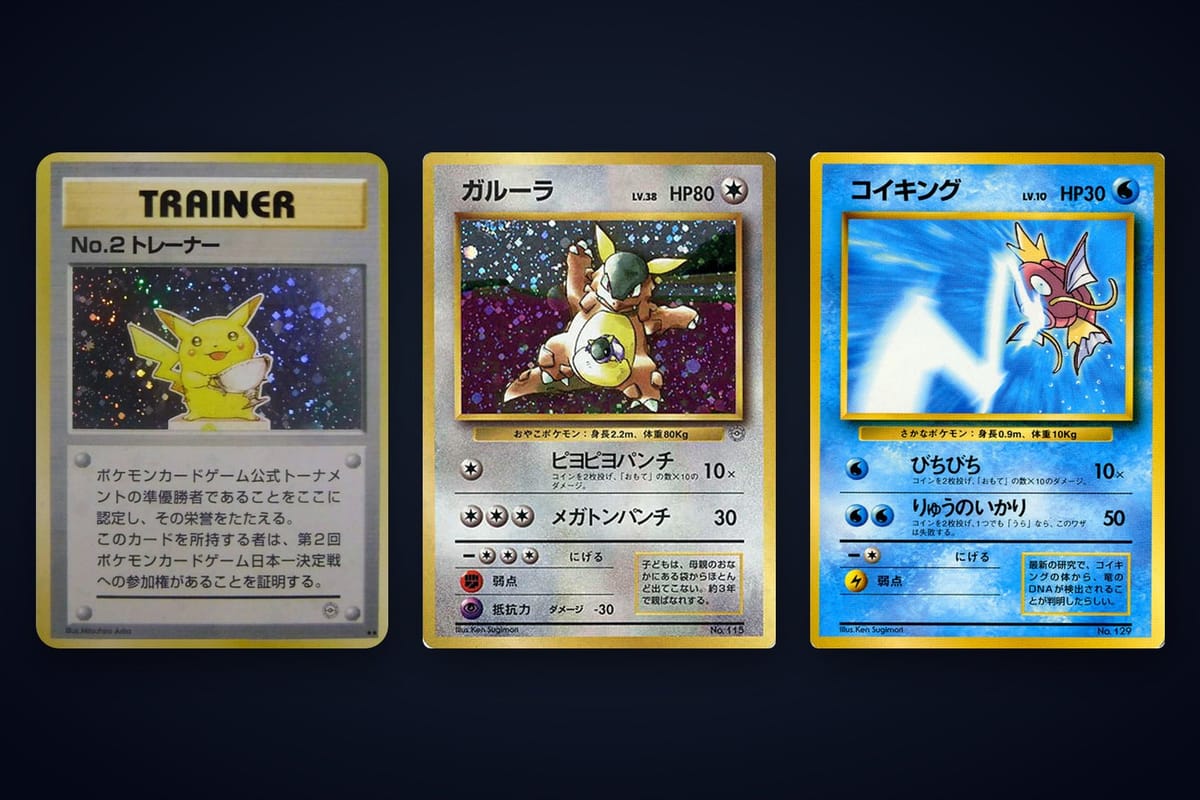
- Iconic cards like No.2 Trainer, Kangaskhan, and Magikarp have sold for high prices in PSA 10, far above their raw counterparts.
- Event exclusivity and low print runs drive both rarity and collector demand, impacting long-term value.
- Using tools like Midpoint may help assess centering and condition before deciding if an unnumbered promo is worth grading.
Card values — live data from Midpoint's card database, as of 2026-08-15. Prices move; Midpoint refreshes these daily.
| Card | Raw | PSA 10 | Gem premium | |
|---|---|---|---|---|
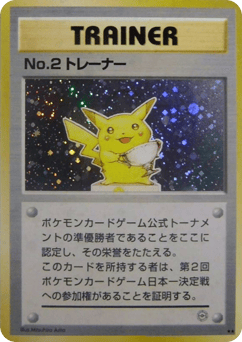 |
No.2 Trainer Unnumbered Promos (1996) |
— | $444,000 | — |
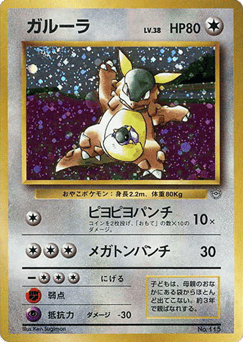 |
Kangaskhan Unnumbered Promos (1996) |
— | $215,518 | — |
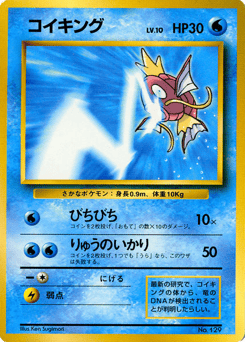 |
Magikarp Unnumbered Promos (1996) |
— | $185,277 | — |
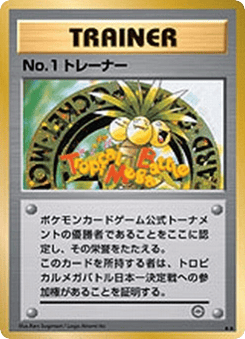 |
No.1 Trainer Unnumbered Promos (1996) |
— | $120,021 | — |
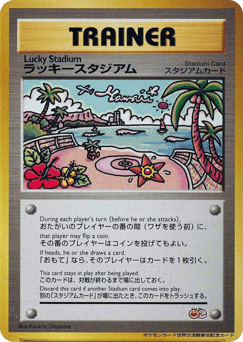 |
Lucky Stadium Unnumbered Promos (1996) |
— | $50,160 | — |
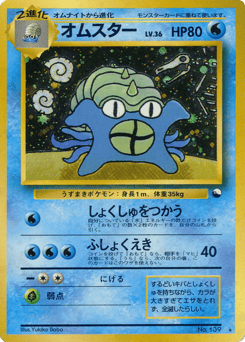 |
Omastar #No.139 Unnumbered Promos (1996) |
$100,000 | $47,465 | 0.5× |
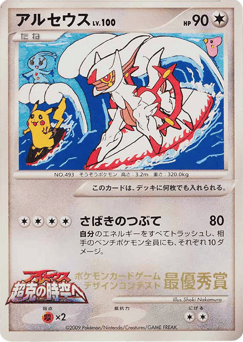 |
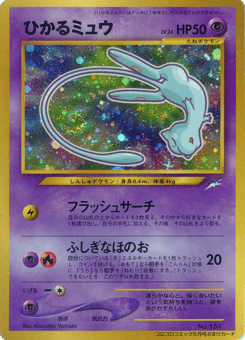
Arceus Unnumbered Promos (1996) |
— | $43,200 | — |
 |
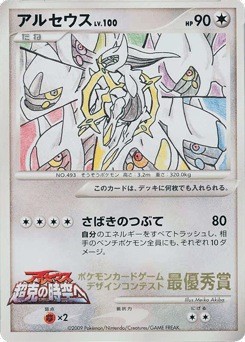
Shining Mew Unnumbered Promos (1996) |
— | $42,424 | — |
 |
Arceus Unnumbered Promos (1996) |
— | $31,200 | — |
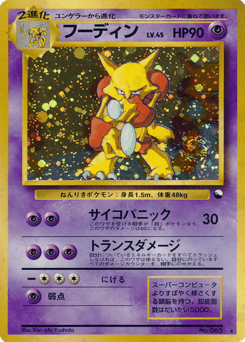 |
Alakazam #No.065 Unnumbered Promos (1996) |
$180,000 | $25,451 | 0.1× |
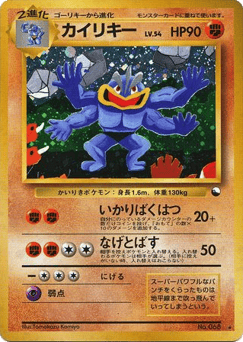 |
Machamp #No.068 Unnumbered Promos (1996) |
$100,000 | $24,000 | 0.2× |
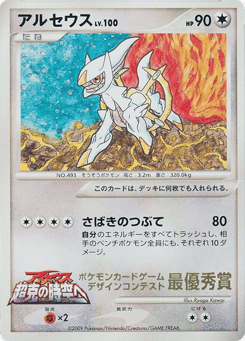 |
Arceus Unnumbered Promos (1996) |
— | $19,800 | — |
Look up any card's current raw and graded value in Midpoint — and get an estimated grade before you pay to submit.
Table of Contents
- Section 1: What Are Unnumbered Promos Pokémon Cards?
- Section 2: How to Identify an Unnumbered Promo Card
- Section 3: Value Drivers—Condition, Rarity, and Distribution
- Section 4: Raw vs PSA 10—Understanding the Value Gap
- Section 5: High-Value Standouts and Price Ranges
- Section 6: How to Price, Grade, and Sell Unnumbered Promos
- Conclusion
- FAQ
Section 1: What Are Unnumbered Promos Pokémon Cards?
When collectors talk about "unnumbered promos Pokémon cards value," they’re referring to a subset of Pokémon promo cards—releases that lack a collection number and were distributed through exclusive, often one-off events. These cards, most notably from the Unnumbered Promos (1996) group, represent some of the rarest and most coveted Pokémon TCG collectibles ever produced.
Definition and Scope
Unlike standard promo cards, which have a set symbol and number (e.g., "SM158" or "BW01"), unnumbered promos typically have no collection number printed on the card. Most originate from the mid-to-late 1990s, distributed at tournaments, special events, or as prizes for competitions in Japan.
- No set number: The defining feature—no numerical identifier in the usual spot.
- Japanese exclusivity: Nearly all unnumbered promos are Japanese, with unique text and sometimes holo patterns.
- Special artwork or stamps: Many feature unique illustrations or winner stamps, denoting their prize status.
Unnumbered vs Numbered Promos
Numbered promos are more widely distributed and easier to track for sets and value. Unnumbered promos are both mysterious and limited, with print runs sometimes believed to be very low.
Why They Matter
The value of unnumbered promos Pokémon cards is tied directly to their exclusivity, historical context, and the challenge of finding them in top condition. Notable examples include No.1 Trainer, No.2 Trainer, and the iconic Kangaskhan promo.

Section 2: How to Identify an Unnumbered Promo Card
Spotting an unnumbered promo isn’t always obvious, especially for new collectors. Accurate identification is crucial for assessing unnumbered promos Pokémon cards value and avoiding common pitfalls with fakes or misattributions.
Key Features to Look For
- No Collection Number: Check the bottom right (or left) of the card face—there should be no number like “XY-P” or “001/SM-P.”
- Promo or Event Stamps: Many unnumbered promos have gold foil stamps reading "Winner," "Best in Japan," or event-specific logos.
- Unique Artwork: Often illustrated by well-known artists and distinct from standard set releases.
- Year and Set Details: Most were produced between 1996–1999, frequently for Japanese events—check for Japanese text and copyright years.
Examples of Iconic Unnumbered Promos
Examples include the Kangaskhan Family Event Trophy card, Magikarp Tamamushi University promo, and the various No.1, No.2, and No.3 Trainer cards. All are devoid of a collection number, and their artwork or stamps are unique to the event they represent.
Distinguishing from Other Promos
Be cautious: some English-language promos from early Wizards of the Coast releases lack a number, but these are not the “unnumbered promos” discussed here. The term almost always refers to Japanese cards distributed in the 1990s.
Why Identification Matters for Value
Proper identification ensures you know whether you have a bulk deck card (low value) or a tournament trophy card (potentially very high value). Counterfeits often target high-value unnumbered promos, so cross-reference with trusted price guides and professional databases.
Section 3: Value Drivers—Condition, Rarity, and Distribution
The value of unnumbered promos Pokémon cards is determined by a combination of condition, rarity, and distribution history. Each factor can multiply a card’s price—sometimes significantly—especially as you move from raw (ungraded) to PSA 10 status.
Condition: Raw, Near Mint, and Graded
- Raw: Cards not graded by PSA, BGS, or CGC. Prices vary dramatically based on visible wear.
- Near Mint: Minor imperfections, sharp corners, and clean surfaces; fetches a premium but still below graded gem mints.
- PSA 9 vs PSA 10: PSA 9s are strong but PSA 10s command significant premiums—often several times over raw for the same card.
Rarity: Print Run and Population
Most unnumbered promos were distributed in extremely limited numbers. For example, trophy cards like No.1 Trainer or No.2 Trainer were awarded to a small number of winners at select tournaments. Population data from grading companies often shows single-digit or low double-digit PSA 10s, fueling scarcity.
Distribution: Event, Tournament, and Prize Cards
The more exclusive the event, the more valuable the card. Deck-insert promos or magazine giveaways are less rare. Major drivers include:
- Tournament Awards: Top prizes (e.g., No.1 Trainer) can fetch very high prices.
- Event Giveaways: Cards handed out at conventions or for special occasions tend to have higher print runs and lower value.
- Magazine Inserts: Mass-produced and thus usually worth less.
Population Data: The Hidden Lever
Always check population reports—low PSA 10 counts signal scarcity, which collectors may pay a premium for. For more, read the Card Grading for Low Population Cards: The Complete Guide.
Section 4: Raw vs PSA 10—Understanding the Value Gap
One of the defining features of the unnumbered promos Pokémon cards value market is the dramatic gap between raw and PSA 10 prices. This "gem premium" can be several times higher for top-tier cards.
What Drives the Premium?
- Condition sensitivity: Older Japanese promos are known for print defects, centering issues, and edge wear, making true PSA 10s rare.
- Collector demand: High-end buyers want the best, and are willing to pay multiples for a pristine copy.
- Investment appeal: PSA 10s are viewed as premium collectibles, with historical price appreciation often outpacing raw or lower-grade versions.
Case Studies: Gem Premiums in 2026
- Omastar #No.139: Raw $100,000 vs PSA 10 $47,465 (in rare cases, raw can outprice PSA 10 if population is extremely low or raw copies are misattributed).
- Alakazam #No.065: Raw $180,000 vs PSA 10 $25,451 (in some cases, extremely low or zero PSA 10 population means raw is the only option for collectors).
- No.2 Trainer: Raw price not listed, but PSA 10 $444,000 as of 2026-08-15, showing the top end of the market.
When Is Grading Worth It?
For cards with six-figure PSA 10 sales, grading is often worth the investment if your card is in exceptional condition. For mid-tier promos or those with high populations, the value gap narrows. Using digital grading tools like Midpoint can help you predict PSA/BGS/CGC outcomes before you spend money on submissions.
How to Check Value Gaps
Always use sold listings and population reports, not just asking prices. For a deeper dive on the impact of grading, see Card Grade Impact on Insurance Value: The Ultimate Guide.
Section 5: High-Value Standouts and Price Ranges
Not all unnumbered promos are created equal. The "most valuable Unnumbered Promos cards" are those that combine extreme rarity, historical importance, and collector demand. Let’s break down standout examples from the 1996 set and their reported values as of 2026-08-15.
Top-Tier Icons
- No.2 Trainer: PSA 10 $444,000 — Awarded at elite tournaments; among the rarest Pokémon cards known.
- Kangaskhan: PSA 10 $215,518 — The "Parent/Child" event trophy card.
- Magikarp: PSA 10 $185,277 — The Tamamushi University promo, notable for its limited distribution.
- No.1 Trainer: PSA 10 $120,021 — Another trophy card, with only a few known copies in existence.
Mid-Tier and Niche Standouts
- Lucky Stadium: PSA 10 $50,160 — Event promo, less rare than trophy cards but still highly sought after.
- Omastar #No.139: Raw $100,000, PSA 10 $47,465 — In rare cases, raw price exceeds PSA 10 due to scarcity or demand for ungraded copies.
- Arceus: Several versions, with PSA 10s reportedly ranging from $19,800 to $43,200.
- Shining Mew: PSA 10 $42,424 — prized for its unique artwork.
The Bulk and Lower-End
Deck inserts and magazine promos are much more common, often trading for hundreds rather than thousands or tens of thousands of dollars—unless graded PSA 10 and low population.
What Makes a Card a "Chase"?
Event exclusivity, print run, and a famous Pokémon (like Pikachu or Mew) create chase cards. If your unnumbered promo checks these boxes, chances are it’s valuable—especially in top condition.
Section 6: How to Price, Grade, and Sell Unnumbered Promos
Successfully pricing and selling unnumbered promos requires diligence and the right tools. Failing to use sold comps or misunderstanding condition can mean leaving significant value on the table—or overestimating value.
Pricing Your Card
- Use Exact Card Name: Search for the specific event (e.g., "Kangaskhan Family Event Trophy").
- Check Sold Listings: Platforms like eBay and Japanese auction sites reveal real sales, not just asking prices.
- Consult Price Guides: Use up-to-date resources like the Midpoint app’s card lookup or PSA’s population and auction data for "Unnumbered Promos price guide" accuracy.
Condition Assessment—Raw vs Graded
Always be honest about wear, scratches, and centering. AI-powered apps like Midpoint offer digital grading estimates, including centering measurement. For deeper context, see Card Centering Tool: Accurate Card Grading Estimates.
Is Grading Worth It?
For cards with six-figure PSA 10 sales, the answer is often yes—if your card is a legitimate candidate for gem mint. For others, weigh the cost of grading (often $30–$100+) against potential value increase. Digital pre-grading can help inform your decision.
Selling Tips
- Provide High-Resolution Photos: Showcase centering, corners, edges, and surface.
- Disclose All Flaws: Transparency builds buyer trust and avoids returns.
- Reference Sold Comps: Anchor your price to real, recent transactions—not wishful asking prices.
- Consider Auction Format: For ultra-rare cards, letting the market decide can fetch higher prices.
Portfolio Tracking
Use collector apps to monitor your collection’s value over time and spot market trends. This is especially helpful if you own multiple unnumbered promos or want to time your sale for peak demand.
Conclusion
The world of unnumbered promos Pokémon cards is a blend of history, rarity, and collector passion. Value is driven by event exclusivity, condition, and the constant chase for PSA 10s. With cards like No.2 Trainer and Kangaskhan reportedly breaking six figures in PSA 10, understanding what you have—and how to maximize its potential—is essential.
Always use sold data, population reports, and trusted grading tools. Midpoint’s AI grading and value tracking can give you an edge, whether you’re considering grading, buying, or selling. Ready to unlock your collection’s hidden potential? Explore Midpoint to start grading smarter today.
FAQ
Q: What are Unnumbered Promotional cards in Pokémon TCG?
A: Unnumbered promos are Japanese Pokémon cards from the 1990s awarded at exclusive events or tournaments. They lack a collection number and are among the rarest, with unique artwork or winner stamps.
Q: How do I tell if my Pokémon promo card is rare or valuable?
A: Check for a missing collection number, event-exclusive stamps, unique artwork, and verify distribution history. Then compare recent sold listings and population data to assess rarity and value.
Q: Are unnumbered promo Pokémon cards worth grading?
A: Grading can be worthwhile if your card is in excellent condition—especially for high-end trophies. PSA 10 grades can bring prices many times higher than raw cards, but grading is only worthwhile if your card is a true mint candidate.
Q: Which unnumbered promo Pokémon cards are the most valuable?
A: No.2 Trainer, Kangaskhan, Magikarp, and No.1 Trainer are among the most valuable, with PSA 10 copies reportedly selling for six figures as of 2026-08-15.
Q: How much are unnumbered promo Pokémon cards worth raw vs PSA 10?
A: The gap can be substantial—some trophy cards are valued at $100,000–$200,000 raw, but PSA 10s have sold for $200,000–$444,000. For some rare cards, raw prices may even exceed PSA 10 if no gems exist.
Q: Where can I check sold prices for Pokémon promo cards?
A: Use auction platforms, the Midpoint app’s card lookup, and PSA population reports for real-time, accurate sold price data on unnumbered promos.
Free to start
Try the Midpoint app
Grade any card from a photo, see its raw and PSA 10 value, and track what your collection is worth — free.
Get it on iPhoneGet it on Android


