What Is Surface Damage on a Card? Definitive Guide
Learn what surface damage on a card means, how to identify common defects, and why it impacts grading and value.

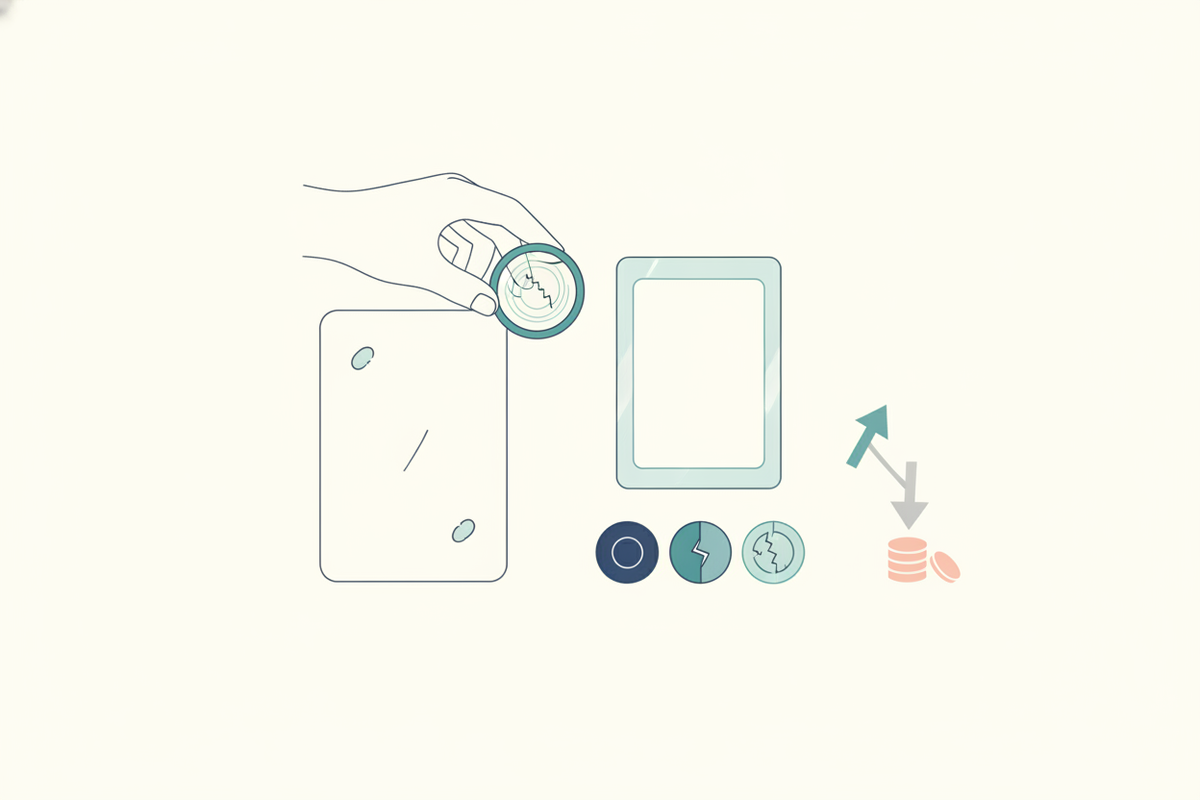
Estimated reading time: 6 min
Surface damage on a trading card refers to any visible defects affecting the card's front or back surfaces, such as scratches, scuffs, print lines, or dents. Unlike edge or corner wear, surface damage directly impacts the card's finish and artwork, which can lower its grade and value.
Key Takeaways
- Surface damage includes scratches, scuffs, micro-scratches, abrasions, dents, and gloss loss.
- It differs from edge or corner wear by affecting the card's flat surfaces rather than borders.
- Factory defects like print lines or clouding can resemble damage but are distinct.
- Surface damage is generally permanent and can lower card grading and value.
What Is Surface Damage on a Card?
Surface damage encompasses any imperfections that mar the card’s front or back surface. This includes scratches (visible lines caused by friction), scuffs (lighter surface disruptions), micro-scratches (tiny, often only visible under magnification), and abrasions (worn spots). Pressure-related damage such as dents, dimples, or indentations from binder pressure also fall under surface damage. Unlike corner wear grading or whitening on edges, surface damage directly impacts the card’s artwork and finish, making it an important factor in card condition assessments.
Common Surface Defects and How to Identify Them
Collectors and graders often encounter several types of surface defects. Here’s how to differentiate them:
- Scratches: Usually linear marks visible at certain light angles; often permanent.
- Scuffs and Micro-scratches: Finer, less obvious than scratches but still degrade surface quality.
- Abrasions: Areas where the surface finish is worn down, causing dull spots.
- Print Lines: Factory defects appearing as small lines or streaks in printing; not caused by handling.
- Clouding and Gloss Loss: Hazy areas or dull surfaces, sometimes factory-related or from surface wear.
- Holo Scratches: Specific to holo/chrome cards, visible when light hits at certain angles.
- Dents and Indentations: Pressure marks from storage or binder insertion, often harder to detect but impactful.
Factory Defects vs Handling Damage
Not all surface imperfections are damage. Print lines, clouding, and gloss loss can be factory defects—flaws from manufacturing that may not impact grading as much as handling damage. Distinguishing between these requires careful inspection using angled light and magnification. For example, print lines follow print patterns and remain consistent under scrutiny, whereas scratches disrupt the surface randomly.
How Grading Systems Classify Surface Damage
Grading companies like PSA, BGS, CGC, and TAG assess surface damage carefully since it affects a card’s condition and market value. Minor surface wear might be acceptable in high grades, but exposed base layers, severe scratches, or large dents can cause a card to receive a "Damaged" designation, which lowers its grade. Midpoint’s AI-powered grading tool helps collectors estimate these effects by analyzing surface, corners, edges, and centering before submission, assisting with submission strategies.
Inspecting Cards for Surface Damage at Home
Proper inspection is key to evaluating surface damage before grading or selling. Use these tips:
- Lighting: Employ bright, angled light to reveal scratches and scuffs, especially on holo cards.
- Magnification: A loupe or magnifying glass uncovers micro-scratches and print lines.
- Touch: Gently feel for dents or indentations.
- Photography: Capture images under consistent lighting to document and review details.
Apps like Midpoint integrate digital grading with precise centering and surface analysis, making inspection and pre-grading more accessible.

Surface Damage vs Surface Wear vs Damaged Condition
Surface wear refers to mild deterioration like slight gloss loss or minor scuffs that graders may overlook in higher grades. Surface damage is more severe and visible, such as scratches deep enough to expose the card’s base layer or cause color loss. When damage surpasses grading thresholds, the card may be labeled "Damaged," affecting value significantly. Understanding these distinctions helps collectors decide when a card is suitable for high-grade submission or better suited for raw sale.
Why Surface Damage Is Usually Permanent
Unlike some edge whitening or corner fraying that can be minimized with careful handling, surface damage such as scratches and dents is typically permanent. Attempts to remove scratches often risk further damage or reduce value. Prevention through proper storage and gentle handling—detailed in our Ultimate Collector’s Guide—is the best strategy.
Examples of Surface Damage That Lower Card Value
Examples include:
- Deep scratches through the holographic layer on a Pokémon card.
- Visible dents from binder pressure causing surface dimples.
- Abundant micro-scratches reducing gloss and clarity.
- Large print lines mistaken for scratches but verified as factory defects.
- Surface whitening or clouding that dulls the card’s artwork.
Such damage often results in grades below 10, affecting market value. Using Midpoint’s digital grading and condition analysis, collectors can estimate if "Will this card grade a 10?" before costly submissions.
FAQ
Q: What counts as surface damage on a card?
A: Surface damage includes scratches, scuffs, dents, gloss loss, and any visible defects affecting the card’s front or back surfaces. Factory defects like print lines may resemble damage but are distinct.
Q: Are scratches on a card considered surface damage?
A: Yes, scratches are a common form of surface damage and can lower a card’s grade and value.
Q: How do you tell the difference between print lines and scratches on a trading card?
A: Print lines are factory defects aligned with print patterns and consistent under magnification, while scratches are random surface disruptions caused by handling.
Q: Can surface damage be repaired or removed from a card?
A: Surface damage is usually permanent, and attempts to repair scratches or dents risk further damage and decreased value.
Q: Does surface damage lower a card’s grade?
A: Yes, surface damage affects grading and may cause a card to be labeled as "Damaged" if severe.
Q: What is the difference between surface wear and edge wear on a card?
A: Surface wear affects the card’s flat surfaces (like gloss loss or minor scuffs), while edge wear involves whitening or fraying along the card’s borders.
Free to start
Try the Midpoint app
Grade any card from a photo, see its raw and PSA 10 value, and track what your collection is worth — free.
Get it on iPhoneGet it on Android