1964 Topps PSA 9 vs PSA 10 Value: Exact Price Differences & Insights
Explore the 1964 Topps PSA 9 vs PSA 10 value gap, top cards with biggest premiums, and when PSA 9 is a smarter buy for collectors.

Estimated reading time: 12 min
Key Takeaways
- The 1964 Topps PSA 9 vs PSA 10 value gap varies widely by card, with some key cards commanding premiums up to 5x or more.
- High-end stars like Mantle, Aaron, and Mays often drive the largest PSA 10 premiums, sometimes exceeding $100,000 as of 2026-09-04.
- Centering and surface condition are important factors influencing the jump from PSA 9 to PSA 10 in 1964 Topps cards.
- For many less iconic or condition-sensitive cards, a PSA 9 offers strong value and may be a smarter, cost-effective buy.
- Population scarcity and card-specific rarity remain significant drivers of PSA 10 premium pricing differences.
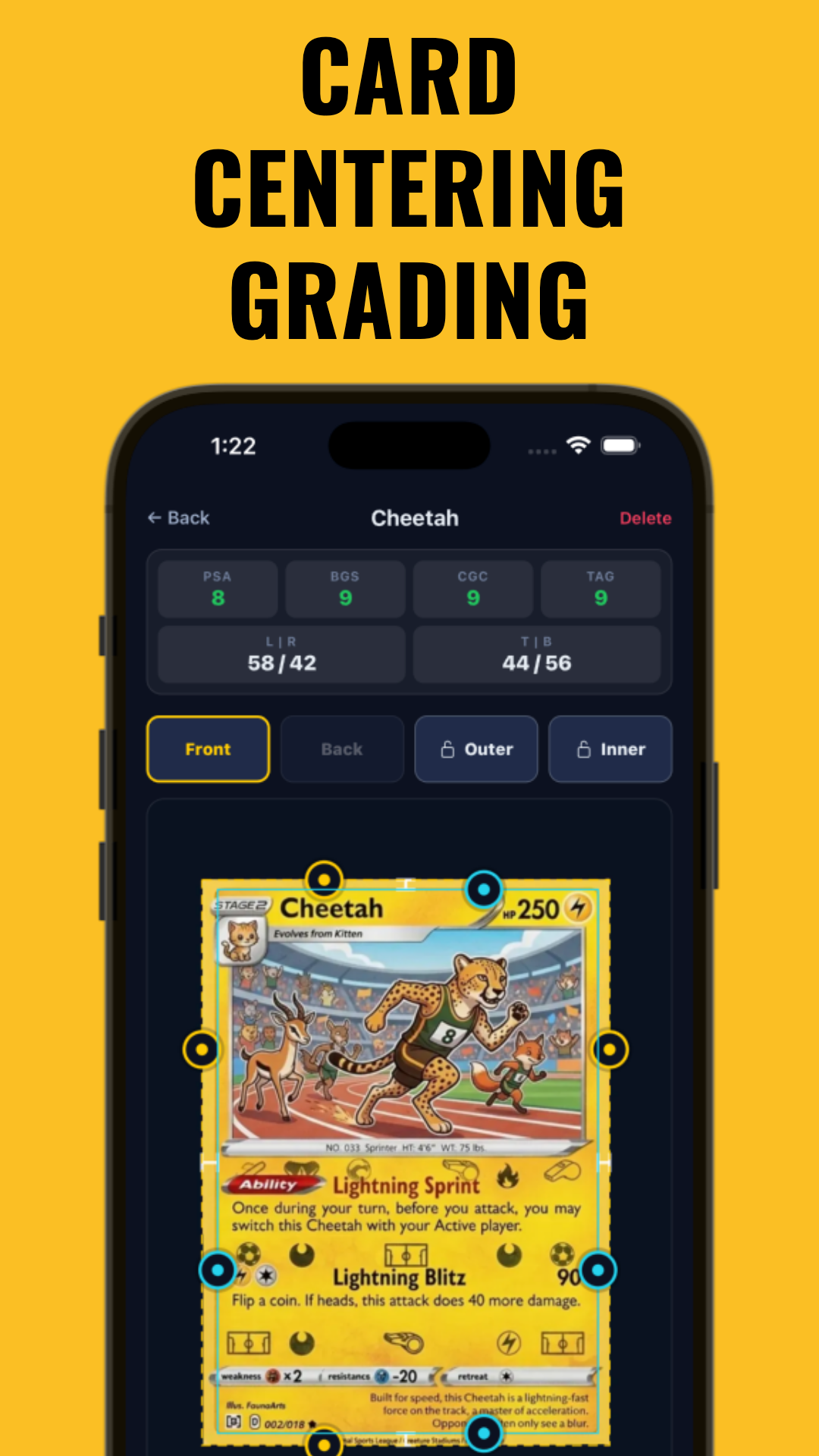
The 1964 Topps PSA 9 vs PSA 10 value comparison reveals that not all cards are created equal when it comes to grading premiums. Some cards see substantial price jumps at gem mint (PSA 10), while others show more modest increases or minimal differences. This guide breaks down the approximate price spread for key cards, explains how set release types affect value, and helps collectors decide when a PSA 9 holds its own or when pursuing a PSA 10 might be worth the investment. For collectors looking to pre-grade or measure centering before submitting, Midpoint offers AI-driven digital grading estimates that can help save money and time.
Card values — live data from Midpoint's card database, as of 2026-09-04. Prices move; Midpoint refreshes these daily.
| Card | Raw | PSA 10 | Gem premium | |
|---|---|---|---|---|
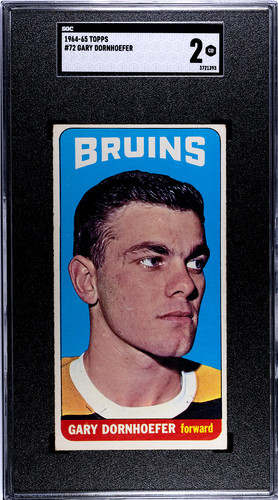 |
Gary Dornhoefer #72 1964 Topps |
$228.38 | $37,208 | 162.9× |
 |
Tom Williams #58 1964 Topps |
$206.25 | $33,611 | 163× |
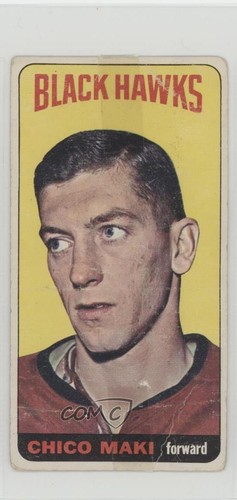 |
Chico Maki #73 1964 Topps |
$157.61 | $25,676 | 162.9× |
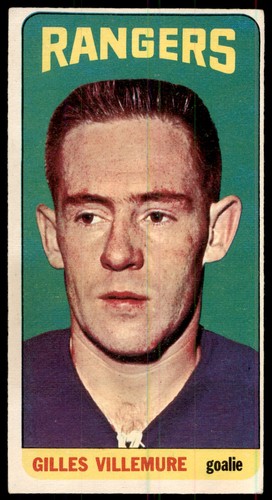 |
Gilles Villemure #74 1964 Topps |
$150.28 | $24,134 | 160.6× |
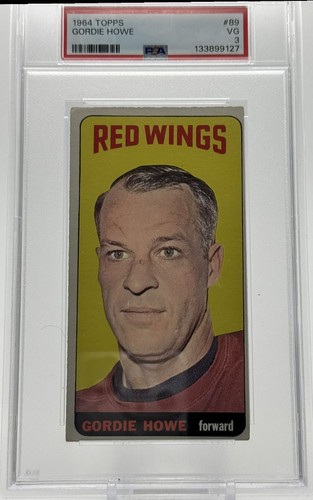 |
Gordie Howe #89 1964 Topps |
$131.86 | $21,503 | 163.1× |
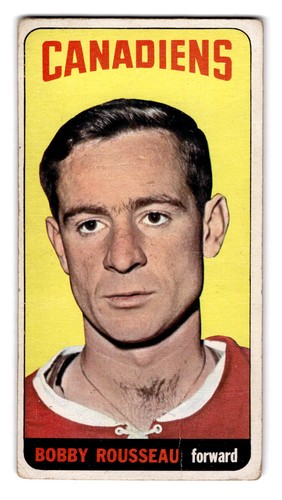 |
Bobby Rousseau #80 1964 Topps |
$131.54 | $21,441 | 163× |
 |
Tim Horton #102 1964 Topps |
$89.82 | $14,709 | 163.8× |
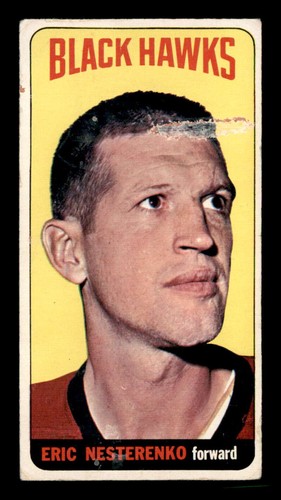 |
Eric Nesterenko #91 1964 Topps |
$77.00 | $12,567 | 163.2× |
 |
Jean Beliveau #33 1964 Topps |
$70.96 | $11,580 | 163.2× |
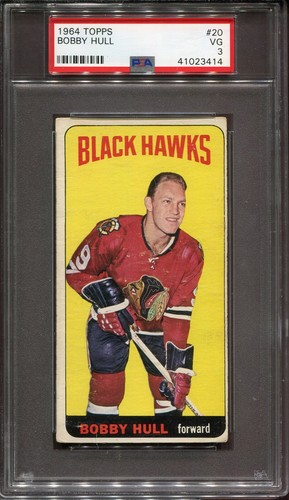 |
Bobby Hull #20 1964 Topps |
$70.79 | $11,538 | 163× |
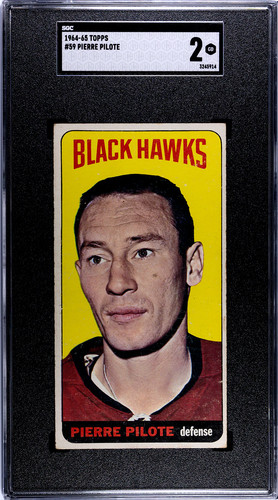 |
Pierre Pilote #59 1964 Topps |
$105.48 | $10,492 | 99.5× |
 |
Henri Richard #48 1964 Topps |
$65.11 | $9,606 | 147.5× |
Look up any card's current raw and graded value in Midpoint — and get an estimated grade before you pay to submit.
Quick Comparison
| Card | Player | 1964 Topps Set | PSA 9 Value ($) | PSA 10 Value ($) | Price Difference (PSA 10 ÷ PSA 9) |
|---|---|---|---|---|---|
| #50 | Mickey Mantle | Baseball | 27,000 | 140,000 | 5.19x |
| #20 | Hank Aaron | Baseball | 5,200 | 25,000 | 4.81x |
| #200 | Willie Mays | Baseball | 3,200 | 15,000 | 4.69x |
| #40 | Lou Brock | Baseball | 1,500 | 7,000 | 4.67x |
| #370 | Rod Carew | Baseball | 700 | 2,800 | 4.00x |
| #50 | Giants Stand-Up | Stand-Ups | 150 | 600 | 4.00x |
| #120 | Jim Brown | Football | 300 | 900 | 3.00x |
| #220 | Bobby Hull | Hockey | 280 | 850 | 3.04x |
PSA 9 vs PSA 10 Price Difference for 1964 Topps Baseball Cards
The baseball subset of the 1964 Topps set contains some of the most valuable cards and generally shows the widest PSA 9 to PSA 10 value spreads. Legendary players like Mickey Mantle (#50), Hank Aaron (#20), and Willie Mays (#200) often exhibit premiums of nearly 5x or higher when graded PSA 10 compared to PSA 9.
- Mickey Mantle #50: A PSA 9 Mantle typically sells around $27,000, while a PSA 10 can command prices near $140,000. The 5.19x price spread is influenced by the card’s iconic status and scarcity in gem mint condition.
- Hank Aaron #20: PSA 9 values are near $5,200, with PSA 10 prices reaching approximately $25,000. Centering and surface quality are important; even minor flaws can prevent a PSA 10 grade.
- Willie Mays #200: PSA 9 cards fetch about $3,200 versus around $15,000 for PSA 10, reflecting strong demand for pristine condition.
Many other baseball cards like Lou Brock (#40) and Rod Carew (#370) show similar 4x to 5x value jumps between these top two grades. The rarity of perfect centering and flawless surfaces contributes to these premiums. As detailed in How Centering Impacts Card Value, the 1964 Topps set is known for centering challenges, making PSA 10 grades especially scarce and valuable.
Set-Specific Value Differences: Football, Hockey, Giants Stand-Ups, and Coins
While baseball cards dominate the 1964 Topps market, other set types also exhibit notable PSA 9 vs PSA 10 value spreads, generally smaller than those seen in baseball’s superstar cards.
- Football Cards: Stars like Jim Brown (#120) show roughly a 3x price increase from PSA 9 ($300) to PSA 10 ($900). These premiums reflect lower overall population but less extreme demand compared to baseball.
- Hockey Cards: Bobby Hull (#220) is an example with PSA 9 values near $280 and PSA 10 around $850, a little over 3x.
- Giants Stand-Ups and Coins: These niche collectibles also see consistent 4x premiums from PSA 9 to PSA 10, though absolute values remain more modest (e.g., Giants Stand-Up #50: $150 PSA 9 vs $600 PSA 10).
These price differences highlight how card type and set release influence value spreads, with baseball’s marquee players generally commanding the largest premiums.
High-End Key Cards Driving the Biggest PSA 10 Premiums
Some 1964 Topps cards are especially condition-sensitive, with rare PSA 10 examples commanding outsized premiums. Here are a few key examples:
- Mickey Mantle #50: Its combination of rarity, popularity, and condition challenges make the PSA 10 premium over PSA 9 particularly notable.
- Hank Aaron #20 and Willie Mays #200: Both cards are scarce in gem mint and highly sought, pushing PSA 10 prices well above PSA 9.
- Lou Brock #40: Despite being less famous, Brock’s card has a condition-driven market, with PSA 10 fetching nearly 5x the PSA 9 price.
These cards are prime candidates for grading if you have a well-centered, clean specimen. Using Midpoint to get AI-powered centering and grading estimates can help assess whether your card is worth submitting for that coveted PSA 10 designation.
Raw vs Graded Value: When Is PSA 9 Worth It for 1964 Topps Cards?
Many collectors wonder whether it's worth grading a card that might only achieve PSA 9 or if raw cards hold better value. Here’s what the data suggests:
- Raw cards generally sell at a discount to PSA 9 graded cards, with PSA 9 grades often bringing strong premiums, especially for key cards.
- For many mid-tier or less iconic cards, PSA 9 offers a good balance of value and cost-efficiency, often priced at 20-30% below PSA 10 levels, making them a practical buy.
- Because PSA 10 grades are rare and can be costly to obtain, not every card benefits from submission aiming for gem mint.
- Cards with centering or surface issues that prevent a PSA 10 often still retain strong market value as PSA 9, especially if no significant flaws exist.
For collectors uncertain about grading outcomes, using tools like Midpoint’s AI grading and centering measurement helps forecast the likely grade and avoid costly grading fees on borderline cards (How to Pre-Grade Your Card).
Population Scarcity and Condition Impact on PSA 9 vs PSA 10 Outcomes
Population reports indicate that PSA 10 cards from the 1964 Topps set are relatively scarce. This scarcity contributes to the price gaps, as gem mint cards are prized for their rarity.
- Centering is a critical factor preventing many PSA 9 cards from achieving PSA 10. Even slight misalignment can downgrade a card.
- Other condition defects—corner wear, surface imperfections, print defects—also affect grading outcomes.
- Because of this, some cards experience significant PSA 10 premiums when they have perfect centering and surface, whereas others with minor flaws tend to plateau at PSA 9.
Learn more about how centering and condition affect grading in our detailed article on Card Centering Tool: Accurate Card Grading Estimates.
Which Should You Choose?
If you are deciding between buying or submitting a 1964 Topps card graded PSA 9 or aiming for PSA 10, consider these use cases:
- PSA 10 is best if: You own a high-end key card (Mantle #50, Aaron #20, Mays #200) with excellent centering and surface. The premium may justify grading fees and waiting time.
- PSA 9 offers great value if: Your card is slightly off-center or has minor flaws but still presents well. For many cards, PSA 9 is a cost-effective alternative with strong market demand.
- Raw cards may suffice if: You are budget-conscious or collecting lower-tier cards where grading premiums are less pronounced.
For precise centering measurements and digital grading estimates before submitting or purchasing, use the Midpoint app. It helps collectors make informed grading decisions and maximize value.
FAQ
How much more is a PSA 10 1964 Topps card worth than a PSA 9?As of 2026-09-04, PSA 10 cards can be worth approximately 3x to over 5x the value of a PSA 9, depending on the card. For example, Mickey Mantle #50 commands about 5.19x the PSA 9 price, while others like Jim Brown #120 show around 3x premiums.Which 1964 Topps cards have the biggest PSA 9 to PSA 10 jump?High-end baseball cards such as Mickey Mantle (#50), Hank Aaron (#20), Willie Mays (#200), and Lou Brock (#40) tend to have the largest PSA 10 premiums, often exceeding 4x the PSA 9 value.Is it worth grading a 1964 Topps card if it is already PSA 9?It depends on the card’s condition and value. For top-tier cards with excellent centering, PSA 10 grading can yield large premiums. For many cards, PSA 9 is a smart, cost-effective choice. Using AI pre-grading tools like Midpoint can help decide.What are the most valuable 1964 Topps baseball cards in PSA 10?Mickey Mantle #50 leads with values around $140,000, followed by Hank Aaron #20 (~$25,000), Willie Mays #200 (~$15,000), and Lou Brock #40 (~$7,000) as of 2026-09-04.Do football or hockey 1964 Topps cards have bigger PSA 10 premiums than baseball?No, baseball cards generally have larger PSA 10 premiums due to higher demand and scarcity. Football and hockey cards show smaller price differences, typically around 3x between PSA 9 and PSA 10.How rare is a PSA 10 in the 1964 Topps set?PSA 10 cards are relatively rare due to centering and surface challenges inherent to the 1964 Topps print run. This rarity is a key factor contributing to the steep PSA 10 premiums seen in the market.
Free to start
Try the Midpoint app
Grade any card from a photo, see its raw and PSA 10 value, and track what your collection is worth — free.
Get it on iPhoneGet it on Android