1979 Topps PSA 9 vs PSA 10 Value Comparison: Key Price Gaps Explained
Explore the 1979 Topps PSA 9 vs PSA 10 value gap, top rookie premiums, and when a PSA 9 is still a smart buy for collectors and investors.

Estimated reading time: 9 min
Key Takeaways
- The 1979 Topps PSA 9 vs PSA 10 price difference varies, with some rookie cards showing premiums over 3x for PSA 10 grades.
- Key rookies like Ozzie Smith and Rickey Henderson often command some of the highest 1979 Topps PSA 10 premiums due to centering and scarcity factors.
- Raw vs graded comparisons help highlight when a PSA 9 may be worth holding over risking a costly PSA 10 submission.
- Centering and surface quality are important condition factors that typically separate PSA 9 from PSA 10 on 1979 Topps cards.
- For many collectors, PSA 9 offers strong value; PSA 10 is a premium reserved for near-perfect centering and flawless condition.
When comparing 1979 Topps PSA 9 vs PSA 10 value, understanding the price gap, rookie card premiums, and grading economics is helpful. This guide breaks down typical differences in value between PSA 9 and PSA 10 grades for 1979 Topps cards as of 2026-07-11, highlights which cards often show the biggest premiums, and explains when submitting cards for a PSA 10 might be worth the risk versus keeping a PSA 9.
Card values — live data from Midpoint's card database, as of 2026-07-11. Prices move; Midpoint refreshes these daily.
| Card | Raw | PSA 10 | Gem premium | |
|---|---|---|---|---|
 |
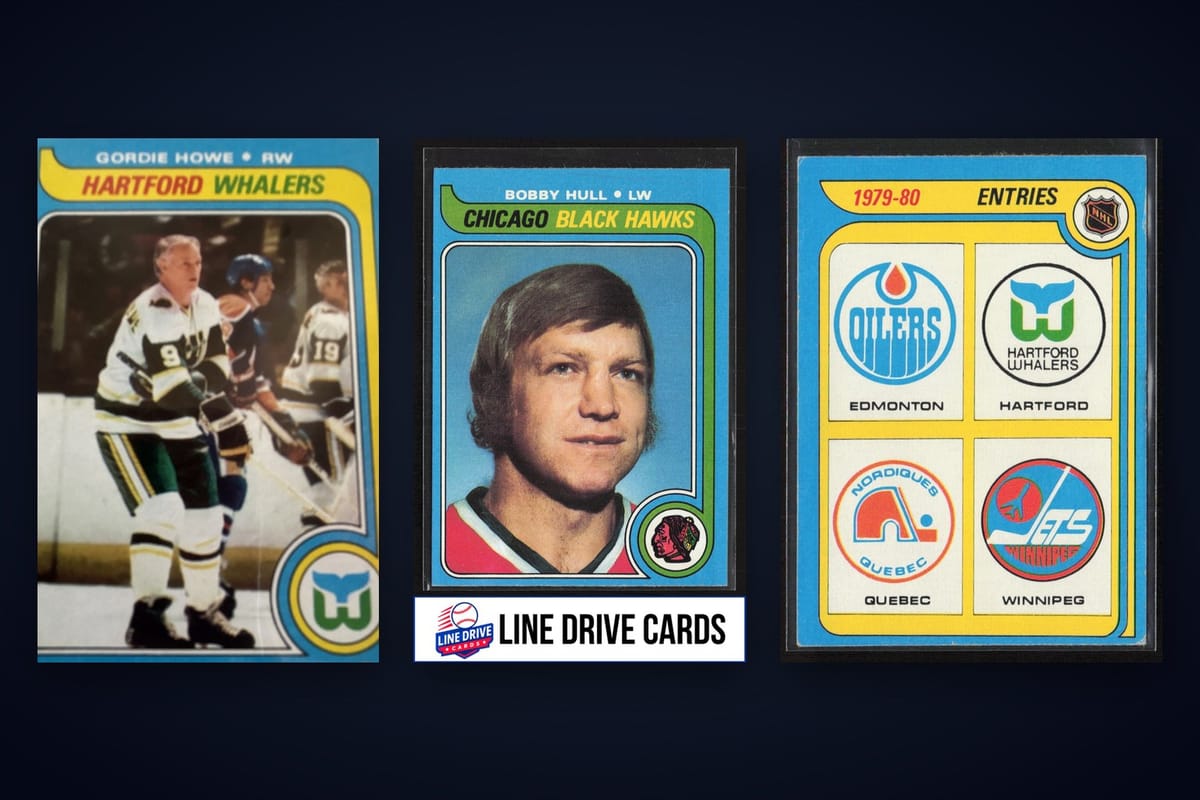
Gordie Howe #175 1979 Topps |
$9.97 | $832.61 | 83.5× |
 |
Bobby Hull #185 1979 Topps |
$7.90 | $637.24 | 80.7× |
 |
New NHL Entries #261 1979 Topps |
$4.58 | $419.01 | 91.5× |
 |
Tony Esposito #80 1979 Topps |
$2.25 | $395.00 | 175.6× |
 |
Mike Bossy #230 1979 Topps |
$5.21 | $365.36 | 70.1× |
 |
Goal Leaders #1 1979 Topps |
$2.61 | $251.59 | 96.4× |
 |
Game Winning Goals Leaders #7 1979 Topps |
$2.59 | $248.23 | 95.8× |
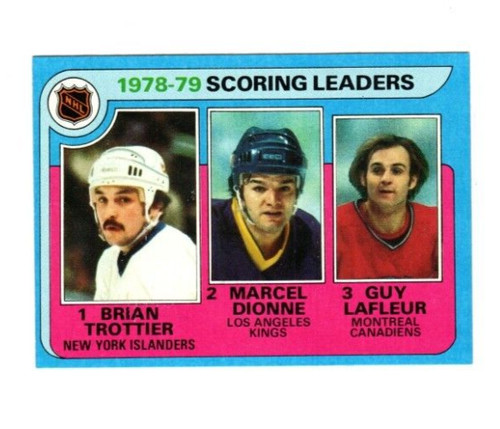 |
Scoring Leaders #3 1979 Topps |
$2.50 | $242.30 | 96.9× |
|
Guy Lafleur #200 1979 Topps |
$2.45 | $238.79 | 97.5× |
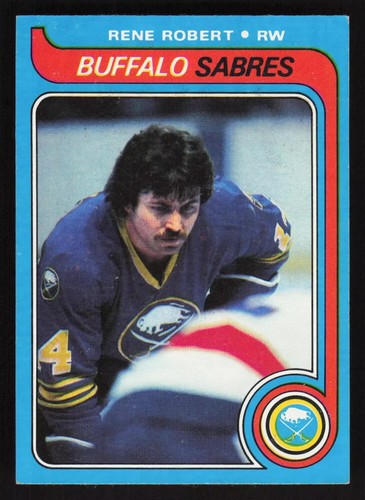 |
Rene Robert #12 1979 Topps |
$2.21 | $218.58 | 98.9× |
|
Glenn Resch #20 1979 Topps |
$2.21 | $217.66 | 98.5× |
|
Denis Potvin #70 1979 Topps |
$2.09 | $207.36 | 99.2× |
Look up any card's current raw and graded value in Midpoint — and get an estimated grade before you pay to submit.
Quick Comparison
| Card | PSA 9 Value (USD) | PSA 10 Value (USD) | PSA 10 Premium (x) | Key Grading Factor |
|---|---|---|---|---|
| Ozzie Smith #482 | 550 | 1,800 | 3.27 | Centering & Surface |
| Mike Schmidt #550 | 300 | 700 | 2.33 | Edges & Centering |
| Willie Stargell #355 | 240 | 650 | 2.71 | Corners & Surface |
| Pete Rose #500 | 150 | 400 | 2.67 | Centering |
| Rickey Henderson Rookie #482 | 850 | 2,800 | 3.29 | Centering Quality |
| Raw Average Card | 40 | 550 (PSA 10) | ~13.75* | Overall Condition |
*Raw to PSA 10 premium illustrates grading value uplift, not a direct PSA 9 comparison.
Price Gap Between PSA 9 and PSA 10 on 1979 Topps Cards
The PSA 9 vs PSA 10 price difference for 1979 Topps cards can range from about 2x to over 3x depending on the card’s popularity, rarity, and condition nuances. Cards like the Ozzie Smith and Rickey Henderson rookies often display some of the largest premiums for PSA 10 grades, partly because centering is known to be challenging to achieve perfectly on this set.
- Centering is a dominant factor: Even a slight off-center shift can cause a card to grade PSA 9 instead of PSA 10, which can impact value.
- Surface and edges matter: PSA 10 cards generally have very clean surfaces and sharp edges, while PSA 9 may show tiny flaws visible only to graders.
- Relative scarcity of PSA 10s: Population reports typically show fewer PSA 10s than PSA 9s, which can increase collector demand and prices.
For example, the Ozzie Smith #482 card sells for about $550 in PSA 9 but nearly $1,800 in PSA 10, a 3.27x premium. Similarly, Mike Schmidt #550 commands roughly a 2.33x premium from PSA 9 to PSA 10. This pattern is common across many key flagship cards in the set.
Most Valuable 1979 Topps Cards by Grade and Rookie Card Premiums
The most valuable 1979 Topps cards in PSA 9 and PSA 10 grades tend to be prime rookies and stars:
- Rickey Henderson Rookie (#482): Often shows one of the highest PSA 10 premiums (~3.29x) in the set, reflecting its rookie status and collector interest.
- Ozzie Smith (#482): Also a rookie with a similarly high PSA 10 premium, prized for centering and condition.
- Mike Schmidt (#550): Hall of Famer with a strong premium between PSA 9 and PSA 10.
- Willie Stargell (#355) and Pete Rose (#500): Veteran stars with premiums around 2.7x.
These rookies often command significant price jumps at PSA 10 because any condition flaw or centering issue typically results in a lower grade and value. The Midpoint app can help collectors pre-grade and measure centering precisely, potentially reducing costly submission risks.
Raw vs Graded: When is a PSA 9 Worth It for 1979 Topps?
Raw cards generally sell for less than graded cards, but the jump to PSA 9 is often more attainable and still offers strong value:
- Raw to PSA 9 jump: For many 1979 Topps cards, raw condition values range around $20-$50, while PSA 9 values often rise into the hundreds.
- PSA 9 vs PSA 10: The leap from PSA 9 to PSA 10 can be about 2x to 3x, making PSA 9 a solid investment without the premium cost.
- Submission economics: Paying for grading multiple times to chase a PSA 10 can be expensive and risky; PSA 9 is often a safer, more cost-effective target.
For example, a raw Mike Schmidt #550 might be worth $40, PSA 9 around $300, and PSA 10 about $700. Many collectors find securing a PSA 9 more practical financially, especially if the card’s centering is borderline or surface flaws are minor.
Condition Factors Separating PSA 9 and PSA 10 on 1979 Topps
The fine line between PSA 9 and PSA 10 grades comes down to subtle but strict condition standards:
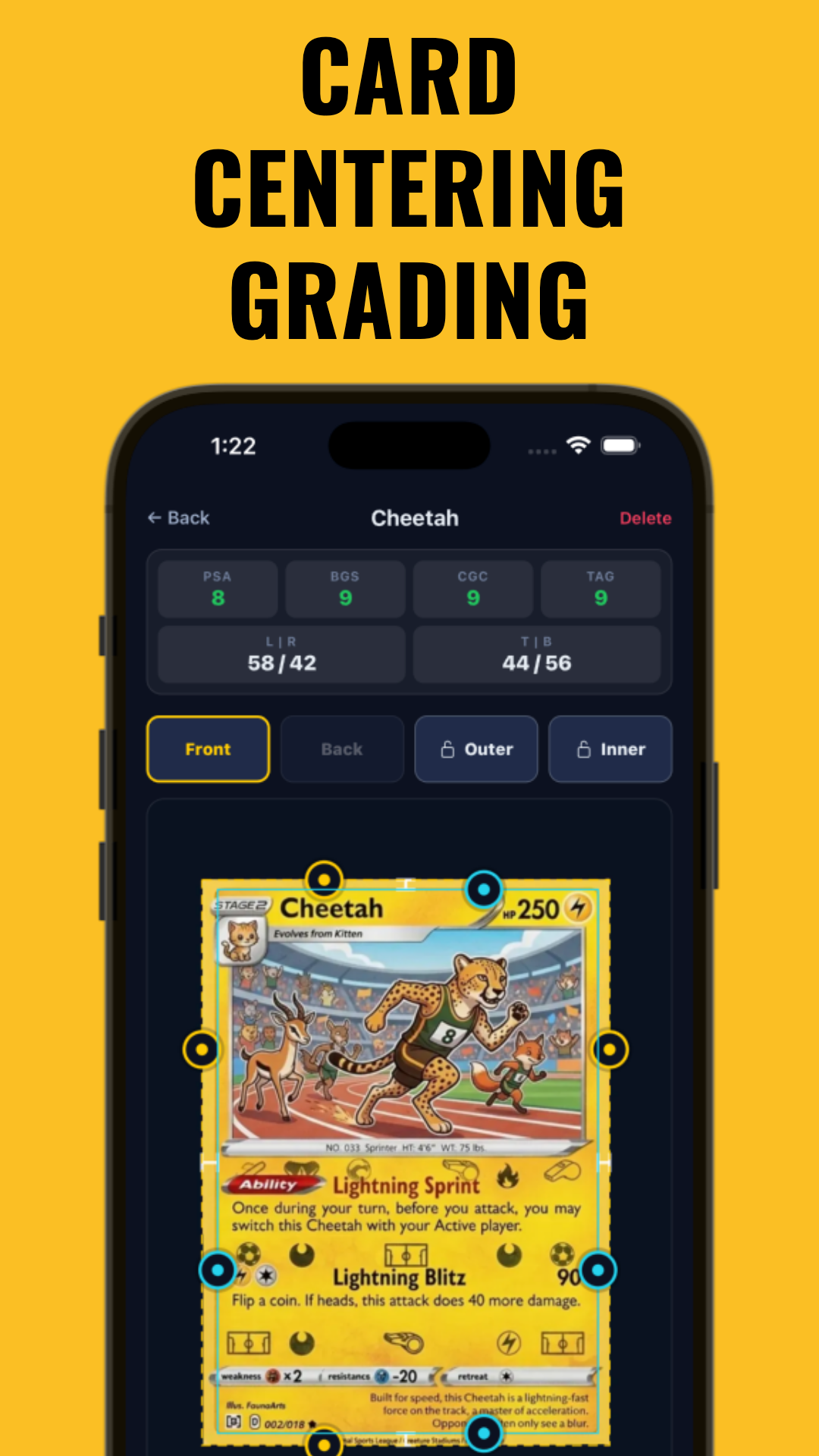
- Centering: PSA 10 generally requires near-perfect centering, often within 55/45 or better on the front and back. PSA 9 allows slight off-centering but no major distractions.
- Surface: PSA 10 cards typically have pristine surfaces without print defects, scratches, or staining. PSA 9 may tolerate tiny imperfections invisible to most collectors.
- Edges and Corners: PSA 10 cards usually feature razor-sharp edges and perfectly sharp corners. PSA 9 may have barely visible wear under magnification.
Given how centering impacts card value, using tools like Midpoint's precise centering calculator before submission can help determine whether aiming for PSA 10 is realistic or if PSA 9 is the wiser target.
Which Should You Choose?
Deciding between targeting a PSA 9 or PSA 10 grade for your 1979 Topps cards depends on your collecting goals, budget, and card condition:
- If you want maximum resale value and have a near-perfect card: Submitting for PSA 10 may be worthwhile, especially for high-demand rookies like Rickey Henderson #482 or Ozzie Smith #482.
- If your card shows slight centering or surface flaws: PSA 9 offers a strong balance of value and lower grading costs without the risk of multiple submissions.
- For investment portfolios tracking value over time: PSA 9 graded cards often appreciate well and hold significant market interest.
- Use Midpoint’s AI digital grading and centering measurement before submission: This can reduce grading fees and increase chances of hitting your desired grade.
Overall, a PSA 9 grade for 1979 Topps cards is often a smart buy and good value, while PSA 10 remains the premium standard for flawless condition. To optimize grading decisions and track your collection’s value, try Midpoint—an all-in-one app for trading card collectors.
FAQ
How much more is a PSA 10 worth than a PSA 9 on 1979 Topps cards?
PSA 10 cards typically command about 2 to 3.3 times the value of PSA 9 cards, depending on the specific card and its popularity. For example, Rickey Henderson #482 shows a 3.29x premium, while Mike Schmidt #550 is around 2.33x as of 2026-07-11.
Which 1979 Topps cards are most valuable in PSA 9 and PSA 10?
Key valuable cards include rookies like Rickey Henderson #482, Ozzie Smith #482, and stars such as Mike Schmidt #550, Willie Stargell #355, and Pete Rose #500. These cards have strong demand and notable price gaps between PSA 9 and PSA 10.
What 1979 Topps rookie cards have the biggest PSA 10 premium?
Rookies Rickey Henderson #482 and Ozzie Smith #482 often have some of the largest PSA 10 premiums, exceeding 3x the PSA 9 value due to rarity and centering challenges.
Is it worth grading 1979 Topps cards if they might only get a PSA 9?
Yes. PSA 9 grades still substantially increase card value over raw condition and reduce risk and cost compared to chasing a PSA 10. For many collectors, PSA 9 is a sensible target.
Why do some 1979 Topps PSA 10 cards sell for so much more than PSA 9?
PSA 10 cards are generally scarcer with near-perfect centering, edges, corners, and surface quality, making them highly coveted by collectors and investors, which can drive up prices significantly.
Which 1979 Topps sports set has the strongest PSA 9 vs PSA 10 spread?
The baseball subset featuring rookies like Rickey Henderson and Ozzie Smith often shows some of the strongest PSA 9 vs PSA 10 spreads, with premiums frequently exceeding 3x due to centering difficulty and card demand.
Free to start
Try the Midpoint app
Grade any card from a photo, see its raw and PSA 10 value, and track what your collection is worth — free.
Get it on iPhoneGet it on Android