1996 Pokémon Cards Value: Which Cards Are Worth Grading?
Discover the 1996 Pokémon cards value guide, top cards worth money, PSA 10 premiums, and grading tips for collectors and investors.

Estimated reading time: 9 min
Key Takeaways
- 1996 Pokémon cards value varies widely by condition, rarity, and edition.
- PSA 10 graded cards often fetch significant premiums, especially Charizard and first editions.
- Japanese Base Set cards and Shadowless variants are popular collectors' targets.
- Raw cards can be valuable but grading with tools like Midpoint can help estimate potential worth.
- Understanding centering, rarity marks, and sealed product value is important for smart grading decisions.
The 1996 Pokémon card sets marked the beginning of one of the most iconic trading card franchises. Collectors and investors today want to know the 1996 Pokémon cards value, which cards are worth money, and how grading impacts prices. This guide breaks down some of the most valuable 1996 cards, condition effects, grading premiums, and tips to decide what’s worth submitting for grading. Whether you own a Japanese Base Set, a rare holo Charizard, or unopened packs, learn how to maximize your collection’s potential with expert insights and Midpoint’s AI grading tools.
Card values — live data from Midpoint's card database, as of 2026-08-31. Prices move; Midpoint refreshes these daily.
| Card | Raw | PSA 10 | Gem premium | |
|---|---|---|---|---|
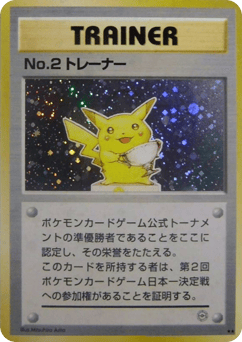 |
No.2 Trainer Unnumbered Promos (1996) |
6 | $444,000 | 6 |
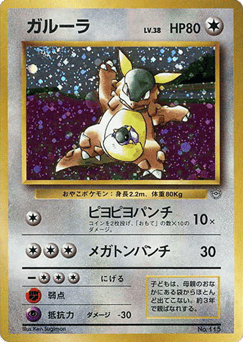 |
Kangaskhan Unnumbered Promos (1996) |
6 | $197,140 | 6 |
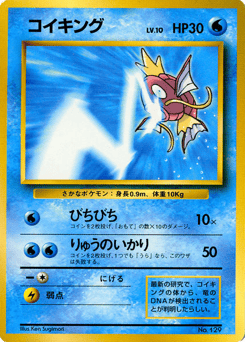 |
Magikarp Unnumbered Promos (1996) |
6 | $185,642 | 6 |
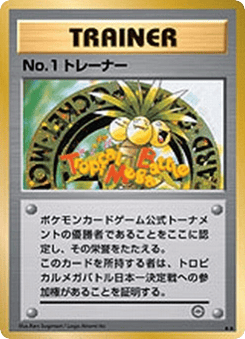 |
No.1 Trainer Unnumbered Promos (1996) |
6 | $120,021 | 6 |
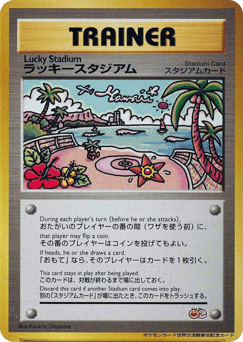 |
Lucky Stadium Unnumbered Promos (1996) |
6 | $50,160 | 6 |
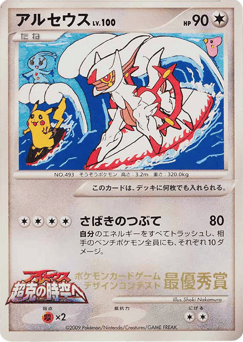 |
Arceus Unnumbered Promos (1996) |
6 | $43,200 | 6 |
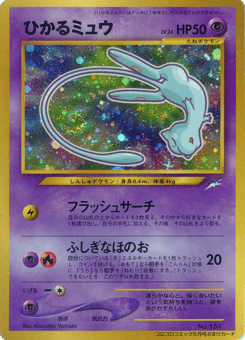 |
Shining Mew Unnumbered Promos (1996) |
6 | $42,424 | 6 |
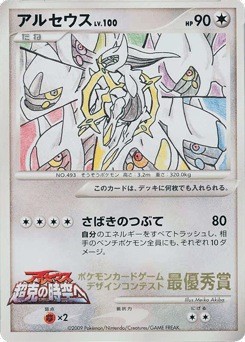 |
Arceus Unnumbered Promos (1996) |
6 | $31,200 | 6 |
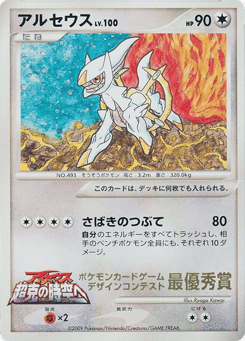 |
Arceus Unnumbered Promos (1996) |
6 | $19,800 | 6 |
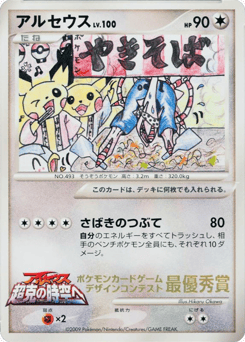 |
Arceus Unnumbered Promos (1996) |
6 | $19,200 | 6 |
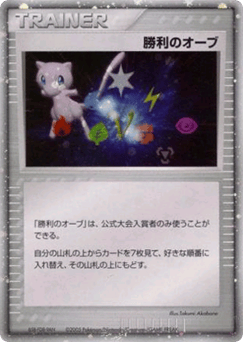 |
Victory Orb Unnumbered Promos (1996) |
6 | $17,818 | 6 |
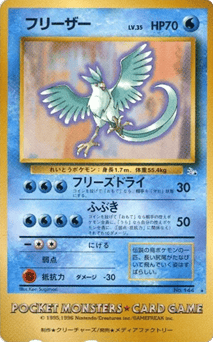 |
Articuno #No.144 Unnumbered Promos (1996) |
6 | $14,068 | 6 |
Look up any card's current raw and graded value in Midpoint — and get an estimated grade before you pay to submit.
1. Understanding 1996 Pokémon Cards Value Basics
1996 Pokémon cards include multiple sets like the Japanese Base Set, Pocket Monster, and Carddass releases. Key factors influencing value are edition (First Edition, Shadowless, Unlimited), rarity symbols, holo vs non-holo status, and card condition. Condition is a major factor — cards graded PSA 10 generally command premiums over raw or lower-grade versions. For more on grading, see our Card Grading: How It Works, What to Know, and When It's Worth It guide.
For example, a raw 1996 Charizard holo might be valued around $1,000, while a PSA 10 Charizard from the Base Set can command prices significantly higher, sometimes exceeding $20,000 depending on market conditions. Similarly, popular cards like Blastoise and Venusaur often show notable value increases when graded.
- Edition variants: First Edition and Shadowless cards tend to be more valuable than Unlimited.
- Holo cards generally have higher value than non-holos.
- Condition and centering affect grading and value substantially.
2. Top 1996 Pokémon Cards Worth Money
Among the more valuable 1996 Pokémon cards, the following are notable for their collectibility and price appreciation:
- Charizard (Base Set Holo): A highly sought-after card, especially in First Edition Shadowless PSA 10 condition, which can command premium prices.
- Blastoise (Base Set Holo): Popular among collectors, with PSA 10 graded copies often valued in the thousands.
- Venusaur (Base Set Holo): Valued by collectors, with PSA 10 examples typically fetching strong prices.
- Pikachu (Various sets): Certain rare promo and holographic versions can be valuable.
- Mewtwo and Gengar (Base Set Holo): Both have collector demand and hold value in top grades.
These cards, particularly the holo variants, are often good candidates for grading due to their price premiums and demand.
3. How PSA 10 and Other Grading Companies Affect Value
PSA, BGS, CGC, and TAG are leading grading companies providing authentication and condition grades. A PSA 10 grade (Gem Mint) typically increases value by multiple times compared to raw cards, depending on card rarity and demand. For 1996 Pokémon cards, PSA 10 Charizard copies can reach high prices, while raw copies may be valued significantly lower.
Midpoint offers AI digital grading that estimates these grades based on card centering, corners, edges, and surface before you commit to grading fees. This can help avoid spending on submissions unlikely to receive high grades.
- PSA 10 is often the highest standard for raw to graded value increases.
- Other companies like BGS and CGC offer subgrades, with similar market premiums.
- Midpoint’s AI grading tools help pre-grade cards to improve submission success.
4. Japanese 1996 Pokémon Cards vs English Versions
Japanese 1996 cards, including the Base Set and Carddass series, have distinct artwork and card backs. Some collectors value these more due to rarity and nostalgia, which can drive higher prices in certain cases. However, English Base Set cards are often more recognized globally and can command higher prices for key cards like Charizard.
Japanese Base Set cards without rarity symbols and with unique holo patterns can be especially collectible. Knowing the difference between original 1996 prints and later reprints is important to assessing value.
5. Rarity Markers and Features Affecting 1996 Pokémon Cards Value
Certain card features influence rarity and thus value significantly:
- First Edition Symbol: Cards with the First Edition stamp are rarer and generally more valuable than Unlimited.
- Shadowless Cards: Early print runs without shadows on the card’s right border are scarce and prized.
- Holo and Prism Foil: Holographic cards tend to have higher value, especially in top condition.
- Set Symbols and Language: Japanese vs English set symbols help identify editions and rarity.
These features often influence whether a card is worth grading or selling raw.
6. How Condition and Centering Influence 1996 Pokémon Cards Value
Condition is a leading factor affecting value for any 1996 Pokémon card. Cards with sharp corners, clean edges, no surface scratches, and good centering typically fetch higher prices. Centering, measured by the distance from edges on front and back, can significantly impact a card’s grade.
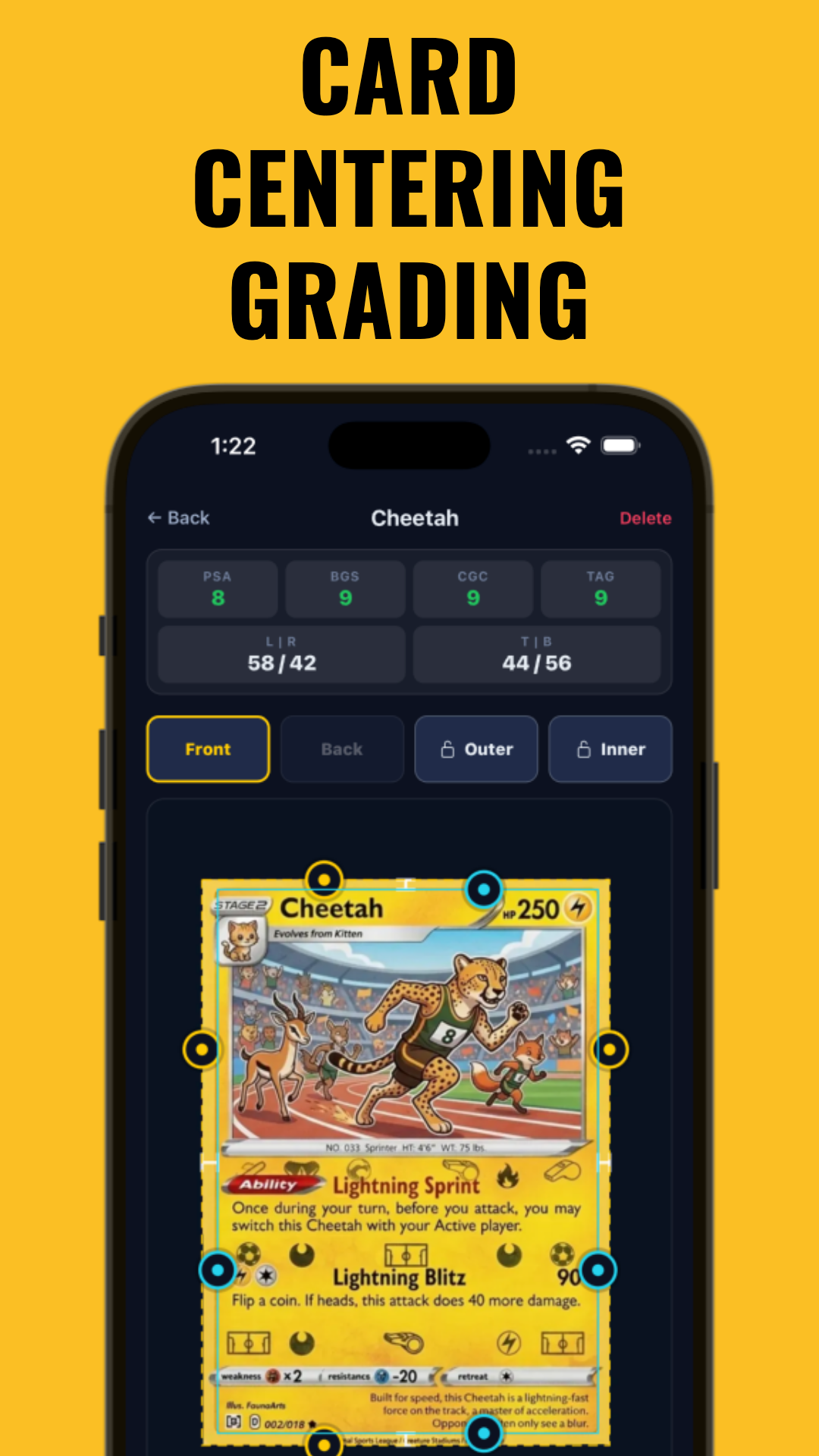
Midpoint’s precise centering measurement tool lets collectors check centering down to the millimeter — a useful advantage before submitting to PSA or BGS. Well-centered cards can achieve higher grades, increasing value.
For a detailed look at how centering impacts card value and grading, visit our Card Centering by Type: The Complete Guide for Pokemon, Sports, and More guide.
7. Sealed 1996 Pokémon Product Value and Investment Potential
Unopened 1996 Base Set booster packs and boxes are rare and can be valuable. Collectors prize sealed product as it contains cards in pristine condition and potential for hidden gems. Prices for sealed boxes have reached high levels depending on edition and market demand.
Investing in sealed packs requires proper storage to avoid damage. For tips, check out our Ultimate Collector's Guide to Storing Cards.
8. How To Authenticate and Avoid Counterfeit 1996 Cards
Due to the value of some 1996 cards, counterfeit and altered cards exist. Authentication includes checking print quality, font, holographic patterns, and weight. Grading companies perform authentication but pre-screening with tools like Midpoint’s AI grading can help flag suspicious cards early.
Using trusted price guides and databases helps verify card legitimacy and market value. Cross-reference with sold listings on eBay and specialized Pokémon card databases for more accurate pricing.
9. Where to Check 1996 Pokémon Cards Value and Market Trends
Collectors track value using price guides, eBay sold listings, and card databases. Midpoint’s lookup tool provides real-time raw and graded value comparisons across 250,000+ cards, including 1996 Pokémon releases. This helps make informed selling or grading decisions.
Recent trends have shown rising prices for PSA 10 Charizard and other Base Set holos. Monitoring market snapshots helps identify when to sell or hold cards for potential returns.
Conclusion
Understanding the 1996 Pokémon cards value landscape requires knowledge of editions, rarity, condition, and grading impact. Top cards like Charizard, Blastoise, and Venusaur in PSA 10 condition often command high prices, while raw cards still hold value. Tools like Midpoint empower collectors to measure centering and estimate grades before costly submissions, supporting smarter investing and collecting decisions. Whether you own a Japanese Base Set card, a rare holo, or sealed packs, this guide helps you navigate the complex 1996 Pokémon card market with confidence.
FAQ
Q: How much are my 1996 Pokémon cards worth?
A: Value varies widely by card, edition, condition, and grading. For example, a raw 1996 Charizard holo may be valued around $1,000, while a PSA 10 graded copy can command significantly higher prices depending on market conditions.
Q: What is the most valuable 1996 Pokémon card?
A: The First Edition Shadowless Charizard from the Base Set is among the most valuable, especially in PSA 10 condition, often fetching premium prices.
Q: Are Japanese 1996 Pokémon cards worth more than English ones?
A: Some Japanese 1996 cards are rarer and highly collectible, but English Base Set cards generally have higher global demand and value for key cards like Charizard.
Q: How much does PSA grading increase the value of 1996 Pokémon cards?
A: PSA 10 grading can increase value by multiple times compared to raw copies, depending on card rarity and demand.
Q: How can I tell if my 1996 Pokémon card is rare or a first edition?
A: Look for the First Edition stamp on the card’s left side, check for shadowless borders, rarity symbols, and language to identify edition and rarity.
Q: What is the value of a 1996 Charizard Pokémon card?
A: Raw 1996 Charizard holo cards may be valued around $1,000, while PSA 10 graded First Edition Shadowless versions can command significantly higher prices depending on market conditions.
Free to start
Try the Midpoint app
Grade any card from a photo, see its raw and PSA 10 value, and track what your collection is worth — free.
Get it on iPhoneGet it on Android