1997 Pokémon Cards Value: Top Cards, Pricing & Grading Tips
Explore the 1997 Pokémon cards value guide: top cards, PSA 10 prices, rarity tips, and grading advice to maximize your collection's worth.

Estimated reading time: 10 min
Key Takeaways
- 1997 Pokémon cards from sets like Japanese Carddass, Jungle, and Fossil can hold significant value, especially holographic and rare cards.
- PSA 10 graded cards generally command premium prices, with iconic cards like Charizard and Mew often leading the market.
- Condition factors such as centering, edges, surface, and whitening can dramatically affect card values.
- Identifying exact set releases and edition markers is important for accurate valuation and grading decisions.
- Using tools like Midpoint can help estimate card grades and values before committing to expensive grading services.
The 1997 Pokémon cards value landscape can be complex but rewarding for collectors who know what to look for. This guide breaks down some of the most valuable 1997 Pokémon cards, how grading can impact prices, and which cards are often considered worth investing in today. Whether you have a raw card or a PSA 10 gem, understanding rarity, set specifics, and condition nuances can help you maximize your collection's potential worth. Plus, learn how to use Midpoint for digital grading insights before submitting cards to PSA, BGS, or CGC.
Card values — live data from Midpoint's card database, as of 2026-08-10. Prices move; Midpoint refreshes these daily.
| Card | Raw | PSA 10 | Gem premium | |
|---|---|---|---|---|
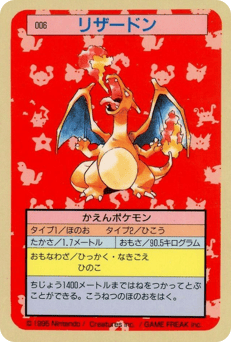 |
リザードン #006 Topsun (1997) |
— | $52,800 | — |
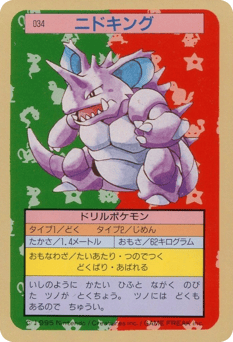 |
ニドキング #034 Topsun (1997) |
— | $24,995 | — |
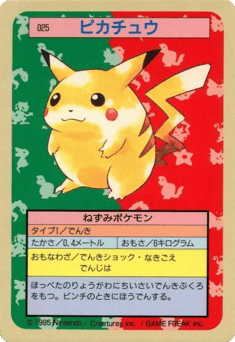 |
ピカチュウ #025 Topsun (1997) |
— | $23,400 | — |
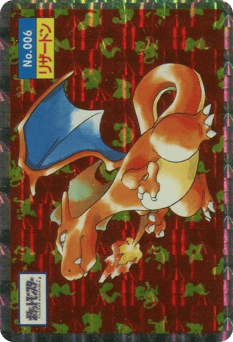 |
リザードン #No.6 Topsun (1997) |
— | $16,800 | — |
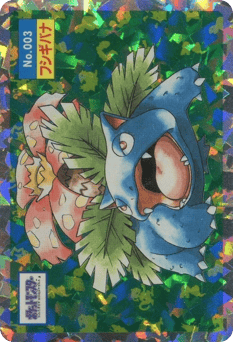 |
フシギバナ #No.3 Topsun (1997) |
— | $12,000 | — |
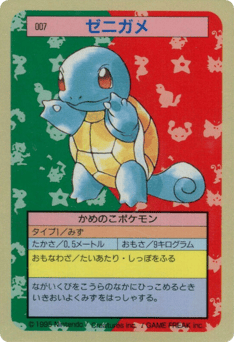 |
ゼニガメ #007 Topsun (1997) |
— | $9,306 | — |
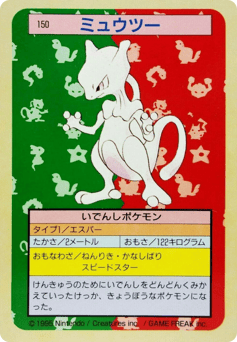 |
ミュウツー #150 Topsun (1997) |
— | $9,100 | — |
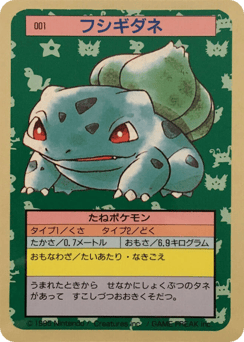 |
フシギダネ #001 Topsun (1997) |
— | $7,500 | — |
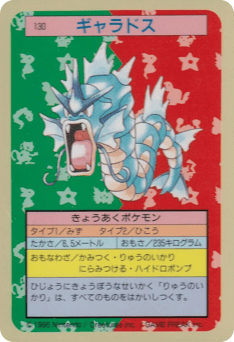 |
ギャラドス #130 Topsun (1997) |
— | $6,600 | — |
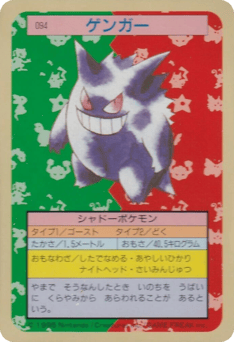 |
ゲンガー #094 Topsun (1997) |
— | $5,940 | — |
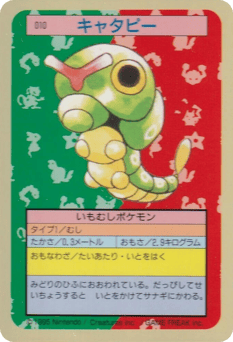 |
キャタピー #010 Topsun (1997) |
— | $5,700 | — |
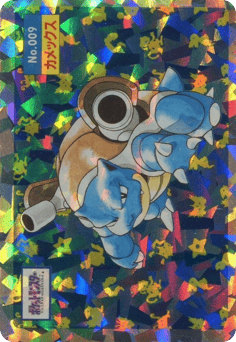 |
カメックス #No.9 Topsun (1997) |
— | $5,280 | — |
Look up any card's current raw and graded value in Midpoint — and get an estimated grade before you pay to submit.
1. Identify the 1997 Pokémon Card Sets Accurately
1997 Pokémon cards include several distinct Japanese releases, each with different values and rarity characteristics. The main sets collectors often focus on are:
- Japanese Carddass Set: The original 1997 Japanese release featuring early holographic cards.
- Jungle Set: Introduced popular cards like Jolteon and Snorlax, with a mix of holo and non-holo cards.
- Fossil Set: Known for iconic Pokémon like Gengar and Dragonite, includes valuable holographic variants.
- Rocket Set: Features Team Rocket-themed cards, often prized for unique artwork and holo versions.
- Mystery of the Fossils: A special release with rare cards that have niche collector appeal.
Correctly identifying your card’s set helps pinpoint its market value. Look for set symbols, card numbers, and Japanese text style to differentiate these releases. This is important since values can differ widely across these sets.
2. Most Valuable 1997 Pokémon Cards to Watch
Certain 1997 cards are often considered among the most valuable, especially in high-grade condition. Key examples include:
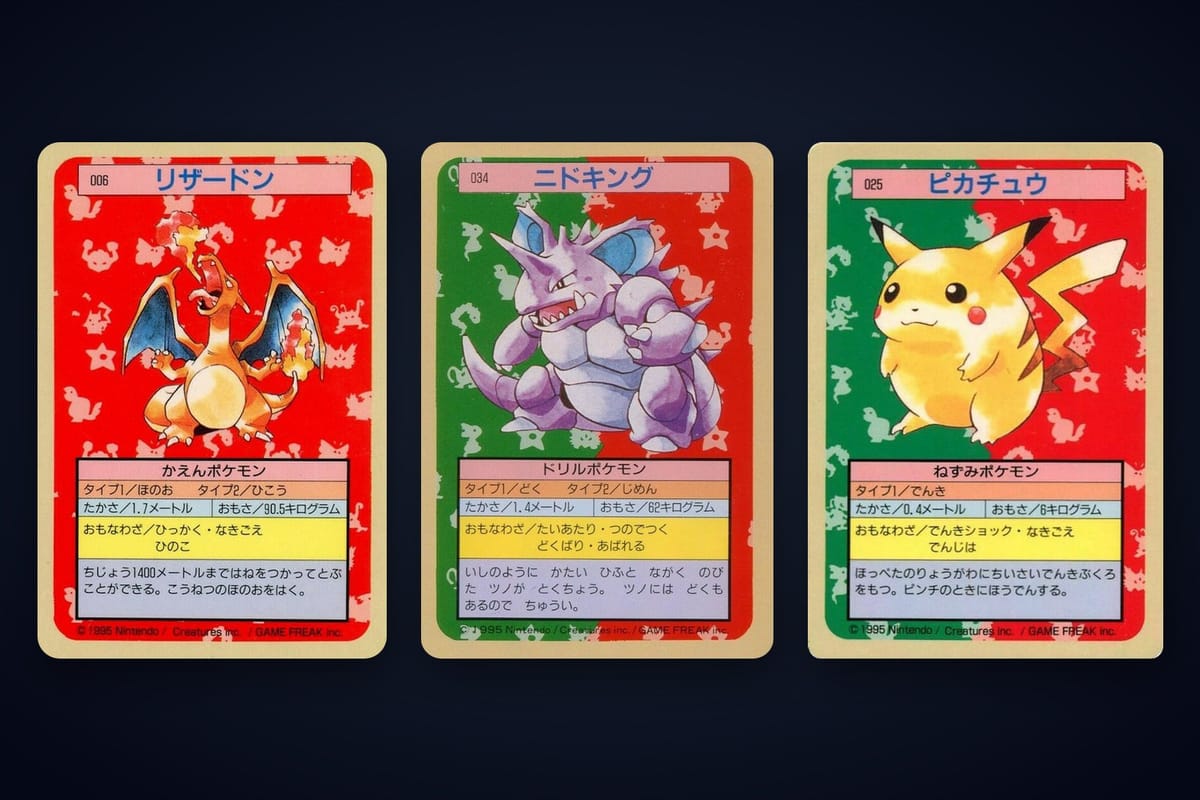
- Charizard (Japanese Carddass holo #006): As of 2026-08-10, a raw Charizard may fetch several hundred to over a thousand dollars, while a PSA 10 version can sell for several thousand dollars.
- Mew (Fossil holo #151): Mew cards in PSA 10 condition have been known to reach prices in the low thousands, reflecting their rarity and iconic status.
- Gengar (Fossil holo #094): A PSA 10 Gengar from the 1997 Fossil set can sell for over a thousand dollars.
- Dragonite (Fossil holo #149): Highly sought after, PSA 10 Dragonite cards often command prices near or above a thousand dollars.
- Snorlax (Jungle holo #143): Valued in the hundreds to low thousands in PSA 10 condition.
- Pikachu (various holo versions): While generally less expensive, some promo and holo Pikachu cards from 1997 can still bring notable value.
These cards are prized for their rarity, holo finish, and nostalgic appeal in the collector market.
3. Understanding Price Differences by Card Condition
The value gap between raw (ungraded) cards and PSA graded cards can be significant. Grading encapsulates condition factors like centering, corners, edges, and surface quality.
- Raw Cards: Sold as-is, condition is subjective and prices vary widely depending on visible wear.
- PSA 8 (Near Mint-Mint): Shows minor flaws; prices often increase compared to raw values.
- PSA 9 (Mint): Near-perfect condition; prices can be several times higher than raw cards.
- PSA 10 (Gem Mint): Perfect condition; commands the highest premiums—often multiple times raw card prices.
For example, a 1997 Charizard holo card might be worth several hundred to around $1,000 ungraded, a few thousand at PSA 9, and potentially over $6,000 at PSA 10. This premium reflects collector demand for flawless cards.
4. How Rarity and Card Type Affect 1997 Pokémon Cards Value
Rarity indicators such as holofoil, promo status, and prism effects can strongly impact card value. Key points include:
- Holo vs. Non-Holo: Holographic cards generally command higher prices due to limited print runs and visual appeal. For more on how card centering affects value, see our Card Centering by Type: The Complete Guide for Pokemon, Sports, and More.
- Prism and Variant Cards: Some 1997 cards have rare prism or error printing variants that may increase value.
- Promo and Limited Editions: Special edition cards with unique artwork or distribution channels often fetch premiums.
Understanding these rarity types helps collectors target cards potentially worth grading or selling at a premium.
5. Examples of Sold Prices and Market Comparables
Marketplaces and price tracking tools within Midpoint provide real-time sold price references. For example:
- A PSA 10 1997 Fossil Mew has sold for around $2,750.
- A raw 1997 Jungle Snorlax holo card averages several hundred dollars depending on condition.
- PSA 9 Charizard cards often sell for over $3,000, with some rare variants pushing higher.
Using Midpoint's card lookup feature can help verify these prices and track trends over time. For collectors interested in broader card collecting strategies, check out our TCG Card Collecting: The Ultimate Guide for 2026 Collectors.
6. How to Identify Your 1997 Pokémon Card Correctly
Proper identification requires checking these details:
- Set Name and Symbol: Often printed in Japanese text or small icons on the card front or back.
- Card Number: Found at the bottom or corner, indicating position in the set.
- Edition Markers: First edition stamps or shadowless markers affect rarity and value.
For example, a 1997 Japanese Carddass Charizard holo with card number #006 is generally more valuable than unlimited or later reprints. Accurate ID helps ensure proper pricing and grading decisions.
7. Factors That Change Card Value Beyond Grading
Besides the numeric grade, condition nuances can affect value:
- Centering: Cards perfectly centered within 55/45 to 60/40 ratios tend to fetch top market prices.
- Surface Quality: Scratches, whitening, or stains reduce value even in otherwise high-grade cards.
- Edges and Corners: Sharp, unworn edges and corners are vital for high grades.
- Demand and Population: Scarcity in PSA or BGS census reports can elevate card prices.
Tools like Midpoint measure centering down to the millimeter and estimate condition grades, giving collectors confidence before submitting to professional graders. See the Card Centering Tool: Accurate Card Grading Estimates post for more details.
Conclusion
The 1997 Pokémon cards value market offers opportunities for collectors and investors alike. Knowing which sets and cards are often the most valuable, understanding grading impacts, and accurately identifying rarity are key to maximizing your collection’s potential worth. Whether you own a raw Charizard, a holo Mew, or rookie cards from Jungle or Fossil, using digital tools like Midpoint can help you pre-grade and price your cards before costly grading submissions. Stay informed, measure condition carefully, and watch your 1997 Pokémon cards potentially grow in value over time.
FAQ
Q: What are my 1997 Pokémon cards worth?
A: Values vary widely by card, condition, and set. Raw cards may be worth hundreds, while PSA 10 graded cards can be worth thousands. Using tools like Midpoint helps estimate approximate values.
Q: Which 1997 Pokémon cards are the most valuable?
A: Iconic cards like Charizard, Mew, Gengar, Dragonite, Snorlax, and certain Pikachu promos are often among the most valuable, especially in holographic and PSA 10 condition.
Q: How much is a 1997 Japanese Pokémon card worth ungraded?
A: Ungraded values depend on condition but typically range from around $100 to over $1,000 for popular holographic cards like Charizard or Snorlax.
Q: What 1997 Pokémon cards are worth grading?
A: Cards with minimal wear, strong centering, and holo finish—especially Charizard, Mew, and Fossil set rares—are often good candidates for grading.
Q: How do I tell if my 1997 Pokémon card is rare or first edition?
A: Look for first edition stamps, set symbols, card numbers, and any shadowless printing. Authentic Japanese 1997 sets have distinct markers compared to later reprints.
Q: What is the value difference between PSA 9 and PSA 10 for 1997 Pokémon cards?
A: PSA 10 cards often command higher prices than PSA 9 cards due to their perfect condition and rarity, especially for high-demand cards like Charizard.
Free to start
Try the Midpoint app
Grade any card from a photo, see its raw and PSA 10 value, and track what your collection is worth — free.
Get it on iPhoneGet it on Android