Adventures in the Forgotten Realms Promos MTG Cards Value Guide
Discover the full value guide for Adventures in the Forgotten Realms promos MTG cards, including top cards, grading worth, and price insights.

Estimated reading time: 20 min
Key Takeaways
- The Adventures in the Forgotten Realms Promos MTG cards value varies based on rarity, condition, and grading.
- Key chase cards like Tiamat and Old Gnawbone often command higher prices, especially in PSA 10 condition.
- Foil versions generally hold a premium, but the gem-grade gap can significantly impact final value.
- Supply scarcity and printing variations can influence price fluctuations and collector interest.
- Using AI tools like Midpoint can help estimate grading potential before submission, potentially maximizing value.
Card values — live data from Midpoint's card database, as of 2026-09-13. Prices move; Midpoint refreshes these daily.
| Card | Raw | PSA 10 | Gem premium | |
|---|---|---|---|---|
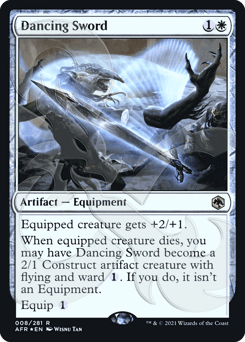 |
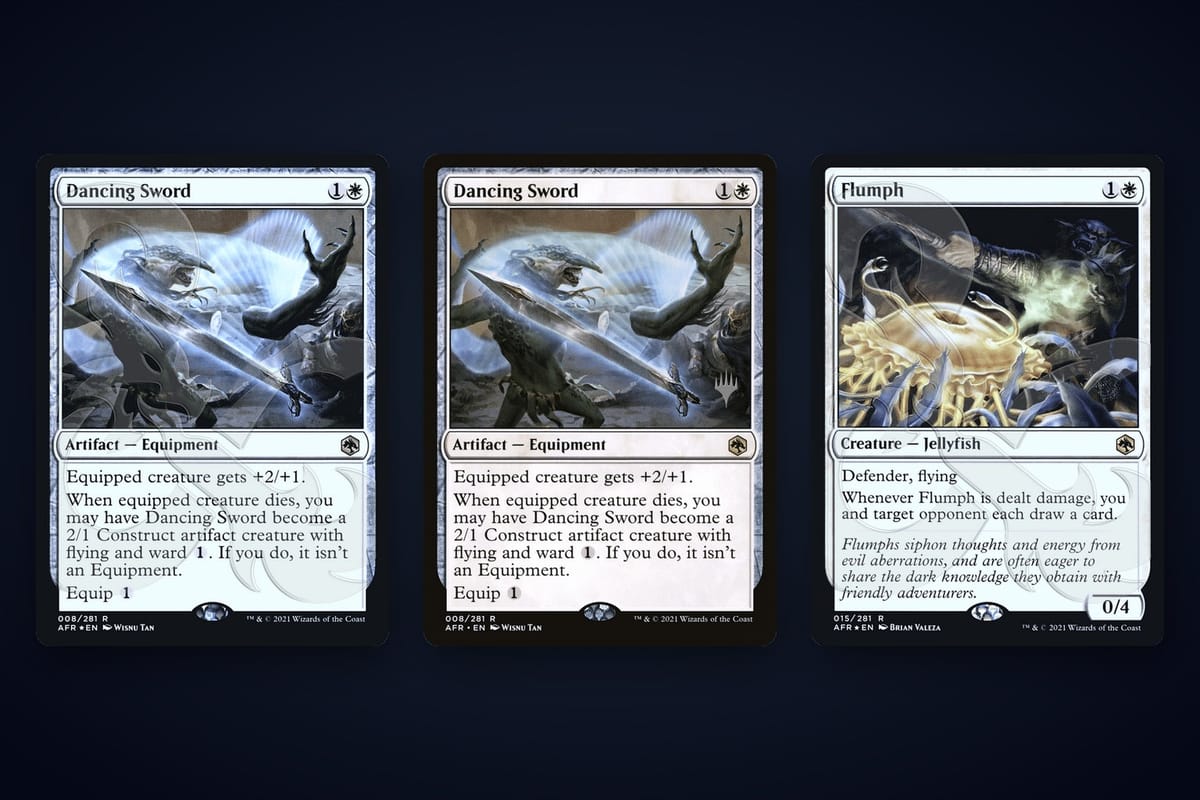
Dancing Sword #8a Adventures in the Forgotten Realms Promos (2021) |
$3.99 | — | — |
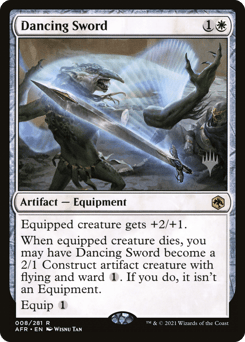 |
Dancing Sword #8 Adventures in the Forgotten Realms Promos (2021) |
$0.70 | — | — |
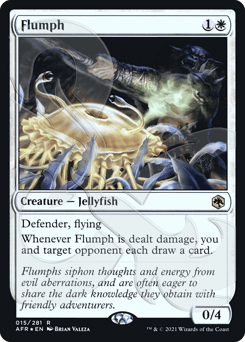 |
Flumph #15a Adventures in the Forgotten Realms Promos (2021) |
$12.97 | — | — |
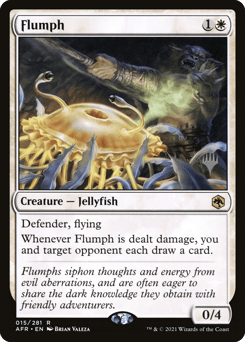 |
Flumph #15 Adventures in the Forgotten Realms Promos (2021) |
$31.29 | — | — |
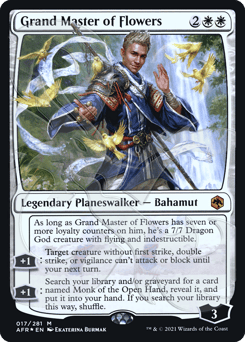 |
Grand Master of Flowers #17a Adventures in the Forgotten Realms Promos (2021) |
$10.73 | — | — |
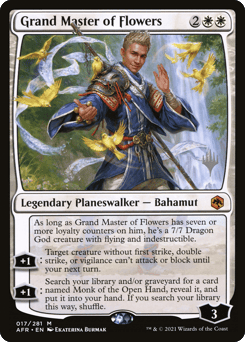 |
Grand Master of Flowers #17 Adventures in the Forgotten Realms Promos (2021) |
$2.70 | — | — |
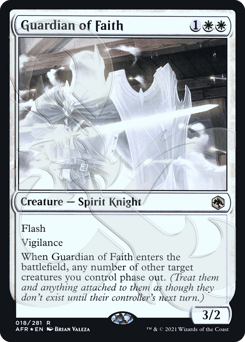 |
Guardian of Faith #18a Adventures in the Forgotten Realms Promos (2021) |
$28.28 | — | — |
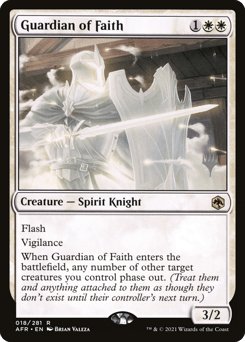 |
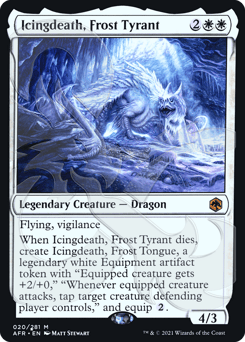
Guardian of Faith #18 Adventures in the Forgotten Realms Promos (2021) |
$8.05 | — | — |
 |
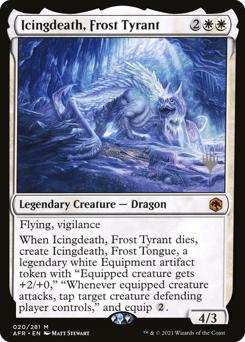
Icingdeath, Frost Tyrant #20a Adventures in the Forgotten Realms Promos (2021) |
$16.75 | — | — |
 |
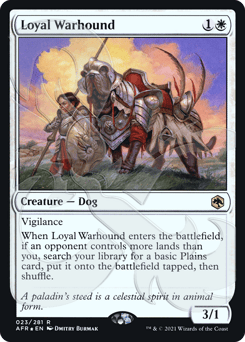
Icingdeath, Frost Tyrant #20 Adventures in the Forgotten Realms Promos (2021) |
$15.50 | — | — |
 |
Loyal Warhound #23a Adventures in the Forgotten Realms Promos (2021) |
$10.56 | — | — |
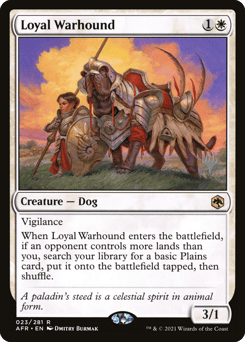 |
Loyal Warhound #23 Adventures in the Forgotten Realms Promos (2021) |
$2.36 | — | — |
Look up any card's current raw and graded value in Midpoint — and get an estimated grade before you pay to submit.
Table of Contents
- Section 1: Overview of Adventures in the Forgotten Realms Promos Set
- Section 2: Full Card List and Price Guide
- Section 3: Top-Value Promo Cards and Chase Highlights
- Section 4: Foil vs Nonfoil Price Differences and Grading Impact
- Section 5: Scarcity, Supply, and Market Trends
- Section 6: Condition, Printing, and Edition Factors Affecting Value
- Section 7: Grading Worth and Using Midpoint for Pre-Grading
- Conclusion
- FAQ
Section 1: Overview of Adventures in the Forgotten Realms Promos Set
Release Context and Promo Pack Composition
The Adventures in the Forgotten Realms (AFR) Promos MTG cards were launched alongside the main AFR set to celebrate the collaboration between Dungeons & Dragons and Magic: The Gathering. Released in 2021, these promos feature alternate art and unique foiling on select cards, targeting collectors and players alike. The set includes a curated selection of cards from the base AFR release, often spotlighting fan favorites, powerful creatures, and iconic spells.
These promos were distributed through various channels including pre-release events, special promotional purchases, and select tournament participation rewards. This distribution method generally resulted in promo cards being scarcer compared to their standard counterparts, which were mass-produced in booster packs. For example, certain high-demand promos like Tiamat were primarily available through limited event prize packs, creating collector interest upon release.
Why Promo Packs Matter in MTG Collecting
Promos like the AFR cards often become sought after due to their limited print runs and visually distinct presentation. They hold value beyond gameplay, as collectors prize their scarcity and aesthetic appeal. The value of these cards can fluctuate based on demand, availability, and grading condition, making an informed understanding important for buyers and sellers.
Moreover, the unique design elements such as alternate art or special foil treatments contribute to their desirability. Collectors often seek to complete promo sets, which can be challenging given that not all promos were widely available or reprinted. Additionally, the provenance of these cards—knowing they were obtained at special events—can add to their collectible appeal.
Key Features of the AFR Promo Cards
- Alternate artwork or extended art treatments, often by artists specializing in fantasy themes.
- Foil and nonfoil variants, with foil versions generally rarer and more sought after.
- Official promo stamp or indication, such as a unique symbol or text on the card border or bottom edge, authenticating its promo status.
- Limited distribution through special events or purchases, making many cards scarce and increasing their collectible appeal.
Below is a comprehensive table outlining the full Adventures in the Forgotten Realms Promos card list with current pricing data as of 2026-09-13.
Section 2: Full Card List and Price Guide
Complete Card Roster with Market Values
The AFR promo set includes over 20 unique cards, each tracked with raw and graded value estimates. Prices fluctuate based on condition, foil status, and market trends. For example, cards like Old Gnawbone and Tiamat are notable due to their gameplay relevance and collectibility.
The set contains powerful creatures such as Tiamat, a five-color dragon with abilities that appeal to both casual and competitive players. Other notable inclusions are utility creatures like Oswald Fiddlebender, which has seen play in artifact-centric decks. Each card’s value is influenced by factors such as its playability in popular formats like Commander and Pioneer, contributing to fluctuating demand.
Price Range Insights for AFR Promos
- Lower-tier promos typically start between $5-$15 raw, representing cards with limited gameplay impact or less popular art.
- Mid-tier cards range $20-$50 depending on popularity, with some cards like Delina or Xorn providing value for collectors and casual players.
- Top-tier chase cards can exceed $100 raw, with PSA 10 graded versions often commanding premiums upward of $300, reflecting their rarity and desirability among collectors.
For example, the raw price of Old Gnawbone is around $65, but when graded PSA 10, prices can surpass $200 due to rarity and collector demand. This price stratification highlights the importance of condition and grading in the promo card market.
How to Use This Price Guide
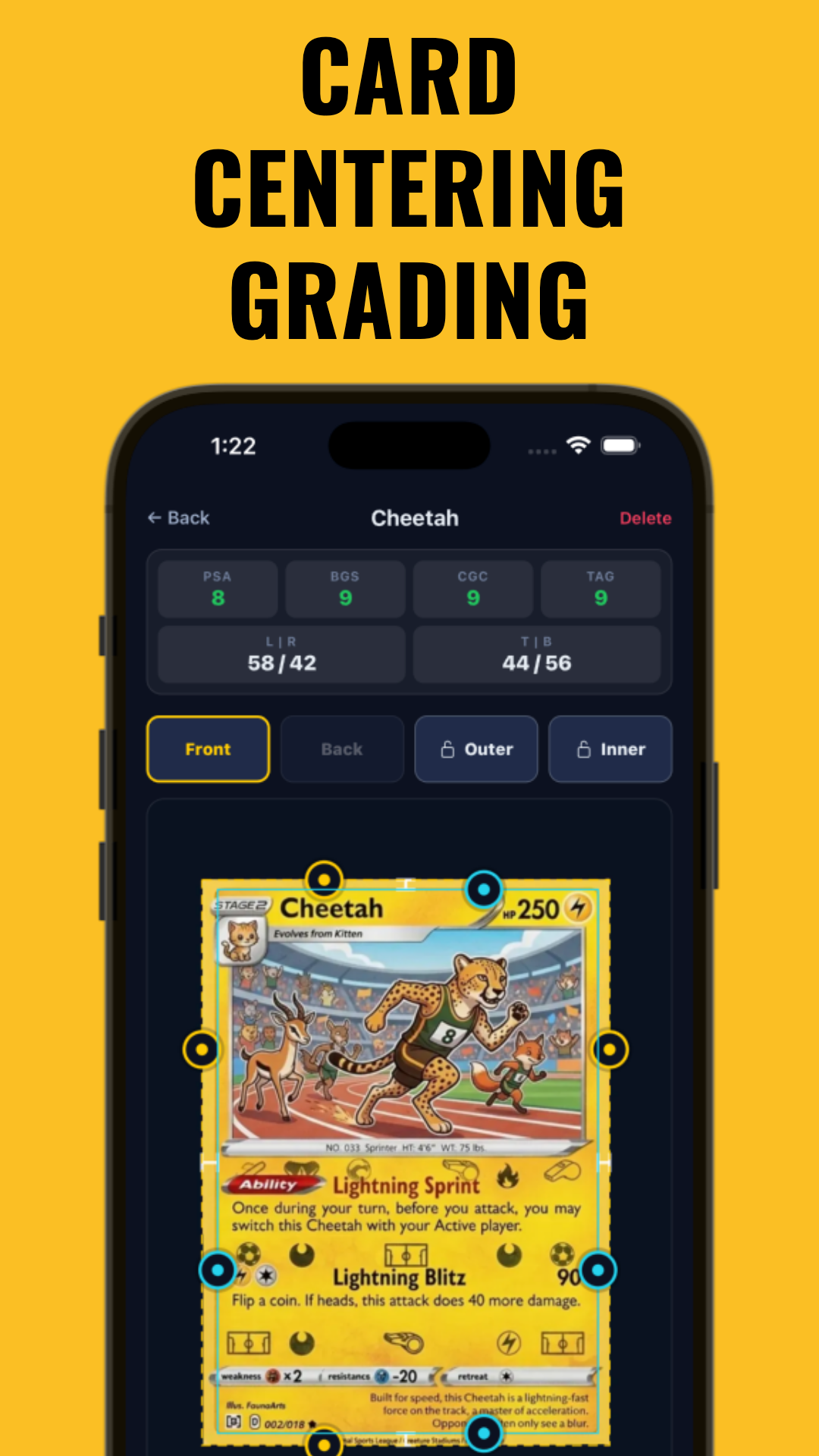
Track both market price and lowest listing prices for a realistic picture of card value. Use these figures to decide whether to hold, sell, or grade your cards. For example, the Card Centering Tool by Midpoint can help identify cards worth grading by estimating potential PSA 10 or BGS 9.5 grades before submitting.
Additionally, monitoring auction sales and marketplace trends on platforms like eBay and TCGPlayer can provide insight into real-time price movements. Cross-referencing multiple sources helps ensure pricing decisions are based on comprehensive data rather than isolated listings.
Section 3: Top-Value Promo Cards and Chase Highlights
Tiamat – The Pinnacle of AFR Promo Value
Tiamat is among the most valuable promo cards in the set. As of 2026-09-13, raw copies average around $120, while PSA 10 graded examples have been known to reach prices above $350 due to its iconic status and limited print run. This card’s desirability is influenced by its artwork and gameplay appeal.
Its appeal extends beyond casual play, with Tiamat frequently included in Commander decks emphasizing multicolor dragon synergies. The card’s five-color nature makes it a centerpiece in many deck strategies, elevating demand among players and collectors. Furthermore, the promo version’s unique art, depicting Tiamat in a dynamic pose with vivid color contrasts, enhances its visual and collectible appeal.
Old Gnawbone and Oswald Fiddlebender
Other chase cards like Old Gnawbone and Oswald Fiddlebender have also attracted collector interest. Old Gnawbone’s raw price is near $65, with gem-grade versions often valued higher. Oswald Fiddlebender follows a similar trend, appreciated for both art and utility.
Old Gnawbone’s value is influenced by its inclusion in competitive decks, which can drive demand for top-condition promos. Oswald Fiddlebender’s value benefits from both its competitive positioning and aesthetic quality, especially in foil promo form. Collectors prize versions with good centering and surface quality, pushing prices higher in gem-grade categories.
Delina, Treasure Vault, and Xorn
Additional highlights include Delina, Treasure Vault, and Xorn, which show steady demand. These cards generally fall in the $40-$80 raw range, with foil editions and PSA 10 grades boosting prices.
Delina is valued for its synergy with token strategies and has seen competitive play, while Treasure Vault’s utility in ramp decks sustains interest among players. Xorn, with its unique abilities and art, attracts collectors who seek visually compelling promos. The demand for these cards helps maintain a baseline value even during market fluctuations.
Section 4: Foil vs Nonfoil Price Differences and Grading Impact
Foil Premiums Across the AFR Promos
Foil versions often command a premium over nonfoil copies. On average, foil AFR promo cards may sell for 20-50% more, depending on the card’s popularity and condition. For example, a foil Tiamat may fetch higher prices in PSA 10 condition compared to its nonfoil counterpart.
This premium is driven by factors such as smaller production quantities for foils, enhanced visual appeal, and the higher grading thresholds that foils often require. Foil cards typically have more condition sensitivity, making high-grade foils more valuable.
Moreover, surface imperfections on foils—such as scratches or print lines—can reduce grades more easily, so high-grade foil promos often command significant price premiums. For many collectors, owning a PSA 10 foil promo is a prized achievement, justifying higher prices.
Grading: The Gem-Quality Price Gap
Grading creates a notable value gap between raw and gem-quality cards. PSA 10 or BGS 9.5 grades can multiply a card’s value by several times, especially for high-demand promos. This premium reflects collector preference for perfect centering, flawless edges, and immaculate surfaces.
For example, a raw Old Gnawbone promo might sell for around $65, but a PSA 10 version can exceed $200. The grading process assesses centering, corners, edges, and surface quality. Minor imperfections in any category can lower grade and value.
Collectors sometimes prefer BGS 9.5 with high subgrades over PSA 10 if it better reflects condition nuances. Certification from a reputable grading company also adds buyer confidence and liquidity in secondary markets.
Why Use Pre-Grading Tools?
Submitting cards blindly to grading companies like PSA or BGS can be costly and risky. Midpoint’s AI-powered digital grading and precise centering measurement allow collectors to estimate grade outcomes before investing grading fees. This approach can help maximize return on investment and target the most promising AFR promo cards for grading.
Given grading fees often range from $20 to $50 per card, plus shipping and insurance, pre-grading tools like Midpoint can reduce the risk of spending money on cards unlikely to receive high grades. By analyzing scanned images for centering percentages—sometimes down to 0.1% accuracy—surface defects, and corner sharpness, collectors can prioritize which promos to submit.
Section 5: Scarcity, Supply, and Market Trends
Limited Print Runs and Distribution
The scarcity of AFR promos arises from their limited print runs tied to special events and promotional distributions. Unlike standard sets, promo cards are not mass-produced, leading to constrained supply that can support higher prices.
For example, the Tiamat promo was reportedly printed in quantities under 5,000, distributed primarily through exclusive event prize packs. This limited availability creates a supply bottleneck, especially for PSA 10 copies where condition must be near perfect. Similarly, other promos tied to specific releases or events have print runs often below 10,000, which is small relative to mainstream set print quantities often exceeding 100,000 per card.
Market Demand and Price Spikes
Certain cards experience price increases due to tournament play relevance, popular deck builds, or collector interest. For example, Old Gnawbone saw a price jump after inclusion in competitive decks, driving demand for mint-condition promos.
These spikes can be transient, tied to meta shifts or new deck archetypes gaining popularity. However, for the AFR promos, some price increases have shown lasting effects due to the cards’ utility in multiple formats and their collectible status. Collectors often track tournament results and decklists to anticipate such spikes.
Low Supply Cards and Their Impact
Cards with particularly low available supply—either in raw or graded form—tend to retain or increase value over time. This scarcity drives a collector’s market where condition and edition nuances become significant.
For instance, PSA census data for Tiamat shows fewer than 300 graded copies, with PSA 10 representing a minority of that population. Such low graded supply relative to demand can generate upward pressure on prices. Similarly, cards like Oswald Fiddlebender and Delina have limited graded populations, supporting their collectible premiums.
Collectors use population reports and census data from grading companies to identify which promos may be undervalued or over-represented, informing buying and selling strategies.
Section 6: Condition, Printing, and Edition Factors Affecting Value
Condition: Key to Unlocking Max Value
Condition remains the primary determinant of value for AFR promos. Cards with minimal surface wear, sharp corners, and good centering command the highest prices. Even minor flaws can reduce value significantly.
For example, a scratch or print line on a foil promo can reduce a PSA 10 potential grade to PSA 9 or lower, decreasing the card’s market value. Collectors often inspect cards under magnification and proper lighting to identify such imperfections. Cards with off-centering greater than 60/40, minor corner dings, or edge wear typically receive lower grades and see diminished demand.
Printing Variations and Edition Differences
While the AFR promos are generally uniform, slight variations in foil application or printing batches can create subtle rarity tiers. Collectors may pay premiums for versions with unique quirks or early print runs.
For instance, some early print runs exhibit slightly different foil sheen or color saturation, which can be visually distinct to experienced collectors. These variants are often identified through examination of card backs, border thickness, or foil pattern consistency. Although these differences are subtle, they can differentiate a "first wave" promo versus later distributions, impacting desirability and price.
Why Grading Companies Consider These Factors
Grading services like PSA, BGS, CGC, and TAG weigh these factors when assigning grades. Understanding how these distinctions affect grade outcomes can guide collectors in which promos are worth grading, as detailed in the grading scale differences guide.
For example, PSA tends to emphasize surface condition and centering with strict thresholds, while BGS uses subgrades that allow for more nuanced grading, which can benefit cards with exceptional corners but slight centering flaws. TAG and CGC have also gained traction for grading MTG promos, sometimes offering faster turnaround times or competitive pricing. Knowing each company’s grading tendencies allows collectors to choose the best fit for their AFR promos.
Section 7: Grading Worth and Using Midpoint for Pre-Grading
Which AFR Promos Are Worth Grading?
Focus on high-value chase cards like Tiamat, Old Gnawbone, Oswald Fiddlebender, and Delina. These cards tend to show the greatest increase in value when graded PSA 10 or BGS 9.5. Mid-tier promos may not recoup grading costs unless in exceptional condition.
For example, grading a raw Delina promo in near-mint condition can increase its value, while grading a lower-tier card often results in minimal financial benefit. Many collectors perform a cost-benefit analysis considering grading fees, expected grade, and resale value before submission.
How Midpoint Enhances Grading Decisions
Midpoint’s AI-driven app analyzes centering, corners, edges, and surface to produce estimated grades from PSA, BGS, CGC, and TAG standards. This allows collectors to preview potential grades, identify surface flaws, and measure centering before paying grading fees.
Midpoint also provides a visual heatmap overlay highlighting areas of the card likely to cause grade reductions, such as edge wear or surface scratches. This diagnostic capability enables targeted card care, such as gentle cleaning or storage adjustments, to improve condition prior to submission.
Practical Steps for Pre-Grading with Midpoint
- Scan or photograph your AFR promo card with Midpoint, ensuring high-resolution images and proper lighting for accurate analysis.
- Use the centering calculator to detect alignment accuracy, with percentage metrics indicating front and back centering.
- Review AI surface and edge grading analysis, including detection of print lines, scratches, or corner wear.
- Compare estimated PSA 10 and BGS 9.5 grades to market values to assess potential return on investment.
- Decide strategically which cards to submit, saving money and maximizing returns by focusing on likely gem-grade candidates.
Learn more about how to pre-grade cards efficiently in this detailed step-by-step guide.
Conclusion
The Adventures in the Forgotten Realms Promos MTG cards present a blend of collectibility, gameplay relevance, and grading potential. Understanding the full card list, current market values, and grading impacts is important for collectors aiming to maximize their investment. High-value chase cards such as Tiamat and Old Gnawbone highlight the importance of condition and foil status, with PSA 10 grades often boosting worth.
Scarcity and printing nuances further influence pricing trends, creating opportunities for collectors. Tools like Midpoint can help users assess grading potential accurately, supporting informed decisions before submitting cards to grading services. This approach can enhance portfolio tracking and long-term value retention.
For anyone invested in Adventures in the Forgotten Realms Promos, leveraging AI-assisted grading and up-to-date price guides is a useful strategy to navigate this dynamic market.
FAQ
Q: What are the most valuable Adventures in the Forgotten Realms promo cards?
A: The most valuable AFR promo cards often include Tiamat, Old Gnawbone, and Oswald Fiddlebender, with PSA 10 graded copies typically commanding the highest prices.
Q: How much is Tiamat from AFR Promos worth right now?
A: As of 2026-09-13, raw Tiamat promo cards average around $120, while PSA 10 graded versions can exceed $350.
Q: Why are some AFR promo pack cards so expensive?
A: Limited print runs, foil variants, gameplay popularity, and scarcity of high-grade copies contribute to higher prices for certain AFR promo cards.
Q: What is the price range for Adventures in the Forgotten Realms Promos cards?
A: Prices range from about $5-$15 raw for lower-tier promos, $20-$50 for mid-tier, and over $100 for top chase cards in raw condition.
Q: Are foil AFR promo cards worth more than nonfoil versions?
A: Yes, foil versions generally command 20-50% premiums over nonfoil cards, especially in high-grade condition.
Q: Which AFR promo cards have the biggest value spikes or lowest supply?
A: Cards like Old Gnawbone and Tiamat have experienced notable value increases due to limited supply and collector demand.
Explore Midpoint to assess your AFR promos and optimize your grading strategy: Midpoint.
Free to start
Try the Midpoint app
Grade any card from a photo, see its raw and PSA 10 value, and track what your collection is worth — free.
Get it on iPhoneGet it on Android