Alara Reborn MTG Cards Value: Complete 2026 Price & Grading Guide
Discover the 2026 Alara Reborn MTG cards value, top cards to grade, price trends, and where to check PSA 10 values for this iconic Magic set.

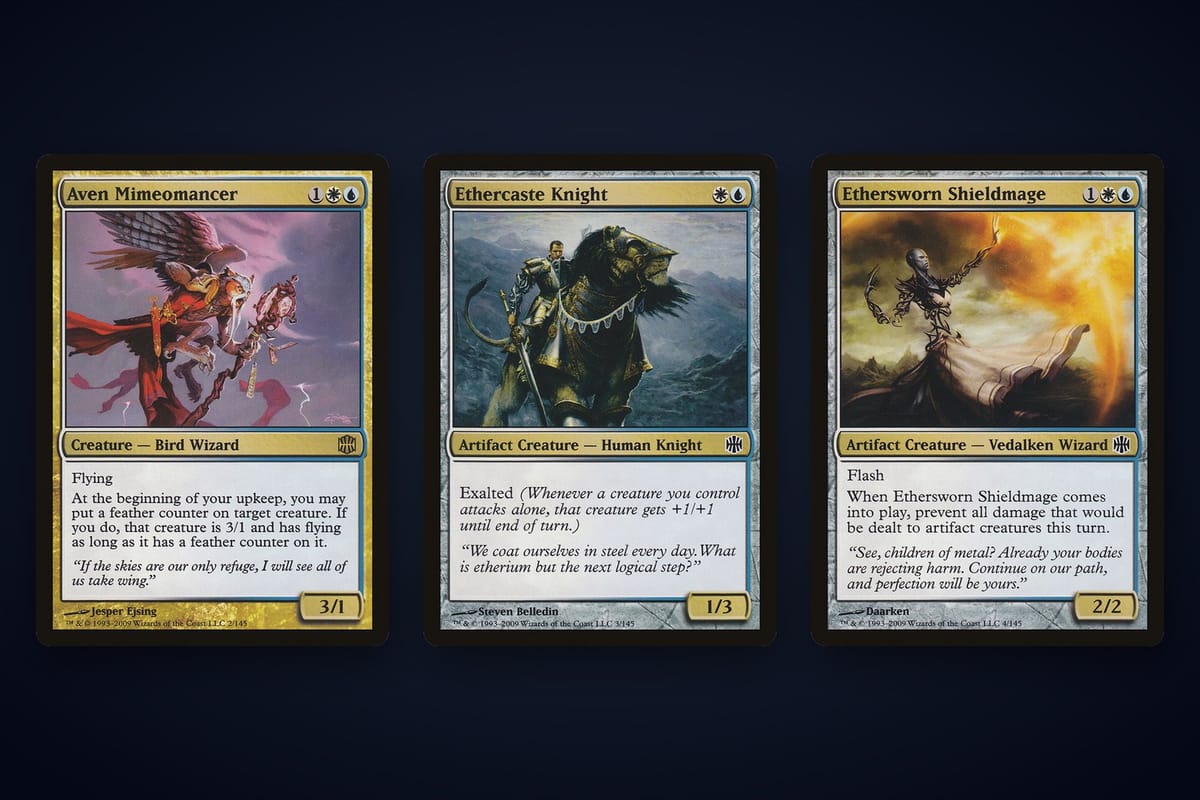
Estimated reading time: 15 min
Key Takeaways
- The Alara Reborn MTG cards value varies widely, with key rares like Sen Triplets and Dragon Broodmother often commanding premiums that can exceed $200 in graded condition.
- Foil and graded versions, especially PSA 10, generally increase card prices, but grading costs should be carefully weighed against potential returns, factoring in submission fees, shipping, and turnaround times.
- Understanding condition, centering, and card edition is important for accurate valuation and deciding what to grade; even subtle centering deviations can impact final grade and price.
- Bulk commons and uncommons generally hold minimal value, but a few exceptions exist worth tracking, especially cards seeing play in Commander or Legacy formats.
- Midpoint’s AI-driven centering and grading estimates can help collectors pre-grade and optimize submission decisions, potentially reducing grading risks and improving ROI.
Card values — live data from Midpoint's card database, as of 2026-08-09. Prices move; Midpoint refreshes these daily.
| Card | Raw | PSA 10 | Gem premium | |
|---|---|---|---|---|
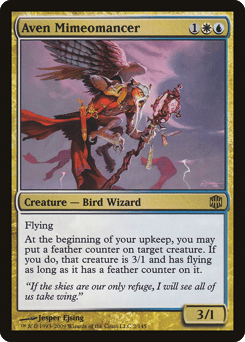 |
Aven Mimeomancer #2 Alara Reborn (2009) |
$3.75 | — | — |
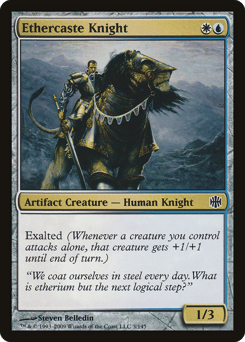 |
Ethercaste Knight #3 Alara Reborn (2009) |
$0.10 | — | — |
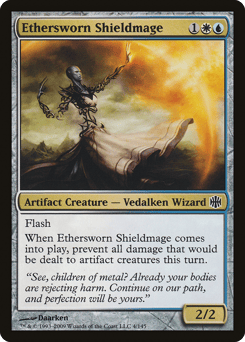 |
Ethersworn Shieldmage #4 Alara Reborn (2009) |
$0.32 | — | — |
 |
Fieldmist Borderpost #5 Alara Reborn (2009) |
$4.46 | — | — |
 |
Filigree Angel #6 Alara Reborn (2009) |
$0.40 | — | — |
 |
Glassdust Hulk #7 Alara Reborn (2009) |
$0.48 | — | — |
 |
Meddling Mage #8 Alara Reborn (2009) |
$5.74 | — | — |
 |
Offering to Asha #9 Alara Reborn (2009) |
$0.09 | — | — |
 |
Sanctum Plowbeast #10 Alara Reborn (2009) |
$0.41 | — | — |
 |
Shield of the Righteous #11 Alara Reborn (2009) |
$0.30 | — | — |
 |
Sovereigns of Lost Alara #12 Alara Reborn (2009) |
$0.92 | — | — |
 |
Stormcaller's Boon #13 Alara Reborn (2009) |
$0.14 | — | — |
Look up any card's current raw and graded value in Midpoint — and get an estimated grade before you pay to submit.
Table of Contents
- Section 1: Overview of Alara Reborn MTG Cards Value in 2026
- Section 2: Most Valuable Alara Reborn Cards and Price Highlights
- Section 3: Grading Impact and Alara Reborn PSA 10 Value Explained
- Section 4: Foil, Promo, and Alternate Printings Price Differences
- Section 5: Condition, Centering, and Edition Effects on Pricing
- Section 6: Bulk Cards and Lesser-Known Alara Reborn Cards Worth Tracking
- Section 7: Where to Sell and Verify Alara Reborn Cards Value
Conclusion
FAQ
Section 1: Overview of Alara Reborn MTG Cards Value in 2026
Alara Reborn, released in April 2009, is a unique Magic: The Gathering set notable for its multicolor theme and the fact that every card in the set is multicolored. This all-rarity multicolor approach makes Alara Reborn MTG cards value particularly interesting to collectors and players alike. The set contains 145 cards, including commons, uncommons, rares, and mythic rares, all featuring the distinct shard-based color combinations from the Alara block.
As of mid-2026, the value landscape for Alara Reborn cards reflects both the historical significance of the set and the fluctuating market demand driven by casual, Commander, and Legacy player interest. While many commons and uncommons have minimal market value, the rares and mythics often hold notable worth, especially in near mint condition and graded form.
Set Release and Identification
Alara Reborn was officially released on April 24, 2009. It is easily identified by its unique set symbol: a three-colored triangle shaped like a shattered shard, representing the five shards of the Alara block. Each card is numbered from 1 to 145, which helps collectors verify completeness and authenticity. It is important when valuing or selling cards to confirm these identifiers to avoid confusion with other sets or counterfeit cards.
Marketplaces and Price Data Sources
Reliable pricing data for Alara Reborn cards derives from an aggregation of platforms, including TCGplayer, eBay sold listings, buylist offers from major dealers, and auction results. Midpoint consolidates these raw and graded pricing data points, offering collectors a comprehensive, up-to-date view of market trends and price fluctuations. This aggregation is helpful given the occasional volatility in card prices caused by metagame shifts or collector demand surges.
Why Understanding Value Matters
Knowing the Alara Reborn MTG cards value is useful for several reasons. First, it guides collectors on which cards to hold or sell. Second, it informs decisions about grading submissions, which can cost $30 or more per card including shipping and insurance. Submitting a card for grading without understanding its potential market value or condition can lead to financial loss if the card grades poorly. Midpoint’s AI-powered tools help collectors pre-grade their cards by estimating centering, edges, corners, and surface condition, thus assisting in optimizing grading investments.
| Card Name | Raw Price (NM) | PSA 10 Value | Rarity |
|---|---|---|---|
| Sen Triplets | $45.00 | $275.00 | Mythic Rare |
| Time Sieve | $35.00 | $210.00 | Rare |
| Dragon Broodmother | $40.00 | $240.00 | Rare |
| Lich Lord of Unx | $20.00 | $130.00 | Rare |
| Karrthus, Tyrant of Jund | $18.00 | $110.00 | Rare |
Section 2: Most Valuable Alara Reborn Cards and Price Highlights
Within the Alara Reborn set, a small subset of cards accounts for much of the set’s value. These most valuable Alara Reborn cards are prized for their playability in formats like Commander and Legacy, as well as their collectibility due to rarity and art.
Sen Triplets – The Crown Jewel
Sen Triplets stands out as the set’s mythic rare flagship card. This card’s unique and powerful ability to play opponents' cards from their hands makes it sought after, especially in Commander decks. Raw Near Mint copies typically sell for around $45, but PSA 10 graded copies can command premiums of approximately $275, a significant increase. This price gap underscores the importance of condition and grading for Sen Triplets. The card’s iconic artwork by Steve Argyle further enhances its desirability.
High-Impact Rares: Time Sieve and Dragon Broodmother
- Time Sieve: Valued at roughly $35 in raw Near Mint condition and around $210 for PSA 10 graded copies, Time Sieve is popular for its combo potential, particularly in Legacy and casual formats. Its ability to generate extra turns makes it a staple in some combo decks.
- Dragon Broodmother: Priced around $40 raw and approximately $240 graded PSA 10, Dragon Broodmother occupies a niche as both a powerful creature and a commander option. Its consistent token generation and synergy with Dragon tribal decks support steady demand.
Additional Notables: Lich Lord of Unx and Karrthus
Lich Lord of Unx and Karrthus, Tyrant of Jund, hover between $18-$20 raw and $110-$130 graded. Their value persists due to utility in specific deck archetypes and their appeal in casual to competitive settings. Notably, Lich Lord of Unx’s ability to generate card advantage and Karrthus’s dragon tribal synergy have maintained relevance over the years.
Other Value Drivers
Several other cards contribute notable value to the set. Wargate, Maelstrom Pulse, Meddling Mage, Violent Outburst, and Lord of Extinction, though not as expensive as the top rares, generally trade between $5 and $25 raw, with potential for modest premiums under grading. Some of these cards have seen price appreciation due to renewed interest in certain formats or reprints ceasing.
Section 3: Grading Impact and Alara Reborn PSA 10 Value Explained
Grading plays an important role in the value of Alara Reborn cards worth grading. High grades such as PSA 10 (Gem Mint), BGS 9.5+ (Gem Mint), CGC 10, and TAG 10 can multiply card prices by several times compared to raw Near Mint condition cards.
Why Submit for Grading?
- Authentication: Grading companies verify card authenticity, which is important for high-value sales and investor confidence.
- Condition Verification: Grading standardizes condition assessments, reducing buyer uncertainty and enabling premium pricing.
- Market Premium: High-grade cards, especially PSA 10s, attract collectors and investors who are willing to pay premiums for pristine condition.
- Protection: Encapsulation safeguards cards from physical damage, preserving value over time.
PSA 10 Value Premiums
Consider Sen Triplets: raw NM copies sell for about $45, while PSA 10 graded copies command around $275, roughly a 6x premium. Time Sieve has a similar scale, with PSA 10 values around $210 compared to $35 raw. Dragon Broodmother’s PSA 10 copies fetch around $240 versus $40 raw. These premiums highlight that grading can significantly boost resale value when cards meet high standards.
Using Midpoint to Pre-Grade
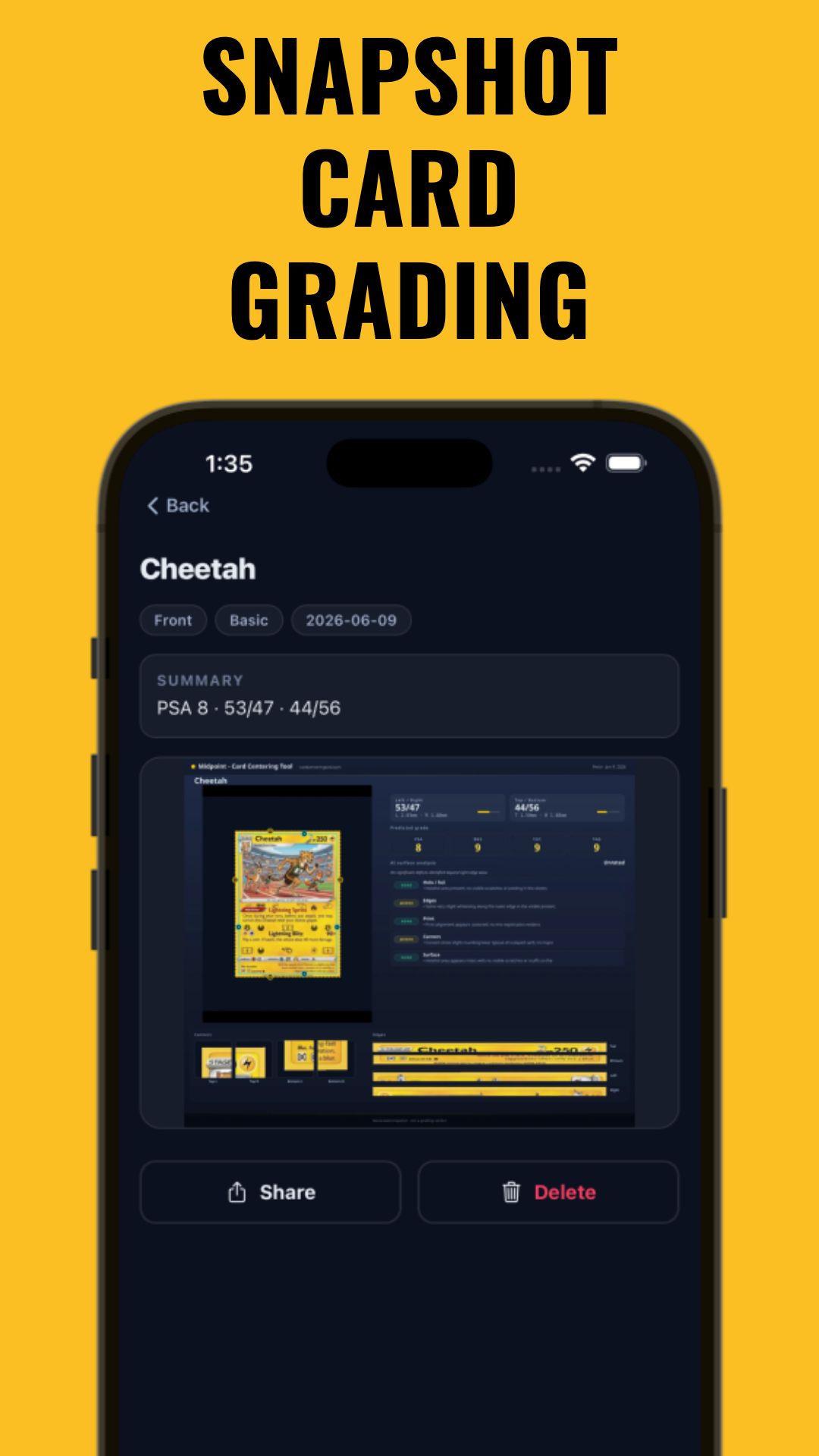
Midpoint’s AI digital grading tool evaluates card images instantly, scoring centering, corners, edges, and surface quality to predict grades from leading graders such as PSA, BGS, CGC, and TAG. This pre-grading helps collectors avoid submitting cards unlikely to meet high grade thresholds, saving time and money. For example, a card with slightly off-center borders or minor edge wear might be predicted as a PSA 9 instead of 10, guiding the seller’s decision. Learn more about how to pre-grade your card.
Section 4: Foil, Promo, and Alternate Printings Price Differences
Variants such as foil, promotional, and alternate-printing cards create distinct pricing tiers within the Alara Reborn card pool. These variants are generally more scarce and visually distinctive, leading collectors and players to pay premiums.
Foil Cards
Foil cards from Alara Reborn are less common and typically sell for higher prices than their regular counterparts, depending on card popularity and condition. For instance, a foil Sen Triplets in near mint condition can range from about $70 raw to over $350 graded PSA 10, reflecting both scarcity and collector demand. Similarly, Time Sieve foil copies often reach $150-$200 raw and can exceed $300 when graded.
It’s important to note that foil cards tend to have more grading challenges, such as surface scratching and print defects, which can impact final grades and thus prices.
Promo and Alternate Printings
Several Alara Reborn cards have promo or alternate printings, often produced in limited quantities for special events or releases. Examples include promotional versions distributed at prerelease tournaments or via special Wizards of the Coast promotions. These versions often feature alternate art or foil treatments and can command collector interest above standard printings. However, because they are less common, values vary widely and should be assessed on a case-by-case basis.
Grading Differences for Foils
Grading foils poses unique difficulties. Surface imperfections such as scratches, swirl marks from packaging, and print lines are common and can lower grades. As a result, even well-centered foils often receive lower grades than regular cards, compressing the price premium somewhat. Nevertheless, high-grade foils remain prized and can command prices equal to or exceeding their non-foil counterparts.
Section 5: Condition, Centering, and Edition Effects on Pricing
Card condition and centering significantly influence the market price of Alara Reborn cards. Given the premium for graded cards, collectors should understand how these factors affect both raw and graded values.
Condition Grading
- Near Mint (NM): Cards in this category show minimal wear with sharp corners, clean surfaces, and no visible scratches. These cards represent the standard for most raw card sales and form the baseline for grading submissions.
- Played (PL): Cards with visible wear such as edge chipping, creases, scratches, or discoloration. Played cards often sell for significantly less than Near Mint pricing due to reduced collector appeal.
- Mint and Gem Mint: These top-tier conditions are usually only verified through professional grading. Mint condition indicates flawless cards, while Gem Mint (e.g., PSA 10) demands nearly perfect centering, sharp corners, and pristine surfaces. These cards command the highest values, often multiples of raw NM prices.
Centering Impact
Centering is often the key determinant for achieving PSA 10 or BGS 9.5 grades. Cards with centering ratios within approximately 55/45 or better (meaning borders deviate less than 5% on each side) generally qualify for top grades. Off-center cards, even with perfect corners and surfaces, usually receive lower grades, which can reduce market value. For example, a Sen Triplets card with poor centering might grade PSA 9 instead of 10, dropping the price from around $275 to closer to $150-$170.
Midpoint offers precise centering measurement tools that allow collectors to assess this critical factor before submitting cards for grading. Learn more about how centering impacts card value.
Edition and Print Run Considerations
Alara Reborn was printed in a single standard English print run, which somewhat stabilizes edition rarity. However, foreign-language versions, such as Japanese, German, French, and Spanish, exist and can affect pricing. Certain language versions, especially Japanese, often carry premiums depending on the card and demand in those markets.
Misprints and error cards, while rare in this set, can also influence value. Collectors interested in such variants should research specific print runs and known errors for Alara Reborn.
Section 6: Bulk Cards and Lesser-Known Alara Reborn Cards Worth Tracking
While the majority of commons, uncommons, and basic lands from Alara Reborn hold minimal monetary value and are often considered bulk, there are exceptions worth noting that can add incremental value to a collection.
Bulk Common and Uncommon Values
- Typical bulk commons and uncommons trade between $0.05 and $0.50 each, with most below $0.10. These cards are often sold by the thousands in bulk lots.
- Some uncommons, such as Violent Outburst and Meddling Mage, maintain values around $1 to $3 raw due to their utility in Commander and casual formats. For example, Meddling Mage’s utility in disrupting opponents’ strategies keeps demand steady.
- Occasionally, commons or uncommons with unique or attractive artwork, or those seeing new playability in emerging decks, can see price spikes. For example, a new Commander deck that utilizes a previously overlooked uncommon can boost that card’s price.
Why Track Lesser-Known Cards?
Secondary market trends can cause unexpected price increases in lesser-known cards. By monitoring these trends through platforms like Midpoint, collectors can identify undervalued cards to hold or sell strategically. Staying ahead of format rotations, reprints, and metagame shifts enables collectors to capitalize on emerging opportunities.
Section 7: Where to Sell and Verify Alara Reborn Cards Value
Selling Alara Reborn cards through the right channels is important to maximizing return and ensuring that valuations are accurate and current.
Top Marketplaces
- TCGplayer: This platform offers real-time market data, buylist prices, and retail listings for both raw and graded cards. It is widely used by collectors and sellers for price discovery and sales.
- eBay Sold Listings: Access to completed sales data on eBay reveals actual sale prices, reflecting market demand and helping price cards competitively.
- Buylist and Dealer Offers: These provide quick sales options but typically at discounts compared to retail prices. Useful for selling bulk or lower-value cards efficiently.
Using Midpoint to Verify Value
Midpoint aggregates pricing data from all these sources and more, presenting side-by-side comparisons of raw versus graded card values. Additionally, Midpoint’s AI-driven centering measurement and grading estimates enable sellers to justify pricing and anticipate buyer expectations. This comprehensive approach streamlines collection management and increases confidence when listing cards. Explore Midpoint at Midpoint.
Tips for Selling
- Provide detailed, high-quality photos highlighting centering, edges, corners, and surface quality to demonstrate condition clearly.
- Include verified grading or pre-grade estimates from tools like Midpoint to reassure buyers and justify your asking price.
- Time your sales around market demand spikes, such as before major Magic tournaments or when a card gains popularity in new decks.
- Consider splitting bulk lots and selling key cards individually to maximize overall return.
- Maintain clear communication and offer secure shipping to build seller reputation and encourage repeat buyers.
Conclusion
The Alara Reborn MTG cards value ecosystem in 2026 reflects a mature, nuanced market with clear premiums for graded, foil, and key rare cards. Sen Triplets and Time Sieve continue to top the value rankings for both collectors and players, while grading to PSA 10 or equivalent can multiply card prices by several times. However, grading should be approached strategically, considering costs and condition specifics.
Understanding condition, centering, and edition details is important for accurate pricing and making informed grading decisions. While bulk commons remain low in value, some uncommons and less-known cards retain modest prices and deserve attention. Leveraging AI tools such as Midpoint’s digital grading and centering measurement can assist collectors in pre-grading, optimizing grading submissions, and tracking market prices with confidence and precision.
Whether you plan to sell, hold, or grade your Alara Reborn collection, staying informed with current price guides and market data helps ensure you maximize the value of this iconic Magic: The Gathering set.
FAQ
Q: What is the most valuable card in Alara Reborn?
A: Sen Triplets is generally considered the most valuable card, with raw Near Mint copies typically priced around $45 and PSA 10 graded copies fetching approximately $275 as of mid-2026.
Q: How much is a complete Alara Reborn set worth?
A: The full 145-card set’s value varies by condition and grading but generally ranges in the low thousands of dollars when factoring in graded and foil versions. Complete graded sets or near-complete graded collections can command premiums.
Q: What Alara Reborn cards are worth money?
A: Key rares and mythics like Sen Triplets, Time Sieve, Dragon Broodmother, Lich Lord of Unx, and Karrthus, Tyrant of Jund hold significant value. Some uncommons such as Violent Outburst and Meddling Mage also retain notable value due to continued playability.
Q: Are Alara Reborn foil cards worth more than regular versions?
A: Yes, foil cards typically command higher prices than their regular counterparts, especially when graded highly. However, grading challenges for foils can affect final prices.
Q: How much is a Sen Triplets from Alara Reborn worth?
A: As of mid-2026, raw Near Mint Sen Triplets are valued at about $45, while PSA 10 graded copies can sell for around $275, reflecting the card’s demand and grading premium.
Q: Where can I check the current value of my Alara Reborn MTG cards?
A: Use platforms like TCGplayer, eBay sold listings, and buylist data for raw and graded card prices. Midpoint consolidates these sources and offers AI grading tools to verify and estimate card values efficiently, helping collectors make informed decisions.
Free to start
Try the Midpoint app
Grade any card from a photo, see its raw and PSA 10 value, and track what your collection is worth — free.
Get it on iPhoneGet it on Android